What Does “Good” Look Like for Companies Trying to Address Modern Slavery?
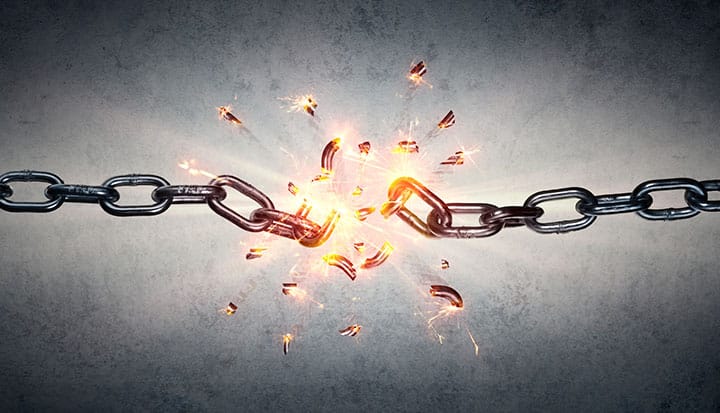
As the UN Forum on Business and Human Rights opens today in Geneva, Quintin Lake, Research Fellow at Hult International Business School, discusses modern slavery. Addressing modern slavery is becoming a business-critical for companies – for credibility with customers, investors, NGOs and the public – according to new research by Hult International Business School and […]
Social Entrepreneurs Beware – Don’t Ignore those Institutional Forces

Social entrepreneurship is on the rise in emerging economies. More and more, established firms and start-ups are seeking to position themselves to address the world’s most pressing problems and environmental concerns via enterprise structures that focus equally on commercial and social goals. However, much of the mainstream literature has emphasised management, innovation and investment toolkits […]
Can Complex Development Be Explained on a Bar of Chocolate?
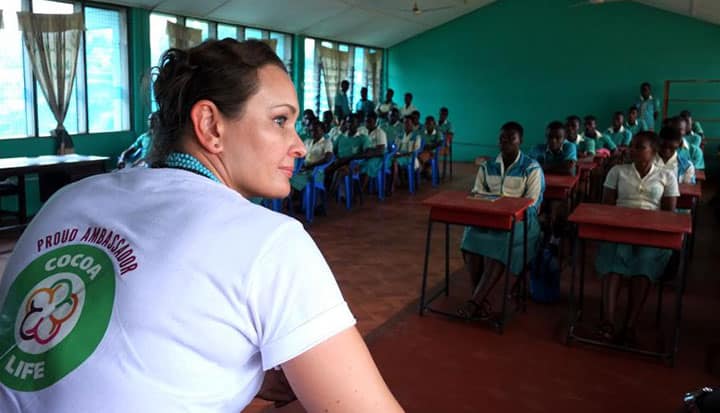
How can Mondelēz International – the world’s biggest chocolate company – show their consumers that their chocolate is produced in a sustainable way? I was recently in Ghana with a group of Mondelēz’s European staff, seeing for themselves how their company is working with cocoa farmers through its Cocoa Life sustainability programme. The purpose of […]
How Africa Can Restore Robust Growth Through Trade and Aid
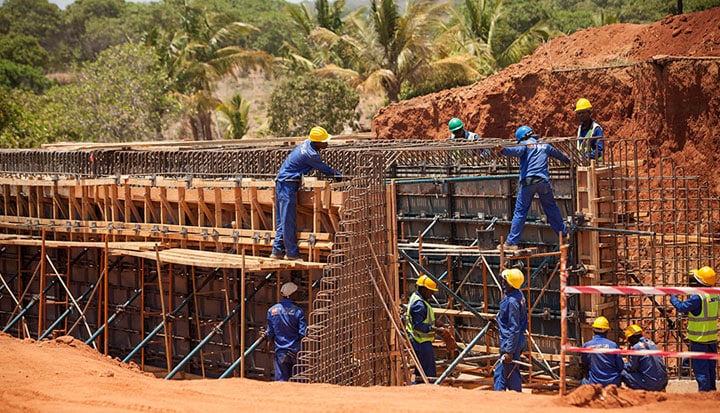
The narrative of “Africa Rising” has recently been tempered by uncertainties and risks in the global environment. Following two decades of growth averaging five percent, many of Africa’s economies, especially the commodity exporters, have cooled. Earlier this month, the International Monetary Fund cut its 2016 growth forecast for sub-Saharan Africa to only 1.4 percent. Like […]
Making the Most of Sustainability Opportunities
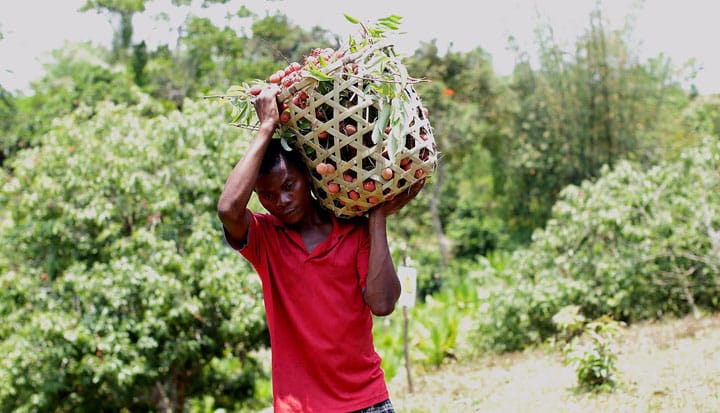
Environmental and social considerations are often presented as risks to businesses. However, if they’re properly integrated into strategies and decision-making they can very much become opportunities. For example, research from KPMG suggests implementing measures to improve job quality can increase profit margins by as much as 0.4 per cent in industries where profit margins typically […]
Supporting Cacao Producers in Latin America
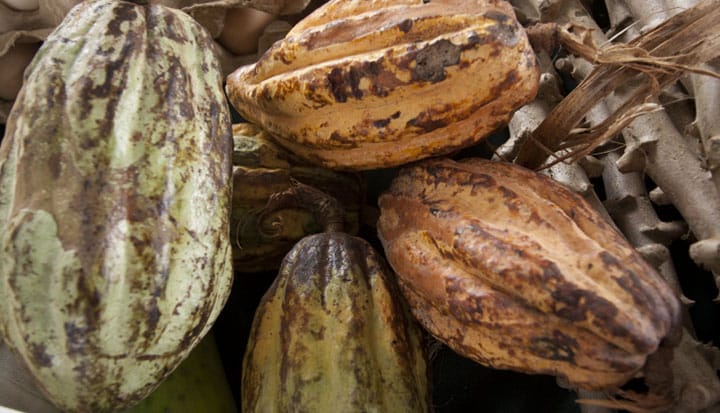
UK Chocolate Week celebrates the world of fine chocolate from 10th to 16th October, 2016. Chocolate Week aims to promote fine flavour chocolate, independent artisan chocolatiers and chocolate companies who work in direct partnership with cocoa farmers, encouraging consumers to pay a fairer price for their chocolate. Christian Aid has been actively engaged in high […]
The Impact of AMR and Priorities for Immediate Action

Interview with Dr. Nafsiah Mboi, Special Envoy for the Asia-Pacific Leaders Malaria Alliance With the release in May of the final report and recommendations of the Review on Antimicrobial Resistance, GBCHealth has convened a group of global leaders to discuss the potential impact of AMR and their priorities for immediate action. The series, which will […]
Access to Finance and Women’s Economic Empowerment
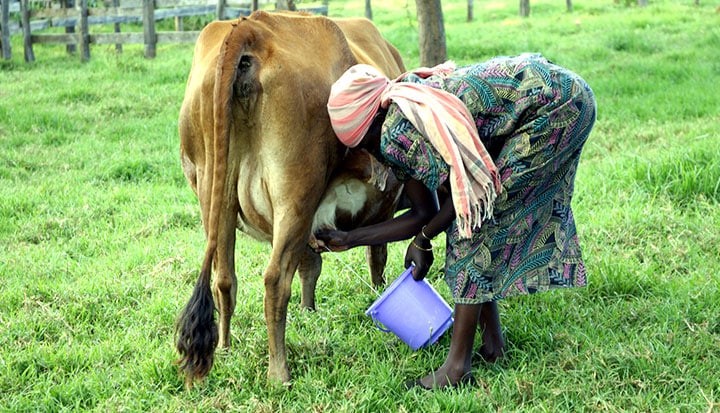
Cherie Blair Foundation Case Study on Women’s Economic Empowerment In 2014 the Cherie Blair Foundation for Women partnered with Accenture and CARE International to promote the long-term financial independence of Rwandan women, by providing a combination of mentoring, training and improved access to financial services. Financial inclusion is a deeply gendered issue in Rwanda, where […]
Brexit – What Does It Mean for Fairtrade?
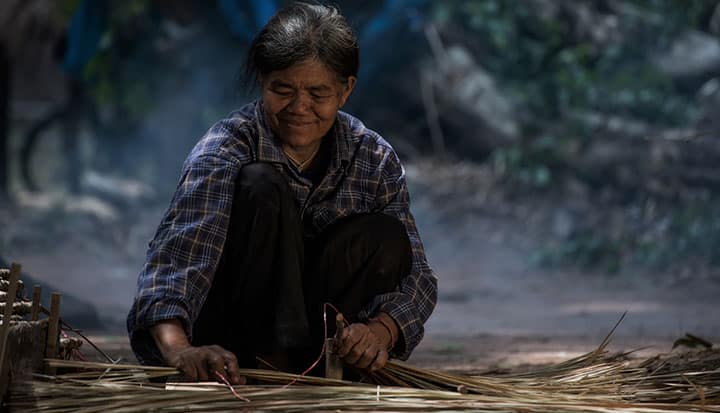
Negotiating our way out of Europe will be a tough and lengthy process. Nobody can predict the exact outcome of the Brexit negotiations, but it is possible to identify those people that could be affected and build scenarios showing how they could be affected. This blog outlines how Fairtrade certified farmers could be affected by […]
Banking on Social Innovation
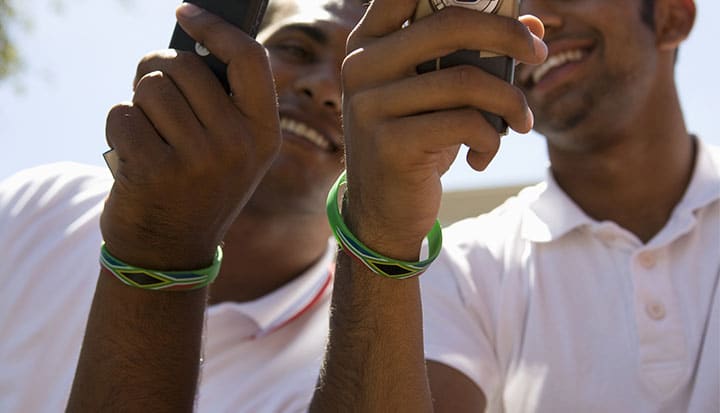
Caroline Anstey, Global Head of UBS and Society and former Managing Director of the World Bank, spoke to Adam Lent, Ashoka’s European Director of Research and Innovation, about a revolution in finance that currently is driving social change. Caroline believes firmly that the financial sector can drive social change by becoming more open as a […]
How the Mobile Phone is Enabling a New Social Enterprise Economy
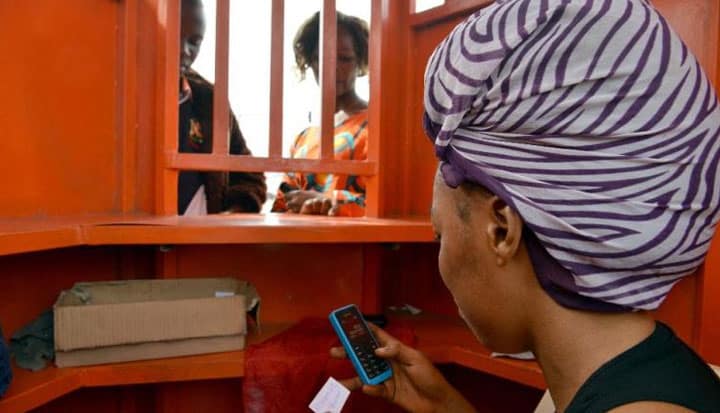
Do you remember that old mobile phone that you traded in years ago? Chances are, your phone may be helping power a new social revolution for millions living in poverty around the world. Most of the phones in use have only basic call and texting functions. But that is enough to enable mobile business models […]
IDB’s SCALA Program Shares Lessons on Engaging Micro-distributors
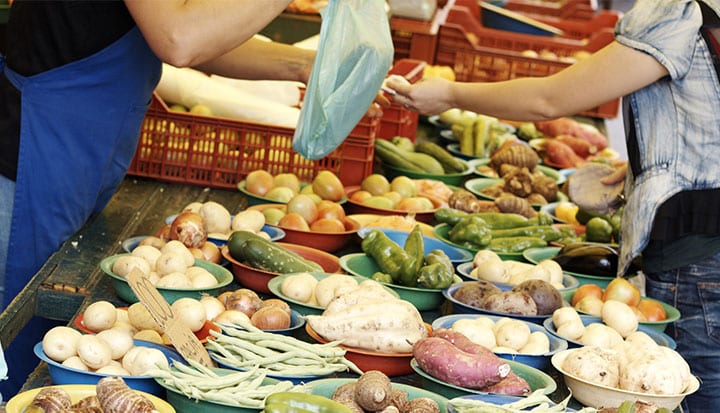
Small-scale retail, or what is often called the “traditional trade” is essential to reaching low-income consumers. The thousands of shops, kiosks, or tiendas that line the streets in many developing countries often account for the majority of retail sales and are the face of brands in most low-income communities. Although many companies, particularly in the […]
Going the Extra Mile for Labour Rights
It’s always important to have an evidence base when addressing ethical trade issues. It’s also important to acknowledge progress as well as to address any supply chain challenges. That’s why Oxfam’s five-year collaboration with Unilever in Vietnam is so useful to other companies and brands that want to be ethical leaders in their particular industrial […]
The 2016 SDG Business Forum – A Recap
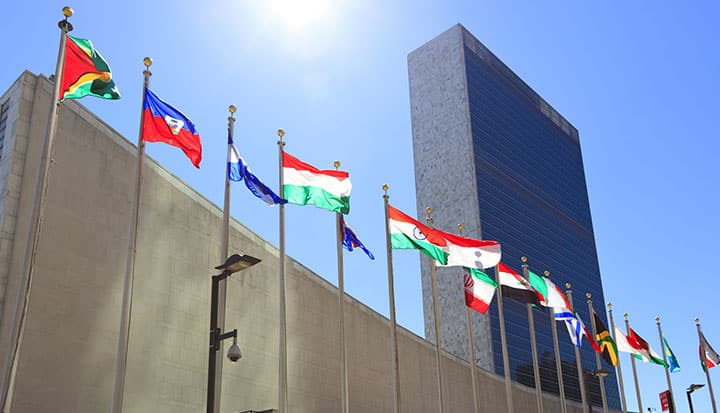
The High-level Political Forum on Sustainable Development held from July 11-20 2016 at United Nations Headquarters in New York is an annual platform for reviewing progress and guiding global efforts on the achievement of the Sustainable Development Goals (SDGs) by 2030. During the first HLPF oriented towards the SDGs, the global business community was present […]
How Can Sustainable Development Remain a Priority?
Bhaskar Chakravorti explores innovation in sustainable development amid Brexit, anti-globalisation and a worldwide slowdown. The summer is heating up with reminders that the first anniversary of the launch of the2030 Agenda is not far – and when it comes to implementing sustainable development worldwide, time passes rather quickly. The high level political forum (HLPF) on […]
Labour Rights in Unilever’s Vietnam Supply Chain
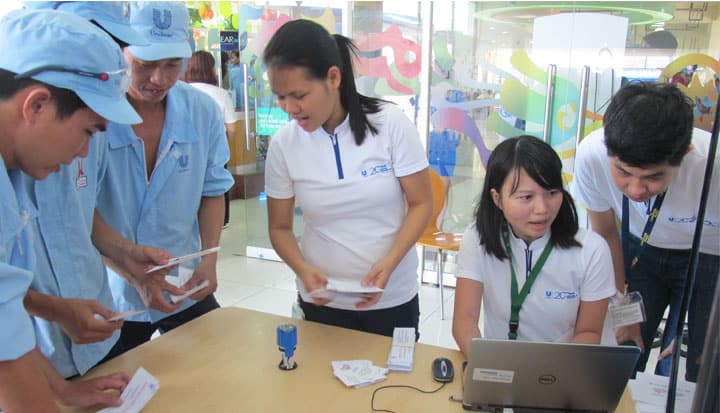
Rachel Wilshaw, Ethical Trade Manager for Oxfam, introduces their latest report on labour rights in Vietnam, a unique study done in conjunction with Unilever. Five years ago, Oxfam and Unilever agreed to an unusual study. Unilever opened up its business so Oxfam could understand how it managed labour rights, and what this meant for workers […]
Tackling Slavery in Supply Chains – What Can We Do?
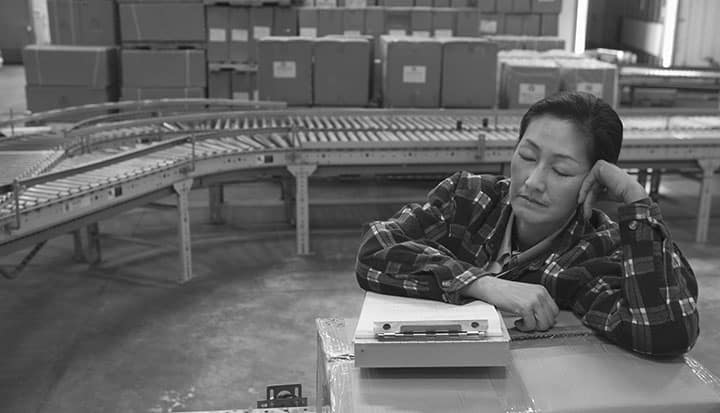
The ILO estimates that there are approximately 21 million people enslaved around the world at present – these will include many people who are in bonded labour, those trafficked and kept against their will in enslaved situations – but slavery also exists in global supply chains. Modern Slavery can also take the form of exploitation […]
Three Key Steps to Empowering Women in Global Value Chains
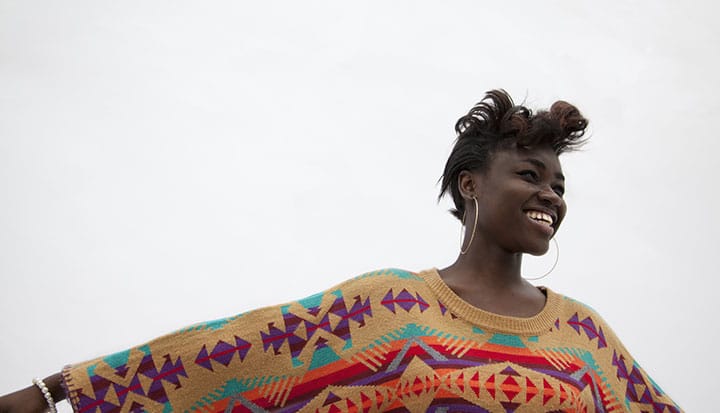
Global value chains can be a powerful lever for empowering women, but companies must identify where women work, must develop a clear gender strategy and must articulate the business case for supporting women. As the UN High Level Panel on Women’s Economic Empowerment continues to develop its thinking over the next few months, they should […]
Transforming Cotton Supply Chains in Côte d’Ivoire
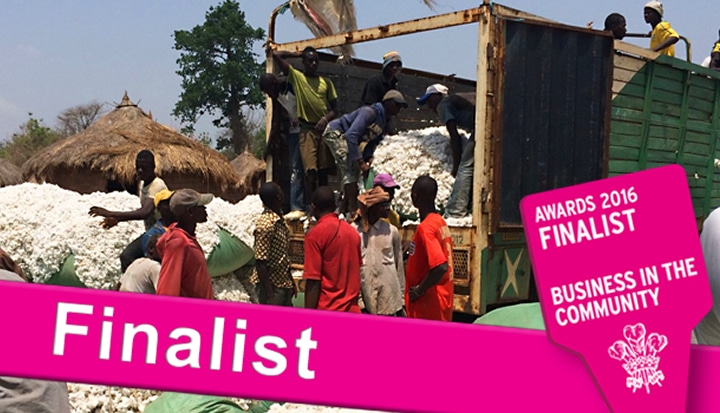
Olam International is a Finalist in the Unilever Global Development Award supported by Business Fights Poverty. We asked them some questions about their programme and the lessons learnt. Q) How did Olam International’s programme begin? When we began operating in Côte D’Ivoire in 2008 we had to consider a number of risks. The region was […]
Barriers Facing Rural Producers in Post-conflict Colombia
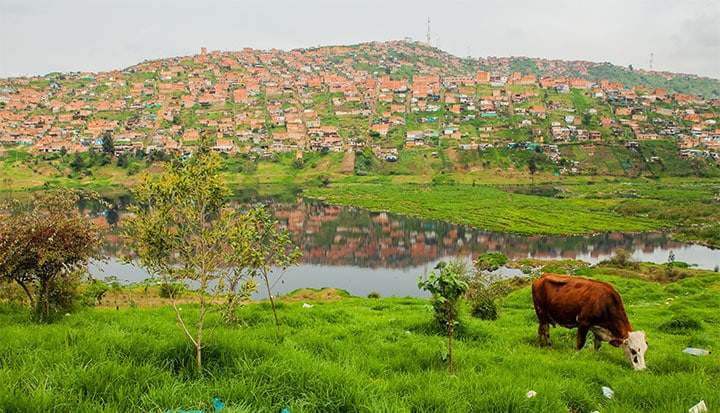
In May, as part of my role as ACRE’s (Access to Capital for Rural Enterprises) project lead, I spent ten days in Colombia scoping the impact investment space and the barriers facing rural producers in a country that it is now emerging from fifty years of civil conflict. Colombia, a country emerging from 50 years […]