New BSR Guidance Integrates Gender Equality into Supply Chain Codes of Conduct
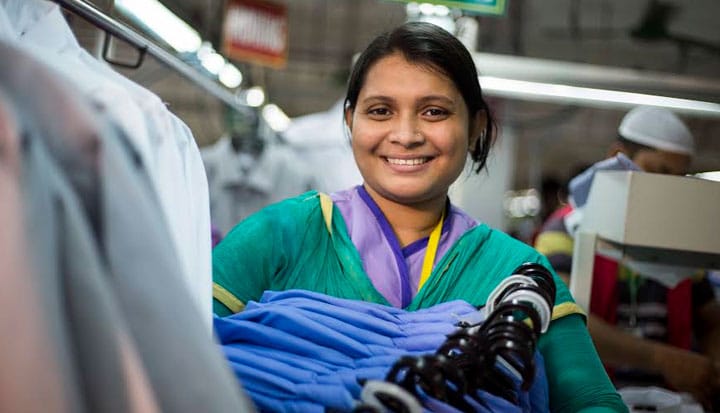
With women holding 60 to 90 percent of jobs in the labor-intensive stages of the apparel and fresh produce global supply chains, it would make sense for companies in those industries to consider women’s specific challenges when focusing on ethical supply chain management. However, until now, women have rarely been a focus of such strategies, […]
Women’s Empowerment Beyond the Paid Economy

The advancement of women’s rights and economic empowerment in market systems contributes to the economic well-being of families, communities, and nations. We are all working towards this goal and agree with the opening statement for the WEE Global Learning Forum 2017. How can we do this better? Market systems programs are increasingly targeting women’s economic […]
Growing SMEs and Young People, Together
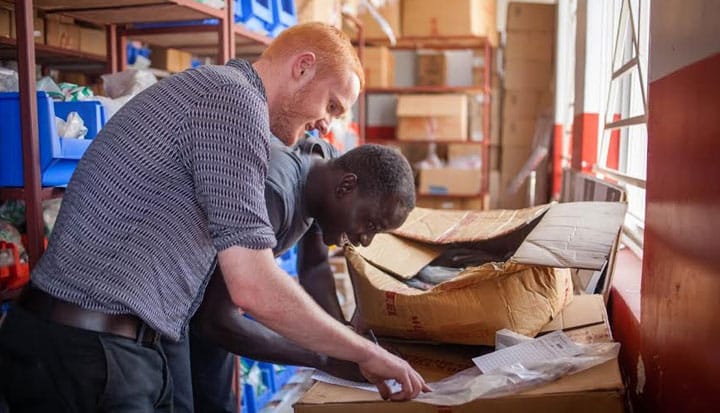
We know the statistics – worldwide more than 1 billion young people will enter the job market between now and 2030, 600 million jobs are needed globally over 15 years to keep current employment rate, 71 million young people are unemployed globally, the youth population in Africa will double to over 830 million by 2050, […]
In Defence of Aid

As Britain embarks on the process of leaving the European Union, and as we prepare to stand up as a “Global Britain”, we need to decide what it is we stand for. Our values will define and give weight to our leadership on the world stage. All of us, whether on the left or the […]
One for All, and All for One: Industry-Level Collaboration is Needed to Eradicate Forced Labour
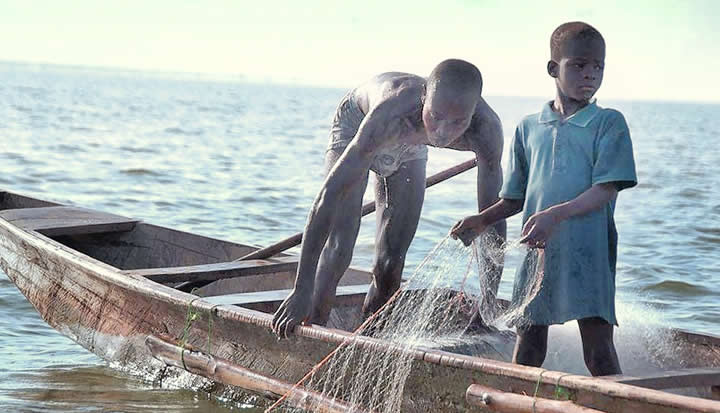
According to the ILO, nearly 21 million people are subjected to forced labour around the world (an alternative estimate from the Walk Free Foundation, which is working with the ILO to release updated figures this year, puts the number more than twice as high). This activity generates $150 billion in illegal profits every year. 71% […]
Bridging Gaps: Cross-sector Collaboration is the Future of Sustainable Business
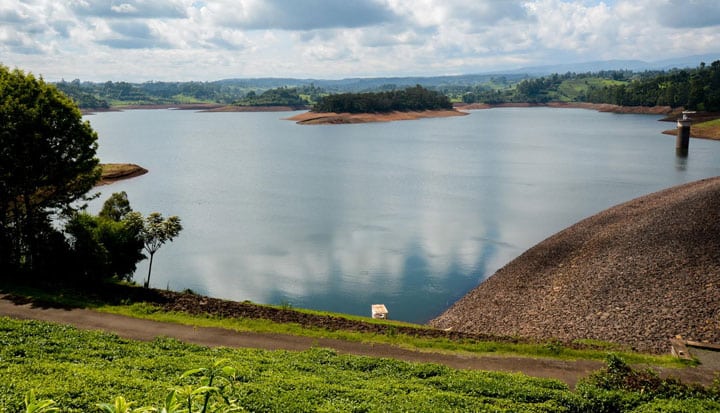
The world faces growing problems—natural resource scarcity and climate change, along with anti-trade and migration movements—that require more nimble policies, institutions and investments for sustainable development. Yet, current approaches are hobbled because they operate in silos across sectors. When stakeholders and policymakers operate in silos, maximizing one interest at the expense of everyone else’s, the […]
Solving Bangladesh’s Skills Shortage Through Apprenticeships
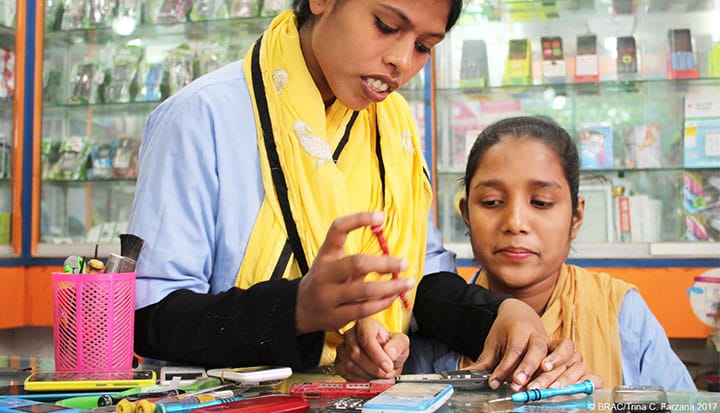
BRAC Case study on Youth Employability Bangladesh has undergone an enormous transformation over the past forty years and has long been seen as an example of how aid can support progressive, pro-poor and country driven development. But a major issue has been holding the country back; young people and businesses in Bangladesh are facing a […]
USAID Partners to Invest in Africa’s Entrepreneurs
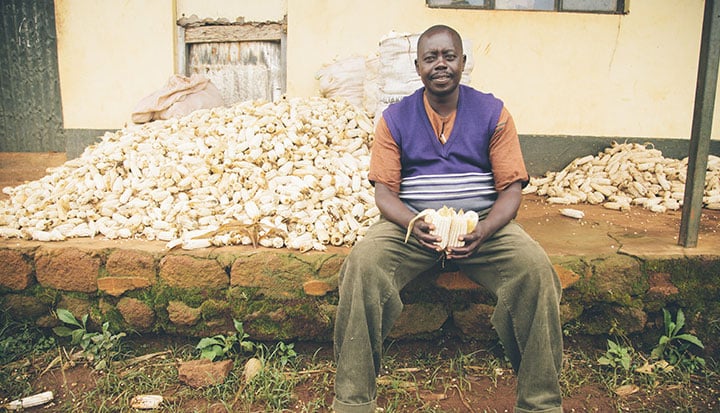
This week’s Global Entrepreneurship Congress, which brings thousands of entrepreneurs, investors, researchers, and policymakers to Johannesburg, South Africa, is an opportunity to build on the momentum of the Sankalp Africa Forum and reaffirm the development community’s commitment to invest in Africa’s entrepreneurial ecosystem. Sustainable entrepreneurship is a critical component of inclusive development. Entrepreneurs create jobs, […]
#BeBoldForChange: To Empower Women, You Need to Work with Men, Too
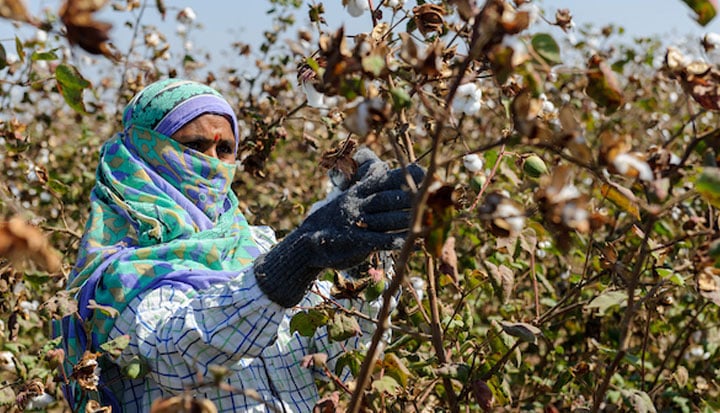
On International Women’s Day, Alison Ward explains how Cotton Connect’s work with Primark to support women cotton farmers in India is sowing transformative change by engaging both sexes. #BeBoldForChange is the theme for International Women’s Day 2017. While progress has been made around the world, the latest estimates from the World Economic Forum reveal that […]
Fairtrade Fortnight: Don’t Feed Exploitation
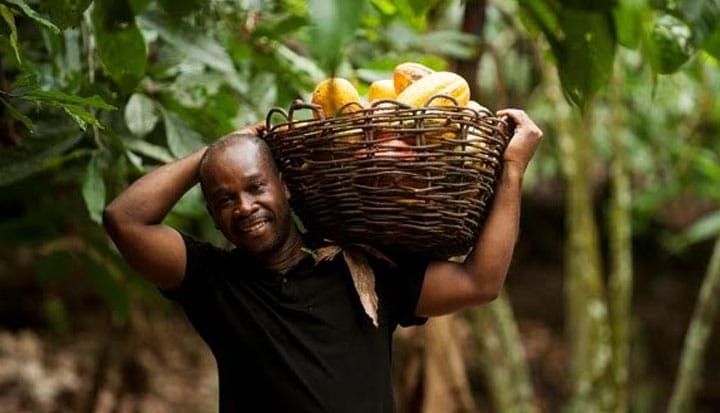
‘Let’s not accept exploitation in industry’, says Fairtrade CEO Despite an increase in global demand for cocoa and the worldwide push to tackle poverty when the Global Goals launched last year, today many farmers who grow the crop live with poverty and exploitation – in Cote D’Ivoire 80% of the population still survive on less […]
Syngenta’s Grow More Model to Increase Productivity in Sub-Saharan Africa
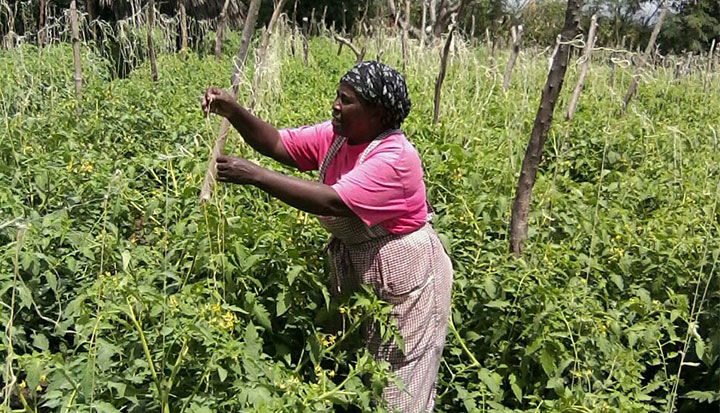
nd Samantha Krause, Strategic Initiatives Director, TechnoServe Smallholder farmers across Africa present the largest opportunity and challenge to Syngenta’s business. Limited knowledge of agronomy, cash constraints and very low confidence in produce markets trap farmers in low yield and low income cycles. Translated into numbers, it means that smallholders in Sub-Saharan Africa produce around 25% […]
Sri Lanka’s Garment Workers ‘Stand Up’ for Rights
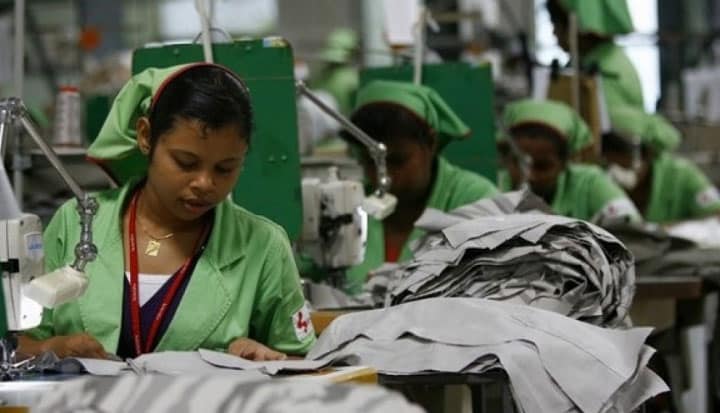
Shirone Kaushalya works in a factory producing leather jackets. But she rarely sees the finished product. The 30-year-old woman uses a hammer to pound on the ridges and bumps of raw leather until it is smooth enough for stitching. Then she hands the flattened material to the next station in production and grabs another piece […]
Making DFID’s Economic Development Strategy Work for Women
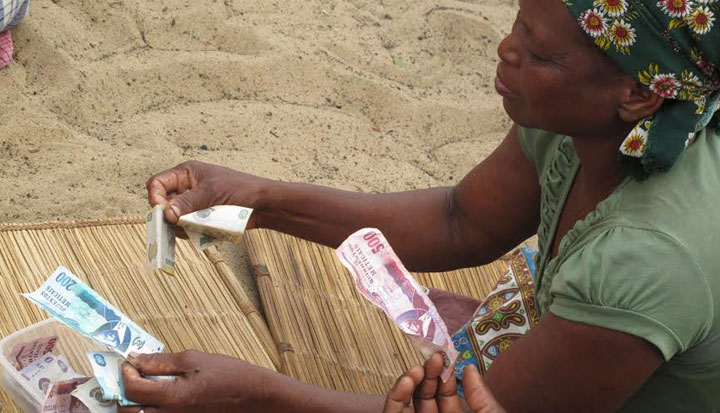
CARE firmly believes that inclusive economic development is at the core of eliminating extreme poverty and injustice. So we welcome DFID’s focus on this agenda and their long-awaited strategy, published this week. What we are most concerned about now, though, is how it will deliver for the world’s poorest women. We should be cautious about […]
Seeing Evidence of Company Action on Modern Slavery
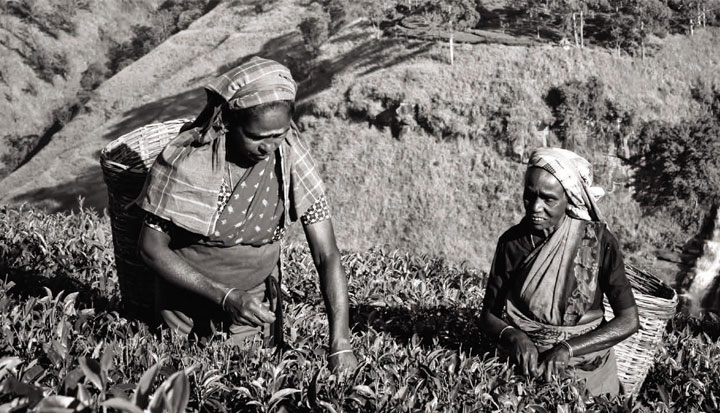
Initiative ETI is recommending that companies place their Modern Slavery Statements in the Business and Human Rights Resource Centre’s Central Registry for Modern Slavery Statements arguing that it provides the only independent, credible, free, open and accessible repository that is accountable to the public interest. In this important blog, Cindy Berman explains why. Go to […]
‘We the People’ for Social and Economic Sustainability
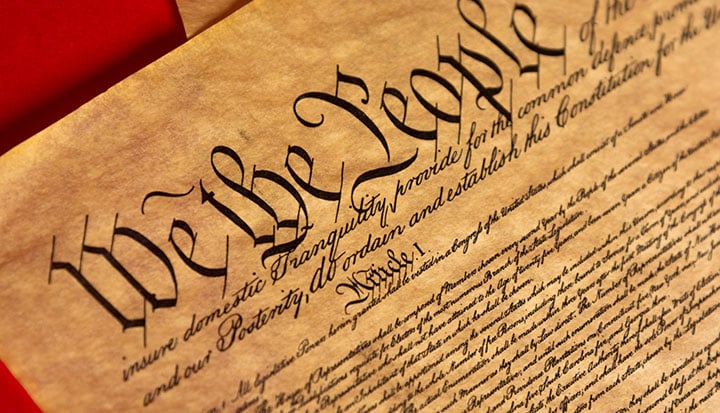
The United States, United Kingdom and the European Union are undergoing dramatic social, economic and cultural change in a volatile political environment. Donald Trump’s victory was the outcome of years of disturbing world events, a turbulent financial system, and economic stagnation in the U.S. In the wake of the election, the political system being scrutinized, […]
Delivering the SDGs through Ethical Trade
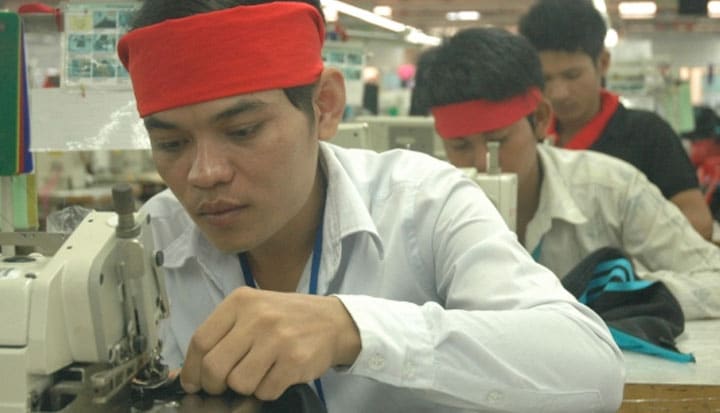
ETI’s newest guide on ethical trade and the SDGs shows how the Sustainable Development Goals (SDGs) are relevant to ethical trade and workers’ rights, particularly SDG8 on decent work and sustainable development, as well as other key goals. It also sets out the relationship between the SDGs, the UN Guiding Principles on Business and Human […]
Why Business and Social Protection are Not Contradictory but “Two Sides of the Same Coin”

Longstanding (mis-)perception of the distinctiveness of business ambitions and Social Protection (SP) goals has inhibited identification of joint opportunities to leverage synergies for effectively addressing needs with market based solutions. This discussion is increasingly relevant for protracted (often chronic displacement) crises caused by conflict or weather induced disasters that create and exacerbate existing vulnerabilities among […]
Building Resilience Among Micro Entrepreneurs in the Philippines
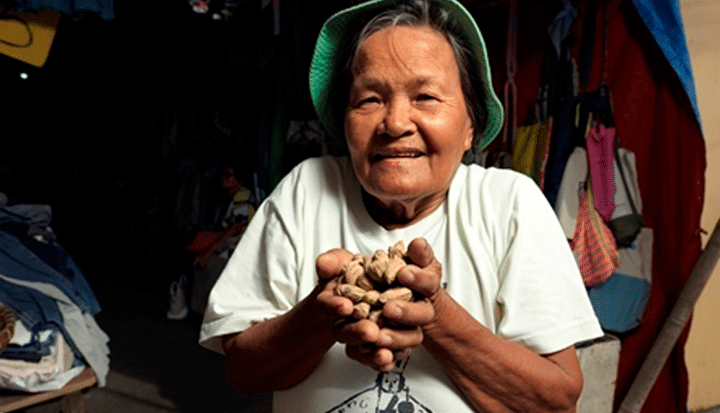
The Philippines ranks third in the list of countries in the world where a natural disaster is most likely to occur, after the Pacific islands of Vanuatu and Tonga. Although it is also prone to earthquakes, flooding and droughts, it is typhoons that strike the Philippines most frequently. The state weather bureau PAGASA estimates that, […]
Combatting Illegal Logging with a Responsible Timber Exchange

The illegal production and trade of tropical timber is one of the main drivers of environmental degradation worldwide, leading to loss of habitats and biodiversity, greenhouse gas (GHG) emissions, human rights abuses and corruption. Sustainable forest management can provide livelihoods for forest peoples, and economic activity in rural areas, but these benefits are erased when […]
Emerging Lessons on Scaling Inclusive Distribution Networks
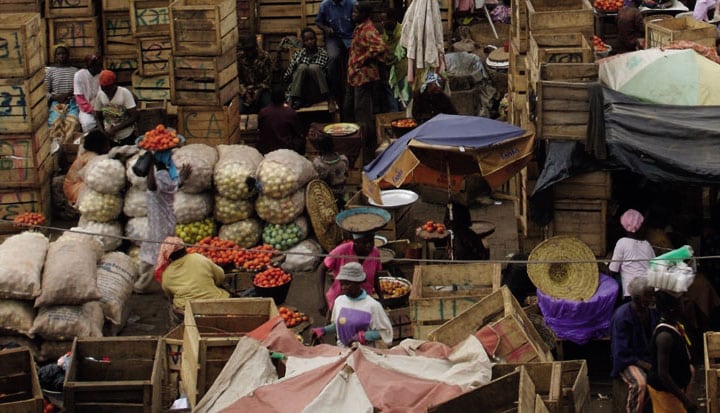
One of the most difficult and underestimated hurdles to doing business in low-income markets is figuring out how products make their way from production to the final customer. In India, more than 90 percent of all retail purchases are made in 12 million kirana stores and in Mexico, more than 50 percent of retail business […]