Is Your Company Ready to Engage with the SDGs through Inclusive Business?
SDG engagement can take the form of a tested and decade-old concept: inclusive business. A new report helps companies assess how ready they are to incorporate it. These are unsettling times. The promise of globalisation is being increasingly eclipsed by political uncertainty and a rising tide of nationalism and protectionism. In listening to workers displaced […]
One for All, and All for One: Industry-Level Collaboration is Needed to Eradicate Forced Labour
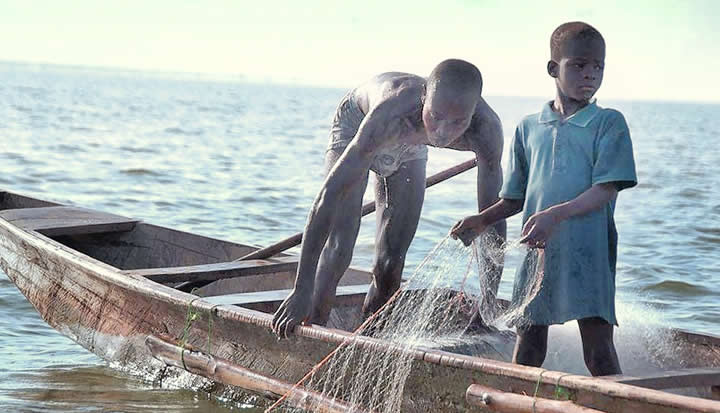
According to the ILO, nearly 21 million people are subjected to forced labour around the world (an alternative estimate from the Walk Free Foundation, which is working with the ILO to release updated figures this year, puts the number more than twice as high). This activity generates $150 billion in illegal profits every year. 71% […]
Improving Services in Low Income Markets

For businesses selling products and services at the base of the pyramid, understanding low-income consumers and the choices they make is critical to meeting customer needs, boosting sales, and delivering real value. Inclusive business Dr. Consulta run a network of medical centres that provide primary and secondary care in São Paulo, Brazil. With over 85,000 […]
Black Swans and the Future of Energy

Energy experts now confidently predict that by 2040, solar and wind will drive no less than 60% of global power; natural gas will replace the lion’s share of the burning of coal, and the market for electric cars will soar. Nassim Taleb, on the other hand, questions the ability of experts to predict just about […]
Inclusive Distribution: The Secret to Securing a Route-to-Market
Fast-moving consumer goods (FMCG) companies are well aware that emerging and developing markets represent their greatest growth opportunity. 90 percent of Unilever’s global growth and Procter & Gamble’s only growth came from emerging markets during 2008-2014. Yet, with the majority of population growth over the next 35 years expected to be in today’s developing countries, […]
The World Can’t Wait for Sewers
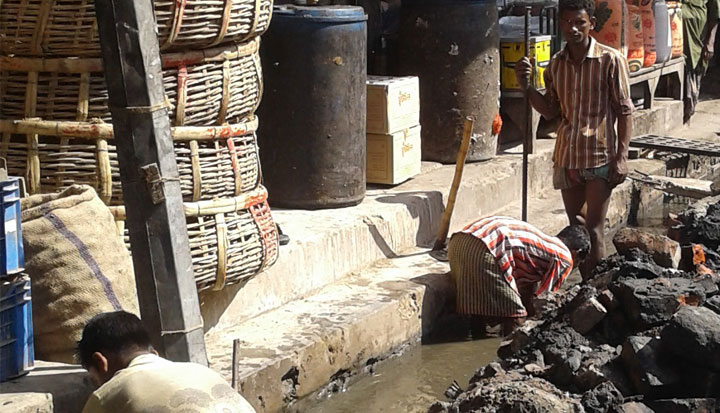
For many people living in low-income urban areas, a flush toilet or sewer connection is little more than a pipe dream. Often the infrastructure doesn’t exist or can’t be constructed in such densely populated or topographically challenging areas, or service fees are simply too high. The world needs a viable, high-quality alternative to piped sanitation […]
The World Can't Wait for Sewers
For many people living in low-income urban areas, a flush toilet or sewer connection is little more than a pipe dream. Often the infrastructure doesn’t exist or can’t be constructed in such densely populated or topographically challenging areas, or service fees are simply too high. The world needs a viable, high-quality alternative to piped sanitation […]
Syngenta’s Grow More Model to Increase Productivity in Sub-Saharan Africa
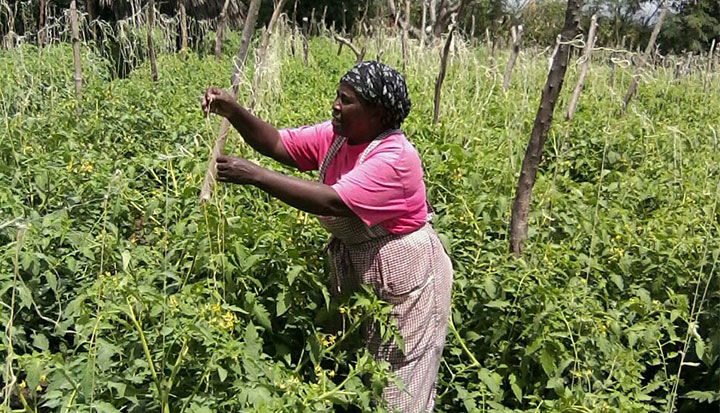
nd Samantha Krause, Strategic Initiatives Director, TechnoServe Smallholder farmers across Africa present the largest opportunity and challenge to Syngenta’s business. Limited knowledge of agronomy, cash constraints and very low confidence in produce markets trap farmers in low yield and low income cycles. Translated into numbers, it means that smallholders in Sub-Saharan Africa produce around 25% […]
SABMiller/ AB InBev’s Local Sourcing in Africa
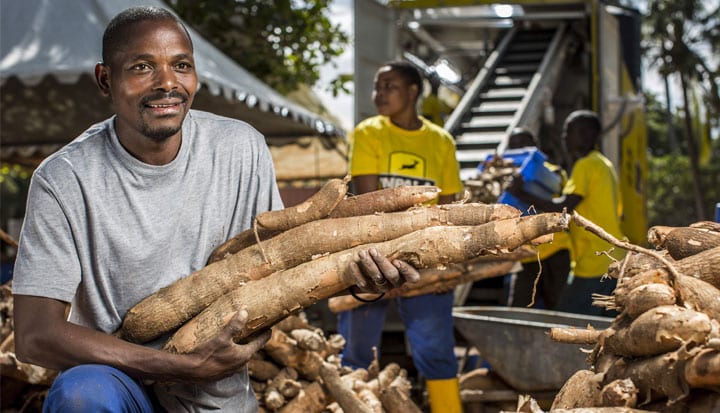
SABMiller plc, which combined with AB InBev in October 2016, has been a pioneer in promoting local sourcing in Africa. Many of the company’s subsidiaries in Africa have created new brands and brewing processes which incorporate locally grown crops such as sorghum and cassava. This is based on a win-win-win model where: Local businesses can […]
The Kellogg Company’s Smallholder Sourcing

Kellogg has set bold sustainability and emerging markets growth targets, including supporting the livelihoods of 500,000 farmers and doubling its emerging market sales by 2020. The company recognizes the great potential that developing smallholder-inclusive agricultural supply chains in emerging markets could have in supporting these business and social impact objectives. Sustainability groups across many multinational […]
The Coca-Cola Company and India’s Mango Farmers
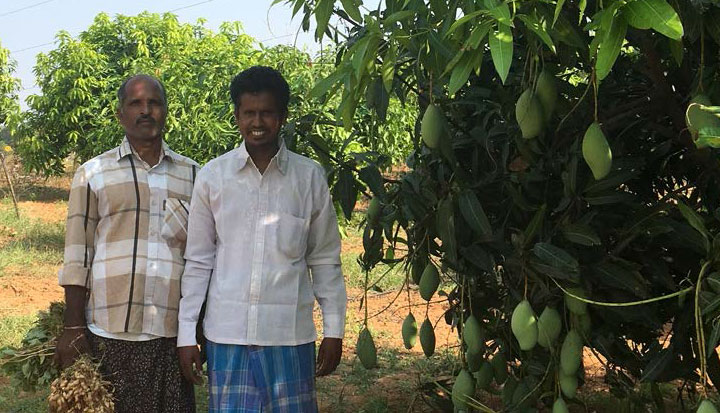
A typical smallholder mango farmer in India earns between just $4 and $16 per day. One of the reasons is that they have trouble accessing stable, profitable markets for their crops. Meanwhile, international corporations, like The Coca-Cola Company (TCCC), view smallholder sourcing as an important part of their long-term goals; beyond its potential to generate […]
Designing Win-Win Relationships between Business and Smallholders
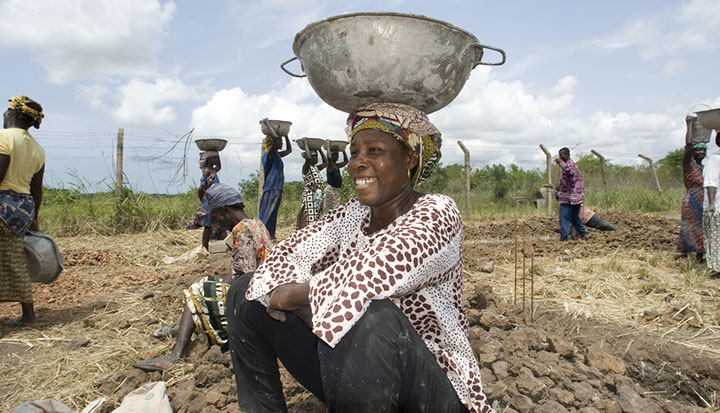
Around the globe, there are about 200 million smallholder farmers involved in commercial supply chains. And while many multinational corporations have made commitments to increase their investments in sustainable supply chains and distribution models that engage these smallholders, these initiatives have often struggled to gain real traction. That observation spurred a unique partnership: with support […]
Candid Reflections on How Companies and Donors Collaborate

Are you already collaborating in a business-donor partnership, seeking one, or nursing bruises from one? Such collaborations are increasingly common, but it’s rare that we hear candid views from businesses and donor programmes alike, on what worked, what didn’t, and what tips they can offer others. This month on the Practitioner Hub for Inclusive Business, […]
Why Business and Social Protection are Not Contradictory but “Two Sides of the Same Coin”

Longstanding (mis-)perception of the distinctiveness of business ambitions and Social Protection (SP) goals has inhibited identification of joint opportunities to leverage synergies for effectively addressing needs with market based solutions. This discussion is increasingly relevant for protracted (often chronic displacement) crises caused by conflict or weather induced disasters that create and exacerbate existing vulnerabilities among […]
Top 10 Discussions of 2016

2016 saw our 100th online discussion, with over 1,300 comments posted over the course of the year! Online discussions have played a central role in our new Challenges as a way for members to share insights on the Challenge question. From next year, we will be upgrading our discussion forum to make it easier to […]
Emerging Lessons on Scaling Inclusive Distribution Networks
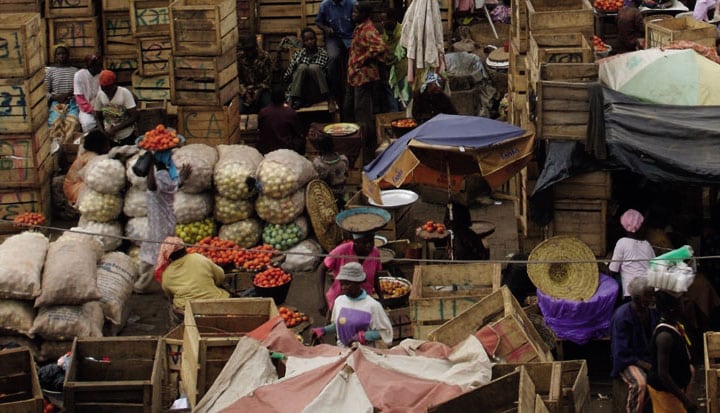
One of the most difficult and underestimated hurdles to doing business in low-income markets is figuring out how products make their way from production to the final customer. In India, more than 90 percent of all retail purchases are made in 12 million kirana stores and in Mexico, more than 50 percent of retail business […]
The Inclusive Innovators
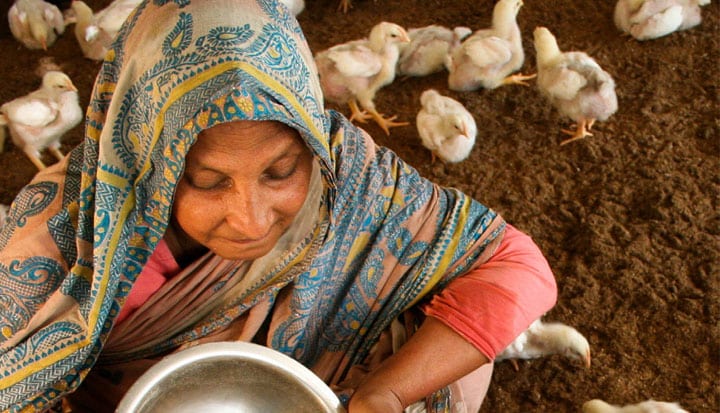
Inclusive business — the pursuit of opportunities in traditionally unattractive or currently unprofitable market segments – is, increasingly, a strategic imperative for companies. Foregoing such segments could mean opening the door to disruption and closing it to options for future growth; this is an especially crucial concern that relates to developing economies, which represent the […]
The Social Enterprise Landscape: Good News First or Bad?
Discovering New-found Respect for Philanthropy

Ernst & Young Global Limited I’ve always had a bit of a downer on corporate philanthropy, having tended to equate it with first generation sustainability strategy and practice – a model based on ‘giving something back’ that often pays little or no heed to what the corporation takes in the first place. In so doing, […]
One Year of Inclusive Business Models in Bangladesh
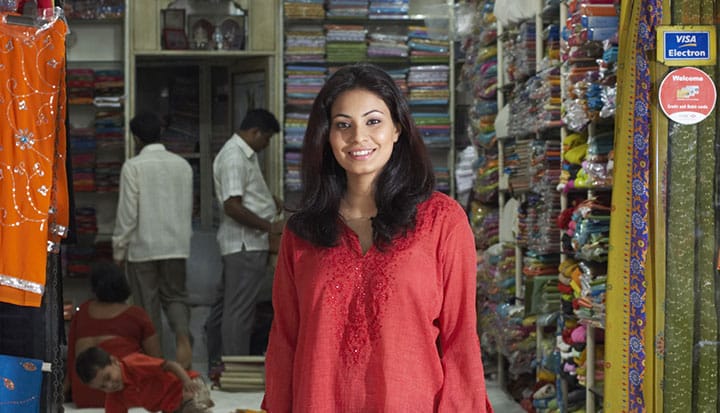
Six Inclusive Business (IB) models dedicated towards SRHR were launched on the 25th August, 2016. In the last one year, the project has relentlessly worked to establish a sustainable solution to the Sexual and Reproductive Health and Rights (SRHR) of 3.5 million female Ready Made Garments (RMG) workers. In the continuous effort to improve lives […]