Success on Every Corner: How Mom-and-Pop Shops Can Drive Growth in Africa
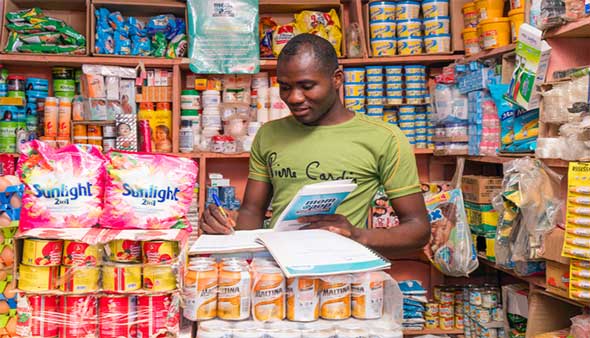
Peter Kimeu had a job working in hotels around Nairobi, Kenya, but his wages weren’t enough to support his family. After looking for an opportunity to improve his earnings, he decided to use his savings to open a duka—a small, neighborhood store selling basic consumer goods. The only problem was that Peter had never run […]
5 Ways Local Markets Help Refugees Rebuild Their Lives
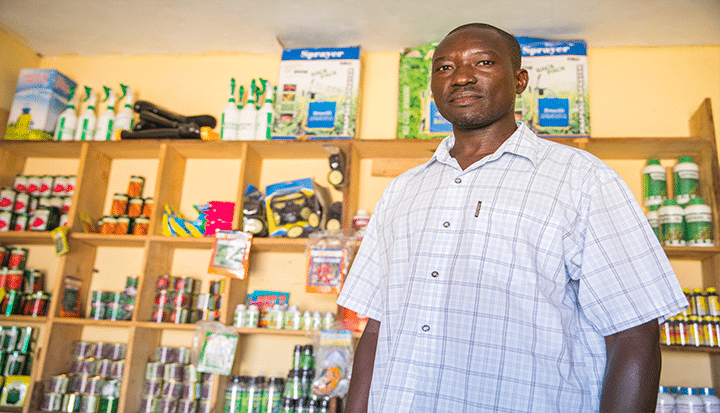
For four years, Uganda’s neighbour, South Sudan, has been at war with itself. This has resulted in two million people having had to flee their country, including one million to Uganda. 80 per cent of these are women and children. They are families who have lost loved ones, their homes, their land and their livelihoods, […]
Affordability – Beyond the Buzzword
Affordability is at the core of much of our work as impact investors – from affordable electricity to housing, food, healthcare, education and many more. Yet ask someone to define what it means, and you may be met with little more than a blank stare. We recently conducted a straw poll of 20 impact investment […]
Female Employees Fast Tracked From Line Workers to Supervisors
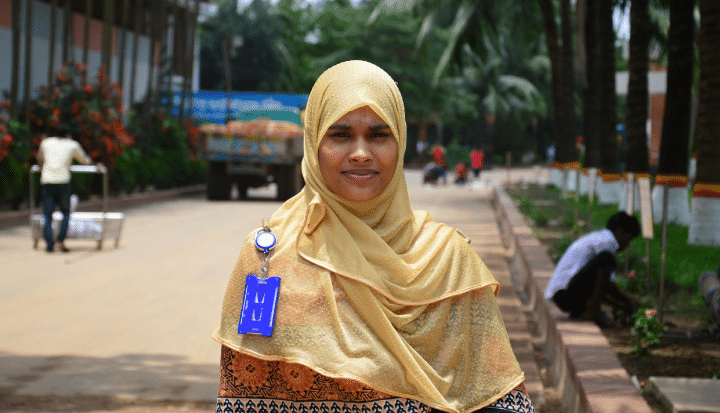
The readymade garments (RMG) industry in Bangladesh is the greatest contributor to female employment in Bangladesh; over 3.2 million of its employees live at the bottom of the economic pyramid (defined as people with less than US$10 per day in purchasing power in 2015 US dollars). Recognising this, at DBL Group we have focused on […]
A Collective Approach for Last Mile Distribution
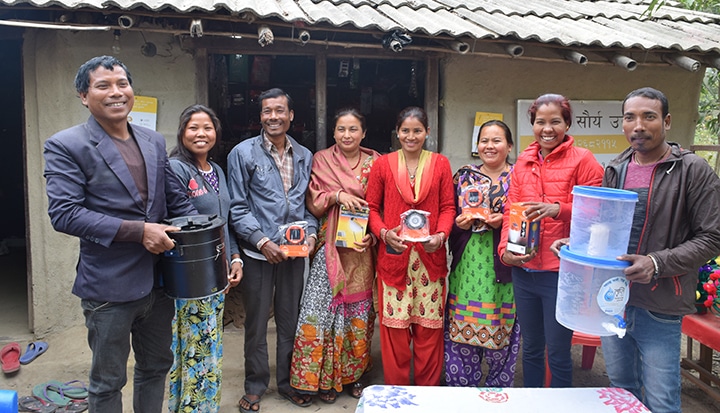
By Emma Colenbrander, Practical Action Billions of people worldwide lack access to everyday products that are fundamental to a better life. Products like solar lights, water filters and clean cooking solutions are transformative for poor families, and essential to achieving the Sustainable Development Goals. A range of businesses – called ‘last mile distributors’ – work […]
The Agricultural Models We Want Tomorrow
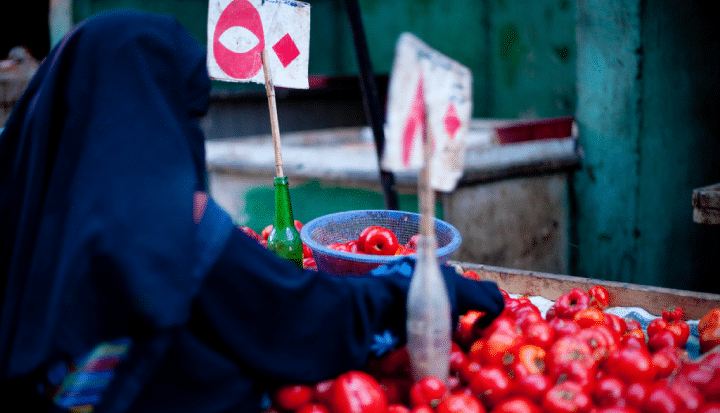
Rana, 45-year-old Egyptian mother of three, sells her vegetables on a wooden cart at the side of a dusty and bustling road in the heart of the Sayeda Zeinab district of Cairo. She stands there from sunrise to sunset every day to earn enough money to feed her children. Despite a relatively steady flow of […]
Access to Energy Through Mobile Is Changing Lives
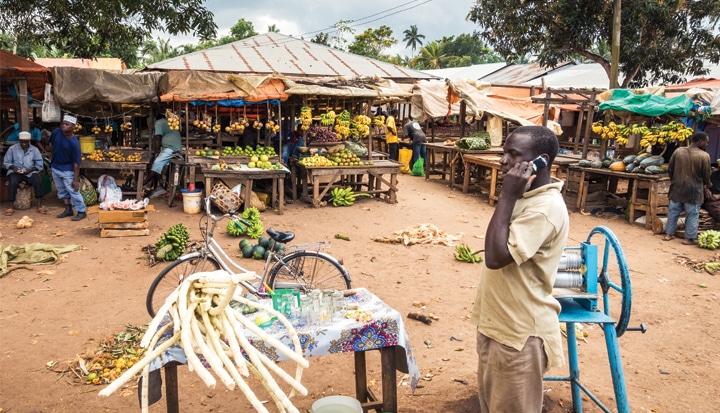
Over the last decade, the rapid growth of the mobile industry in developing countries has surprised observers. Access to mobile has increasingly outpaced access to basic services such as energy, water and sanitation. In fact, due to the slow expansion of the traditional energy grid, 1.2 billion people around the world still live without access […]
Delivering on the Promise of Inclusive Business
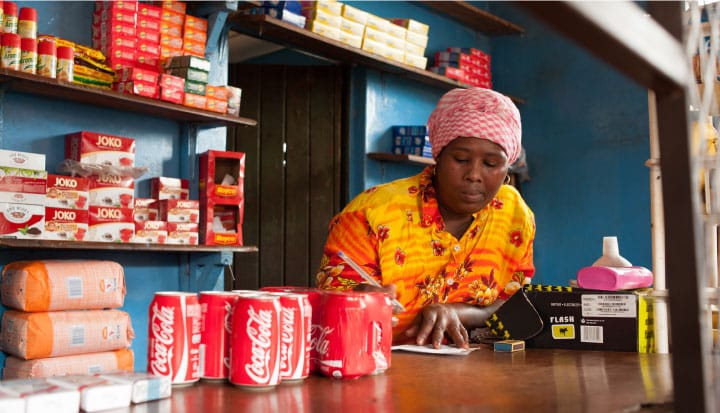
Back in November 2008, on a hot, dusty day in Dar es Salaam, I vividly remember the moment I met Lillian Kessy. I was immediately struck by her confidence, dignity and determination. Only a year earlier, Lillian was in a desperate financial situation. By the time I met her, she was busy building a small […]
How Host Country Business Can Benefit by Engaging Migrants/Refugees as Consumers and Employees

Whether voluntary or forced, migration trends indicate an increase in flows which require urgent, innovative responses. The estimated numbers of international (across country borders) and internal (within country borders) migrants are 244 million and 740 million respectively, representing one seventh of the world’s population. Migrants move predominantly for voluntary reasons, but 65 million are forcibly […]
How Can We Create an Enabling Environment for Inclusive Business?
How can we create an enabling environment for inclusive business? When I started to work on this question on behalf of the DCED’s Business Environment Working Group, I expected a relatively straightforward scan of the literature – after all, quite a bit has now been written about what governments can do to help inclusive business […]
How to Achieve Financial inclusion through Data-free Mobile Banking
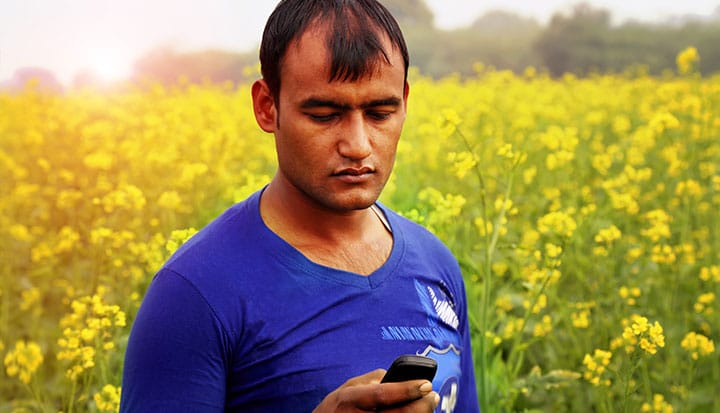
Two billion people, or 45% of the developing world’s adult population, do not have a bank account, other financial institution or mobile-money service.[1] Financial services are the lifeblood of an economy, giving households the ability to save, invest, and protect themselves against risk. The promise of digital technologies can give more people access to financial […]
Designing for People, Not Problems, Will Help Us Tackle the Global Sanitation Crisis
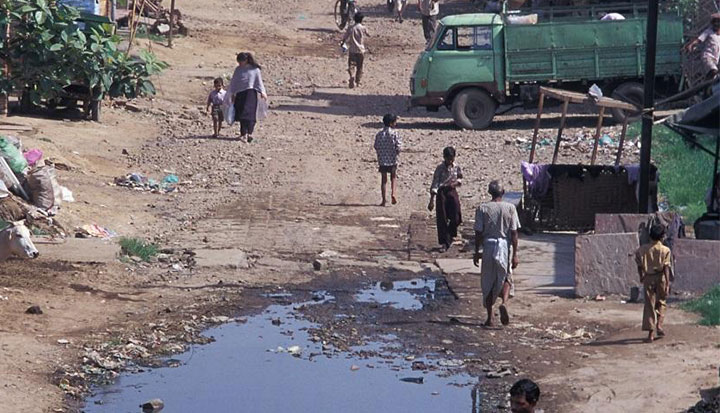
Toilets have transformed the way we live today. From health, to safety, to convenience – being able to access a toilet from the comfort of our own home no longer seems like a luxury. That’s why to many of us, World Toilet Day – which takes place this week on 19th November – may seem […]
How Financial Inclusion Can Move People Out of Poverty
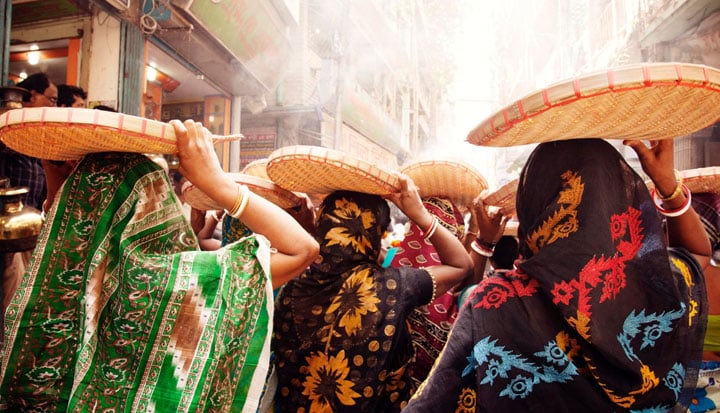
By Nina Nieuwoudt, Global Product Development, New Consumers Around the world this week, governments, multilaterals, and companies are coming together to celebrate Financial Inclusion Week. It’s an opportunity to reflect on the progress that we’ve made in extending financial access to un-banked and underbanked communities, and also a time to take honest stock of how […]
Food Processing as the Missing Link in Africa’s Value Chains
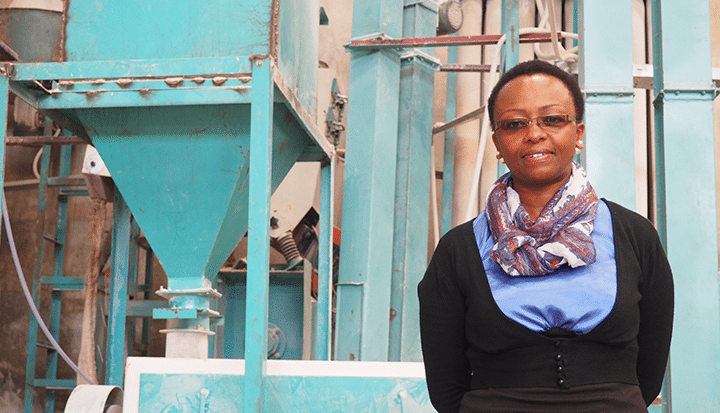
In 1998, Pauline Kamau started her maize-milling business with a few machines in her mother-in-law’s basement in Kenya. Soon, the business grew to fill a small factory. She hoped to supply her community with high-quality maize flour, which is the local staple food, but demand outstripped her production capacity: “It was a good problem when […]
Last Mile Financial Inclusion: What Will It Take to Reach More Rural Women?
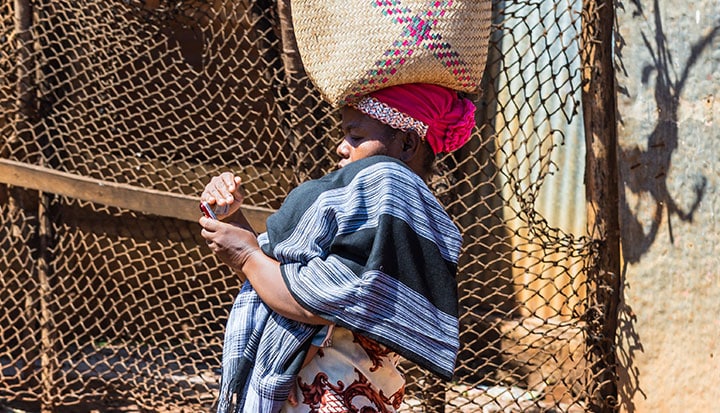
Digital services – with their geographic reach, ease of use, and transparency – are driving financial inclusion and alleviating poverty. But are rural women being left behind? Financial inclusion is unlocking the potential for micro and small enterprises in poor and rural communities to grow, and reducing gender inequalities. Women with access to financial services […]
Lessons in Corporate Social Innovation

Interview withJustin DeKoszmovszky, Co-Founder and Chief Impact Officer, INBONIS Justin, first of all, please introduce yourself to the Business Fights Poverty community. I work at the intersection of strategy, sustainability and innovation. I started my career as a strategy consultant, and as time went by, I began looking for ways to apply those skills to […]
Using Customer Data to Crack the Last-mile Distribution Challenge
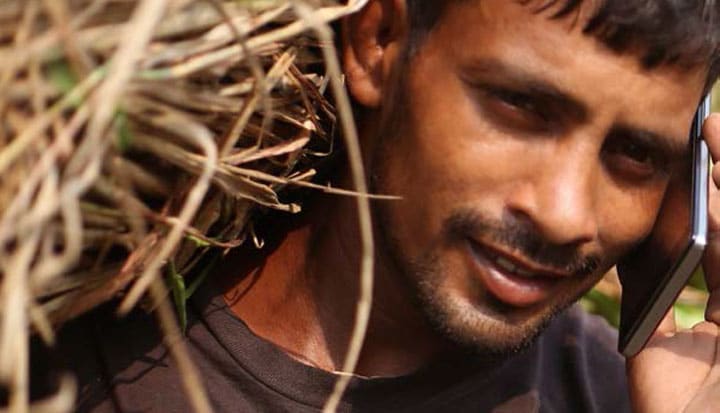
You can’t manage what you don’t know. While we’d probably all subscribe to that maxim, it’s one that rings especially true for organizations seeking to serve the more than four billion low-income people living at the base of the pyramid (BoP). BoP markets have long been heralded for their potential to drive economic growth and […]
Driving Inclusivity in African Agriculture

Concordia recently participated in the Inaugural International Congress for African Agribusiness and Trade (ICAAT) at Rutgers University, an event that brought together African agricultural and political leaders with bilateral and multilateral institutions, overseas development organizations, U.S. agribusiness, agricultural investors, technical and policy experts, and African civil society representatives. The conference highlighted the importance of aligning […]
Scaling Inclusive Business Models at the Nexus of Poverty and Environment

Scaling Inclusive Business Models at the Nexus of Poverty And Environment: Case Studies from the Philippines To date, many actors involved in poverty alleviation and environmental protection have operated in silos. Although both sectors follow ecosystem approaches, in the first, impact is seen as positive and desirable, and in the latter, impact is seen as […]
Impact Sourcing and Inclusive Supply Chains

An Interview with Tim Hopper, Manager of Responsible Sourcing Initiatives, Microsoft Recently, BSR’s Global Impact Sourcing Coalition (GISC)—which seeks to create more inclusive supply chains through procurement—published “The Autism Empowerment Kit,” which offers recommendations and resources for employers to provide workplace accommodations that empower employees with autism. Microsoft, one of the sponsors of this kit, […]