IDB’s SCALA Program Shares Lessons on Engaging Micro-distributors
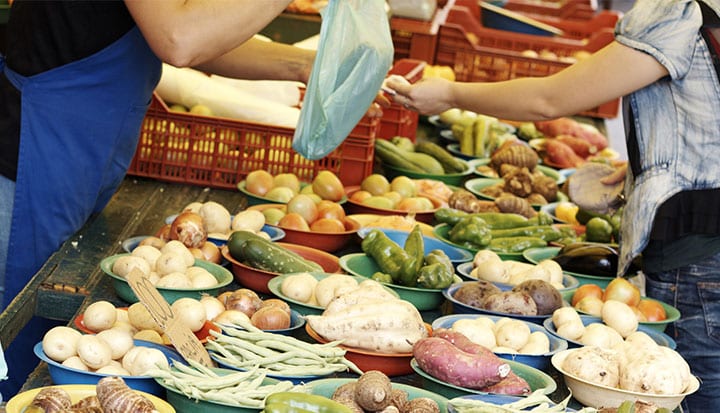
Small-scale retail, or what is often called the “traditional trade” is essential to reaching low-income consumers. The thousands of shops, kiosks, or tiendas that line the streets in many developing countries often account for the majority of retail sales and are the face of brands in most low-income communities. Although many companies, particularly in the […]
Empower a Woman and a Whole Community Will Thrive
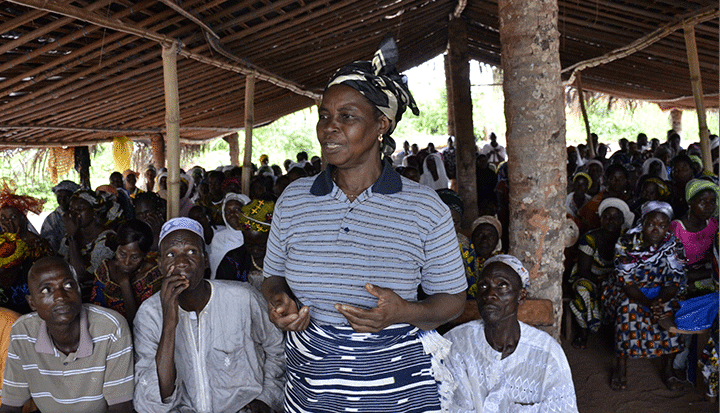
Empowering women benefits everyone and is essential for cocoa growing communities to thrive. Research shows that increasing women’s involvement leads to improved financial management by farmers, better education of youth and more sustainable, thriving communities. Cocoa Life, Mondelez International’ cocoa sustainability program, is deliberate about promoting women’s empowerment. Cocoa Life has worked to mainstream gender […]
Supporting SME Growth through Innovation and Partnership
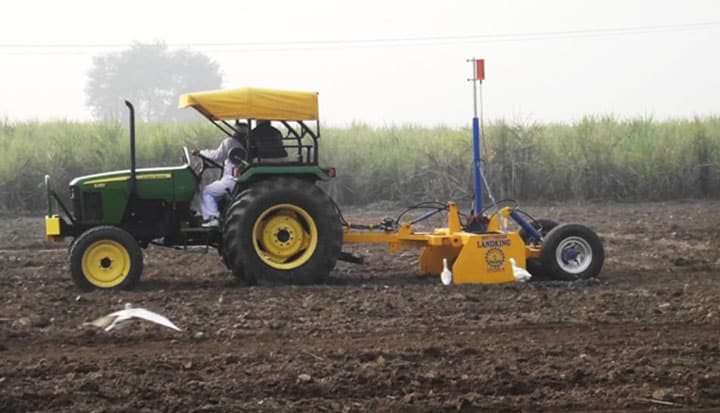
This week Connect to Grow launches its first public report ‘Supporting SME growth through innovation and partnership’ – a review of the landscape. The report provides a baseline for what is currently known about the role of innovation and partnership in SME growth. But it is much more than a literature review. It also draws […]
Economic Empowerment for Women in the Bangladeshi Garment Sector
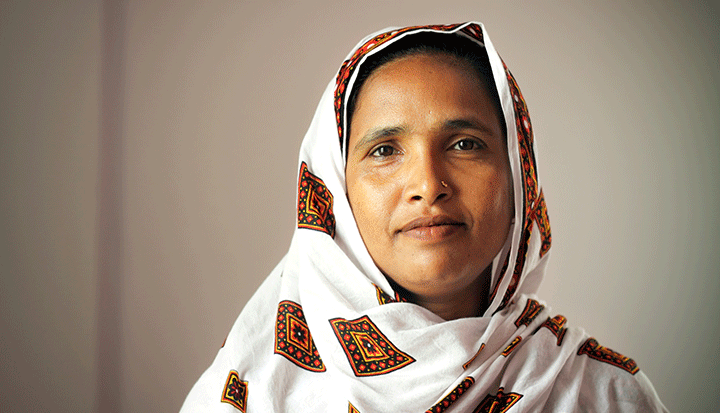
This article forms part of a series we are featuring on the Women’s Economic Empowerment Challenge over the course of the summer while the UN High Level Panel continues work on its first report, due to be published in September 2016. Each article in the series will showcase an example of how companies are supporting […]
Building the Social Enterprise Eco-System in Thailand
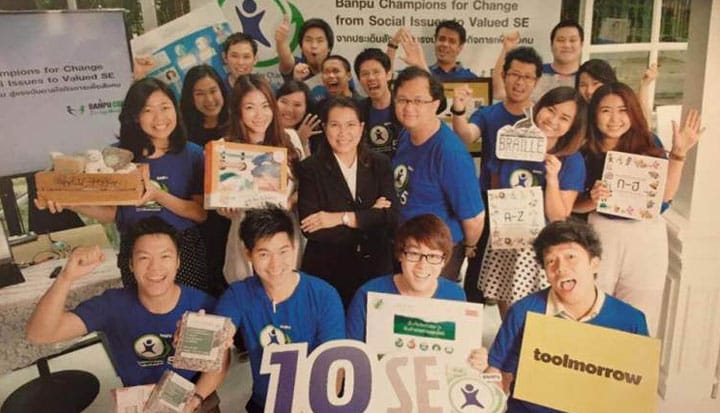
In South East Asia, 95% of coral reefs are endangered. In Thailand the richest quartile of the population own around half of the country’s income, whilst the poorest quartile have less than 10%. Only 38% of the population are educated to a secondary level and social and environmental problems are rife. The Thai Social Watch […]
Access to Finance, Gender Bias and Climate Change Resilience for Smallholders
Olam expands on lessons learned from 5 years of the Olam Livelihood Charter Despite extensive progress being made under its Livelihood Charter, global agri-business Olam predicts that smallholder productivity across Africa, Asia and South America will still be massively hindered by lack of access to finance, equality for women and climate change impacts, unless far […]
Refelctions on the Corporate Response to HIV/AIDS

This interview with Kelly Curran, Director of HIV/AIDS and Infectious Diseases at Jhpiego, is the first in a four-part series in which experts reflect on the progress made since the groundbreaking AIDS 2000 Conference in Durban and the challenges that remain. The 21st International AIDS Conference is being held in Durban, South Africa, July 18-22. […]
An Introduction to GBCHealth’s HIV/AIDS Expert Interview Series

Bolstered by the global multisector response to Ebola and Zika over the past two years, I have found myself reflecting on the origins of business engagement in the HIV/AIDS pandemic when MTV Networks and the Financial Times came together with four large pharmaceutical companies to start the Global Business Council, which eventually became GBCHealth. Since […]
Socio-cultural Interventions to Increase Women’s Access to Finance
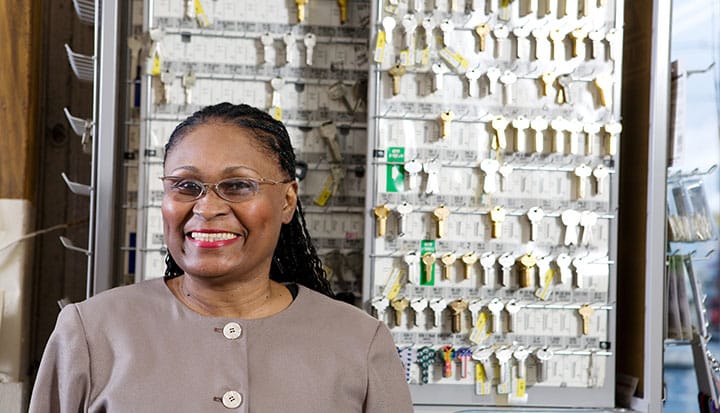
By now, we know that women – especially in the developing world – have less access to finance than men. Business has an important role in levelling the playing field through interventions aimed at easing constraints on the demand-side (awareness of financial products or business and literacy training), the supply side (designing financial products and […]
Unleashing Inclusive Business for the SDGs

On 5th June 2016, Business Call to Action (BCtA), in cooperation with The Partnering Initiative (TPI), SNV Netherlands Development Organization, UNDP Bangladesh and Business Fights Poverty hosted an exclusive invite-only event introducing Inclusive Business in Bangladesh to achieve the Sustainable Development Goals – a part of the 2030 Agenda for Sustainable Development. The primary objective […]
Empowering Women in the Supply Chain
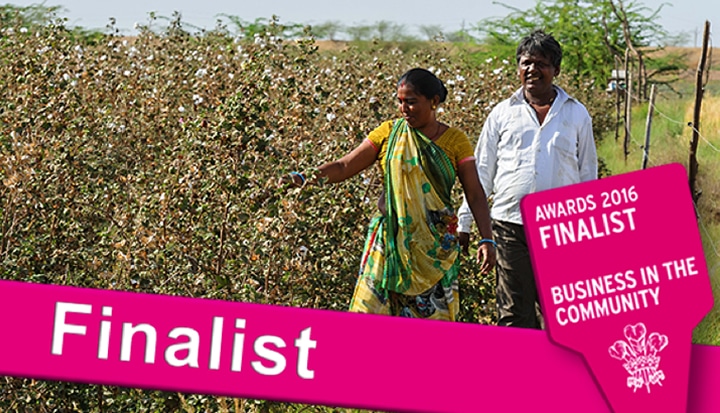
Primark is a Finalist in the Unilever Global Development Award supported by Business Fights Poverty. We asked them some questions about their programme and the lessons learnt. Q) What challenge does Primark’s programme serve to change? Like almost every other fashion retailer, Primark products are made in countries like India where wages are lower and […]
Saving the Lives of One Million Children
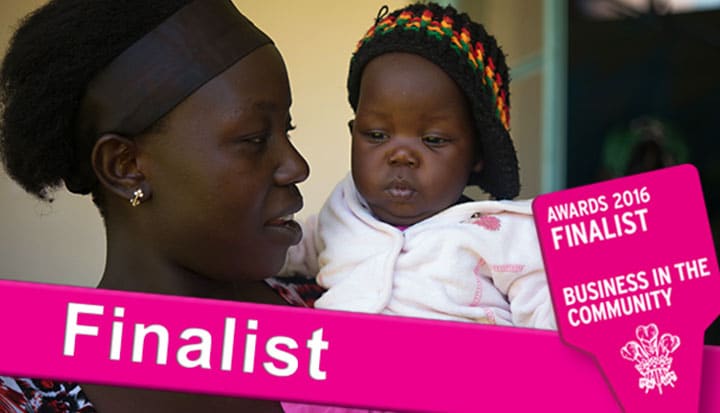
GSK’s partnership with Save the Children is a Finalist in the Unilever Global Development Award supported by Business Fights Poverty. We asked them some questions about their programme and the global development impacts achieved. Q) What challenge does the GSK-Save the Children partnership serve to change? In 2015, 5.9 children under the age of five […]
Bringing Sustainable Energy to Informal Settlements
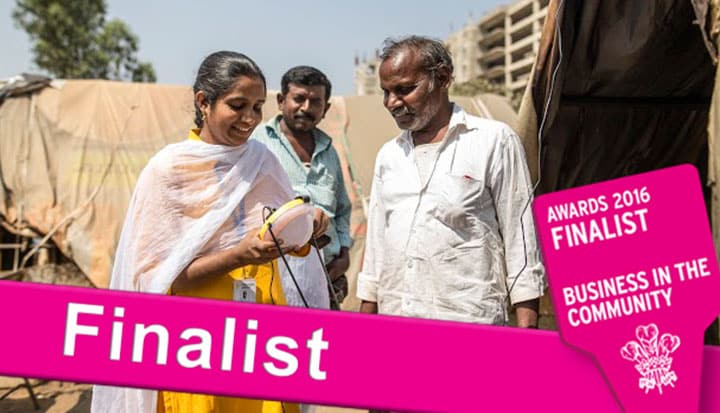
Pollinate Energy is a Finalist in the Unilever Global Development Award supported by Business Fights Poverty. We asked them some questions about their programme and the lessons learnt. Q) What challenge does Pollinate Energy’s programme serve to change? 400 million people live in India without electricity. Wood cooking fires and kerosene lamps cause epidemic levels […]
Tackling Slavery in Supply Chains – What Can We Do?

The ILO estimates that there are approximately 21 million people enslaved around the world at present – these will include many people who are in bonded labour, those trafficked and kept against their will in enslaved situations – but slavery also exists in global supply chains. Modern Slavery can also take the form of exploitation […]
Three Key Steps to Empowering Women in Global Value Chains

Global value chains can be a powerful lever for empowering women, but companies must identify where women work, must develop a clear gender strategy and must articulate the business case for supporting women. As the UN High Level Panel on Women’s Economic Empowerment continues to develop its thinking over the next few months, they should […]
Increasing Supply and Demand for Healthcare in Kenya
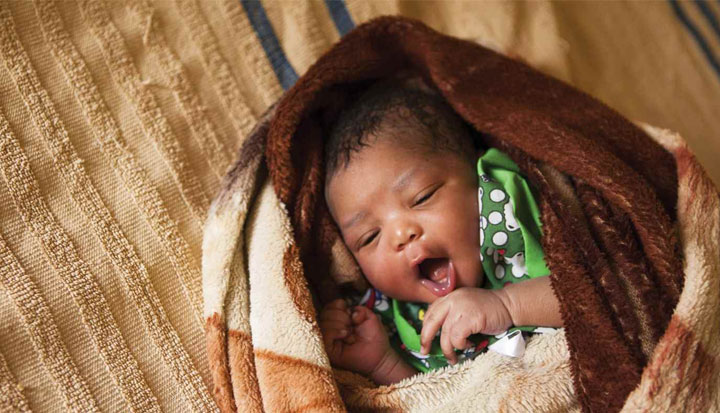
In a country where one child in 19 dies before their fifth birthday, a typical scenario in Kenya’s western county of Bungoma can be; a mother-to-be is feeling ill; she is not sure whether she should go to hospital, but the husband doesn’t think it’s important, so she stays home. Or the husband is supportive, […]
To Help Save Children’s Lives, We Need to Be Bold
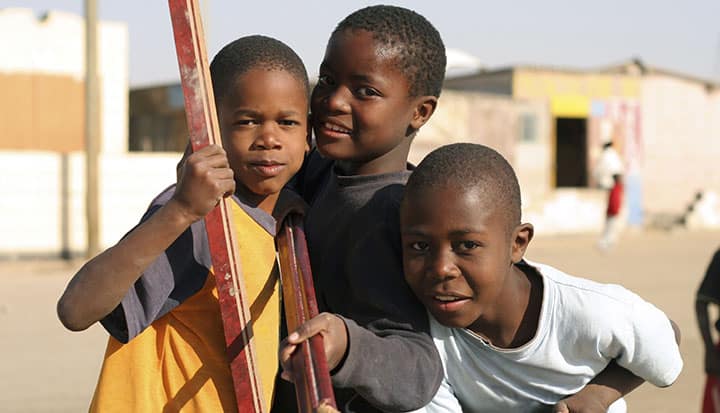
Only by breaking down boundaries and working together in unprecedented ways can we tackle the entrenched issues which cause millions of children to continue to die each year from preventable causes. That was the shared understanding which brought GSK and Save the Children together three years ago, creating a groundbreaking partnership to help save one […]
Effective Workplace Policies and Practices

Hope is not a strategy for righting gender imbalances that have long been the norm in most businesses and beyond. Instead, a strategy addressing material issues, supported by policies and practices applied internally and externally, can deliver business benefits as well as benefits for individuals. Research shows that a more diverse workforce delivers financial returns […]
Pointing the Way for Cross-sector Collaborations
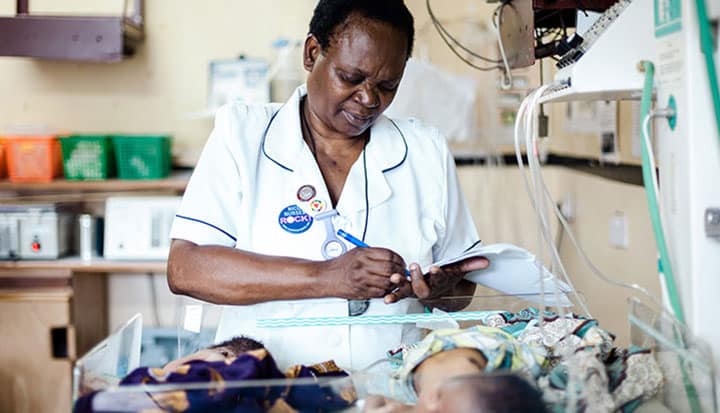
One of the most striking aspects of the current healthcare landscape is the way that the whole world is now so interconnected and so interdependent. This is changing the way we see health, creating a new global perspective that will affect the way we need to act. Against this backdrop, we need to understand better […]
Four Reasons Why GSK and Save the Children’s Partnership Stands Out
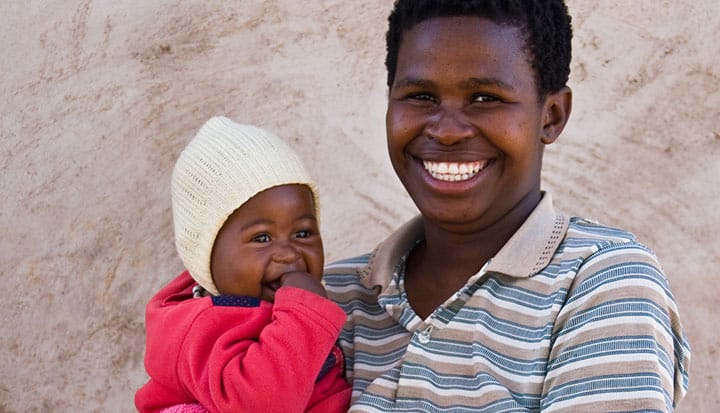
In recent years, collaboration between companies, governments and civil society has become an integral part of the development landscape. Its importance has been underlined in the Sustainable Development Goals (SDGs), which all sectors recognise cannot be achieved without partnership and the contribution of the private sector. Growing numbers of businesses are entering into partnerships, whether […]