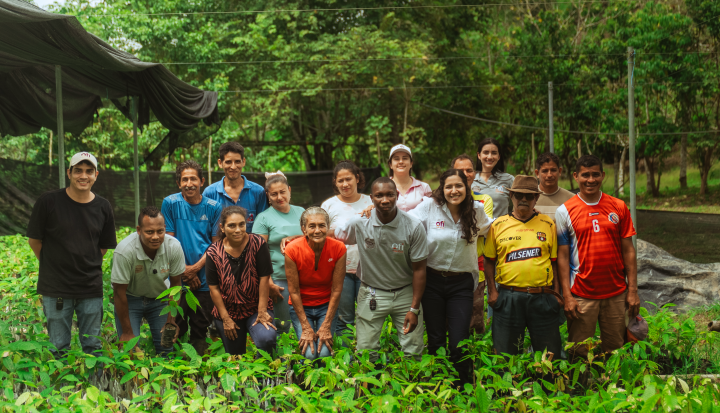
Strong partnerships are essential to building resilient, climate-smart supply chains. Drawing on ofi and GIZ’s multi-year collaboration, this article shares five practical lessons for empowering women farmers at scale. From aligning around shared challenges to designing inclusive, long-term programmes, it shows how partnership can unlock livelihoods, strengthen value chains and drive measurable impact.
Meet Social Impact Pioneer, Fernanda Facchini. She is part of the team at Natura, the Brazilian multinational cosmetics company, who are pioneering sustainable and ethical beauty products while driving regenerative practices in the Amazon rainforest. This conversation deep dives into what it takes for a commercial business to deliver social and environmental impact from its heart.
New research offers practical approaches to strengthening traceability and supporting smallholder inclusion at the start of agricultural supply chains. Jessica Fryer from ISEAL discusses the research findings and what this means for building resilient and inclusive supply chains.
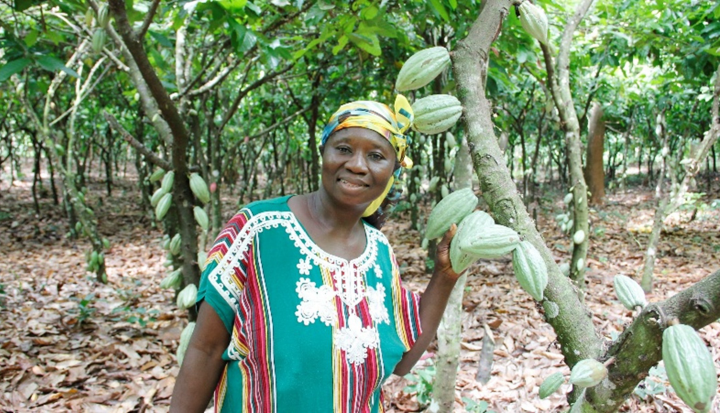
Supply chain resilience begins at the household level. Drawing lessons from the cocoa sector in West Africa, this article explores how strengthening women’s financial inclusion, decision-making power and access to savings groups can stabilise farming families and reduce risks across global supply chains. When households become more resilient, companies gain stronger, more reliable and sustainable supply systems.
Listen in to this podcast episode to hear from Social Impact Pioneer Marike Runneboom de Peña, Interim CEO of Fairtrade International, about why this moment is a turning point for fair trade and global supply chains.
As crises deepen and resources shrink, social impact leaders must do more with less. This article explores how systemic partnerships and responsible AI can unlock efficiency, scale and collaboration. By combining human-centred approaches with technology and trust, businesses and organisations can remain ambitious while driving meaningful progress on poverty, climate and inequality.
How do we finance renewable energy in the places where it can have the greatest impact? Meet two visionary leaders and Social Impact Pioneers driving solutions: Lassor Feasley, co-founder and CEO of Renewables.org, and Ruchir Punjabi, co-founder and CEO of Distributed Energy
Water risks are disrupting supply chains and communities worldwide, while regulators demand more credible water reporting. The Alliance for Water Stewardship’s (AWS) updated global standard offers companies a practical, independently assured framework to manage water risk, strengthen climate and nature strategies, and deliver better outcomes for workers and communities in high risk catchments.
AI is helping women entrepreneurs save time, but not yet unlock the full growth potential of their businesses. Drawing on research across 3,000 women entrepreneurs in 66 countries, this article explores why AI adoption remains concentrated in marketing and communications, and what targeted action is needed to turn AI from a helpful tool into a genuine driver of resilience, productivity and growth.
As water scarcity intensifies, businesses must rethink not only how much water they use but who is most affected by its depletion. This article explores why gender equality, disability and social inclusion (GEDSI) are essential to effective corporate water stewardship, helping companies reduce operational risks, strengthen community trust and build more resilient, equitable water management strategies.
Despite growing commitments to gender equality, many supply chain programmes struggle to deliver real outcomes for women. This article argues the problem is not motivation but design. By rethinking how gender initiatives are structured—embedding context, capability, and evidence from the start—companies can move beyond participation metrics and create meaningful, lasting change in global supply chains.
In this episode, three Social Impact Leaders: Sofia Ribas, Anna Olivia Spenner Hernández, and Yvette Torres-Rahman, share insights from their groundbreaking research into Ibiza’s housing crisis and explore practical solutions to make living on the island viable year-round.
Public-private partnerships are essential to tackling interconnected global challenges, from climate resilience to inclusive economic growth. Drawing on ten years of TRANSFORM’s work across 19 countries, this article explores how collaboration between business, government and impact enterprises can scale innovation, strengthen livelihoods, and deliver sustainable solutions that reach millions of people worldwide.
As social impact becomes more complex, politicised and contested, businesses and practitioners are rethinking how change is led and communicated. Drawing on insights from Business Fights Poverty’s Together for 2026 forum, this article explores how organisations can move beyond acronyms, build trust locally, integrate impact into core decision-making, and sustain leadership resilience in an uncertain global landscape.

Climate action often fails not from apathy, but from poor design. This article argues that the most powerful environmental impact comes from embedding sustainability into everyday systems—especially finance. By making climate-positive choices automatic rather than effort-based, businesses can drive durable behaviour change and shift outcomes at scale.
How to bring business talent development and social impact to get the best outcomes. Social Impact Pioneer Banalata Sen, Global Head of GoTeach at DHL Group shares her wisdom.
As support for Windows 10 ends, millions of corporate laptops risk becoming e‑waste. London social enterprise SocialBox.Biz shows how businesses can repurpose redundant IT devices with open-source software, cutting emissions while tackling digital exclusion. Partnering with charities, companies can turn “old kit” into a lifeline for people facing homelessness, poverty and isolation, and strengthen ESG performance.