Equity

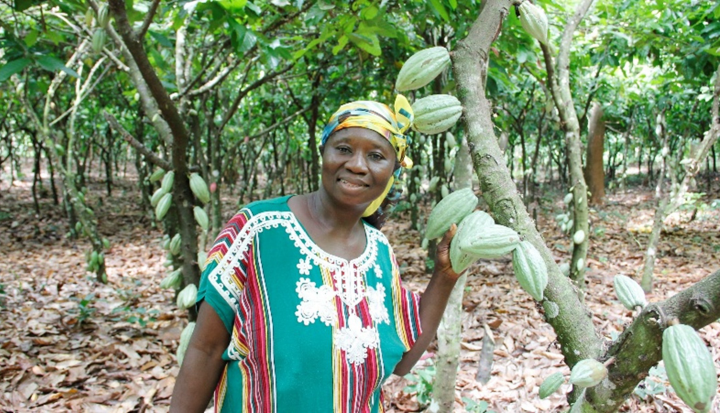
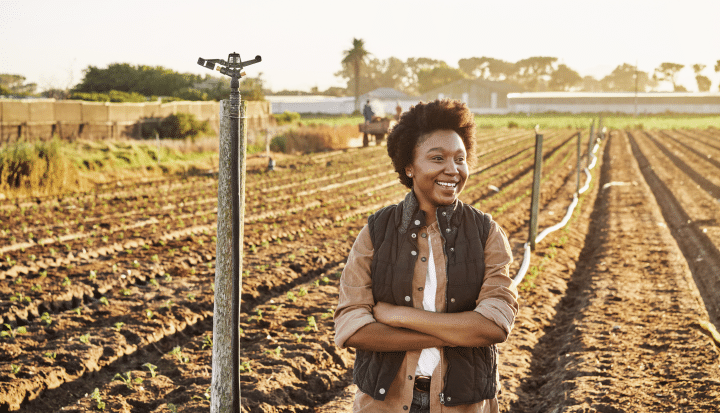
Supply chain resilience begins at the household level. Drawing lessons from the cocoa sector in West Africa, this article explores how strengthening women’s financial inclusion, decision-making power and access to savings groups can stabilise farming families and reduce risks across global supply chains. When households become more resilient, companies gain stronger, more reliable and sustainable supply systems.
icon-content-article-grey

Lorem ipsum dolor sit amet, consectetur adipiscing elit. Ut elit tellus, luctus nec ullamcorper mattis, pulvinar dapibus leo.

insights-icon

Lorem ipsum dolor sit amet, consectetur adipiscing elit. Ut elit tellus, luctus nec ullamcorper mattis, pulvinar dapibus leo.

insights-icon

Lorem ipsum dolor sit amet, consectetur adipiscing elit. Ut elit tellus, luctus nec ullamcorper mattis, pulvinar dapibus leo.

icon-content-video-grey

Lorem ipsum dolor sit amet, consectetur adipiscing elit. Ut elit tellus, luctus nec ullamcorper mattis, pulvinar dapibus leo.

icon-content-video-grey
AI is helping women entrepreneurs save time, but not yet unlock the full growth potential of their businesses. Drawing on research across 3,000 women entrepreneurs in 66 countries, this article explores why AI adoption remains concentrated in marketing and communications, and what targeted action is needed to turn AI from a helpful tool into a genuine driver of resilience, productivity and growth.
icon-content-article-grey
As water scarcity intensifies, businesses must rethink not only how much water they use but who is most affected by its depletion. This article explores why gender equality, disability and social inclusion (GEDSI) are essential to effective corporate water stewardship, helping companies reduce operational risks, strengthen community trust and build more resilient, equitable water management strategies.
icon-content-article-grey
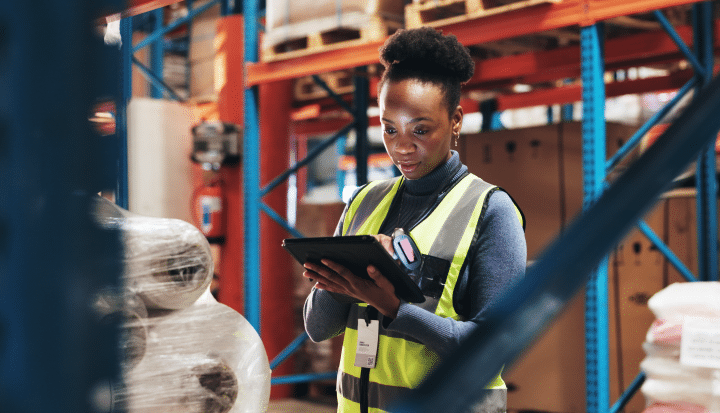
Despite growing commitments to gender equality, many supply chain programmes struggle to deliver real outcomes for women. This article argues the problem is not motivation but design. By rethinking how gender initiatives are structured—embedding context, capability, and evidence from the start—companies can move beyond participation metrics and create meaningful, lasting change in global supply chains.
icon-content-article-grey

Lorem ipsum dolor sit amet, consectetur adipiscing elit. Ut elit tellus, luctus nec ullamcorper mattis, pulvinar dapibus leo.

event-grey

Lorem ipsum dolor sit amet, consectetur adipiscing elit. Ut elit tellus, luctus nec ullamcorper mattis, pulvinar dapibus leo.

insights-icon

Lorem ipsum dolor sit amet, consectetur adipiscing elit. Ut elit tellus, luctus nec ullamcorper mattis, pulvinar dapibus leo.

insights-icon

Lorem ipsum dolor sit amet, consectetur adipiscing elit. Ut elit tellus, luctus nec ullamcorper mattis, pulvinar dapibus leo.

insights-icon
Claire Sibthorpe from the GSMA explores how progress in closing the mobile internet gender gap has stalled, with women 14% less likely than men to use mobile internet. She highlights key barriers including handset affordability and digital skills, and the $1.3 trillion GDP opportunity. Urgent, targeted action from stakeholders is needed to prevent women being left behind digitally.
icon-content-article-grey
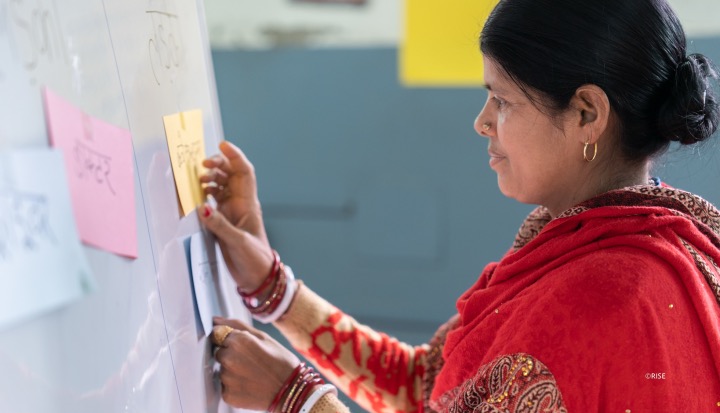
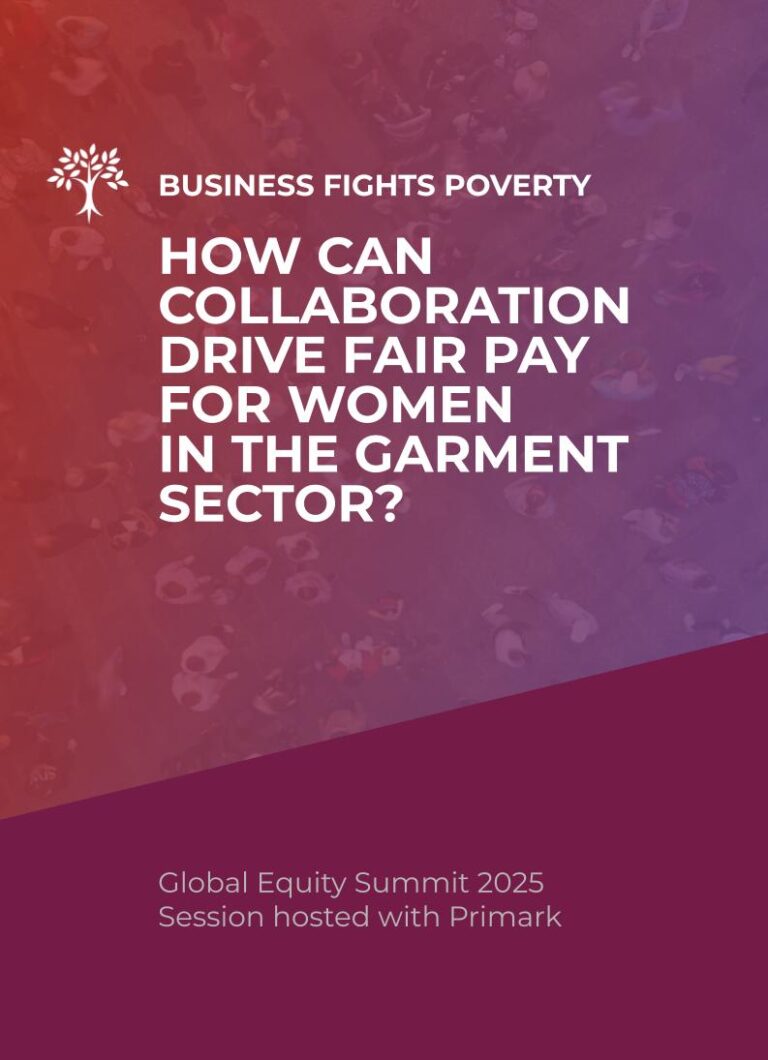
Despite making up the majority of the garment, footwear, and textile workforce, women are vastly underrepresented in leadership and technical roles. A new RISE report explores how businesses can unlock flexible, inclusive pathways for career advancement—boosting retention, equity, and resilience. From fair promotion systems to childcare support, the solutions are practical, scalable, and urgent.
icon-content-article-grey
Fairer prices and fundamental human rights are desperately lacking for global producers. The solutions require trustworthy frameworks and dialogues. Sheila Senathirajah, ISEAL’s Head of Social Impact, explains how complex equity and livelihoods are, revealing credibility’s catalysing power for foundational change.
icon-content-article-grey
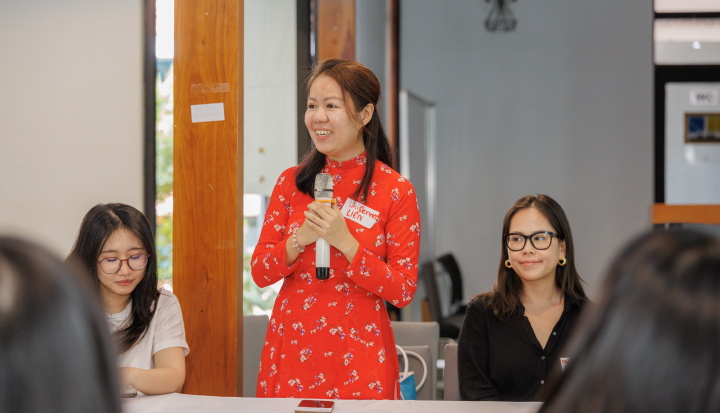
Women entrepreneurs are vital to economic growth, yet continue to face persistent barriers—especially in accessing finance. This article explores how Learning Networks, like WE Connect in Vietnam, bring together ecosystem actors to co-create practical solutions. Through shared knowledge, innovation, and partnership, these networks can drive inclusive finance and long-term success for women-led enterprises.
icon-content-article-grey
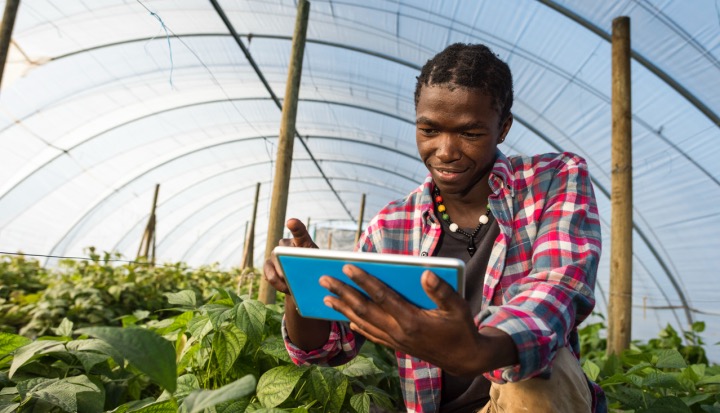
Sales agent models have the potential to improve access to goods and services while creating economic opportunity for women and youth. Drawing on work from Rwanda and Mozambique, TechnoServe’s Sophie Duchanoy and Sarah Bove share three key factors in making these approaches work.
icon-content-article-grey
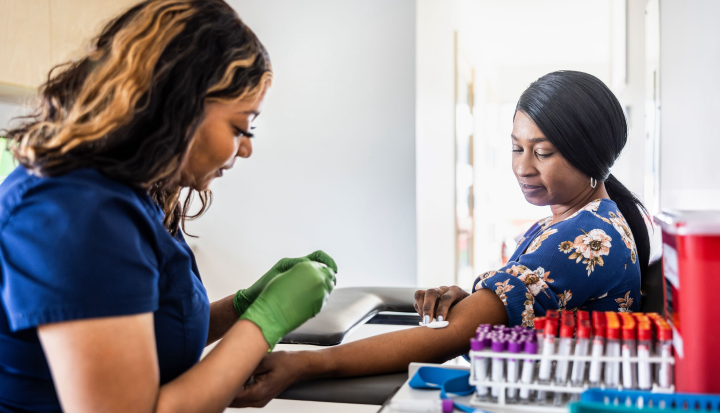
With the impacts of climate change exacerbating health inequalities, how can businesses promote health equity through their climate action? Partnership for Southern Equity relates how it worked directly with healthcare professionals to advance climate and health equity, and introduces four practical steps outlined in the new Centering Health Equity in Climate Action Toolkit for Businesses.
icon-content-article-grey

Lorem ipsum dolor sit amet, consectetur adipiscing elit. Ut elit tellus, luctus nec ullamcorper mattis, pulvinar dapibus leo.

insights-icon

Lorem ipsum dolor sit amet, consectetur adipiscing elit. Ut elit tellus, luctus nec ullamcorper mattis, pulvinar dapibus leo.

icon-content-video-grey

What do we mean by "Equity"?

Sub-topics within this category

There are no sub-topics within this Category.