MY World Citizens: Technology and a Revolution in Global Policymaking
Since they were adopted by all UN Member States in the year 2000, the Millennium Development Goals (MDGs) have made a huge difference to the lives of millions of people around the world. The MDGs have helped to define a truly global agenda in the fight against poverty and have also provided a clear frame […]
Assessing Corporate Human Rights Impacts – Lessons from Kenya
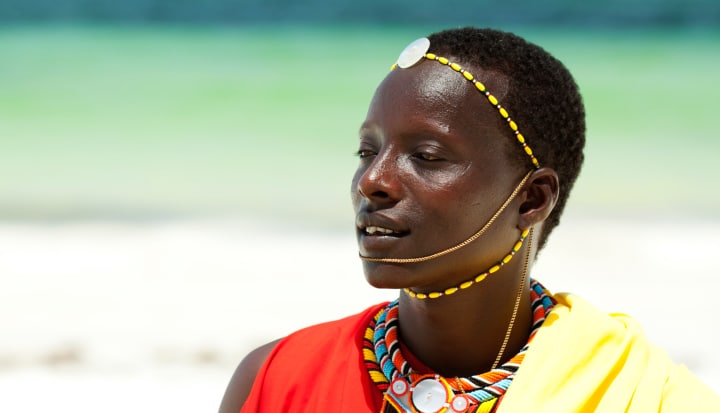
When I returned from Kenya last August, one sentence particularly stuck in my mind. A Maasai farmer being interviewed about the impacts of tourism said: “Tourism is like clean water in a fast-flowing river that is rushing past, which we have no means to enter.” This view was widely shared by employees, beach sellers, community […]
VELECO – the World’s First Fair Trade and Eco‐Friendly Cyclewear Company
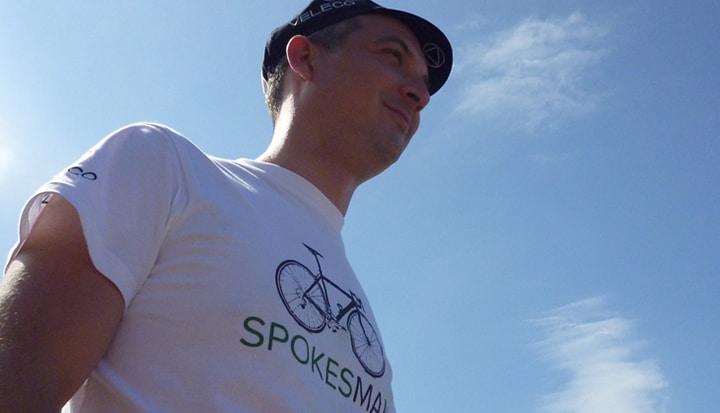
VELECO the world’s first Fair Trade and eco‐friendly cyclewear company, based in Brighton, UK have launched an exciting new Kickstarter project to raise £20,000 in just 30 days (up till 4 July). We join a growing trend of eco start‐ups and entrepreneurs who are using crowd funding to reach new customers and generate sales. Kickstarter […]
The Private Sector and Fragile States
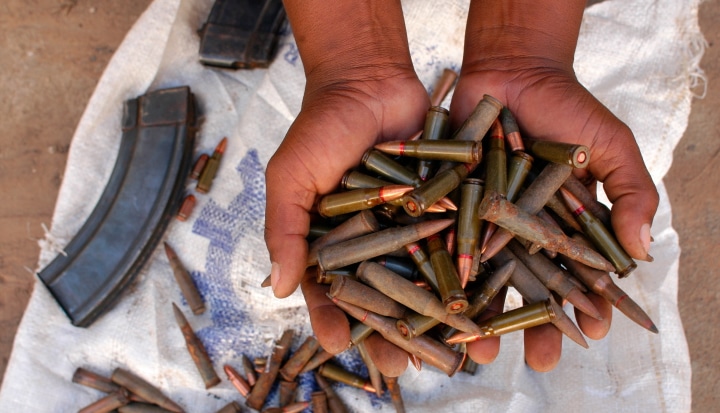
The development conundrum facing the international community in the 21st century is the increasing number and persistence of fragile and conflict affected states. There are almost 50 fragile and conflict affected states in the world today. They are characterized by persistent conflict, poor governance, weak institutions, widespread corruption, lack of legitimacy, the inability to provide […]
Business Engagement in Fighting Rural Hunger and Poverty
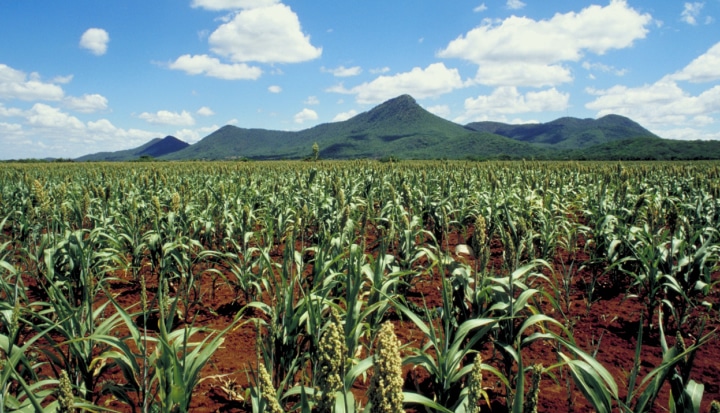
Government assistance is simply not enough to tackle rural poverty. The U.S. food security program, Feed the Future, is a relatively new effort to target key countries and communities to promote food security. It is vitally important and has been carefully-designed and implemented. Feed the Future is focused on 19 countries; but food security and […]
Nairobi, Thriving Entrepreneurship Hub of East Africa

the A Factor and Curator, Innovation Tours In her TED Talk, The danger of a single story, my favourite Nigerian writer Chimamanda Ngozi Adichie explains how dangerous it is to reduce a person, a culture, a continent to a unique and biased perception. The viral Youtube video “Africa for Norway” with African actually raising funds […]
The Private Sector as the Driver of Development
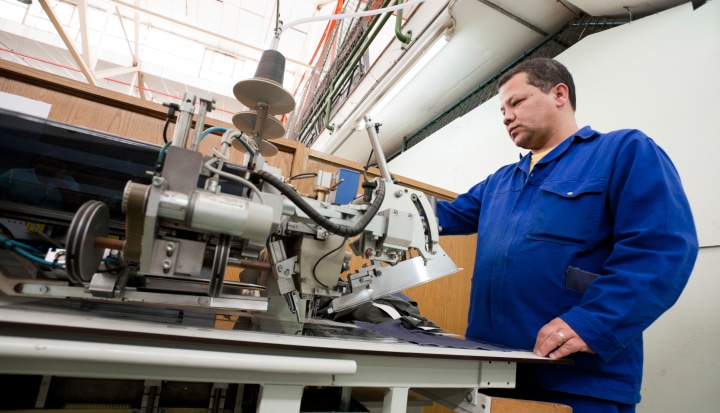
Nine out of ten jobs in the developing world are in the private sector. Hum-drum enough, but for the development community this is something of an epoch. There is a growing consensus in international development that the private sector is the engine of development and donors and development stakeholders should design and plan around this […]
Post 2015 – 21st Century Leadership in Action?

There’s been plenty of discussion and debate in the past week or so as people have chewed over the report from Ban Ki-moon’s High Level Panel and its recommendations on the shape of the UN’s Post 2015 Development Framework. But what does this week’s news tell us about a longer term trend? About how the […]
Social Impact Investing And The G8
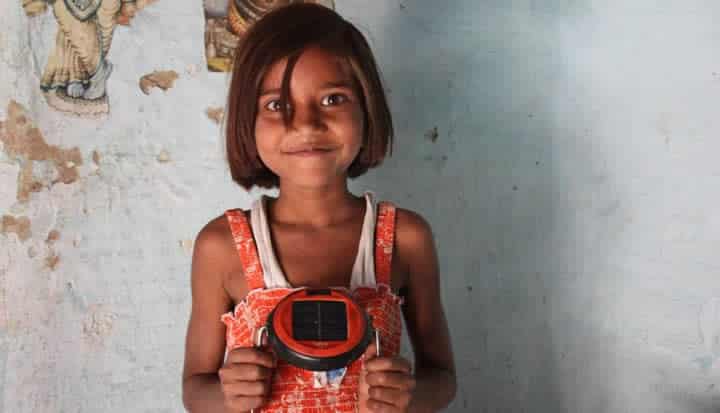
Adviser, Department for International Development (DFID) Last week the UK Prime Minister hosted a G8 event on social impact investment at the Bloomberg Auditorium in London. Social impact investments are investments that have both a social and a financial return and in the case of international development are targeted at enterprises which benefit the poor […]
Rice production in Cambodia: the poor farmer’s perspective
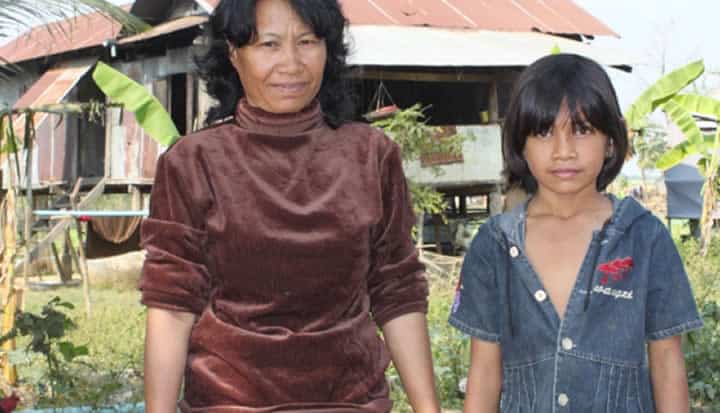
Rice farming in Cambodia can be a tough and uncertain business. Rainfall is highly erratic, both drought and floods being regular occurrences, land is often infertile or under-nourished and investment in new farming systems and technology is minimal. Yet approximately 60% of the Cambodian population rely on agriculture (mainly rice production) for their livelihoods and […]
A New Global Partnership: Eradicate Poverty and Transform Economies through Sustainable Development
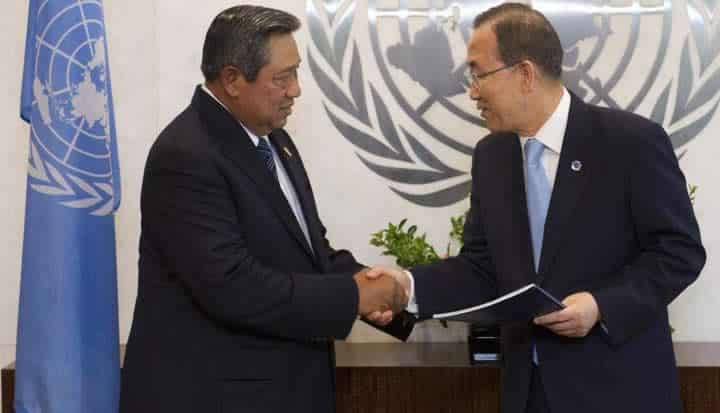
Last July, UN Secretary-General Ban Ki-moon, brought together a High-Level Panel to advise on the development framework that should replace the Millennium Development Goals when they expire in 2015. The group delivered its much-anticipated report at the end of last week, “A New Global Partnership: Eradicate Poverty and Transform Economies Through Sustainable Development”. One of […]
A WaterFirst Health Model – Delivering Healthcare in Emerging Markets
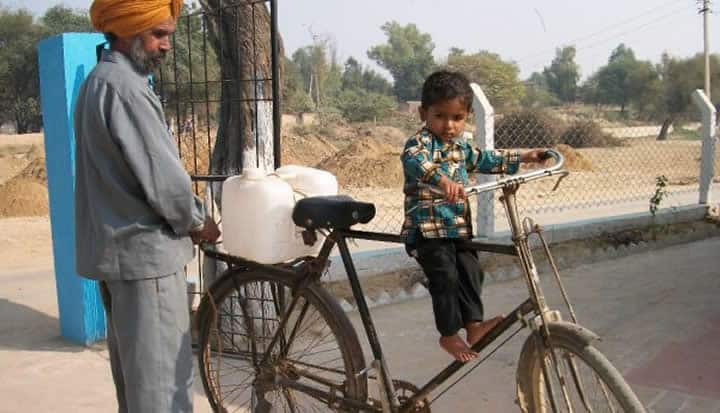
HealthPoint Services’ “WaterFirst” sells inexpensive, clean water to prevent water-borne illnesses in remote communities in India. But villagers who visit HealthPoint units to buy water get a lot more: they can also purchase health commodities like sanitary pads, condoms, and nutritional supplements for pregnant women. Villagers can also access health services like vaccinations and diagnostic […]
Beyond income: Understanding the BoP from an access to development perspective
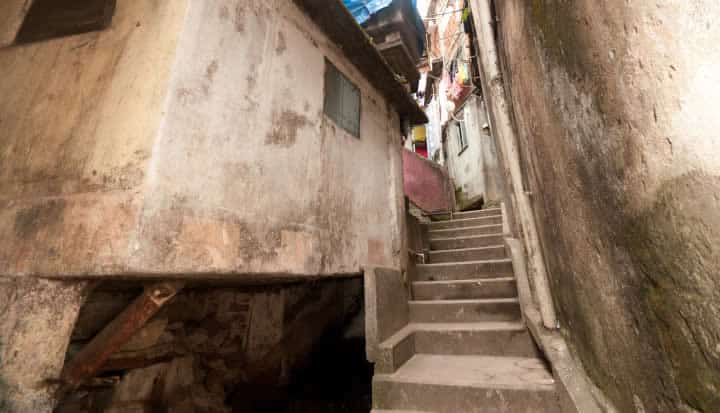
No matter how much practitioners agree on quantifying the Base Of the Pyramid (BOP) based on their access to development and basic needs, we still seem to be loosing the battle against income threshold fundamentalists. Beyond the traditional controversies calculating purchasing power parity (PPP) income measurements, due in part to the lack of comparable basket […]
GSK & Save the Children Partnership: From Ambition to Action
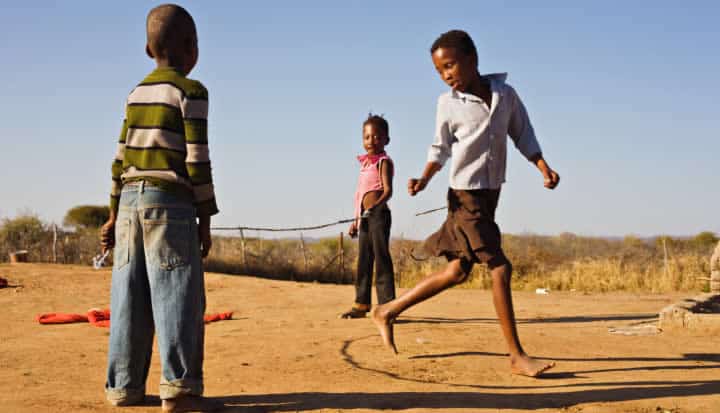
The High Level Panel on the post-2015 development framework submitted its report yesterday (Thursday 30 May), giving the first indications of the settlement that will replace the Millennium Development Goals when they expire two years from now. The debate has featured discussions on everything from plankton abundance to WiFi access, but one issue that stands […]
Businesses invest in projects that improve lives and protect the environment

An annual state of the market report launched today, shows that businesses across the world continue to see the value of investing in projects that reduce carbon emissions, protect the environment and improve people’s lives, as a way to demonstrate industry leadership and take responsibility for their impacts. Over the last year alone, the private […]
Sustainable Food Production – A 21st Century Revolution
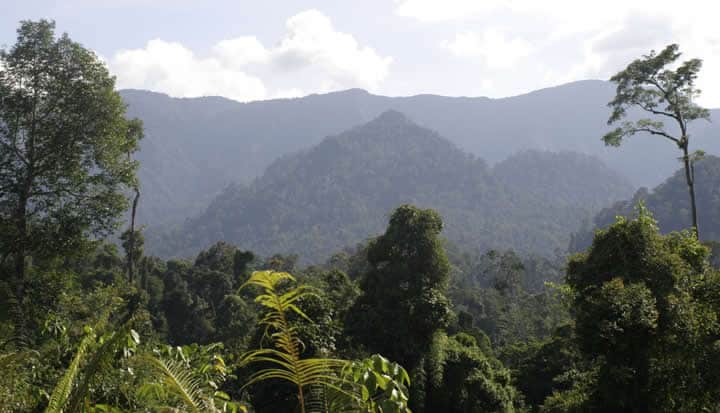
I grew up on a small farm, living on less than a dollar a day per person. I was lucky—we had a big garden, an orchard, raised some of our own meat, and hunted and fished for most of the rest. Years later, I worked with refugees and famine victims, seeing firsthand the impacts of […]
Gyapa Stoves project cuts a record amount of carbon and improves lives
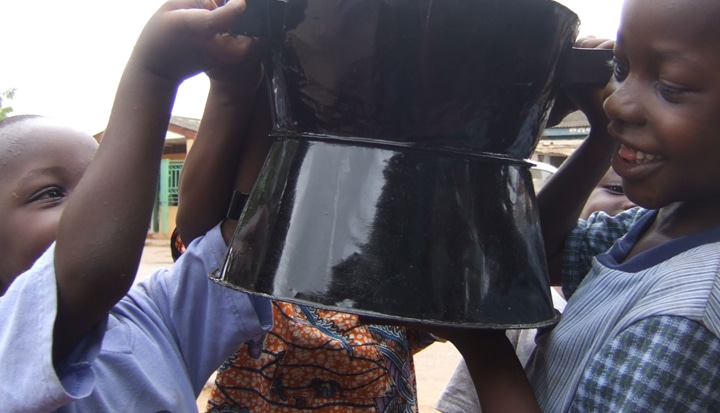
This week, the Gyapa Stoves project, run by Relief International, announced it had cut a record amount of carbon emissions. ClimateCare has long advocated integrated Climate and Development projects like this, designed from the outset to protect the environment and improve people’s lives. Since 2007, nearly half a million Gyapa™ stoves have been sold, impacting […]
An Integrated Approach to Sustainable Food Production
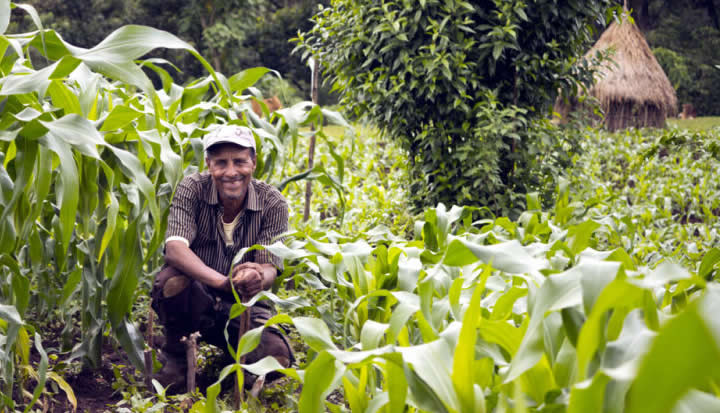
TechnoServe As Eshetu Abote, a member of the Shegole coffee farming cooperative in western Ethiopia, crouches near his maize (corn) crop, the difference is apparent. The shorter plants – cultivated using traditional methods – barely reach his shoulder. The taller plants have benefited from training given during monthly sessions supported by TechnoServe’s team, which is […]
Empowering Agricultural Entrepreneurs to Sustainably Feed the World
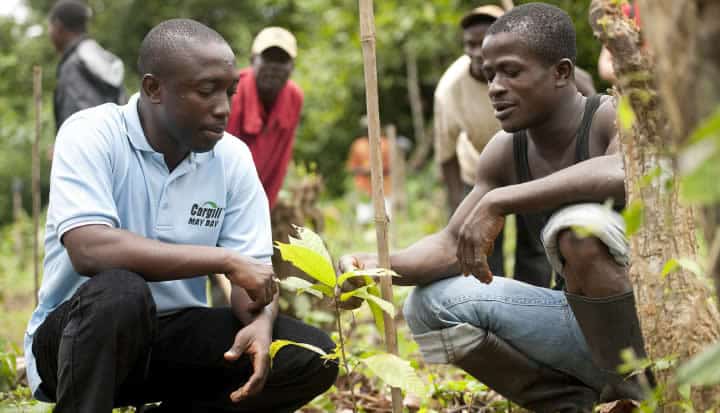
At Cargill, sustainable food production is fundamental to what we do. Our core business is buying, processing and distributing grains, oilseeds and other agricultural commodities and selling them to customers that include food and beverage manufacturers, foodservice companies and retailers. These customers increasingly want to know – and want to prove to their consumers – […]
Business and the UN MDGs Post 2015 – Changing context: Business opportunity
In less than 1000 days, the world is due to keep true to its promise to the deliver the UN Millennium Development Goals, (MDGs), the framework that almost 200 governments signed up to in 2000 to address the most pressing issues of the world’s poorest by 2015. Much has been achieved but there is still […]