
Driving Private Sector Innovation to Fight Hunger
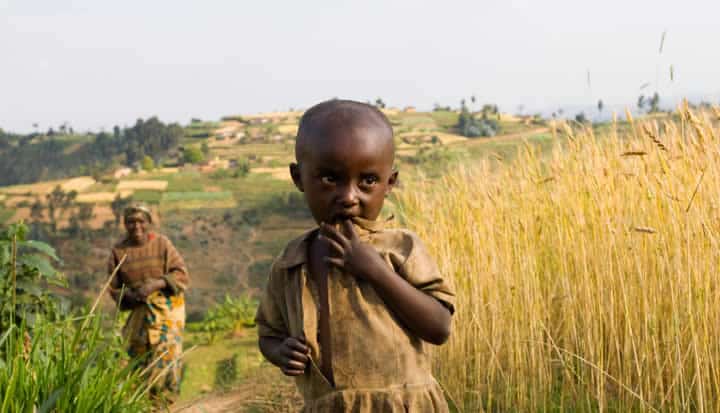
Business and food go hand in hand. Researching and developing new technologies that improve the quality of a seed or reduce the amount of time a farmer spends harvesting crops is largely done by the private sector. Private companies process, package, transport and market foods to all of us every day. So there’s no question […]
The Business of Addressing Global Hunger
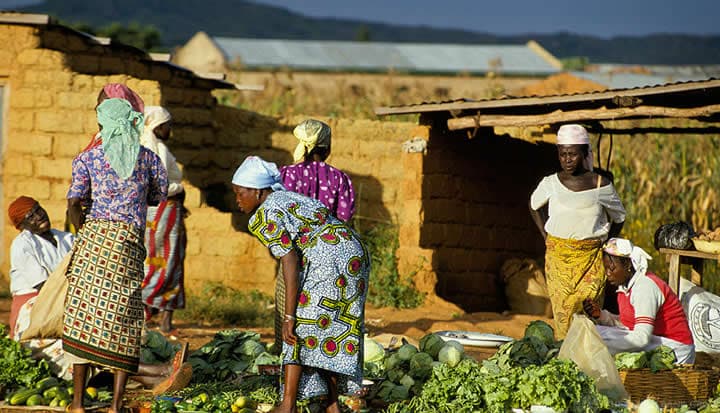
Somalia, Kenya and Ethiopia are facing dire food crises. According to the ONE Campaign, the famine in Somalia could kill 750,000 human beings unless donors intervene. Meanwhile, in 2008, the Food and Agriculture Organization of the United Nations (FAO) reported that approximately 32% of Africans are undernourished. The private sector, in partnership with donors, may […]
Wallpaper Over Malaria

To most people, wallpaper serves an obvious purpose: to decorate homes. But in rural villages across the developing world, an innovative type of wallpaper may soon help protect families from malaria. Malaria is among the world’s most dangerous infectious diseases, claiming the lives about 1 million people every year, according to the World Health Organizations. […]
The Case for A Global Business Coalition for Education, a new report by the Brookings Institution

According to a Brookings Institution report released this month, the global education crisis in developing countries could be addressed through a coordinated effort undertaken by businesses through a special coalition. In “The Case for A Global Business Coalition for Education”, Dr. Justin W. Van Fleet argues that “as direct stakeholders in the quality of education […]
Report: How can the private sector tackle global chronic disease?
IBLF has released ‘Many Healthy Returns’, a special report and action framework on the role of business in tackling global chronic disease (cardiovascular diseases, cancers, chronic respiratory diseases and diabetes).
Global Alliance for Clean Cookstoves

Exposure to smoke from traditional cookstoves and open fires – the primary means of cooking and heating for nearly three billion people in the developing world – causes 1.9 million premature deaths annually. According to the World Health Organisation, almost all of these deaths are linked to lung health issues, with slightly more than half […]
African Business Investing in Malaria Control

Business Investing in Malaria Control: Economic Returns and a Healthy Workforce for Africa, the sixth report in the Roll Back Malaria Progress & Impact Series, examines how private sector investment in malaria control has improved cost effectiveness at companies operating in malariaendemic regions in Africa. Companies in Equatorial Guinea, Ghana, Mozambique, and Zambia have worked […]
New Business Rules Expanding Access to Healthcare to the World’s Poorest Countries
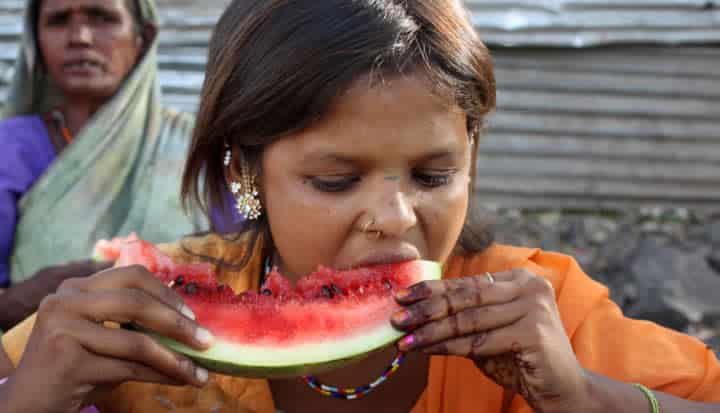
As the volume of political debate over foreign aid increases, a new approach to investment in the developing world by the pharmaceutical industry could offer part of the solution. It is an approach born not out of corporate philanthropy, but from an understanding of the shared value to be gained through aligning the health needs […]
Sharon D’Agostino: Looking Past the Data to See the Face of Motherhood
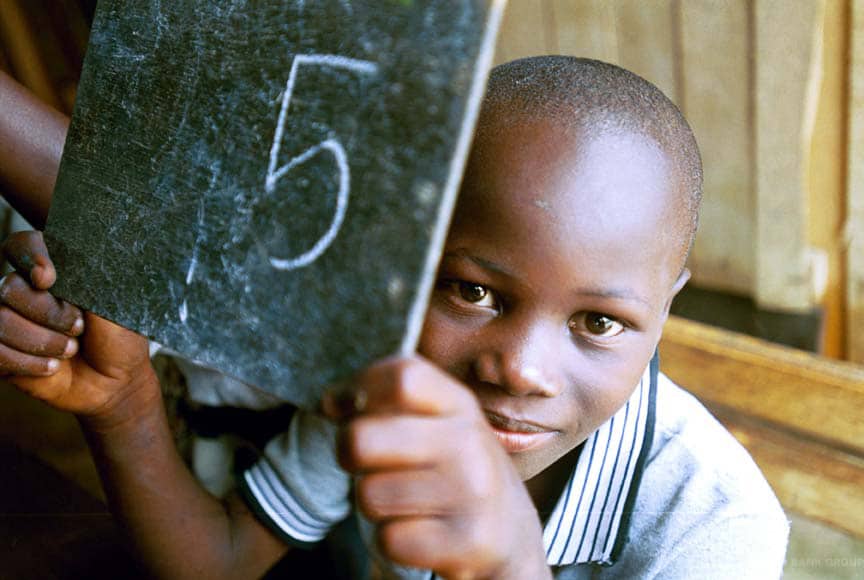
Often, people committed to global health are surrounded by statistics – and it can be easy for numbers to lose their meaning. Our work on maternal and child health issues has shown me staggering gaps in the quality of life for women and children around the world, but even I sometimes have trouble putting data […]
Toolkit: Business as a Partner in India’s Right to Education
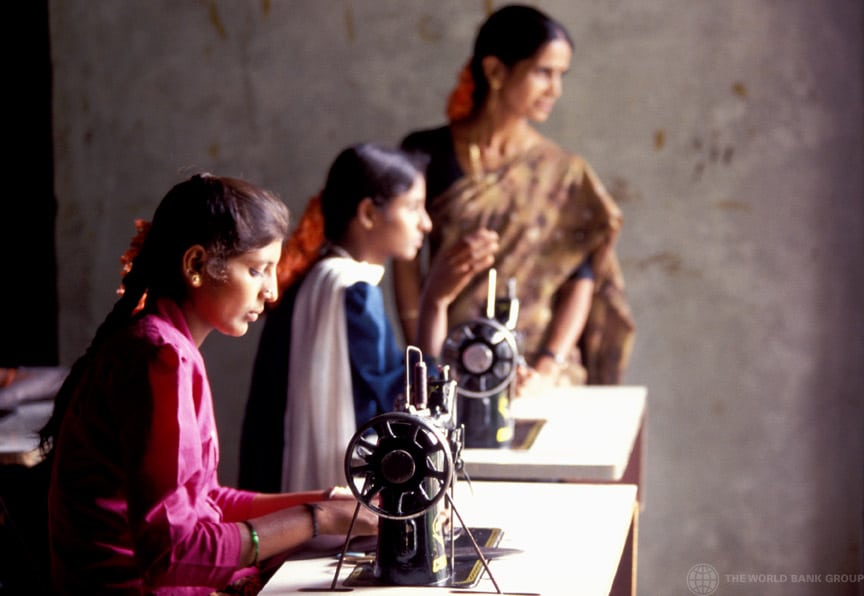
This toolkit, commissioned through the Tata Strategic Management Group (TSMG), is aimed at identifying models for businesses to begin their engagement in strengthening the education sector in India. It contains a collection of key features of the Right to Education, outlining the roles that central and state governments need to play to implement the act […]
Primer: Investing in Women's and Children's Health

Download a primer report on the contribution of the private sector as a partner in the UN’s Global Strategy on Women’s and Children’s Health.
Primer: Investing in Women’s and Children’s Health
Download a primer report on the contribution of the private sector as a partner in the UN’s Global Strategy on Women’s and Children’s Health.
Business as a Partner in Overcoming Malnutrition
A Recipe for Success: how food companies can profit from consumer health
Feb 07 – This report makes recommendations as to how companies should address consumer health and obesity issues.
Business as a Partner in Strengthening Public Health Systems in Developing Countries
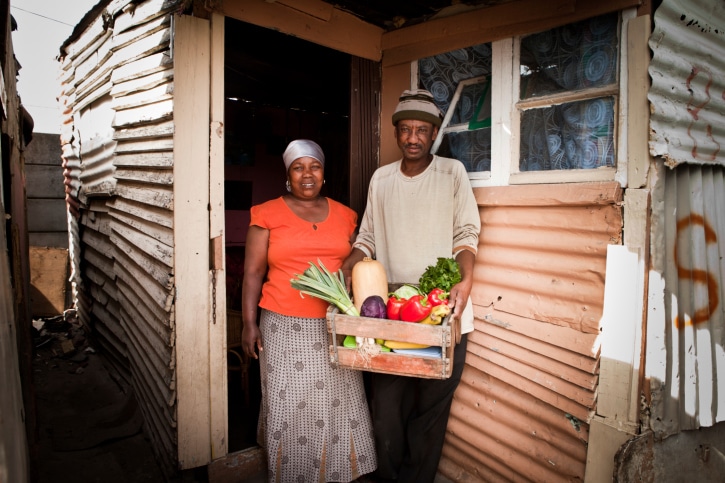
Sep 06 – This publication is part of a series and makes recommendations for ways that companies can get directly engaged in specific initiatives on-the-ground.
Business action to fight micronutrient deficiency
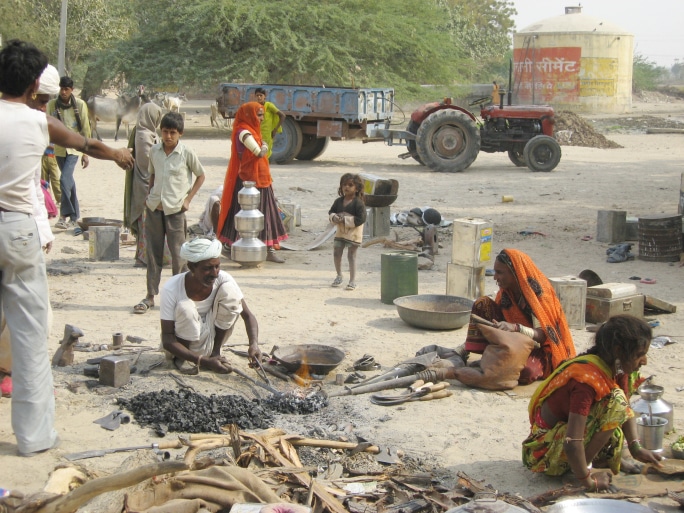
The Business of Health – The health of business

Mar 06 – The examples gathered in this publication illustrate the business case for corporate action on health.
The business of building lives: HIV/AIDS and the private sector
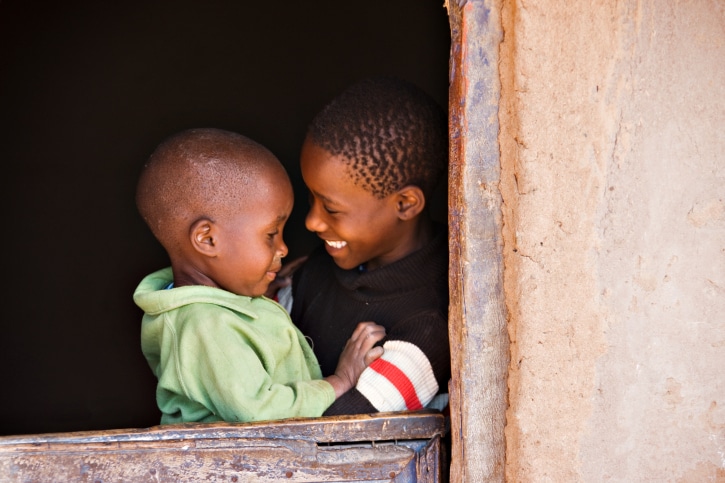
Businesses are hit hard by HIV/AIDS, but they are also in a unique position to help fight back. The private sector interacts with most HIV infected people in a country—directly in employment relations or more indirectly through employee families, customers, or as community members. By joining forces to fight the disease, the private sector, together […]
The Business of Building Lives – HIV/AIDS and the private sector
Businesses are hit hard by HIV/AIDS, but they are also in a unique position to help fight back. The private sector interacts with most HIV infected people in a country—directly in employment relations or more indirectly through employee families, customers, or as community members. By joining forces to fight the disease, the private sector, together […]
More Food for Thought: new risks, challenges and opportunities in the food and drink sector

Sep 05 – This report updates the 2002 analysis and summarises new risks, challenges and opportunities in the food and drink sector.