
A Skills-Based Revolutionary: Taproot’s Aaron Hurst

A taproot is the core root of a plant that gathers nutrients from lateral roots and delivers them to the plant so it can flourish. Which makes it the perfect name for an organization that sees itself as a taproot for the nonprofit sector, drawing nutrients from the business community and delivering them to nonprofits […]
Access to Food and Improved Nutrition at the BoP: Five business interventions to achieve social impact, financial sustainability and scale

Improving food and nutrition security through better availability, accessibility, and utilization of food and food products is a complex challenge. It involves a sector where key activities – such as the production, distribution and consumption of food and the identification of food markets – are largely in the hands of private enterprises. Interventions by the […]
Supporting Local Innovation to Improve Nutrition and Health

Encouraging local business to accelerate delivery of nutritious foods into markets One in seven people do not get enough food to lead an active and healthy life, and an estimated two billion people suffer from micronutrient deficiencies globally. There is plenty of published evidence to suggest undernutrition is having a severely negative impact in the […]
Keeping it Simple: Innovations in Mobile Health Technology

When people hear the word “innovation” in health, they often think of the kinds of things that are newly developed in laboratories—things like machines and medicines that have the power to diagnose and treat health challenges. Those advancements are certainly important, but some of the most interesting innovations these days are about finding ways to […]
RIO+20 – Business and Management Education Providers Must Work Closer together

By Clare Melford, CEO, IBLF At Rio+20 I attended the 3rd Global Forum for Responsible Management Education which is the official platform for management-related Higher Education Institutions (HEIs) at Rio. I was there amongst almost 300 representatives of management-related academic institutions as one of the voices of business. We were there to consider the business […]
Diplomacy and Development through Partnerships: China and the Global Alliance for Clean Cookstoves

Lorin Kavanaugh-Ulku, Global Partnership Initiative, US Department of State We have entered a new era of diplomacy and development, rooted in the acknowledgement that business as usual is no longer good enough. Across the U.S. government, we are breaking down barriers between the public and private sector and civil society and forging uncommon alliances that […]
The New Alliance for Food Security and Nutrition – leveraging the role that business can play in Africa
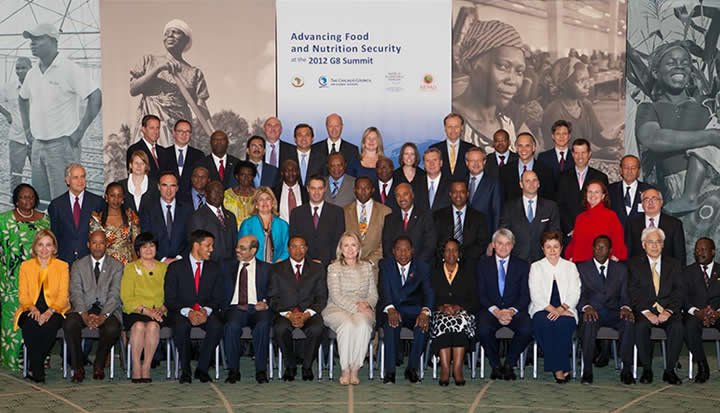
Last month I was privileged to attend the G8 Symposium on global agriculture and food security in Washington DC. The presence of President Obama, Secretary of State Hilary Clinton, African Heads of State and senior UK government representatives raised the profile of this important event. As part of the symposium, I joined a selected group […]
The business of sanitation – taking toilets to scale
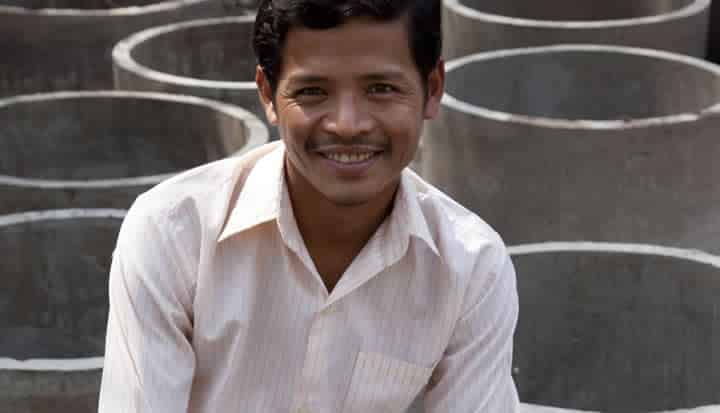
Water & Sanitation Programme, iDE UK In a context where almost 40% of the population of the developing world – 2.5 billion people – lack access to improved sanitation facilities (WHO/UNICEF), there is in need of a practical and scalable solution that can stop one of the world’s biggest killers of children. Diaorrheal disease claims […]
Implementing Innovative Public-Private Partnership Models to Fight Malnutrition

Ten years ago, the Global Alliance for Improved Nutrition (GAIN) was formed with one key challenge – to end malnutrition in the world’s poorest countries. Our plan was to improve access to healthier foods to those most at risk. During that time, we’ve reached over 610 million people with nutritious foods to help them reach […]
Sharing knowledge and experiences to deliver effective nutrition solutions to the base of the pyramid

Global Alliance for Improved Nutrition (GAIN) The Global Alliance for Improved Nutrition (GAIN) has been partnering with public and private sector organizations to deliver nutrition solutions to populations in need for 10 years. GAIN is now reaching more than 600 million people with nutritious foods which help them reach their full potential. Today GAIN is […]
Future Fortified: A Campaign to Build Public Will for Nutrition
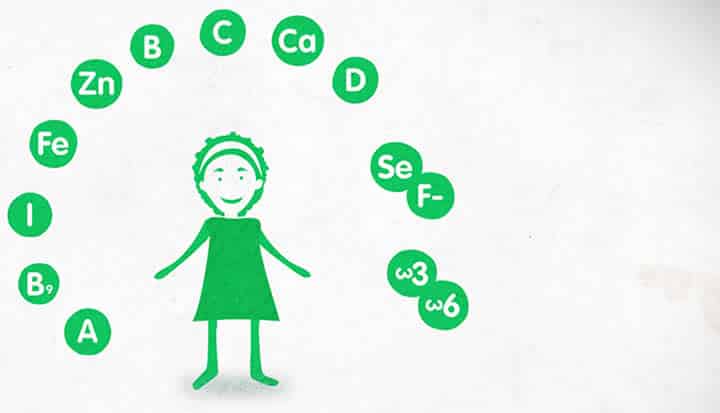
Our plan is simple: to engage new audiences to help make nutrition a global priority. While more than two billion people around the world suffer from a lack of proper nutrition and undernutrition is an underlying cause of 1 in 3 of all childhood deaths annually, nutrition interventions remain significantly underfunded. Evidence shows that good […]
The jury is still out, but all eyes are on the G8

Blog: Agriculture Fights Poverty The Camp David G8 Summit is fast approaching. Organizations like ONEhave been working tirelessly to influence the G8’s thinking on food and nutrition security. We’ve asked the G8 to not only deliver on their past commitments, but more importantly, agree to do more. At ONE, we’ve also asked our 3 million […]
Pharmaceutical and Medical Device Companies: Fighting Poverty and Profit at the Same Time

From extractive companies, to financial service firms, multinationals, to small social enterprises, Business Fights Poverty’s blogs capture the trend in how business and the social sector are redefining their relationships to tackle tough social problems. Curiously, multinational pharmaceutical and medical device companies are absent from much of the conversation. Yet, it is difficult to find […]
How Doing Good is Good for Business

Last month, we got to hear from Sir Andrew Witty, CEO of GlaxoSmithKline. The talk was part of the Pears Business Schools Partnership lecture, which promotes sustainable and responsible business through inspiring future leaders. What does one of the world’s largest pharmaceutical companies have to say about how doing good is good for business? Sir […]
Stanford Social Innovation Review Showcases GAIN’s High Impact Approach to Tackling Malnutrition
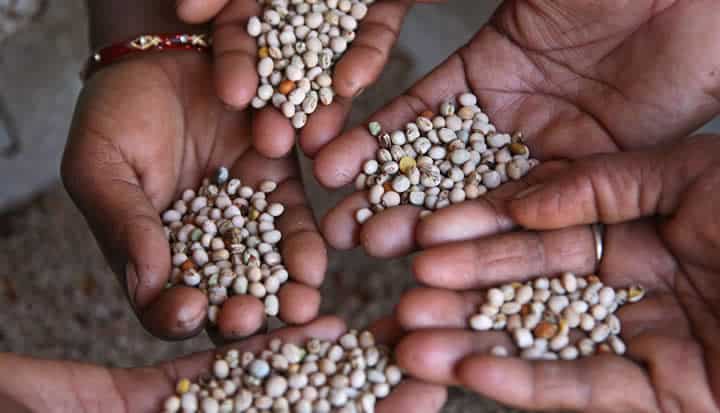
The Stanford Social Innovation Review, in its article “Challenging Change: Making Collective Impact Work”, has cited GAIN for developing a model of collaboration that achieves large scale progress in the face of the urgent and complex problems of our time. The model is based on partnership across public and private sectors and implies recognition of […]
The SUN shone at Davos last week

“Davos” – the shorthand moniker for the Annual General Meeting of the World Economic Forum – takes place in what is normally a picturesque but rather sleepy, Swiss Alpine village. Yet, every year in late January, it is overrun by heads-of-state, royalty, rock stars, captains-of-industry and powers-that-be. Choose your term. They’re there. There are plenty […]
How can business help tackle undernutrition?
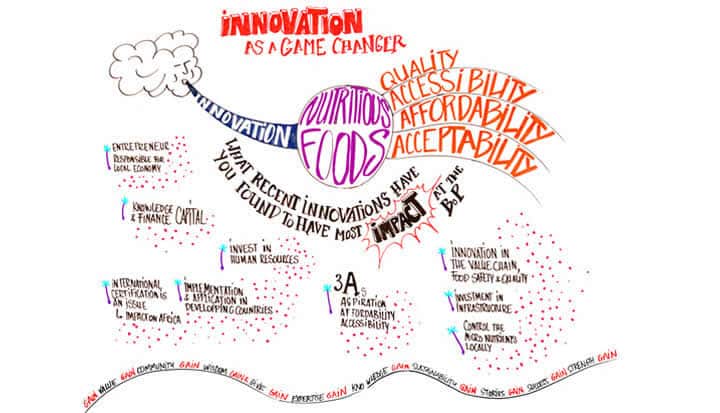
There has been much talk over the last decade of the role of the private sector in development. In the beginning, we debated fiercely over whether there even should be a role – in fact this debate still rages on. But for many it became clear that excluding the private sector was not practical and […]
New survey: importance of mentoring and training for entrepreneurs

Non-financial support is a vital factor behind the success of today’s young entrepreneurs, a YBI survey of 1,000 entrepreneurs in 21 countries today reveals. The survey, launched today to mark Global Entrepreneurship Week, shows that although entrepreneurs need money to start up their business, it is the non-financial assistance, such as mentoring and training, that […]
Africa: Consider Vocational training

It is worth recalling that vocational training is but one instrument for employment generation in Africa and, as such, should be kept in perspective. Whereas vocational training can develop appropriate skills and thereby improve labour supply and the “employability” of the work force, demand for labour depends on incentives for investment, including prices, the exchange […]
Engaging the Private Sector to Advance Agribusiness, Food Security, Nutrition in Africa
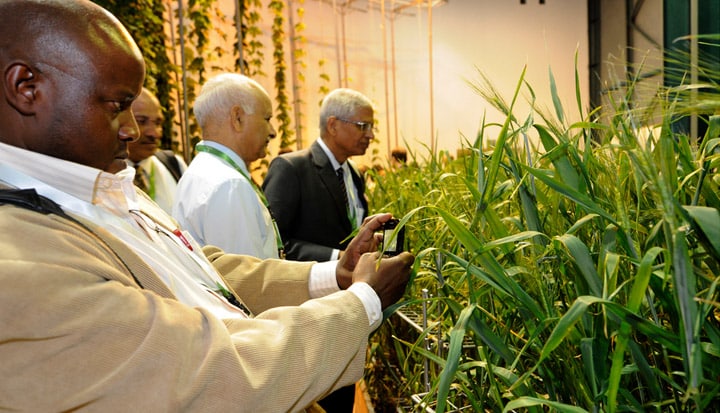
Blog: The business of global hunger Last week saw around 400 business and development community delegates from 50 countries come together in Johannesburg to discuss how to foster inclusive growth in the agri-food sector by engaging the private sector (download the press release). The AgriBusiness Forum 2011, co-hosted by the UNDP and the European Marketing […]