
Is there Any Evidence of Inclusive Business Results? Findings from the BIF Portfolio

There is a dearth of hard data on the commercial and social results of inclusive business. So we have been scrutinising thousands of pieces of data from 40 inclusive businesses, to see if findings from the Business Innovation Facility portfolio can help address that gap. On the down side, the businesses are still early stage, […]
Inclusive Business Priorities for the New Year

The close of 2013 brings with it the inevitable series of lists of the best and worst of the year. It’s good to reflect on deeds past, but this list takes a different approach: it describes what these lists should say a year from now. Six business specialists from across CARE International answered the question: […]
M-PESA: Innovating New Business Models at the BoP
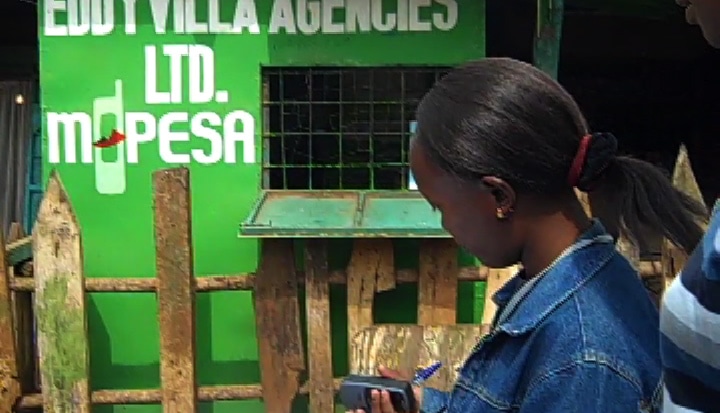
M-Pesa is one of the biggest success stories in the history of serving customers at the economic bottom of the pyramid–the world’s poorest. Launched in 2007 by Safaricom, it quickly dominated the cash transfer market, and grew at an astounding rate, capturing more than two-thirds of Kenya’s adult population as customers. Users who subscribe to […]
Enterprise: Focusing on the Next Generation
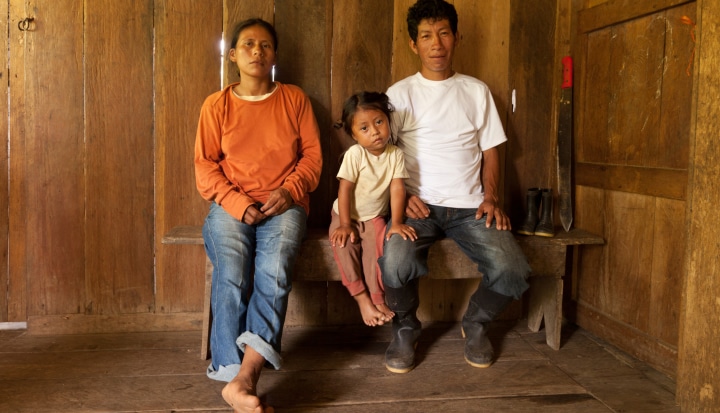
UNICEF refers to early childhood (pre-natal to eight years old) as the “years of wonder.” In no other period in human life is the brain so responsive to changes in the environment and so able to learn, grow, and develop. Billions of highly integrated neural circuits in the brain are established through the interaction of […]
How M-PESA Innovates New Business Models for its Base of the Pyramid Customers
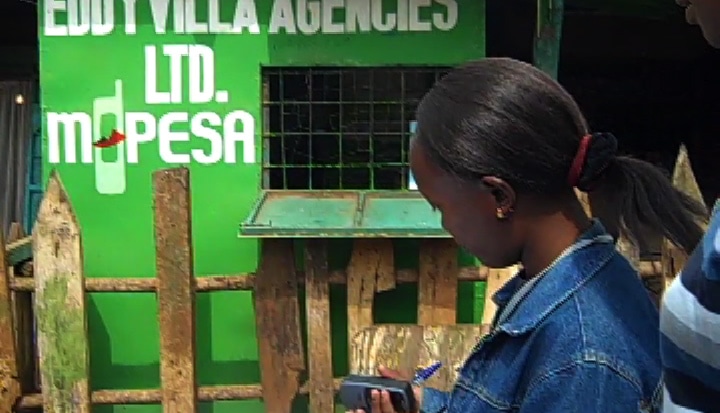
M-Pesa is one of the biggest success stories in the history of serving customers at the economic bottom of the pyramid–the world’s poorest. Launched in 2007 by Safaricom, it quickly dominated the cash transfer market, and grew at an astounding rate, capturing more than two-thirds of Kenya’s adult population as customers. Users who subscribe to […]
Innovations Against Poverty: Systemic Impacts

Systemic impacts are the ultimate goal of almost any donor-funded initiative that supports business in development. In the case of Sida’s Innovations Against Poverty (IAP) programme, that means that Sida’s money not only supports the individual inclusive businesses that receive grant funding (helping them to reach the poor with their products, services and business models), […]
The National Initiative for Human Development in Morocco

The National Initiative for Human Development (NIHD)[1] in Morocco promotes inclusive business as an important tool for development. Four factors seem to be especially crucial for the NIHD’s success as an inclusive business policy: Its high visibility as an overarching policy framework, its participatory approach, its collaborative governance and its clear implementation responsibilities. The National […]
Top 10 Blogs of 2013

The core strength of Business Fights Poverty is its vibrant community. In other words, you. 95% of our daily stories come from members. The sheer volume of amazing content led us to completely redesign the site earlier this year (read all about the changes here). The energy and enthusiasm of the community to share authentic […]
Systemic Impacts: Early signs from the Innovations Against Poverty programme

Systemic impacts are the ultimate goal of almost any donor-funded initiative that supports business in development. In the case of Sida’s Innovations Against Poverty (IAP) programme, that means that Sida’s money not only supports the individual inclusive businesses that receive grant funding (helping them to reach the poor with their products, services and business models), […]
Inclusive Business as a Tool for Development in Morocco

The National Initiative for Human Development (NIHD)[1] in Morocco promotes inclusive business as an important tool for development. Four factors seem to be especially crucial for the NIHD’s success as an inclusive business policy: Its high visibility as an overarching policy framework, its participatory approach, its collaborative governance and its clear implementation responsibilities. The National […]
What Can We Learn from Inclusive Business Start-Ups?

There is clear potential for business to fight poverty, but it’s not an easy journey for entrepreneurs trying to start a business that can benefit poor people. The high risk and uncertainty both in the markets and in the business models makes it difficult to find the capital necessary to turn ideas from concepts into […]
Bringing ‘Smart Insurance’ to India´s Poor
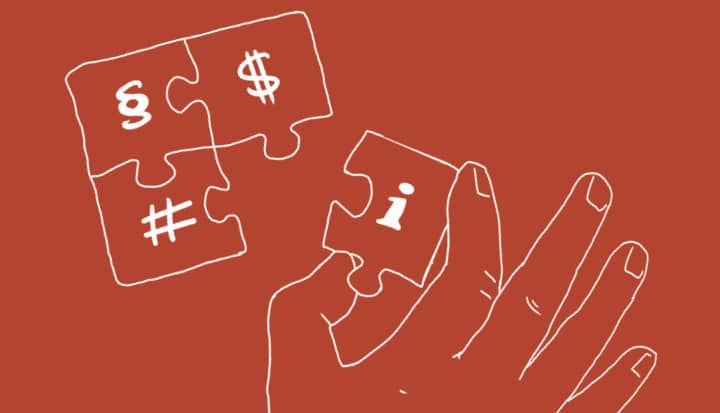
Anjali Devi has come a long way from her home in rural Punjab to the public hospital in Mohali, the capital of the district. The three hour bus ride to the hospital has led her and her husband get up early in the morning to make sure that they can make it back home the […]
4 Success Factors for an Inclusive Financial Sector
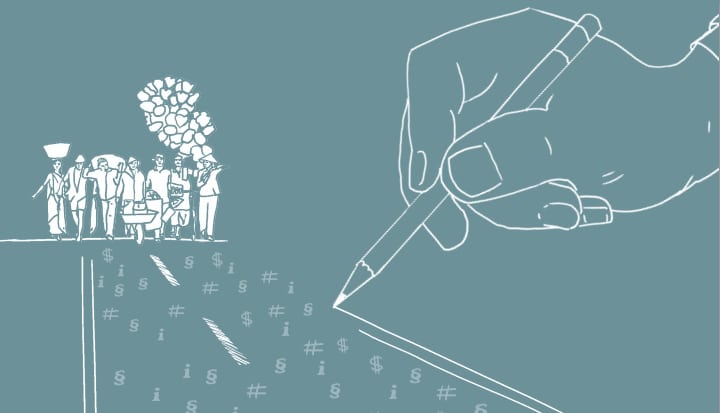
The potential of Inclusive business models to contribute to poverty eradication and sustainable development is well known – and is increasingly gaining attention among governments and policymakers in general. But many inclusive businesses are facing constraints, hindering them to reach a larger scale. They typically include a lack of information, rules, financial resources, and structure […]
“It´s Inclusive Business, stupid”
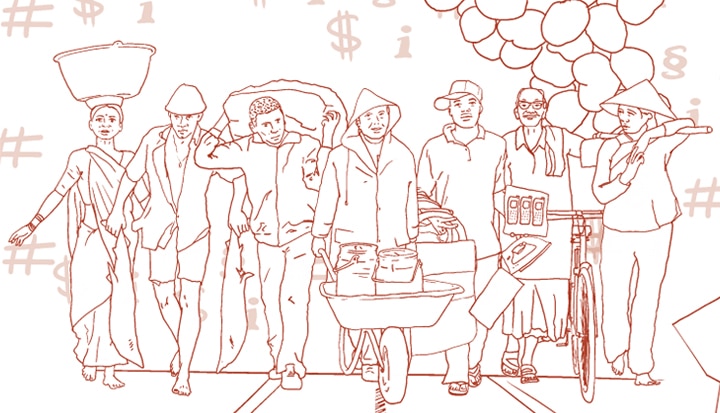
Of course, we do not know if Bill Clinton, provided he would run for president today, would frame his presidential campaign like this. But what we know is that today governments and donors would do good in promoting inclusive business and they have a number of policy options at hand to do so – as […]
Financial Inclusion and the Financial Sector Deepening Initiative (FSD) in Kenya
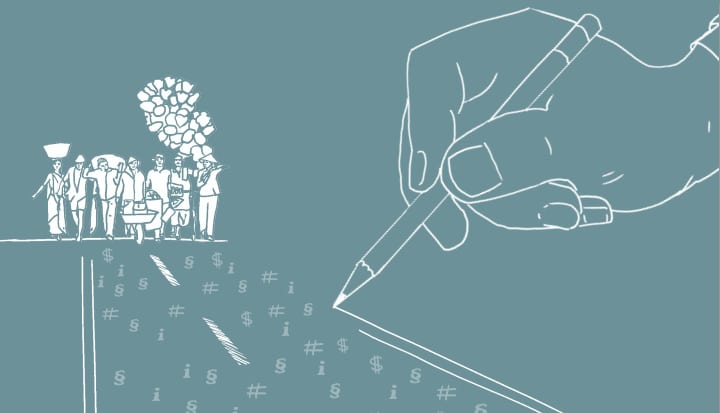
The potential of Inclusive business models to contribute to poverty eradication and sustainable development is well known – and is increasingly gaining attention among governments and policymakers in general. But many inclusive businesses are facing constraints, hindering them to reach a larger scale. They typically include a lack of information, rules, financial resources, and structure […]
Learning From Companies, Sourcing From Smallholders
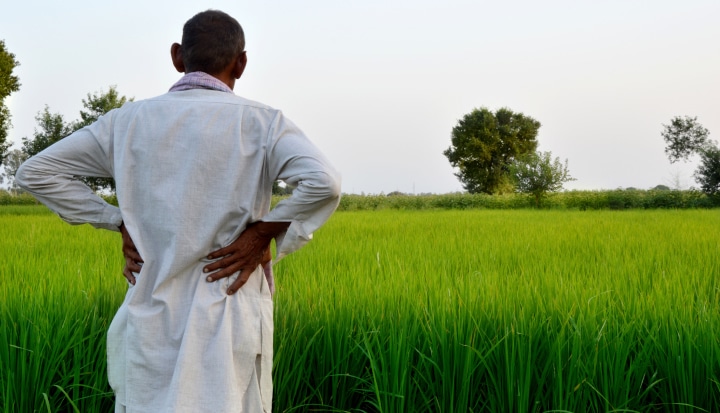
A sustainable supply chain that sources from smallholder farmers – sounds easy. But it is common knowledge that long-standing problems like insufficient quantity and quality, side-selling of the harvest, rainfall, pests and prices, can often beset initiatives in practice. Two candid new case studies depict the innovative attempts of two businesses to set up smallholder […]
Learning From Company, Sourcing From Smallholders
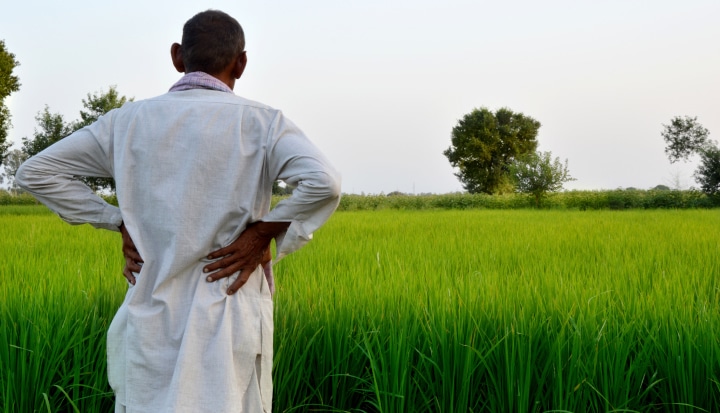
A sustainable supply chain that sources from smallholder farmers – sounds easy. But it is common knowledge that long-standing problems like insufficient quantity and quality, side-selling of the harvest, rainfall, pests and prices, can often beset initiatives in practice. Two candid new case studies depict the innovative attempts of two businesses to set up smallholder […]
Can A Non-Ag Company Transform The Ag Value Chain?
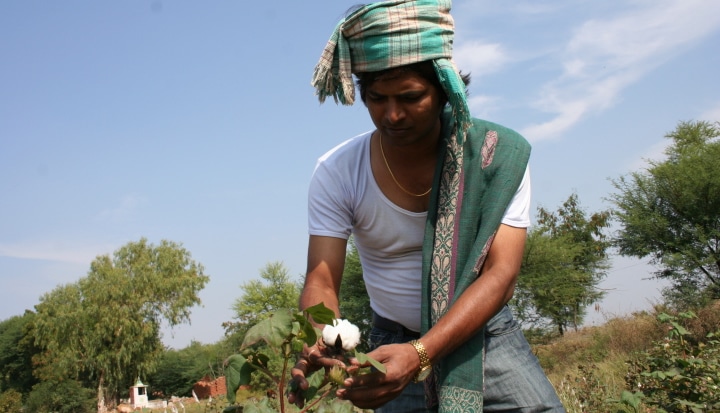
Tata Consultancy Services (TCS) and Stanbic Bank IBTC are large, well-established international companies in India and Nigeria respectively. One is a technology provider and the other a bank – and yet both are aiming to transform agricultural value chains. But how, you may ask. And more importantly, why? These questions are explored in two new […]
Exploring the Boundaries of What a Business Can Achieve
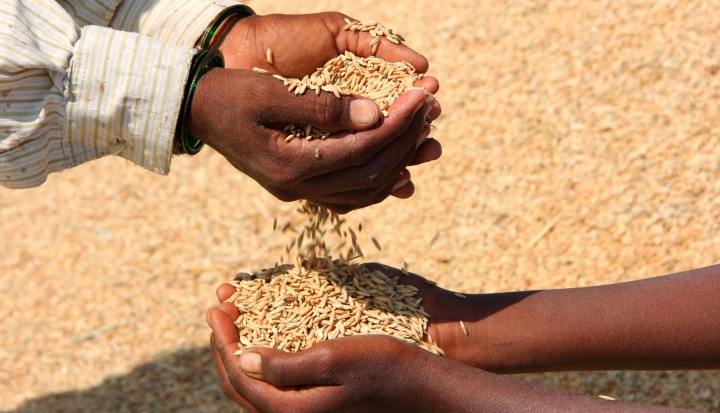
Three innovative start-up companies are pushing the boundaries of what business can achieve in delivering social goals through a commercially sustainable model. Each is building a sustainable business model with dual social and commercial returns in a space previously assumed to be occupied by donors, NGOs or Corporate Social Responsibility (CSR) departments. A few years […]
Exploring The Boundaries Of What A Business Can Viably Achieve
Three innovative start-up companies are pushing the boundaries of what business can achieve in delivering social goals through a commercially sustainable model. Each is building a sustainable business model with dual social and commercial returns in a space previously assumed to be occupied by donors, NGOs or Corporate Social Responsibility (CSR) departments. A few years […]