Systems Theory Through a Gender Lens

Entering Emerging Markets with Impact Awareness While the gender gap represents $28 trillion that could be added to global GDP by 2025, the pipeline of potential investments remains elusive for many funds. This is due to a range of factors including unconscious bias, a rigged system, lack of access to female networks, and lack of […]
Regenerative agriculture and women farmers
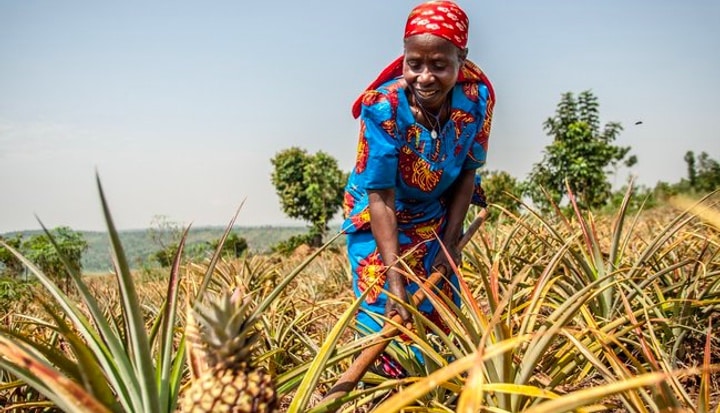
At Business Fights Poverty we’ve delved into how intertwined Resilience, Equity and Opportunity are in our fight for climate justice – access Climate Justice Summit resources. As youth activist Xiuhtezcatl Martinez said, “The planet doesn’t need saving, we do”, and so taking a people-centred approach towards the Climate Crisis is the necessary way forward. I […]
A transformative journey: Kasha’s mission to provide equal health access to all women
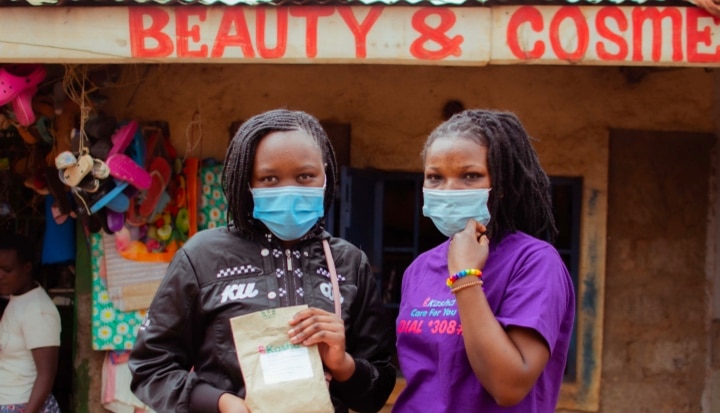
There are a number of organisations striving to achieve the UN’s Sustainable Development Goals. Perhaps the fastest way is the rapid scale up of enterprises that make a real impact on people’s lives in low-income countries. Joanna Bichsel saw an opportunity to change the way that women in emerging markets get the health and self-care […]
Seeking entrepreneurs and SMEs that are innovating in the care economy
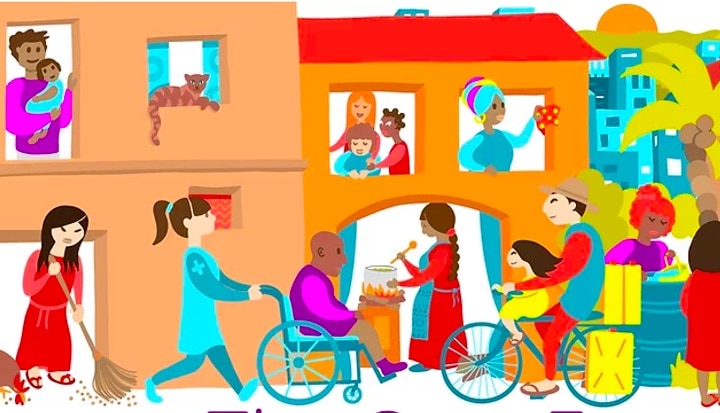
The entire global economic system relies on care giving – the millions of unrecognised and under-valued hours spent ensuring offices are cleaned, children and the elderly are taken care of, and food is prepared for families and workers. Usually this type of work is viewed as a ‘burden’, and a barrier to women’s economic empowerment, […]
Bridging the gender digital divide and improving girls’ self-esteem – An opportunity to partner with UNICEF
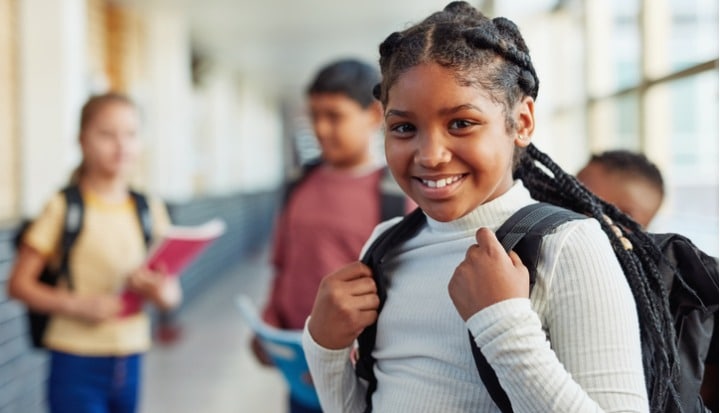
WHY: The gender digital divide and low body confidence and self-esteem amongst girls and young women Girls are a tremendous engine for transformational change. Equipped with the right resources, the world’s 600 million adolescent girls have the potential to become the largest generation of earners, leaders, innovators and change-makers. Globally however, adolescent girls are persistently […]
16 Days of Activism: Essential resources from the Business Fights Poverty resident gender expert
The United Nations is marking the 16 Days of Activism against Gender-based Violence under the global theme “Orange the World: End Violence against Women Now!” The 16 days kicks off on 25 November, the International Day for the Elimination of Violence against Women, and runs until 10 December, Human Rights Day. We invited our resident […]
16 Days of Activism: Essential resources from the Business Fights Poverty resident gender expert
The United Nations is marking the 16 Days of Activism against Gender-based Violence, under the global theme “Orange the World: End Violence against Women Now!” The 16 days kicks off on 25 November, the International Day for the Elimination of Violence against Women, and runs until 10 December, Human Rights Day. We invited our resident […]
Putting People at the Heart of Climate Action: 3 Reasons Business Must Care
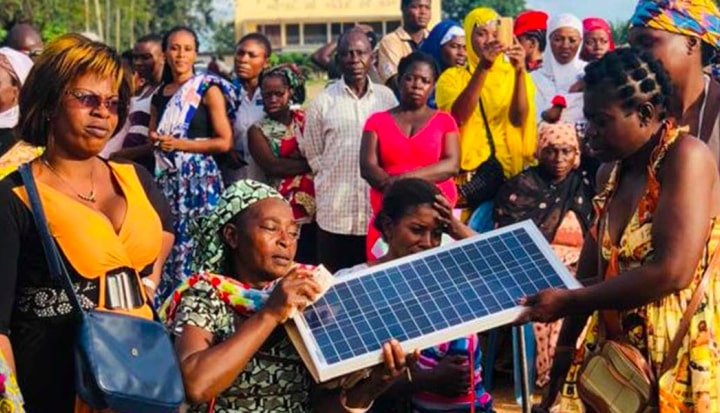
We’re just over two weeks away from a critical milestone in the fight against climate change. The UK will host the COP26 climate conference, bringing together countries to enhance their commitments for the first time since they made them under the Paris Agreement in 2015. The focus of attention has, rightly, been on those highlighting the […]
Why does so little funding go to women entrepreneurs, and what can we do about it?
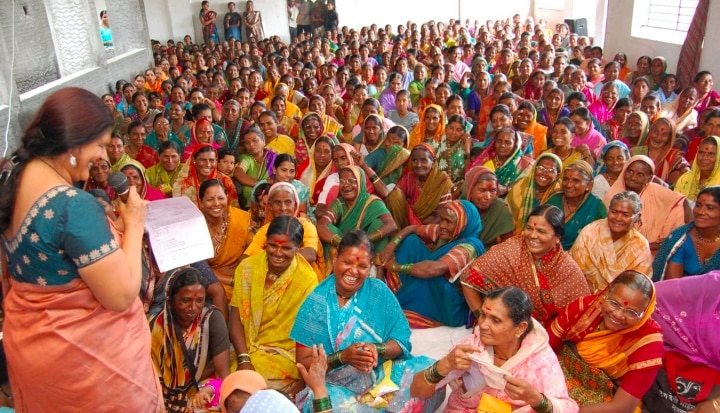
Chetna Gala Sinha never thought she would start a bank. “But women came to me and said they wanted to open a savings account”, she recalls, “one woman blacksmith was insistent that she wanted to save to buy a tarpaulin cover for the rain. The banks were not ready to let her open an account […]
The pandemic, supply chains and gendered impacts
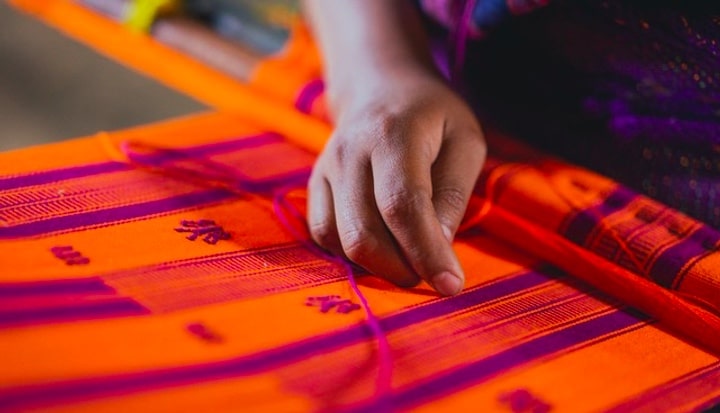
The Covid pandemic has had a profound impact on women across all dimensions of economic and social activity, finds briefing paper. From shifting gender roles in the household to the consequences on women’s roles within the economy to the health and well-being effects of the pandemic, the impact on women has been overwhelming. ISEAL, with […]
COVID-19 recovery: Why childcare must be part of the plan
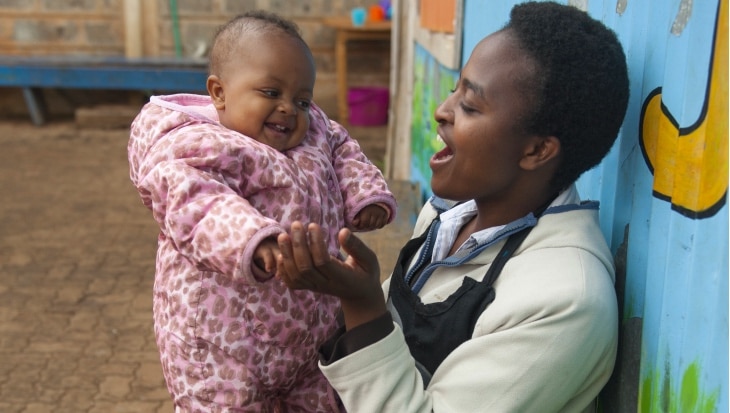
Dinnah, a mother of two living in one of Nairobi’s informal settlements, is among the millions of informal workers hit hardest by COVID-19. Before the pandemic, Dinnah earned a few dollars a day selling fruits and vegetables in the streets – barely enough to meet her family’s needs. After dropping her seven-year-old daughter off at […]
How to implement effective grievance mechanisms
Monica Romis is Private Sector Human Rights Advisor at Oxfam Business Advisory Service. Oxfam is an international organisation that works to end global poverty and to help build a world less divided by money, race, borders or gender. In this session, Monica speaks about grievance mechanisms, and references good practices that can help companies move […]
Interview with Sitsofe Sah, Electricity Company of Ghana (ECG)
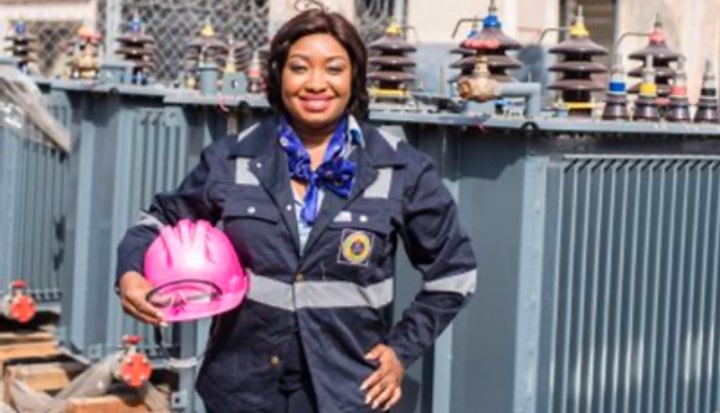
Miss Sitsofe Sah works for the Electricity Company of Ghana (ECG) as a Senior Accounts Assistant at the Accra East Regional Office. She is also the National Executive Treasurer of the Power Queen’s Club, a women’s employee association of ECG. As part of a series of interviews with participants of the Ghana Women in Energy conference, Dr. […]
New Learning and Insights Paper: Enhancing the Livelihoods of ‘Hidden Women’ in Global Smallholder Value Chains
Over a quarter of the world’s population make a living farming and working on small areas of land. Nearly half are women, who make crucial contributions to food security, livelihoods and global value chains. As a group, smallholder farmers remain among the world’s most vulnerable populations, facing precarious livelihoods and a disproportionate level of risk […]
Why Gender Inequality In Your Supply Chains Matters – And What You Can Do About It
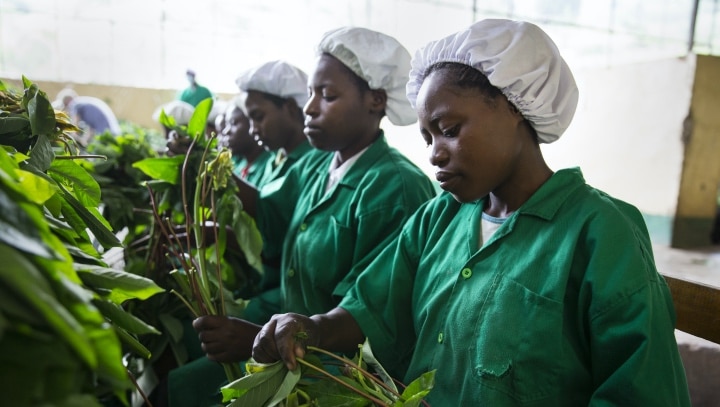
Gender inequality in global supply chains is not a new issue for the private sector though the ongoing impact of Covid-19 has seen conditions worsen for workers, particularly women who are often found in the most insecure and lowest paid jobs. The most recent Oxfam Behind the Barcodes report, ‘Not In This Together – How supermarkets […]
Transitioning to net zero whilst economically empowering women in supply chains
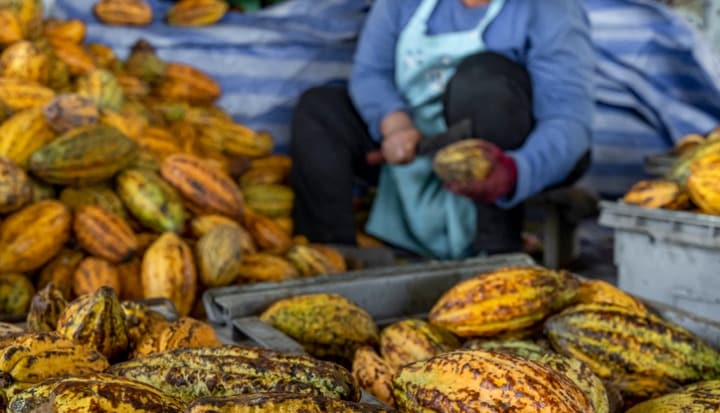
The climate crisis is accelerating faster and is more severe than previously anticipated – to avoid the destructive consequences of a world warmed by more than 1.5°C, we must decarbonise the global economy to reach net zero by 2050. At the same time COVID -19 and measures to prevent its spread are driving a disproportionate […]
How to respond to gender inequality issues in global supply chains
Jiselle Steele is Private Sector Gender Advisor at Oxfam Business Advisory Service. Oxfam is an international organisation that works to end global poverty and help to build a world less divided by money, race, borders or gender. In this session, Jiselle explains what has been the impact of COVID-19 on inequality and gender gaps in […]
Family Planning is an Essential Healthcare Service and Businesses Must Make It a Priority

Around 218 million women in developing economies are unable to access effective family planning, with potentially devastating impacts on their health and wellbeing, as well as their opportunities for education and employment. This matters now, more than ever: during the COVID-10 pandemic women and girls are living with an increased risk of domestic violence, early […]
Driving social impact for women in the RMG industry in Bangladesh
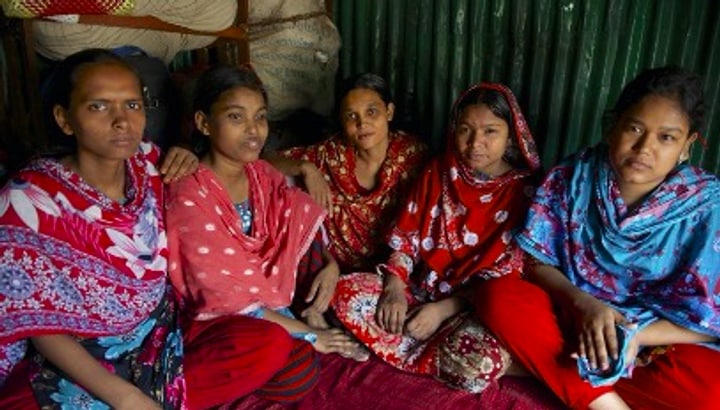
The ready-made garment (RMG) industry in Bangladesh has been a catalytic engine of economic development and social impact for the last four decades. It contributes 83% share of the country’s total exports[1] and has been a consistent force behind an impressive GDP annual growth of over 6% since 2005[2]. It has also been a driver […]
Gender equality and a human centric approach to the COVID-19 pandemic: Is there a link and is the fashion industry doing enough?
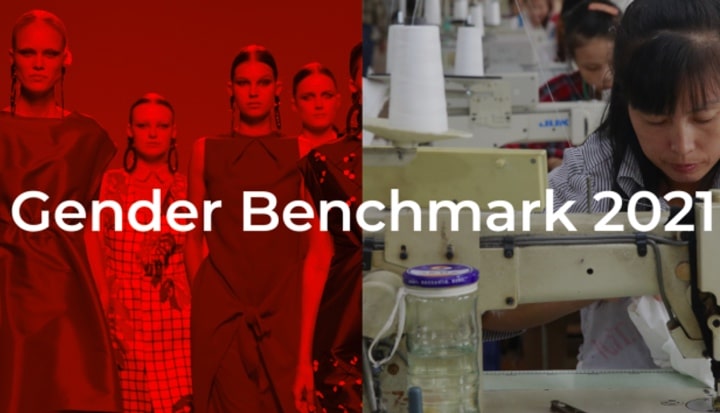
At the onset of the COVID-19 pandemic, many of the world’s most loved fashion brands were quick to cancel or postpone their orders due to a shortfall in consumer demand. With high-street shoppers in lockdown, companies made dishonourable use of their force majeure contract clause to delay or avoid payments to suppliers; leaving the thousands […]