Women Smallholders Will Drive Africa’s Transition to Regenerative Agriculture
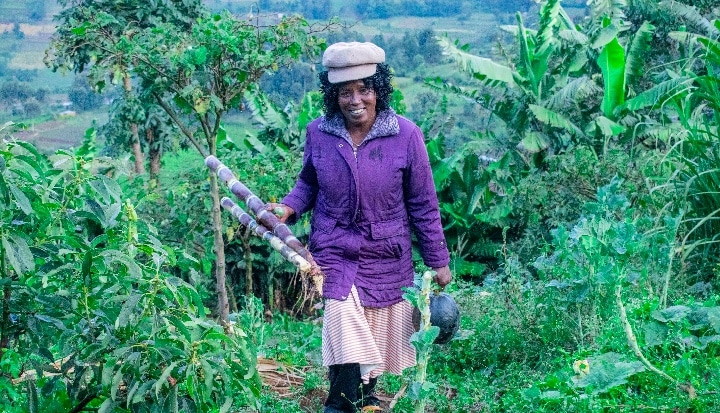
An estimated 140 million people in Africa are facing acute food insecurity[1], yet, in Kenya alone, 50% of all productive soil is badly degraded. Worse still, because of record droughts, half of Kenyan farmers have harvested nothing in the last four seasons. Regenerative agriculture techniques offer the world’s poorest farmers a lifeline, restoring soils and […]
How Gender-Responsive Media Can Help Women’s Economic Empowerment–and Business
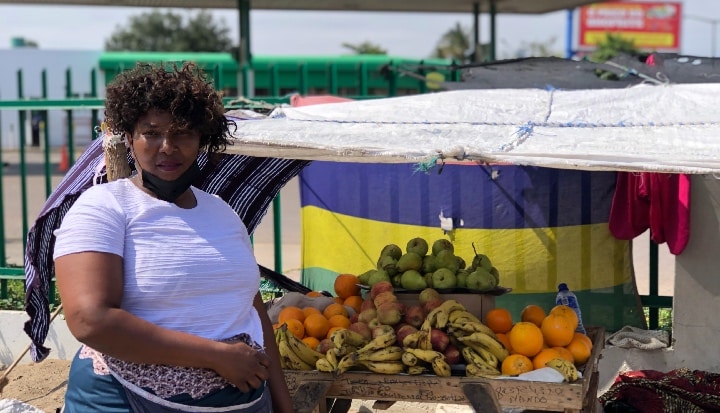
The existence of a gender income gap in Sub-Saharan Africa is perhaps not a surprise, given the existence of similar gaps around the world, but its magnitude is still startling: according to the World Bank, the median monthly income of men is more than twice that of women. What is driving this? Women are both […]
New Research Reveals the Benefits and Costs of Gender-Smart Technical Assistance to SMEs and Investors
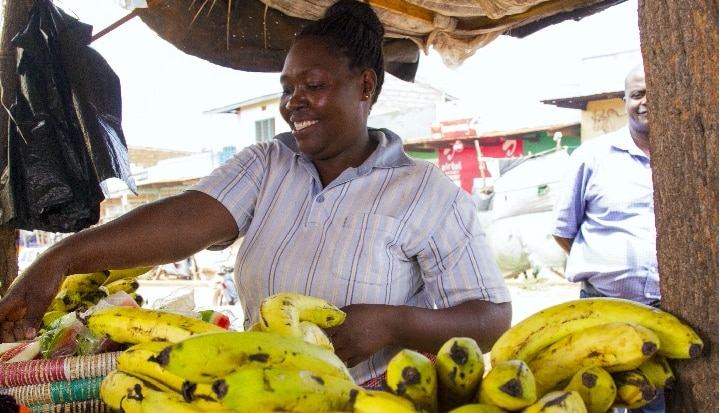
Gender lens investing includes three key entry points for investors: (1) providing capital to women-led/founded companies and/or gender-forward businesses; (2) applying a gender lens to the investment cycle, such as during pipeline development; and (3) funding and supporting the design and implementation of gender-inclusive technical assistance (TA) activities. Investors often focus on the first two […]
Why Investing in Informal Women Workers is Critical to Maintaining Resilient Supply Chains
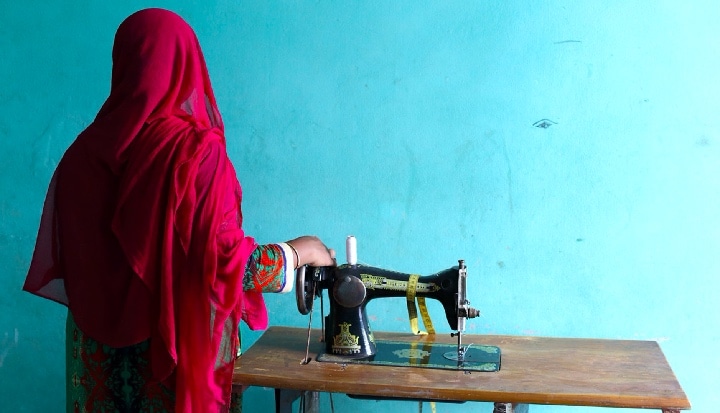
Over 60% of the world’s employed population make their living through informal work, with no access to formal contracts or protection. Women make up a disproportionate percentage of informal workers, with 740 million women’s livelihoods dependent on the informal economy globally. Lack of secure employment contracts or social protection for these workers means that when […]
Women Cotton Farmers and Climate Solutions
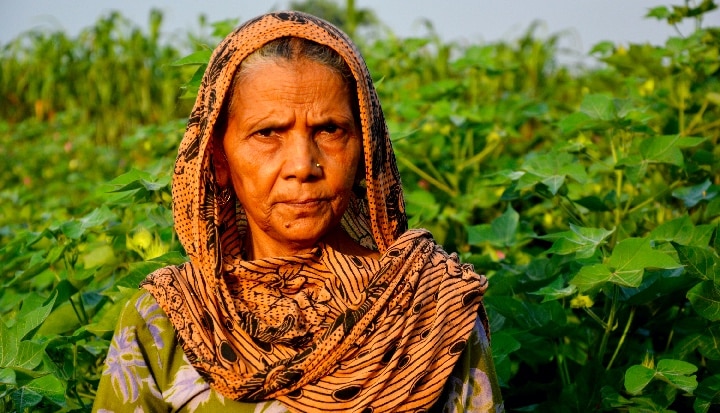
I was very happy to be a part of Business Fights Poverty’s Climate Justice Summit. The topic of conversation – gender equity and its role in combatting climate change – is one of the most pertinent subjects. And it got me seriously thinking about the work we’re doing at CottonConnect, and how we can boost […]
Why the Burden on Business Women to ‘do it all’ Must Stop
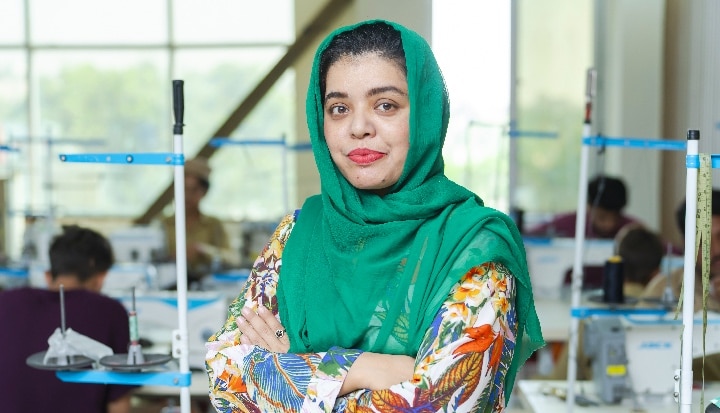
Glorifying multi-tasking by women entrepreneurs must stop. Women the world over are often celebrated for juggling their business with childcare and household responsibilities. The assumption that a woman should be the primary caregiver and the man should be the breadwinner are norms so entrenched they remain consistently unchallenged. This needs to change. NGOs and businesses […]
Access to Menstrual Health & Hygiene Products in Rural Ethiopia
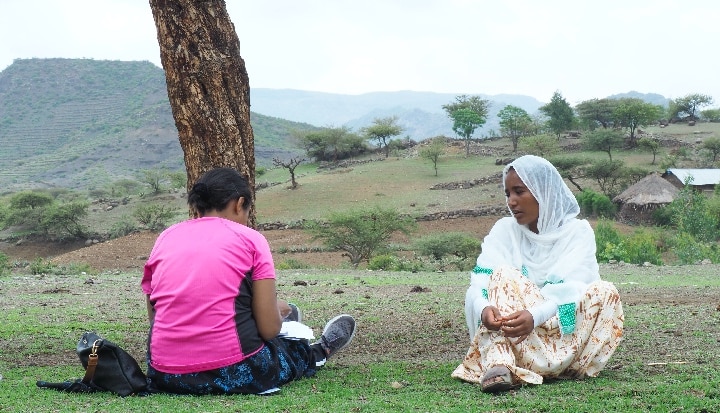
Menstrual health and hygiene (MHH) is a term used to encapsulate the broader systemic factors that link menstruation with health, well-being, equity, empowerment, and individual rights. Around the world, MHH is challenged by the stigma and shame associated with menstruation, which affects the ability of menstruators to access a myriad of resources such as accurate and […]
Making the Care Economy Everyone’s Business
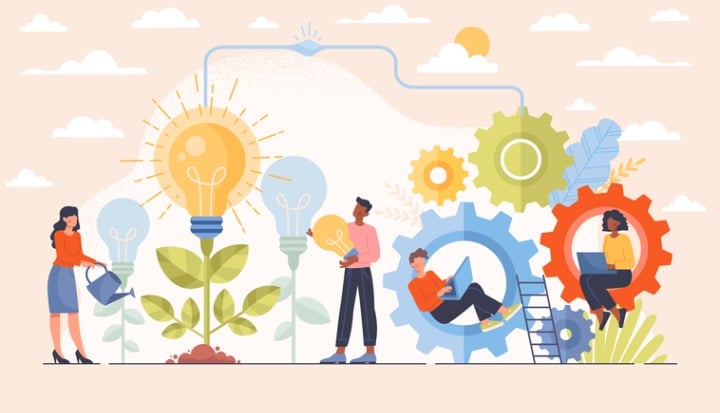
Take our survey to help us better understand business motivations for addressing the care economy and how entrepreneurs innovating in this space could support your business. Are you an FMCG company, concerned about the double day women in your supply chain are working – at the factory and then at home. What does this do […]
Network of Small-Scale farmers in India Tackle Climate Change
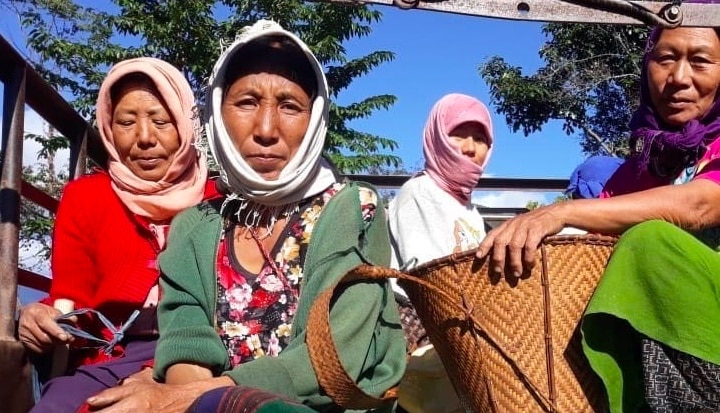
“It was a turning point for me,” said Ruchi Jain, Founder and CEO of Taru Naturals, about her trip to the villages of small-scale farmers in India struggling with the effects of climate change. “I realized that if you want to make a big impact on the world, you have to be grassroots-based—it has to be […]
Effective Support for Women Entrepreneurs Goes Beyond Skills Training
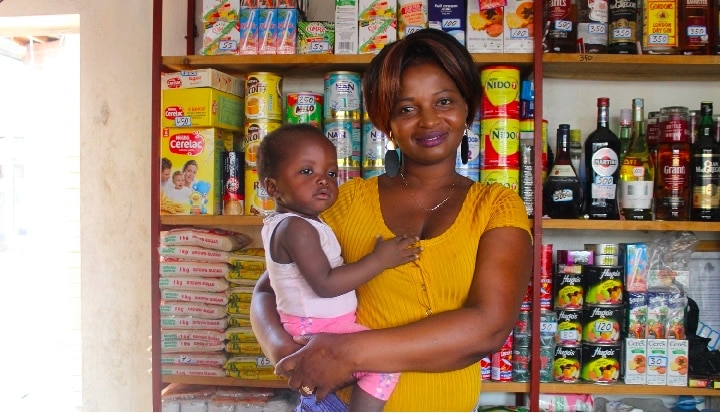
Effective Support for Women Entrepreneurs Goes Beyond Skills Training Bernadette Sambo is an entrepreneur, wife, and mother of three in Maputo province, Mozambique. The challenge of balancing these roles is only made more difficult by restrictive gender-based social and familial expectations. “It had been very difficult to work and negotiate with my husband,” she recalls. […]
Progress in closing the gender gap in mobile internet use has stalled

Progress in closing the gender gap in mobile internet use has stalled More than 3.2 billion people in low- and middle-income countries (LMICs) now access the internet on a mobile phone. Mobile is the primary way men and women access the internet in LMICs, accounting for 85% of broadband connections in 2021.[1] Despite the critical […]
Advancing Gender Equality through Inclusive Distribution Networks
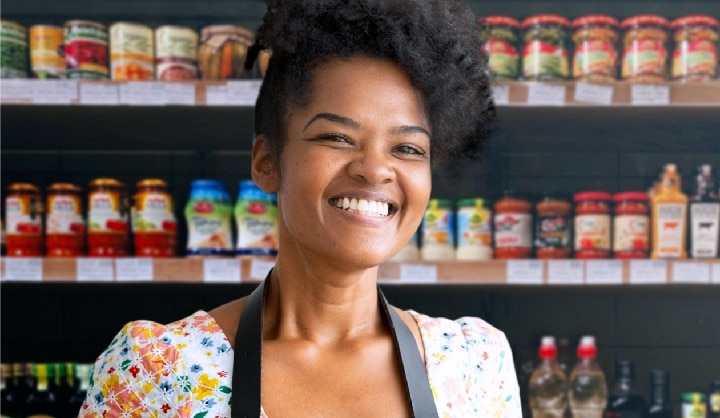
Advancing Gender Equality through Inclusive Distribution Networks Women play a vital role in fast-moving consumer goods, or FMCG, value chains. Much of the focus on accelerating gender equality in this space, however, has been limited to supporting women suppliers. Women can also play key roles in FMCG value chains, both as distributors and as retailers. […]
Driving Social Entrepreneurship and Nature Conservation in Mexico
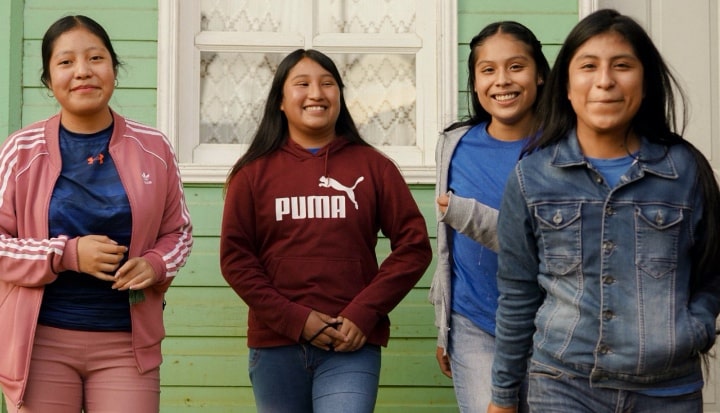
The Copalita-Zimatán-Huatulco watershed in the state of Oaxaca, Mexico is home to one third of the country’s biodiversity and equally rich in culture. Zapotec indigenous communities have lived in the upper and middle parts of the watershed for centuries, since pre-Hispanic times. As in many rural areas, women in the Copalita watershed play a key […]
Bridging the Supply Chain Gender Gap through Digital Training
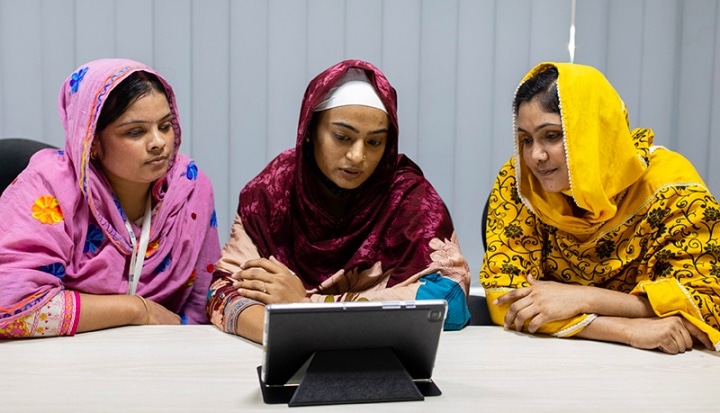
The COVID-19 pandemic impacted the lives of approximately 190 million women workers in global supply chains. Employees needed to access critical information on health, financial resilience, and tools for building harmonious relationships and handling stress. Since on-site training was no longer an option, HERproject kickstarted HERessentials, a tablet-based learning app for workers and managers, in Pakistan, India, […]
GBV and Domestic Violence in Ukraine and How Businesses Can Help

This in-depth article on Gender-Based violence in Ukraine was commissioned by Business Fights Poverty, with the support of Avon. Domestic and gender-based violence is a phenomenon of constant concern in the world. Fighting it is the focus of many international organizations, human rights defenders, and socially responsible businesses. Unfortunately, as a reasonably stable phenomenon (i.e. […]
Engendering Regeneration for Supply Chains that Last
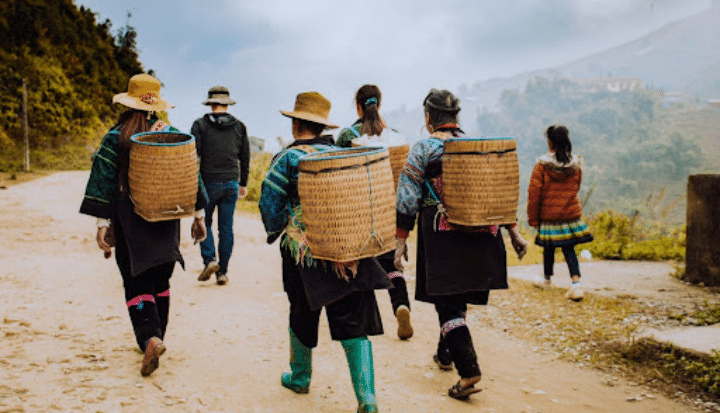
In a decade marked by climate shocks, pandemia, and global interconnection, the call to #InvestInOurPlanet is top of mind for individuals and companies – not just for Earth Day but for the future of life and business as we know it. Food and beverage corporations sense the urgency to transition to more renewable sources for […]
Inclusive business models can help close the gender gap
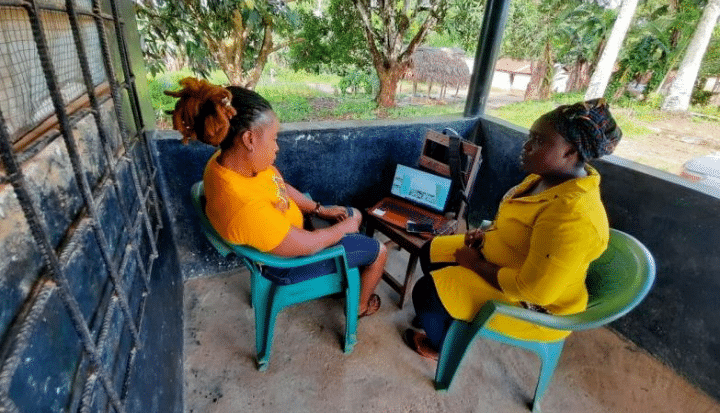
Even a successful inclusive business model does not automatically eliminate long-held prejudice and bias against women. “Supporting women in agriculture is the right and smart thing to do” – this has been our motto at GROW Liberia for the last five years. But what does this mean in practice? How do you convince partners – many of whom […]
Race to the top: How we pushed supermarkets to take human rights seriously
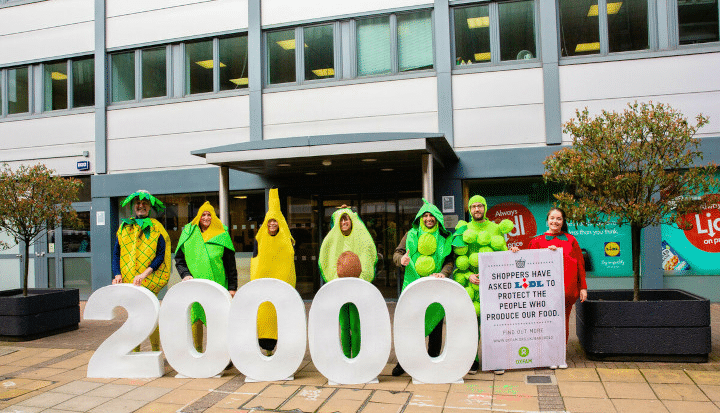
“Five kilos of extra beans on each worker’s table,” says Joseraldo Medeiros, a union leader in Brazil’s fruit exporting region of Rio Grande do Norte. “If we hadn’t fought for this, workers would not have received [the equivalent of] five kilos of beans in their salary.” The five kilos of beans cost 40 reais, or around $8, […]
Women at the Center of Africa’s Post-Pandemic Recovery

Every year, Women’s History Month is a chance to celebrate women of the past who have shaped the Africa we have become – and to highlight African women who are making history today. History will look kindly on the women whose pioneering responses to the pandemic saved many lives. Women like Dr Tlamelo Setshwaelo, who […]
It’s time to collect more and better gender-disaggregated supply chain data
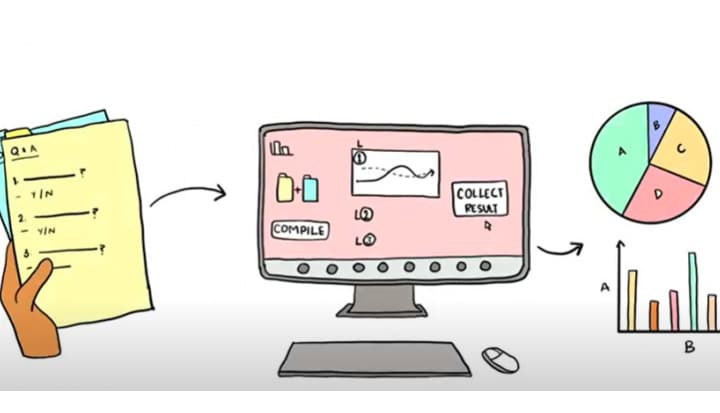
The reality, however, is that most supply chain data is largely gender blind, meaning it views workers as a homogenous group. This lack of gender-disaggregation limits our understanding of certain risks, disparities, and inequities that may be gender sensitive. It also impedes our ability to determine whether supply chain programmes and initiatives are having equal outcomes […]