New Evidence Supporting the Business Case for Investing in Female Garment Workers
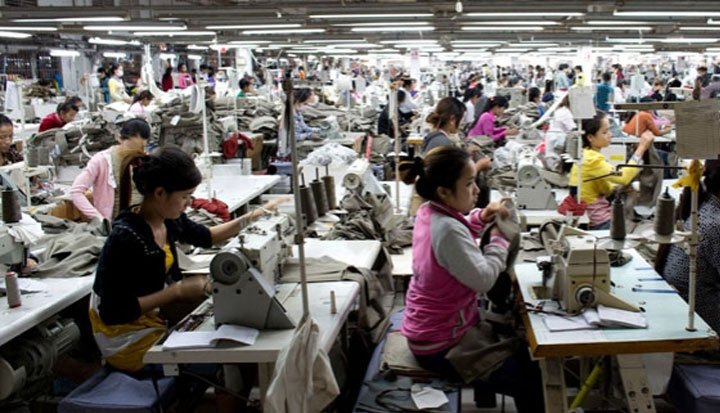
CARE’s programmes on dignified work have for a number of years included training sessions for women in factories. Recent research provides further evidence, backing up our own findings, that investing in training for women workers makes good business sense for factory owners. A key initiative that we have been involved in implementing has been the […]
Making DFID’s Economic Development Strategy Work for Women
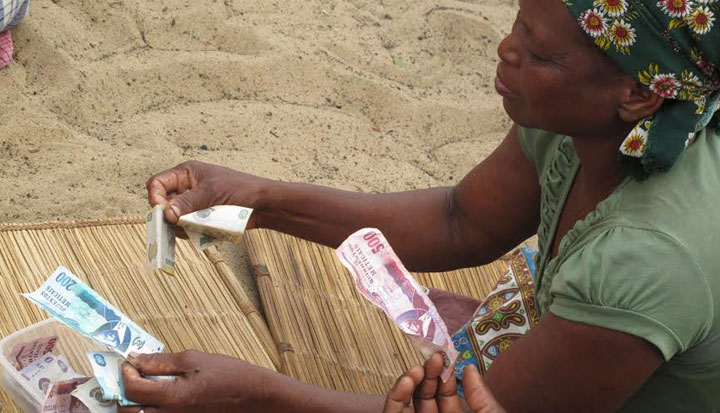
CARE firmly believes that inclusive economic development is at the core of eliminating extreme poverty and injustice. So we welcome DFID’s focus on this agenda and their long-awaited strategy, published this week. What we are most concerned about now, though, is how it will deliver for the world’s poorest women. We should be cautious about […]
Top 10 Discussions of 2016

2016 saw our 100th online discussion, with over 1,300 comments posted over the course of the year! Online discussions have played a central role in our new Challenges as a way for members to share insights on the Challenge question. From next year, we will be upgrading our discussion forum to make it easier to […]
Empowering Today’s Women for the Women of Tomorrow
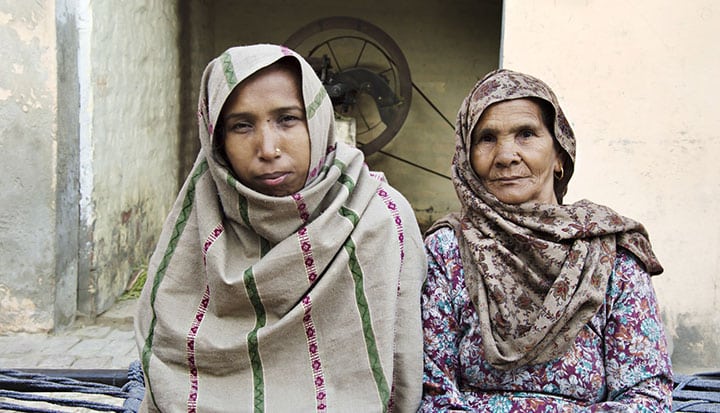
Interview with Johanna Ryan, Social Performance Director, VisionFund International Johanna Ryan will be speaking at a dinner hosted by Women Advancing Microfinance UK on Tuesday 31st January 2017 in London. She will talk to us about the work VisionFund International does and the impact it’s having on the lives of women. Tickets to the event […]
Public-Private Partnerships Critical to Fighting AIDS
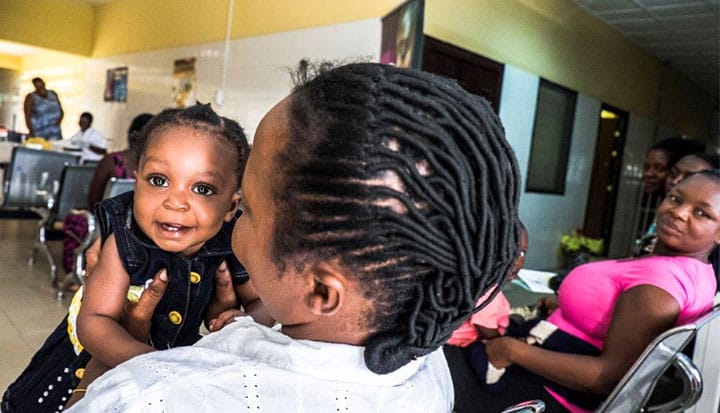
Interview with Dr. Huma Abbasi, General Manager, Global Health and Medical, Chevron, and Mark Viso, President and CEO, Pact December 1, 2016 marked the 28th World AIDS Day – observed to commemorate those who have struggled with the disease and those who continue to fight against it. Despite huge advances toward ending the HIV/AIDS epidemic, […]
Lightening the Load of Women’s Unpaid Care Work
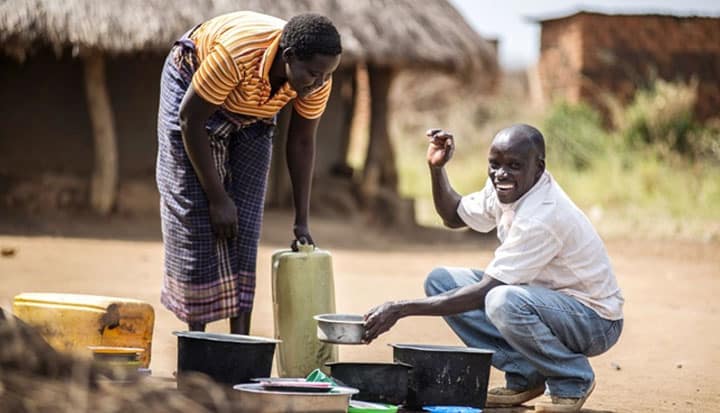
We’re excited to announce a three-year partnership with Unilever’s Surf brand that aims to recognise, reduce and redistribute the amount of time spent by women and girls on unpaid care work. In some parts of the world women and girls currently spend as many as six hours a day on unpaid care work – a […]
A Conversation with Dr. Ngozi Okonjo-Iweala
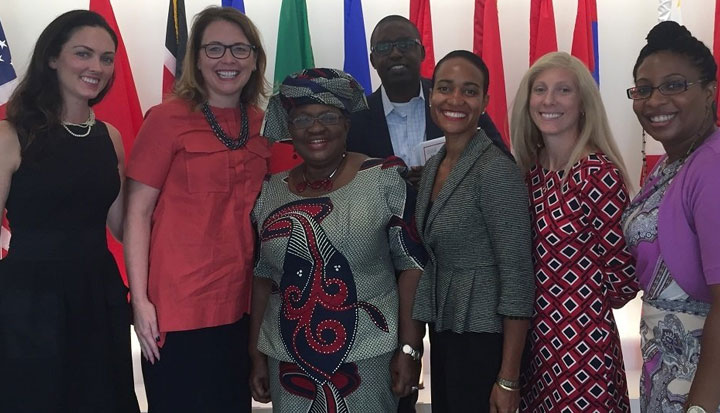
Internationally recognized development economist Ngozi Okonjo-Iweala served as Nigeria’s Minister of Foreign Affairs and twice as Nigeria’s Finance Minister — the first woman to hold either post. She has held several key positions at the World Bank, and in 2014, Time magazine named her one of the 100 most influential people in the world. Currently, […]
Addressing Social Norms to Stop Gender-Based Violence and Harassment in Factories and Farms
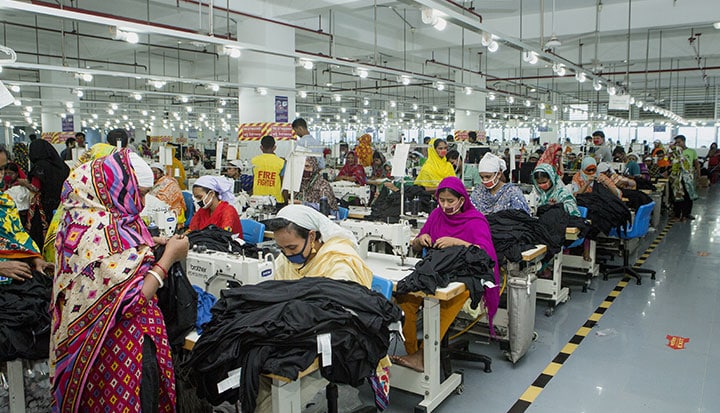
“The workload is tremendous here. They swear at us when we fail to complete the work. … They scold. They say, ‘Hey you! Daughter of a bitch, daughter of a pig! How come so much work has been piled up?’ …At such times I feel really bad. … I cannot stand this. I cry. I […]
Can Complex Development Be Explained on a Bar of Chocolate?
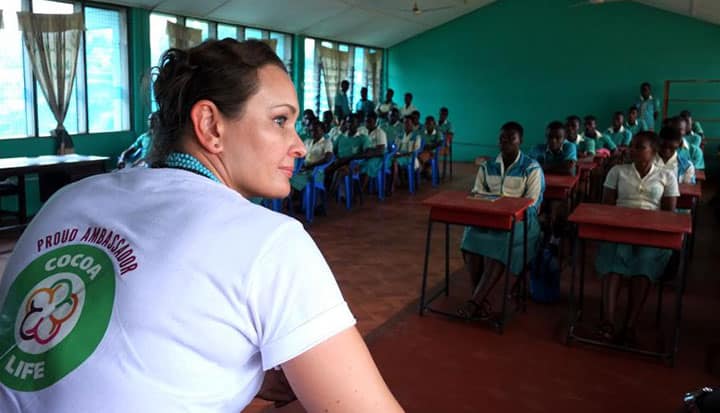
How can Mondelēz International – the world’s biggest chocolate company – show their consumers that their chocolate is produced in a sustainable way? I was recently in Ghana with a group of Mondelēz’s European staff, seeing for themselves how their company is working with cocoa farmers through its Cocoa Life sustainability programme. The purpose of […]
10.5 Million Opportunities – Leveraging Savings Groups with Business Training
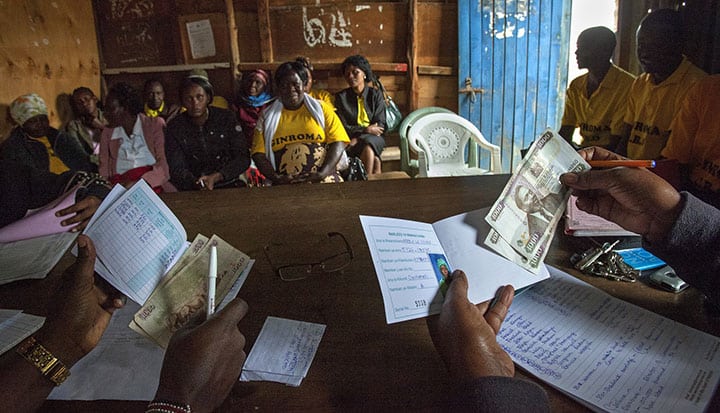
Hand in Hand International Ten-and-a-half million. That’s the number of Savings Group members worldwide. For more than two decades, in 70 countries, the groups have been credited with banking the unbanked, improving women’s economic empowerment and strengthening social cohesion. Now, according new research, another triumph can be added to the list: boosting business incomes by […]
Collaboration in Support of Micro-Enterprises in Value Chains
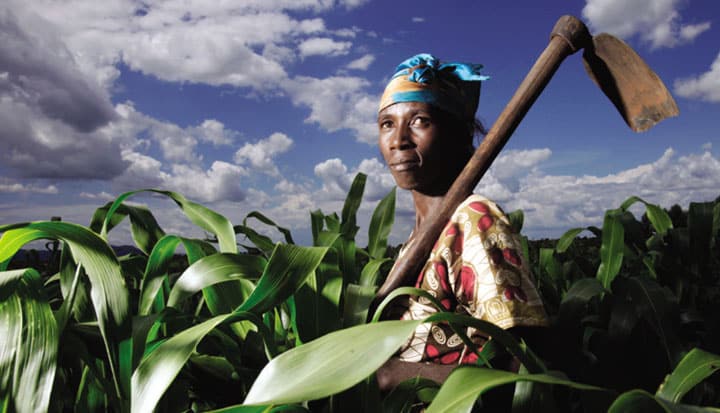
The “Growing Together” report – guidance to businesses to support them in helping micro-enterprises in their value chains to thrive, and why that is important for women’s economic empowerment. Our new report – “Growing Together”, developed with SABMiller, the Harvard Kennedy Corporate Responsibility Initiative and Business Fights Poverty, sets out why businesses should take a […]
The ‘Root’ to Women’s Empowerment
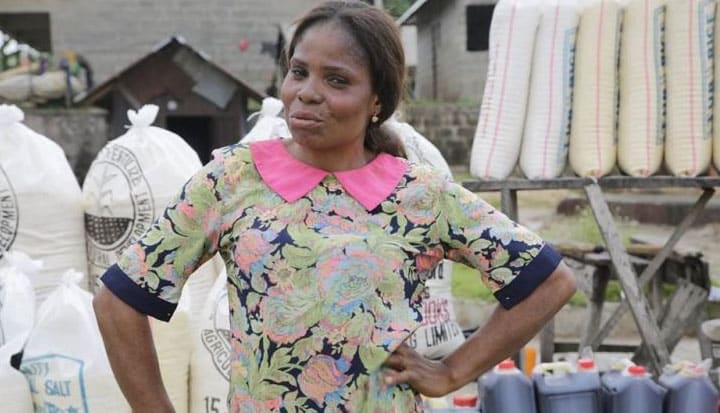
Growing up in rural south-east Nigeria, as the first born child in my family, I assisted my mum in her small business as she struggled to make a living. When the opportunity to go and live with my aunt in eastern Nigerian arose, I was excited; I thought I would be relieved from the hard […]
One Year of Inclusive Business Models in Bangladesh
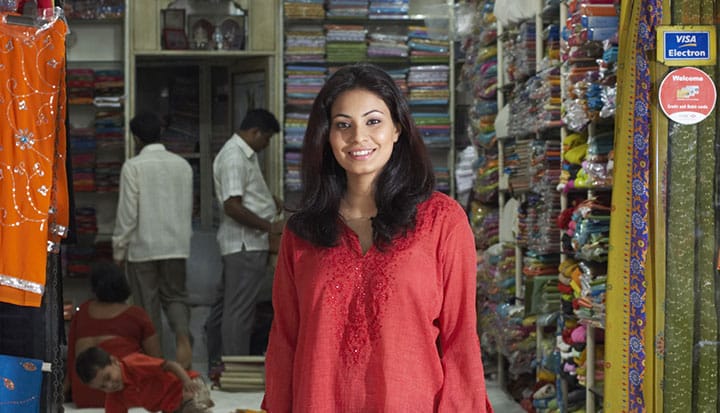
Six Inclusive Business (IB) models dedicated towards SRHR were launched on the 25th August, 2016. In the last one year, the project has relentlessly worked to establish a sustainable solution to the Sexual and Reproductive Health and Rights (SRHR) of 3.5 million female Ready Made Garments (RMG) workers. In the continuous effort to improve lives […]
African Diaspora: Mobilizing Resources and Skills in Uganda
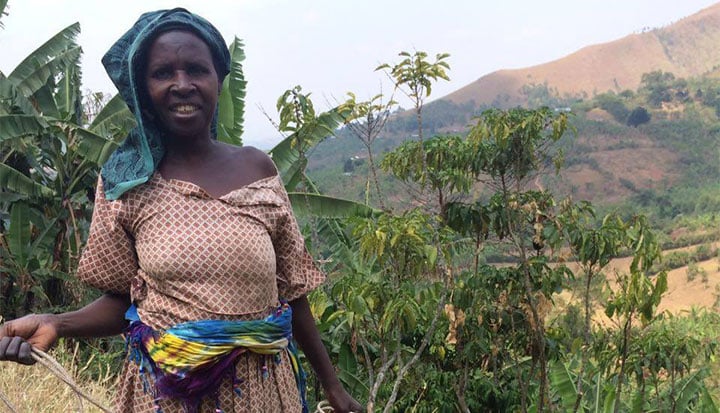
African diaspora love their heritage countries and most send support in various forms to their families that remained behind. Most send money and it has been noted that remittances to Africa have surpassed Western aid. Beyond sending money, Africans in the diaspora have setup various networks to address issues impacting entire communities back home by […]
One Million Women Missing From the US Tech Sector
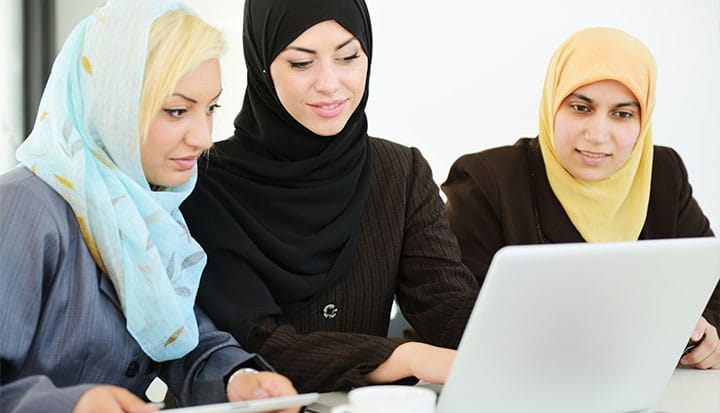
Despite an estimated investment by the US technology industry of $0.8bn – $1.2bn in diversity efforts over the past five years, women’s representation at tech firms has actually decreased. In the last 15 years representation of women has fallen a percentage point, to represent just 28 percent of the tech workforce today. Given women are […]
Enhancing the Livelihoods of Women in Unilever’s Agricultural Supply Chain
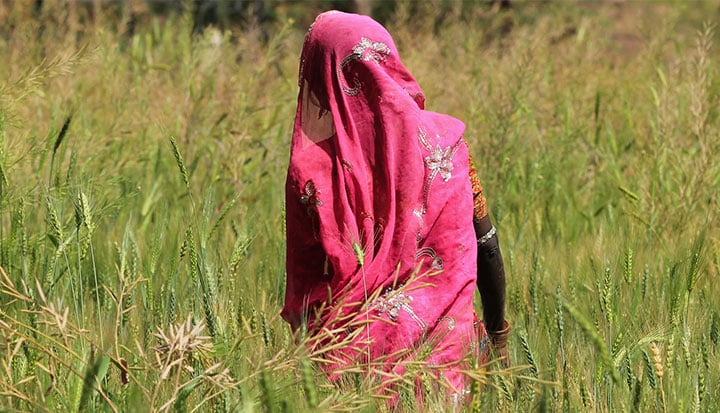
Unilever Case Study on Women’s Economic Empowerment Overview Empowering women is critical to eradicating poverty and accelerating global development. In Unilever’s case, this is hugely important for us. Over 70% of the people making the decision to buy our brands are women. Our future growth depends on meeting their needs and aspirations and on supporting […]
Mars Women Empowerment Plan
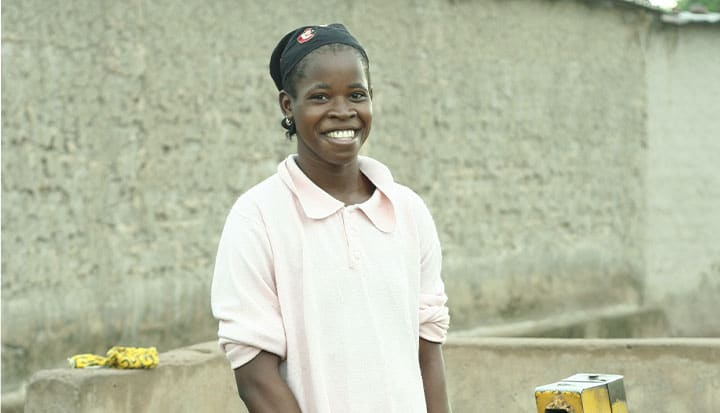
Background Women provide approximately 45% of the labor in cocoa supply chains, yet they face discrimination in access to resources compared to their male counterparts. They often work unpaid on family farms and are not always viewed as “farmers”. Low education, poor access to health services and limited training greatly disadvantage women (and their families) […]
Access to Finance and Women’s Economic Empowerment
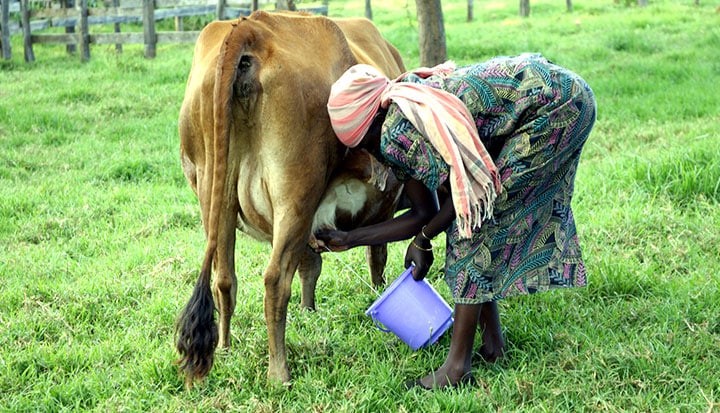
Cherie Blair Foundation Case Study on Women’s Economic Empowerment In 2014 the Cherie Blair Foundation for Women partnered with Accenture and CARE International to promote the long-term financial independence of Rwandan women, by providing a combination of mentoring, training and improved access to financial services. Financial inclusion is a deeply gendered issue in Rwanda, where […]
Diageo Case Study: Building Diversity Internally

Diageo Case Study on Women’s Economic Empowerment Celebrating diversity and actively creating an inclusive, collaborative culture is core to Diageo’s purpose of celebrating life everyday everywhere. For our business to thrive, Diageo depends on having the right people with the skills and capabilities in each of the 180 countries in which they operate. Diageo is […]
Empower a Woman and a Whole Community Will Thrive
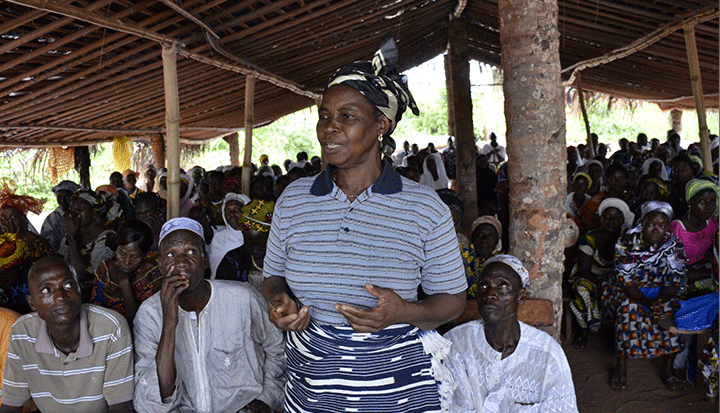
Empowering women benefits everyone and is essential for cocoa growing communities to thrive. Research shows that increasing women’s involvement leads to improved financial management by farmers, better education of youth and more sustainable, thriving communities. Cocoa Life, Mondelez International’ cocoa sustainability program, is deliberate about promoting women’s empowerment. Cocoa Life has worked to mainstream gender […]