Highlighting the Plight of Woman Agricultural Workers in Coffee Production #BalanceforBetter International Women’s Day 2019
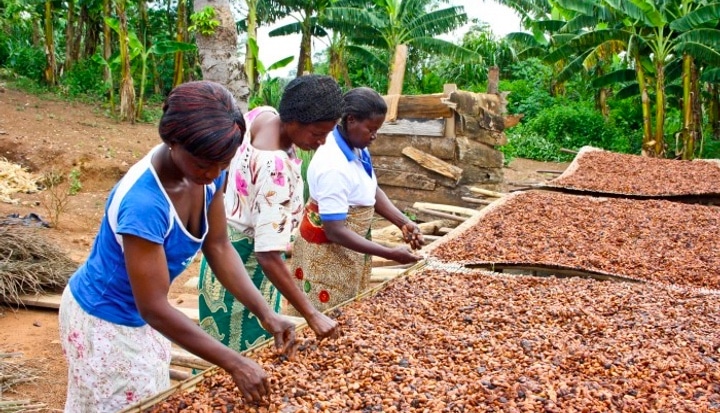
When Florence Njiraini’s new husband gifted her 1,500 coffee plants on the slopes of Mt. Kenya years ago, she knew almost nothing about farming. Determined to make her plot a success, she set about learning as much as she could, and soon she was employing sustainable growing practices. Njiraini is not only successful as a […]
A Transparent Cuppa – Mapping Our Tea and Coffee Supply Chains
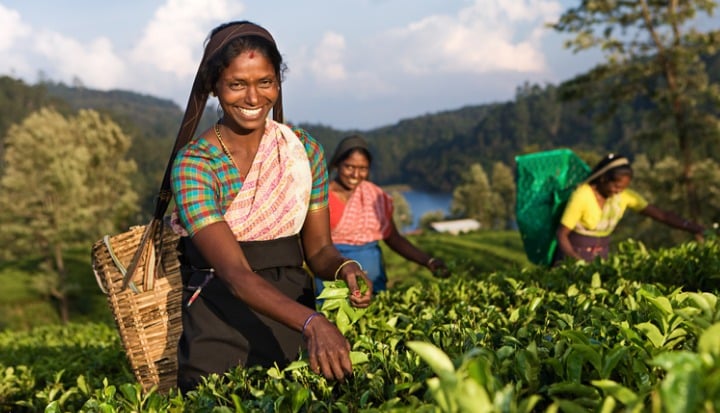
As we enter the second week of Fairtrade Fortnight, it’s a time to celebrate our Fairtrade products and reflect on our hard work building strong relationships with our producers and working on programmes such as empowering women in the supply chain. This year, Fairtrade marks 25 years since it launched in the UK; a pioneering standard, […]
Inside IKEA: A Furniture Store on a Social Mission

The big blue and yellow storefront is unmistakable in more than 50 countries. While distinctly Swedish, IKEA has a long and rich history in Switzerland. Now it is trying to rally other companies in the country around gender equality. Will they listen? Since 1943, IKEA has transformed living rooms and the shopping experience in countries […]
Moving Towards Gender Equality: A New Index Looks at Legal Reforms to Help Women’s Economic Inclusion
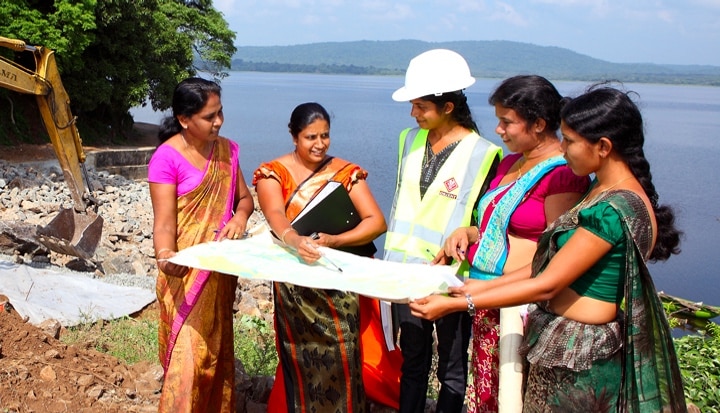
Do you think the world is becoming more equal for women at work? The recently published Women, Business and the Law 2019: A Decade of Reform gives us some insight. While achieving gender equality requires a broad range of efforts over time, the study focuses on the law as an important first step to providing an objective […]
The Tide is Coming in for Indonesia’s Seaweed
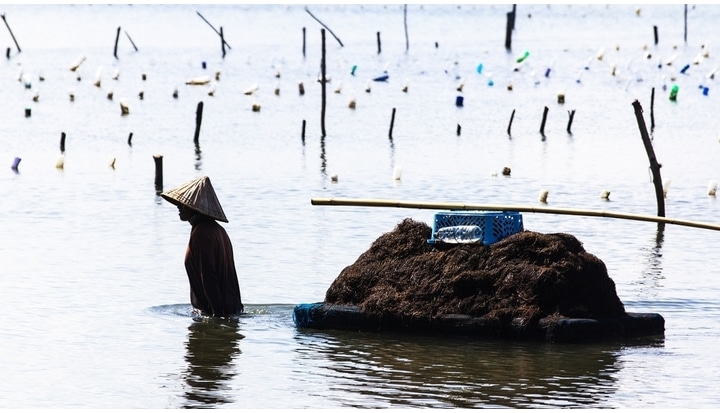
Along the coast of the province of South Sulawesi, villagers began farming seaweed to supplement their income from fishing several decades ago. As global demand for seaweed and seaweed products has taken off, prices have increased and many villagers have taken up seaweed farming full-time. Mangambe Daeng Siama, a seaweed farmer from the village of […]
Get Involved: New Challenges on Gender-Based Violence, SME Ecosystems, Transformational Partnerships and Purpose

Everything we do at Business Fights Poverty is driven by a belief in the power of purposeful collaboration – the simple idea that when you bring together the right people around a clear, shared challenge, with a focus on delivering a tangible, valuable output in a clear timeframe, you create the space for generating powerful […]
Re-Imagining the Gender Balance for Female Cotton Farmers
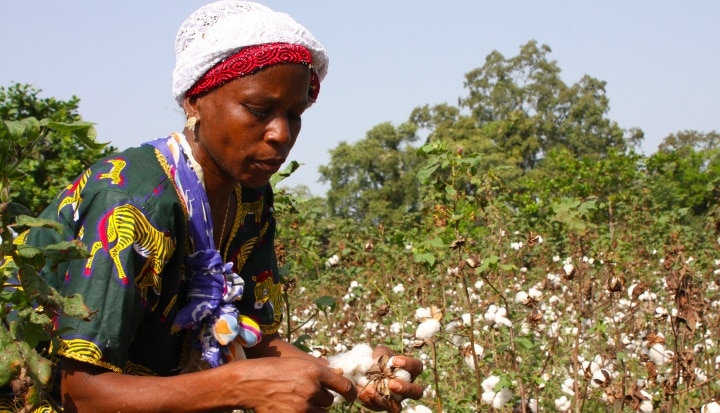
Recently, I put myself in the shoes of a woman cotton farmer in Ivory Coast. I realised very quickly that there aren’t very many of these shoes to fill; the reason being that very few women and men recognise women as cash crop farmers. Cotton farming is one of the main sources of income for […]
Businesses Gain by Taking Steps in the Workplace to Tackle Domestic Violence
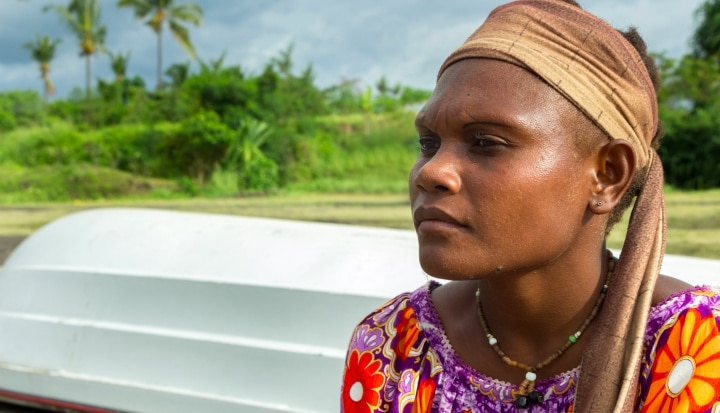
There is a paradox in the term “domestic violence.” It suggests that what happens at home, stays at home. But it doesn’t, especially in places like the Pacific Islands, where two out of every three women are affected by violence. In the Solomon Islands, a recent survey showed that the toll of domestic violence extends […]
CARE and Diageo: Tackling Violence and Harassment at Work

Violence and harassment in the workplace – whether in Westminster, Hollywood or McDonalds– continues to make headlines. Its impact on workers and business is increasingly becoming apparent. CARE research in the Cambodian garment sector revealed that there is an estimated US $89 million annual cost to the economy from absenteeism and lost productivity. Legislative changes […]
Making Supply Chains Work for Women
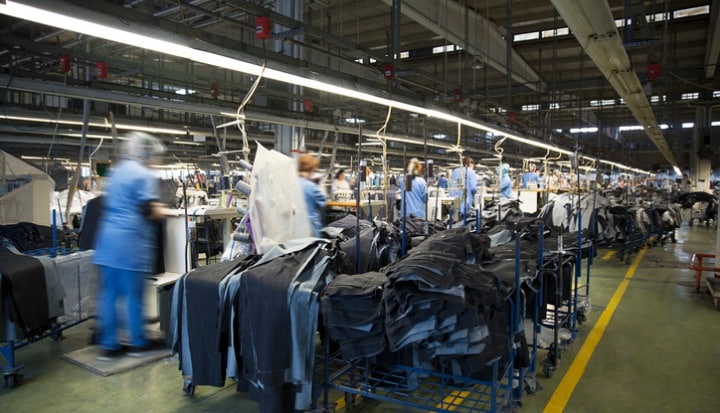
BSR is pleased to launch a new video that sets out why and how companies should work to drive gender equality in global supply chains. We invite you to take a moment to watch it below. There are many opportunities for companies to promote gender equality in supply chains—through their own actions, by enabling business partners, and by influencing industry peers […]
For Women in India Small Loans Have a Big Impact
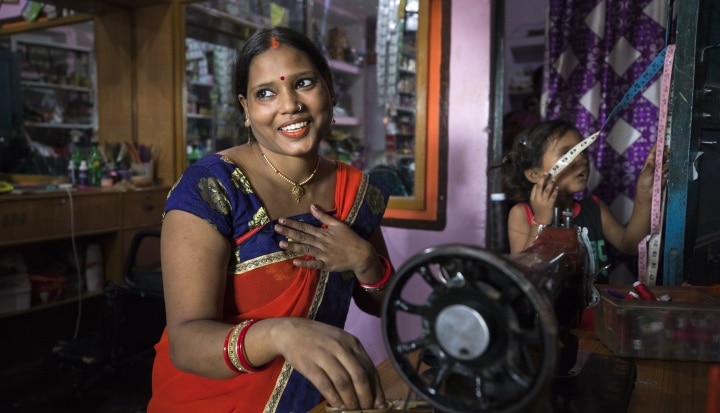
In Harhua, India, a sleepy village on the outskirts of the ancient city of Varanasi, Irawati Devi stands proudly under the bael tree that shades her home. Goats scour the ground around her mint-green food carts, searching for traces of the fried noodles and samosas she sells. “When we first moved to Harhua,” Irawati, 58, […]
How Businesses Can Do Better for Girls
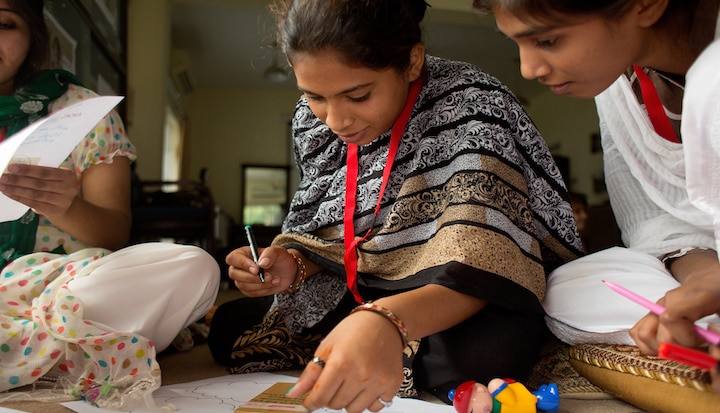
If you’re like me, and have spent the last decade working in international development, then you have heard it all before; repeatedly, consistently, with exclamation marks: “When you empower girls, you empower the whole nation!” “Investing in girls is not just the right thing to do, it’s the smart thing to do!” “Investing in girls […]
Businesses and Sustainability Standards Empowering Women in Supply Chains
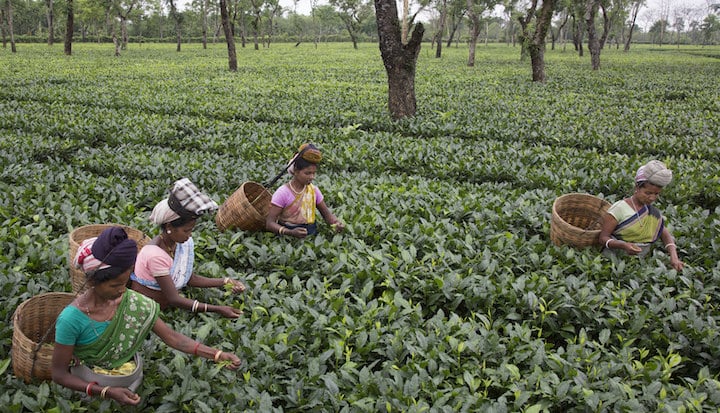
Achieving gender equality and empowering women and girls is the focus of UN Sustainable Development Goal (SDG) 5, but it is also integral to achieving all of the SDGs. Without doubt, companies and sustainability standards have an important role to play in achieving the goals and driving systemic improvement for women working in factories and […]
CARE Examine the Importance of Gender Equity in Business
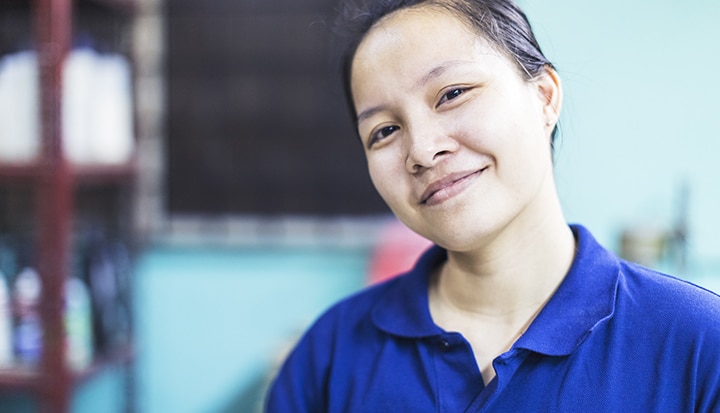
Gender equality is high on the corporate agenda, from sales of feminist merchandise, to gender pay gap reporting, to celebrities and politicians forming coalitions; confronting institutional norms and behaviour. It feels like we are in a moment in history where putting gender equity firmly on the table and creating positive change could make lasting equality. […]
The Business Case for a Gender Audit

An increasing number of businesses have committed to create more diverse, gender-balanced, inclusive workplaces – recognizing that it is not only the right thing to do, but also makes business sense. This recognition of the value of gender equality is progress in itself – but pursuing change in this area is not simple, particularly for […]
From Gender Lens to Inclusive Impact Investment

Defining impact by destination… A significant component of impact investment’s raisson d’etre is the promotion of economic development. But not just any investment qualifies as impact investment by contributing to economic development- an oil rig or a tobacco company can catalyze demonstrable GDP growth and job creation but are rarely classified as impact investments. […]
Why We Must Go Beyond Economics In The Discourse on Empowerment of Women
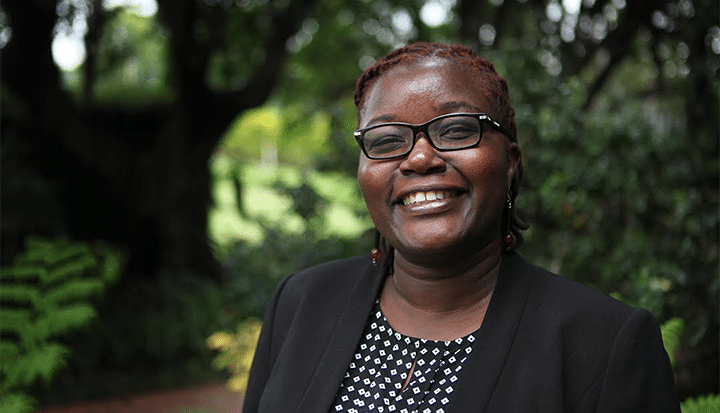
Last week, Ivanka Trump attended the Summit of the Americas in Peru and announced a new women’s economic empowerment initiative. This builds on the Women’s Entrepreneurial Finance Initiative, or We-Fi, she launched last year, which aims to encourage private investment and funding to women-owned companies and is backed by the World Bank. Are these kinds of initiatives enough to transform the […]
Five Years after Rana Plaza, We Still Must Do More to Empower Women Workers in Bangladesh
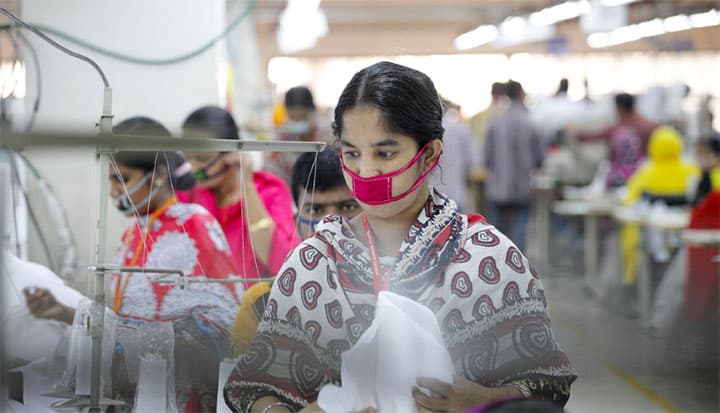
Five years ago, a building housing a garment factory in Dhaka, Bangladesh, collapsed, killing 1,134 people. The deadliest structural failure in modern human history, the Rana Plaza tragedy turned the eyes of the world to Bangladesh and sparked a conversation about compliance and building safety. Since then, brands and the development community have come to […]
Helping Refugees Move From Crisis To Resilience and Self-Reliance
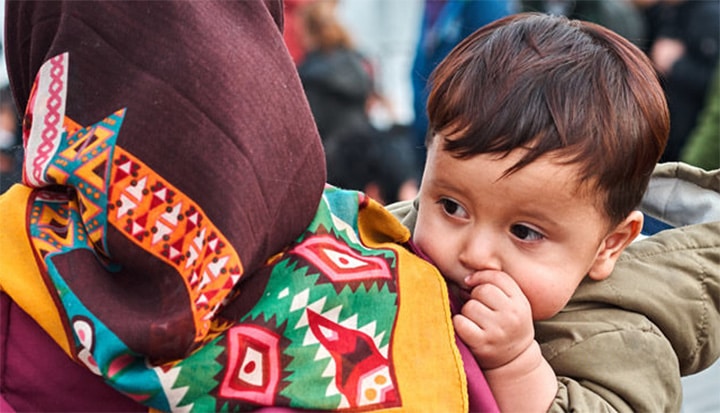
It is estimated that, on average, a refugee spends over a decade in exile. This means that many refugee children, who make up more than half the world’s refugees, will spend most of their childhood in exile, jeopardizing their education and access to future economic opportunities. For millions of refugee adults, decades of displacement have […]
The Impact of a Microfinance on Preventing Intimate Partner Violence
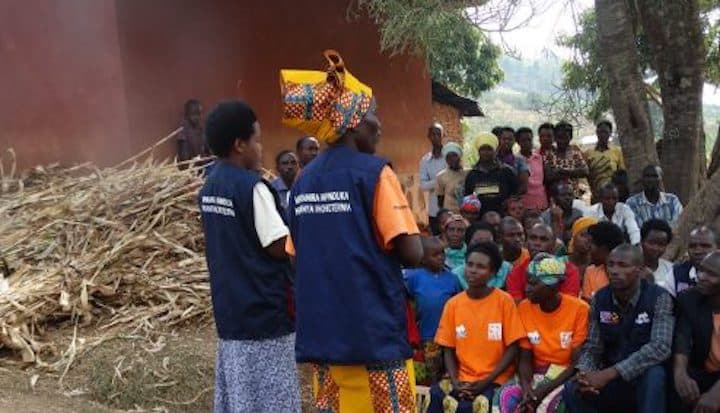
Indashyikirwa, meaning ‘agents for change’, is a program that seeks to prevent intimate partner violence (IPV) across Rwanda, and is being implemented by CARE Rwanda, Rwanda Women’s Network (RWN) and Rwanda Men’s Resource Center (RWAMREC). One component of the program was a 5-month weekly curriculum with 840 heterosexual couples recruited from CARE’s micro-finance village savings […]