Managing Boundaries in an Unbalanced World
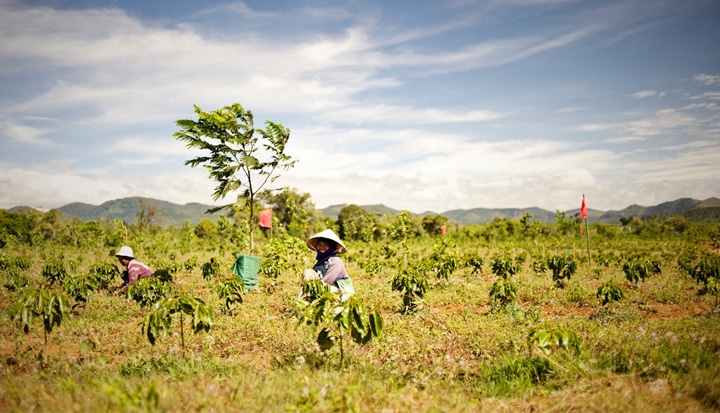
The global food system is a strange and twisted thing. One in eight people go hungry while one in five is overweight. A farmer in Iowa can grow ten tonnes of grain on each hectare, while most farmers in Africa struggle to harvest a single tonne. The rich countries of the world are among the […]
The 21st Century Commodity Trader
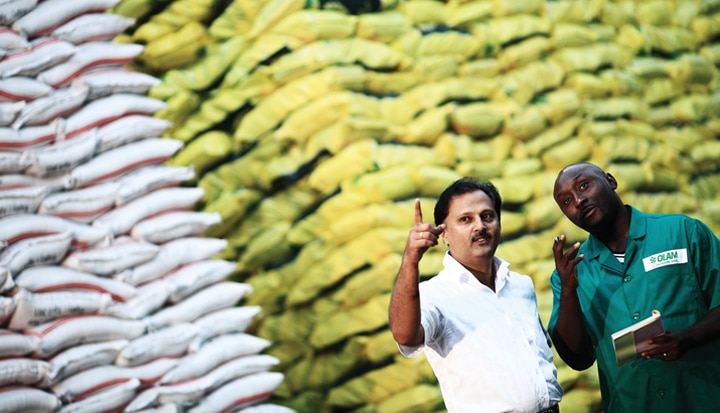
Change in the 21st century is proceeding at a pace and a scale that are unprecedented. Last century’s strategies are no longer viable options for institutions that want to survive in this one. That said, those institutions that can transcend yesterday’s thinking and today’s boundaries can actually thrive in the 21st century. Nowhere is this […]
The Next Step for Sustainable Supply Chains
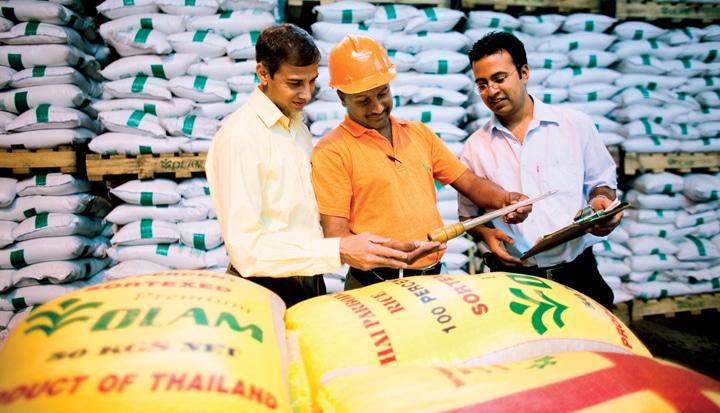
Supply chains are complicated and none more so than those of a retailer like M&S with our thousands of food, home, clothing and beauty products. Beyond our product suppliers are many processors, traders, ingredient manufacturers, wholesalers and farmers who we need to support our sustainability ambitions. Certification has been the traditional approach to managing these […]
Business & the SDGs: How Can We Deepen Scale & Impact?

The role of the private sector in realizing the UN Sustainable Development Goals (SDGs) is widely recognized. What remains unclear is how exactly business should contribute most effectively and responsibly to the broad development objectives that government leaders will adopt this September. The SDGs will affirm the importance of the private sector in achieving economic […]
Business & the SDGs: How Can We Deepen Scale & Impact?
The role of the private sector in realizing the UN Sustainable Development Goals (SDGs) is widely recognized. What remains unclear is how exactly business should contribute most effectively and responsibly to the broad development objectives that government leaders will adopt this September. The SDGs will affirm the importance of the private sector in achieving economic […]
Divine Chocolate: Empowering Women Cocoa Farmers
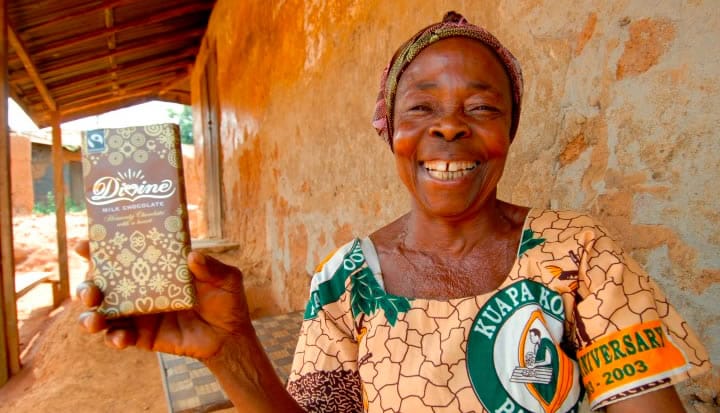
An interview with Charlotte Borger, Communications Director, Divine Chocolate 1. How does Divine Chocolate work with women in your supply chains? (If you have any specific examples of women being empowered by project(s) you have run, or as a result of your efforts, please mention here). Divine Chocolate is a UK based Fairtrade chocolate company […]
What will the Modern Slavery Act Achieve?
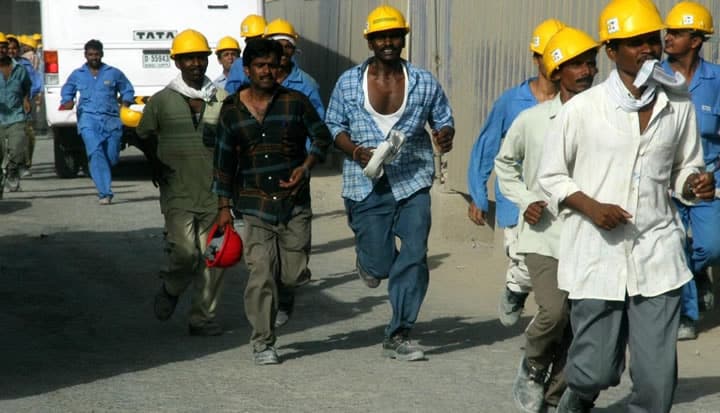
This March saw the passing of the Modern Slavery Act in UK parliament. It includes a transparency in supply chains clause requiring large companies to publish an annual public statement on modern slavery. This should detail evidence of what actions they have taken to eliminate the risk and presence of in their business or supply […]
On Business, Human Rights and Globalisation

As we release our first Human Rights report, Professor John Ruggie argues that caring for people and planet, in addition to being the moral imperative of our time, must become a core business mission. The issue of business and human rights is not new. After all, the slave trade involved businesses; governments were complicit; and […]
Readying Young People for a New Jobs Market
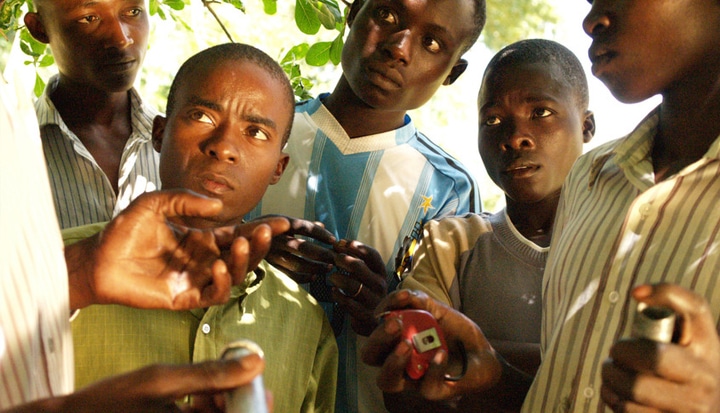
The second report in VSO’s Producing Progress series looks at a programme based in Tanzania: Enhancing Employability through Vocational Training (EEVT). The reports draw out lessons from a variety of programmes, including those that improve employment opportunities, strengthen markets for smallholder producers and align skills needs with supply. The EEVT project, started in 2012, is […]
Framework for Financing Global Priorities

Meeting today with CEOs, heads of state and ministers at a forum on the sidelines of a global finance summit, Secretary-General Ban Ki-moon called on the corporate community “to be our partners in supporting and financing this agenda.” The call came on the second day of a global conference on “financing for development”, tasked with […]
Complementary Public and Private Finance Sources

Interview with Krishnan Sharma, Senior Economic Affairs Officer in the Financing for Development Office at the United Nations Department of Economic and Social Affairs The scale of the need for sources of finance to fund infrastructure, education and financial inclusion, means that once proscribed roles for the public and private sector in financing development have […]
Ending Poverty Through Trade
How free trade can bring prosperity to people across the world. The playwright George Bernard Shaw once wrote that poverty is “the greatest of evils and the worst of crimes.” While Shaw penned those poignant words more than a century ago, the reality is that too many people still lead lives filled with hunger and […]
What are the Principles for Responsible Investment?
Responsible investment is an approach to investment that explicitly acknowledges the relevance to the investor of environmental, social and governance (ESG) factors, and the long-term health and stability of the market as a whole. The United Nations-supported Principles for Responsible Investment Init… is an international network of investors working together to understand the implications of […]
SDGs: Will Business Take up the Baton?
I remember quite clearly when the Millennium Development Goals (MDGs) were being launched, a set of 8 goals with targets on key development indicators such as absolute poverty, maternal health and primary education. I was at that time based in India and felt that this was just another UN top-down initiative that would be a […]
Post-2015 Development Agenda: Platforms for Partnership
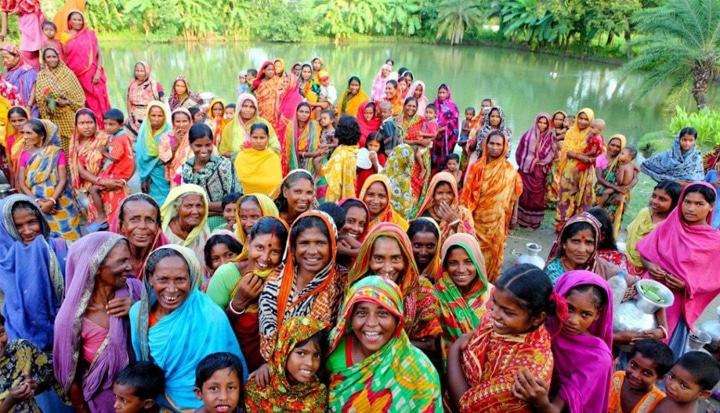
This September, world leaders will adopt a set of 17 Sustainable Development Goals (SDGs) to be achieved by the year 2030. Reaching these ambitious goals will require multi-stakeholder partnerships between business, NGO, government, the UN and communities to function at a scale and quality that dwarf current efforts. The question of how countries can systematically […]
Making Collective Governance Work

Collective governance In a world characterised by globalisation, governments increasingly find themselves unable to govern. Corruption is everywhere, natural resources are being exploited, the environment damaged, markets distorted, and the fight against poverty is often ineffective. Certain challenges cannot be addressed by governments alone. Increasingly, collective governance “beyond governments” is seen as part of the […]
Agribusiness and Climate Change: The Smart Way Forward
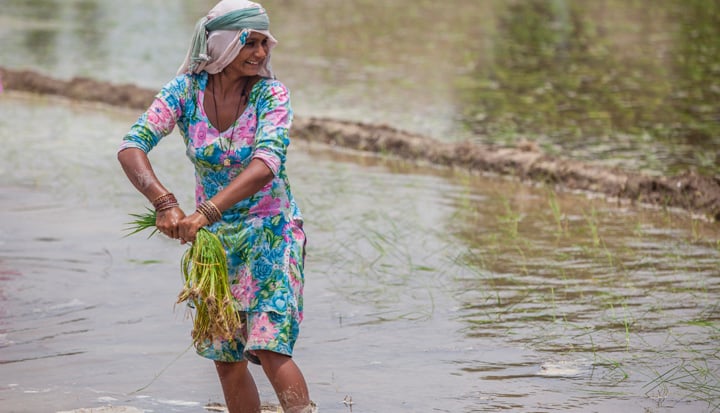
The world’s smallholder farmers – and therefore much of the planet’s food supply – are under severe threat from climate change. While many businesses are stepping up their response to these complex challenges, and increasingly advocating for pragmatic and science-based solutions, many are frequently met with mistrust and opposition. I have often heard businesses offer […]
Economically Empowering Women Through The SDGs

The real challenge for the new Sustainable Development Goals is what happens after they are agreed. Deciding on the goals and targets is only the first step; backing them up with the commitment to implement them is crucial. The emerging consensus between the private sector, civil society, governments and multilateral agencies on the need for […]
The Private Sector and Ebola, Working Towards Recovery
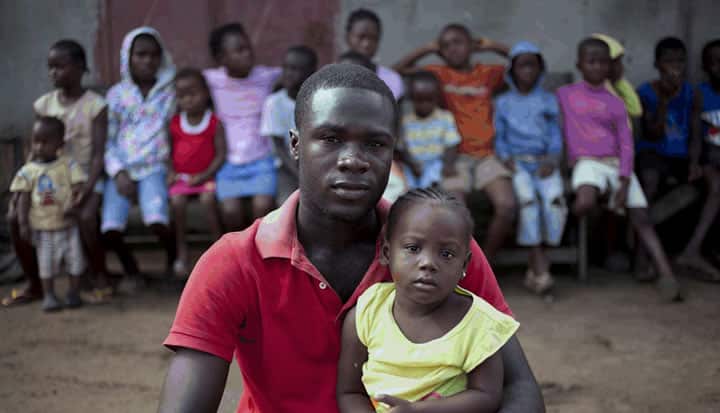
Stephen Seckor with one of his nieces, Monrovia, Liberia. Credit: Abbie TraylerSmith/Oxfam “Now I take care of 13 children. I lost four persons – my mother, my father, my two sisters. I was also very sick. Since I came back from the Ebola Treatment Unit I lost my job. I have nothing to do. I […]
The Right Language for Embedding Sustainability

At SABMiller, we understand that our profitability depends on healthy communities, growing economies and the responsible use of scarce natural resources. Last year we launched a new sustainable development ambition we call Prosper with five major goals and associated targets: accelerating growth and social development through our value chains; making beer the natural choice for […]