Five Reasons Why Businesses Should Prioritise Supporting Women in Global Garment Supply Chains
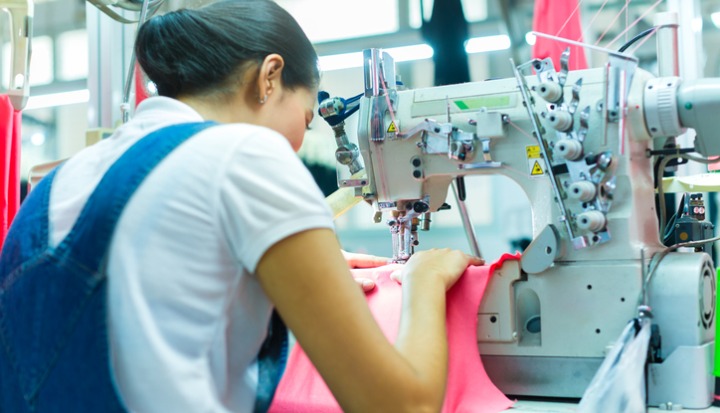
As governments, businesses, civil society and NGOs take stock of global progress towards to UN Sustainable Development Goals (SDGs), it is important to recognize that investing in women in global garment supply chains can act as a lever to achieving the SDGs. RISE: Reimagining Industry to Support Equality is an initiative to support collaborative industry […]
Why Investing in Informal Women Workers is Critical to Maintaining Resilient Supply Chains
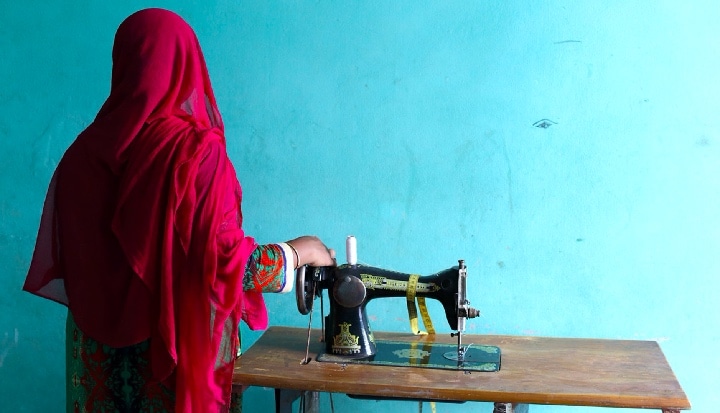
Over 60% of the world’s employed population make their living through informal work, with no access to formal contracts or protection. Women make up a disproportionate percentage of informal workers, with 740 million women’s livelihoods dependent on the informal economy globally. Lack of secure employment contracts or social protection for these workers means that when […]
Engendering Regeneration for Supply Chains that Last
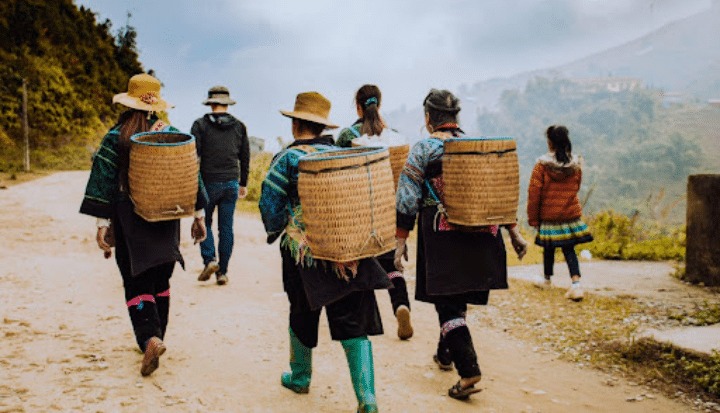
In a decade marked by climate shocks, pandemia, and global interconnection, the call to #InvestInOurPlanet is top of mind for individuals and companies – not just for Earth Day but for the future of life and business as we know it. Food and beverage corporations sense the urgency to transition to more renewable sources for […]
Spotlighting Fairtrade and Aldi UK’s ‘Dignity for All’ – a programme for female flower workers
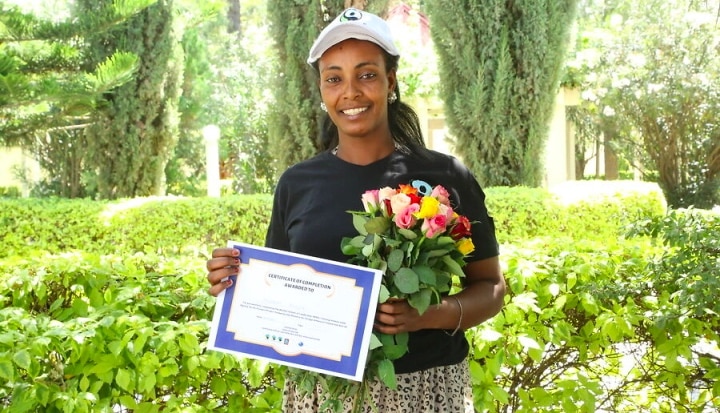
“Women have the potential of taking up leadership positions and roles, unlike in previous years when women were considered irrelevant and/or unable to lead and work equally as men”. This sentiment may seem like a given to most readers, but for the 25-year-old flower farm worker from Ethiopia who said these words it was a […]
Six Actions Businesses Can Take To Reduce Negative Impacts of Purchasing Practices on Human Rights
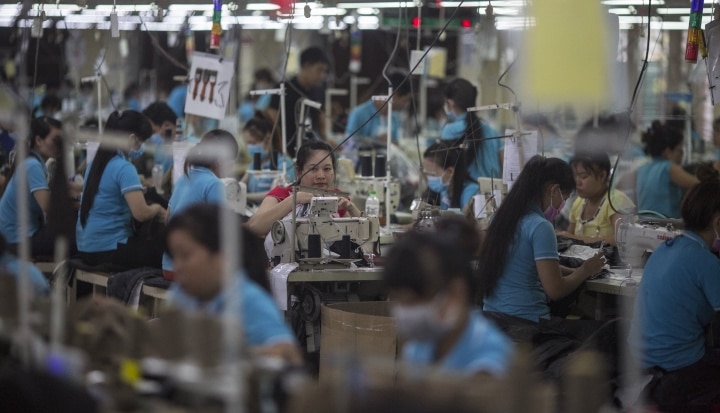
Companies’ purchasing practices can have a profound impact on human rights. Businesses are under mounting pressure to take responsibility for the wellbeing of the women and men working in their supply chains, with mandatory human rights due diligence legislation approved or underway in several countries. While Corporate Social Responsibility and sustainability teams are working hard […]
Four lessons for businesses wanting to build more equitable supply chains through sustainable sourcing
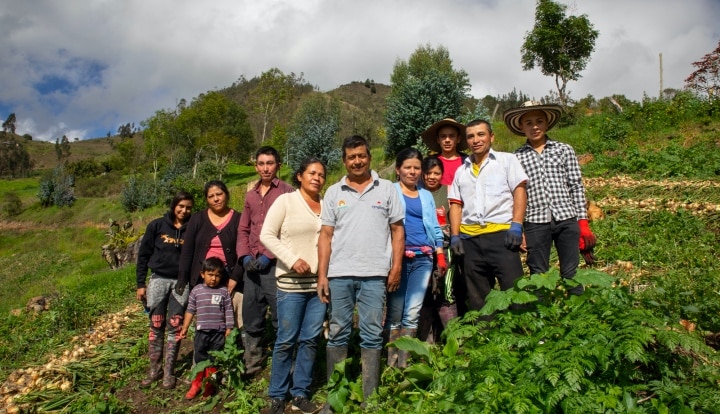
Approximately 78 percent of the world’s poor, or 800 million people , live in rural areas and rely on agriculture for a living. Most of those smallholder farmers are operating at extremely low levels of productivity and are excluded from formal markets. Meanwhile, there is a growing demand for locally-sourced food, particularly in growing urban hubs […]
Evaluation gaps, challenges and implications: Responsible business initiatives for sustainable supply chains?
Internally, many companies are already innovating on sustainability to a greater or lesser degree. Some make strategic changes with respect to sustainability performance, but the competitive pressures of globalized value chains remain very strong. Hence, becoming more responsible is not a straightforward task for brands and retailers, especially those in mainstream and/or highly competitive markets, […]
Three Promises Lidl Has Made to Protect its Food Workers
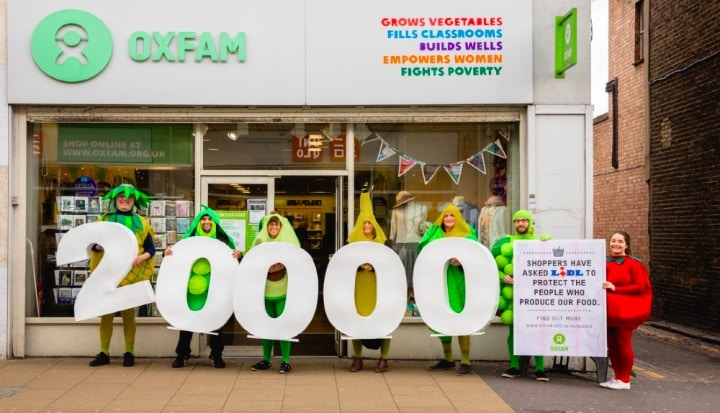
But there is another group of frontline food workers doing the same, hidden from view, those who produce the products we are all trying to buy, such as tea, coffee, prawns, fruit and vegetables. Even before Coronavirus, Oxfam research highlighted workers’ vulnerability, earning low wages on insecure contracts, often with poor sick pay and hygiene arrangements. In 2018, we launched the Behind the […]
Large Companies Have a Key Role in Strengthening Small Supplier Integrity

The project, run by Business Fights Poverty, has sought to find out how to encourage small and medium-sized enterprises to take business integrity issues more seriously and adopt meaningful anticorruption compliance. They conducted an extensive literature review and complemented it with an online survey, 24 interviews, and two business roundtables in which we gathered […]
Making Supply Chains Work for Women
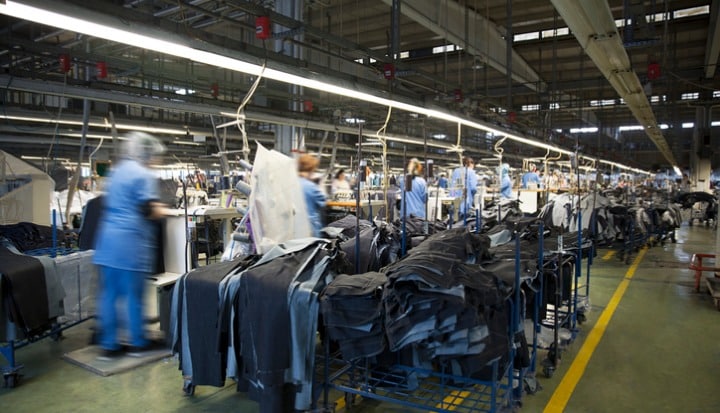
BSR is pleased to launch a new video that sets out why and how companies should work to drive gender equality in global supply chains. We invite you to take a moment to watch it below. There are many opportunities for companies to promote gender equality in supply chains—through their own actions, by enabling business partners, and by influencing industry peers […]
Impact Sourcing and Inclusive Supply Chains

An Interview with Tim Hopper, Manager of Responsible Sourcing Initiatives, Microsoft Recently, BSR’s Global Impact Sourcing Coalition (GISC)—which seeks to create more inclusive supply chains through procurement—published “The Autism Empowerment Kit,” which offers recommendations and resources for employers to provide workplace accommodations that empower employees with autism. Microsoft, one of the sponsors of this kit, […]
New BSR Guidance Integrates Gender Equality into Supply Chain Codes of Conduct
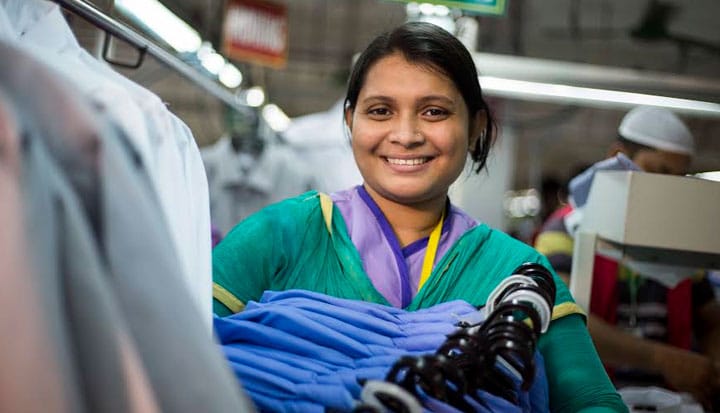
With women holding 60 to 90 percent of jobs in the labor-intensive stages of the apparel and fresh produce global supply chains, it would make sense for companies in those industries to consider women’s specific challenges when focusing on ethical supply chain management. However, until now, women have rarely been a focus of such strategies, […]
Words and Actions: Lessons from Unilever's Supply Chain
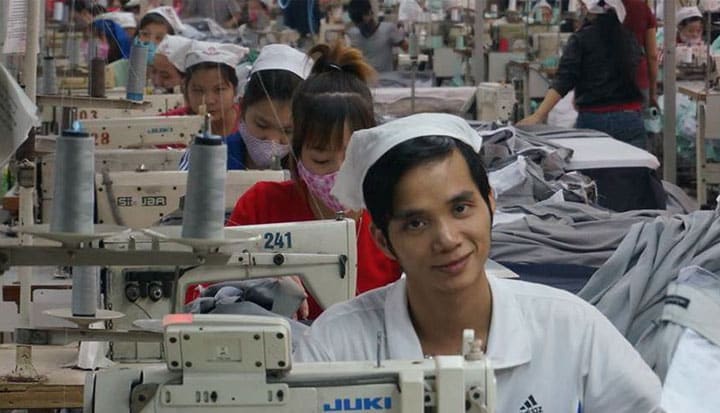
‘You are what you do, not what you say you’ll do’ (C.G. Jung) Why did Unilever open itself up to scrutiny? The new Oxfam Unilever progress report on labour rights in Vietnam is out. Unilever has provided Oxfam with all the necessary information to assess its performance on labour rights in practice. If Unilever were […]
Labour Rights in Unilever’s Vietnam Supply Chain
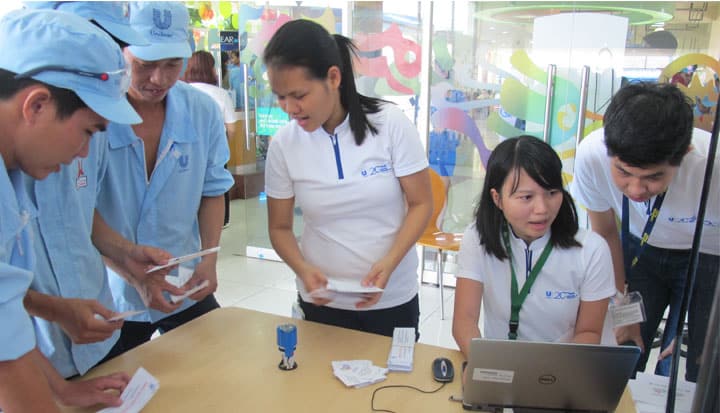
Rachel Wilshaw, Ethical Trade Manager for Oxfam, introduces their latest report on labour rights in Vietnam, a unique study done in conjunction with Unilever. Five years ago, Oxfam and Unilever agreed to an unusual study. Unilever opened up its business so Oxfam could understand how it managed labour rights, and what this meant for workers […]