
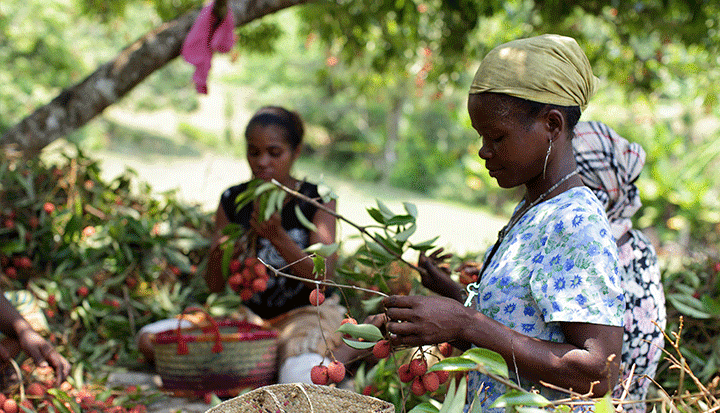
Supporting Rural Employment in Madagascar
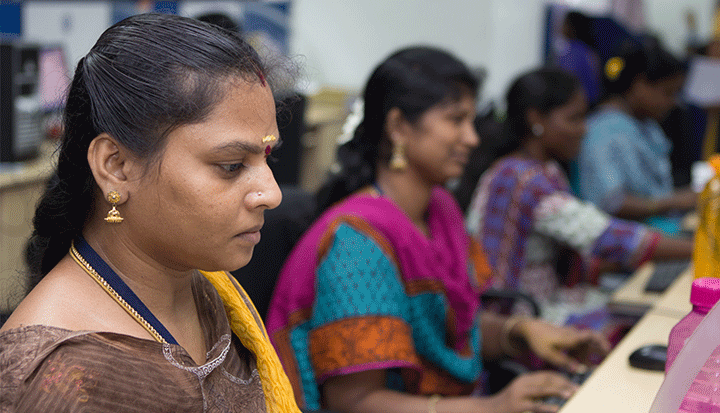
Supporting Good Quality Jobs in India
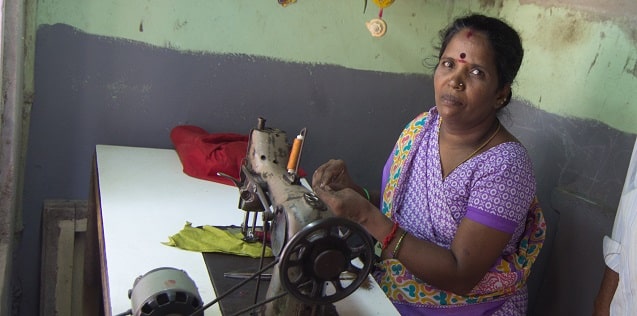
Providing Loans to Entrepreneurs in India
Providing Affordable Healthcare in India
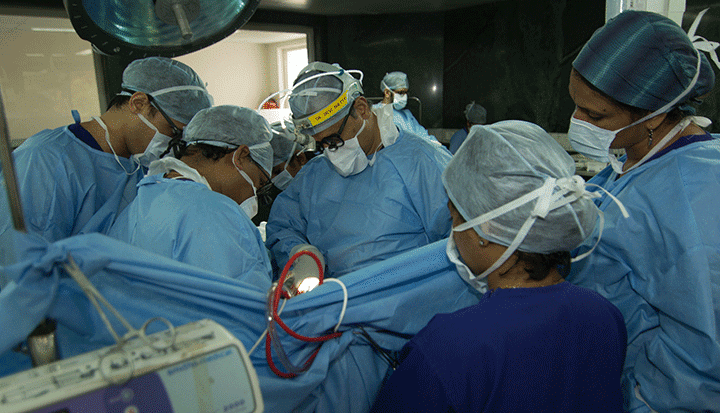
Supporting Healthcare Workers in India
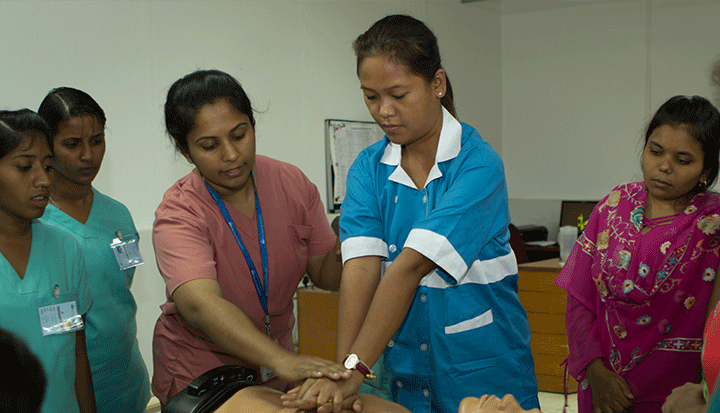
Efforts to Measure Progress in Job Creation
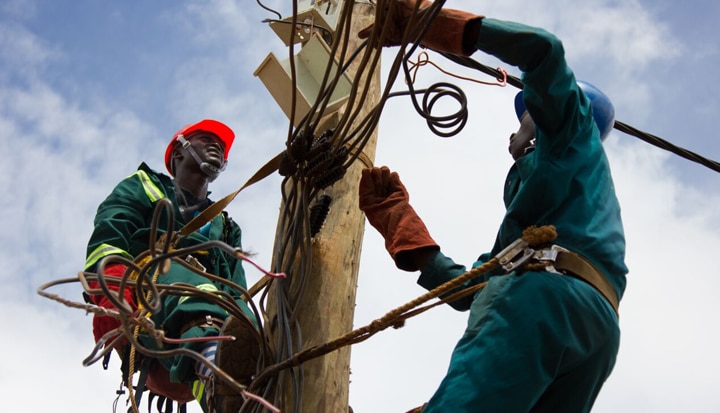
In 2012, CDC announced its intention to target its capital more precisely on building businesses to create jobs in African and South Asian countries where the private sector is weak and starved of investment. Getting a good job makes a lasting difference to people’s lives. Not just for the workers, but for their families. But […]
Closing the SME Finance Gap
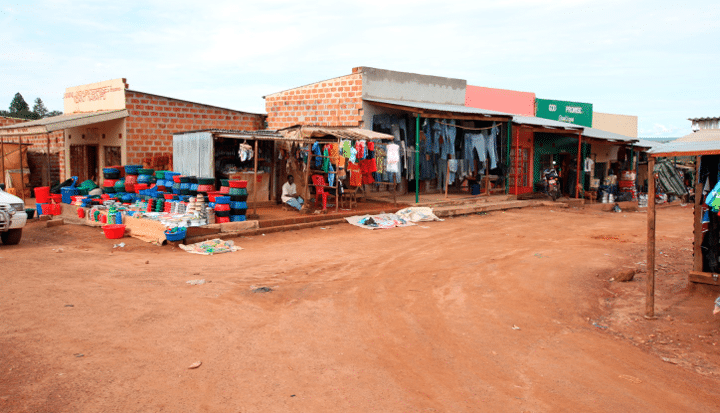
Over 90 percent of all jobs are created by the private sector. In emerging economies, small and medium enterprises provide the vast majority of those jobs. Yet every second small and medium sized business remains credit constrained in emerging markets, and is struggling to raise the financing necessary to invest and create new jobs. Some […]
African SMEs are Starved of Finance
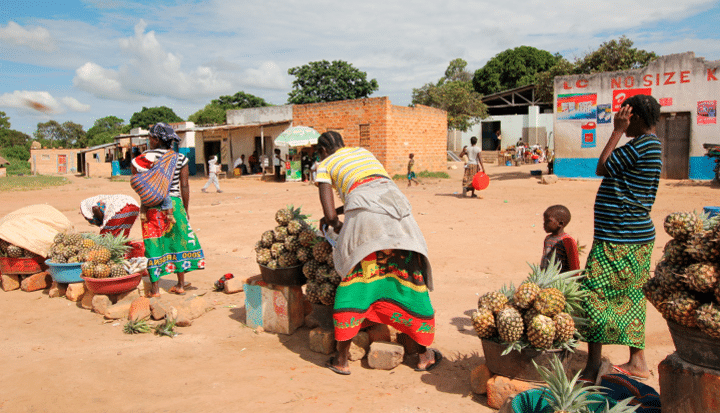
Of Africa’s 50 million SMEs, over 70% suffer from insufficient financing, leaving a funding gap of USD 140 billion. Less than a quarter of these firms have access to bank loans or lines of credit, compared to 43% in other developing regions. To address this challenge, the African Development Bank launched the Africa SME Program […]
Access to Cash Doesn’t Solve All the Problems
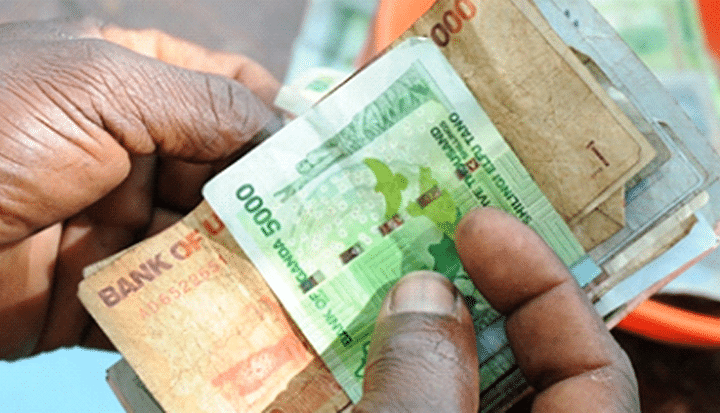
CARE International’s approach to SME development includes access to finance as an important element. But we also believe that it is essential to adopt a systemic view of the market system and of the socio-economic situation of the individuals and communities with whom we work. Our financial inclusion strategy includes the provision of credit, savings, […]
Unleashing Women-led Enterprise
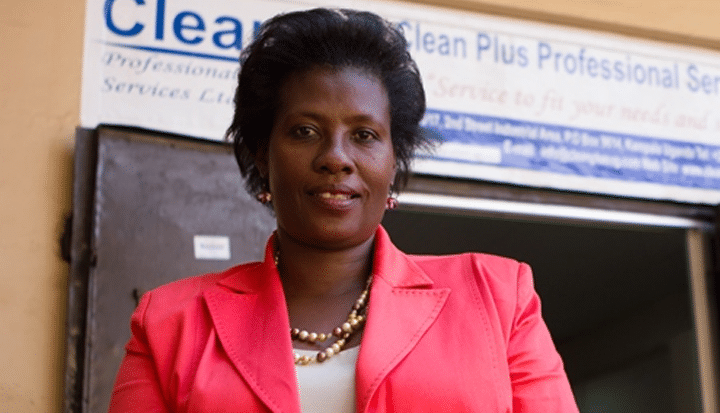
Photo: CDC Back in 2005, Kofi Annan argued that gender equality is the bedrock for achieving the Millennium Development Goals. A decade later, the case for women’s economic empowerment is even more compelling. Equality of employment opportunities means reduced poverty and higher GDP levels; more women in the workforce leads to productivity gains; women are […]
Meeting the Long-term Financing Needs of SMEs in Uganda

In Uganda, small and medium-sized businesses (SMEs) contribute around 70% to GDP. But while most of the finance offered by banks is short-term, it is long-term finance which is necessary for the growth of most SMEs. Frequently, this results in SMEs in Uganda using the wrong kind of funding for expansion – for example using […]
Financial Institutions and the SME Financing Gap
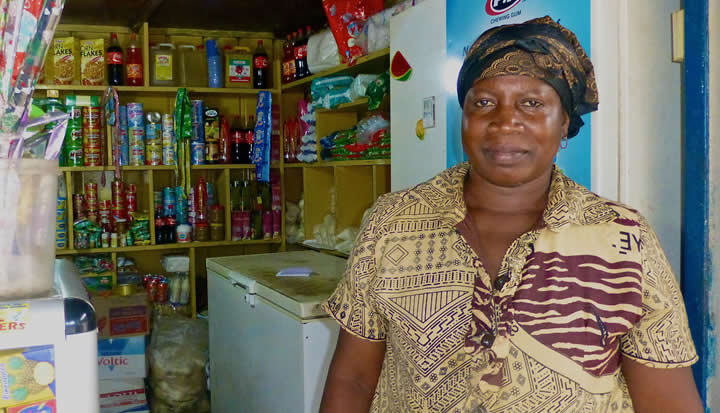
Holger Rothenbusch, Managing Director, Debt and Financial Institutions, CDC It’s well known that small and medium enterprises (SMEs) have an important role to play in the economic development of developing countries. In Africa, they contribute to around 40% of GDP as well as 50% of overall employment. In some sectors, this level of job creation […]
Supplying Power and Creating Jobs in Uganda
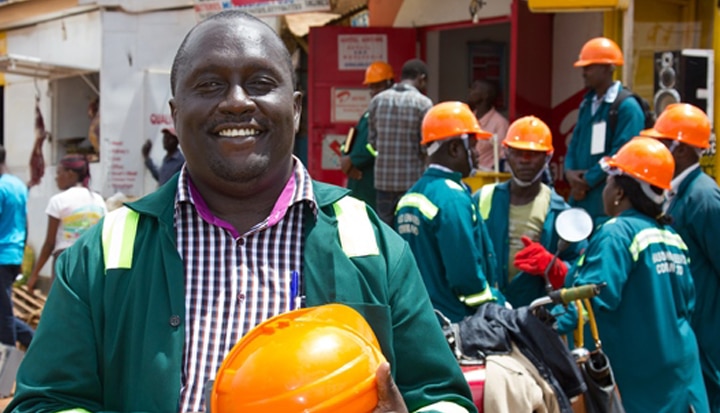
BACKGROUND In 2004, Uganda’s electricity distribution network was very run down. As a result of many years of neglect, the network of over 20,000km of poles, sub-stations and wires had fallen into disrepair. There were approximately 120,000 rotten poles in the system, which was a serious issue both in terms of quality of supply and […]
Supporting Women in Business and Creating Jobs in Uganda
Photo: CDC/DFCU BACKGROUND Accessing finance is a problem that many women face in Uganda. With property passing from male to male, women struggle to offer collateral to lenders. A study by the International Finance Corporation (IFC) found that only 9 per cent of commercial credit in Uganda goes to women. However, nearly 40 per cent […]
50 Years of Backing SMEs and Creating Jobs in Uganda

Photo: CDC/DFCU “Fifty years is not a short time by any means, but CDC has stuck with DFCU for 50 years. Even through the difficult times they’ve been with us. This is very important, for us to have a long-term shareholder who is committed and dedicated to the growth of DFCU, and who believes in […]
The Benefits of Localisation

By CDC In West Africa, the name Vlisco evokes heritage, quality and individuality. Established more than 160 years ago, the Vlisco Group’s textiles are at the heart of fashion in West and Central Africa. The company designs, manufactures and distributes 70 million yards of branded fabrics annually through its operations and retail presence in Côte […]
Benefits of Stakeholder Engagement
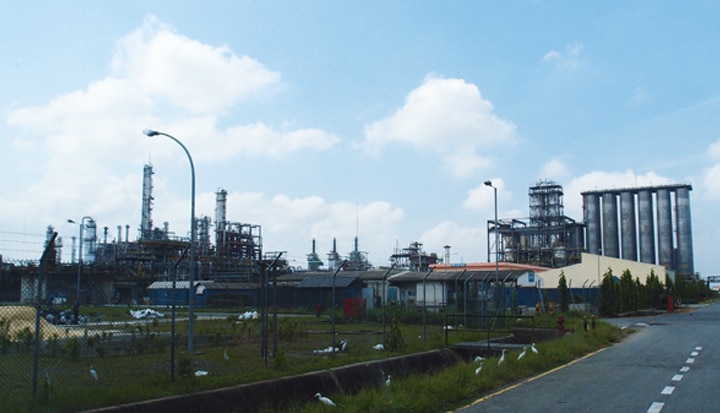
In 2006, the Indorama Corporation acquired the Eleme Petrochemicals Company (IEPL) from the Nigerian National Petroleum Corporation, as part of a government-led privatisation programme. Indorama is an Indonesian-based manufacturer of petrochemicals and associated downstream products that operates in 19 countries. Located just outside Port Harcourt in the Niger Delta, IEPL is a 360 hectare site, […]
Building a Greener Network

By CDC Established in 1996, as a joint venture between Telenor Mobile Communications and Grameen Telecom Corporation, Grameenphone is today the largest mobile operator in Bangladesh. Grameenphone has a significant workforce, with over 4,900 direct, full-time employees and thousands more employed through its vendor and distribution networks. The company recently rolled out 3G services for […]
Long Term Value Creation Through Environmental and Social Responsibility

By CDC For Adenia Partners, environmental, social and governance (ESG) responsibility is not an afterthought – it is a fundamental part of the firm’s value proposition. Over the past 12 years, ESG management has been built into Adenia’s operating and reporting processes. It is one of the first aspects that the firm looks to improve […]
Innovation To Promote Financial Inclusion
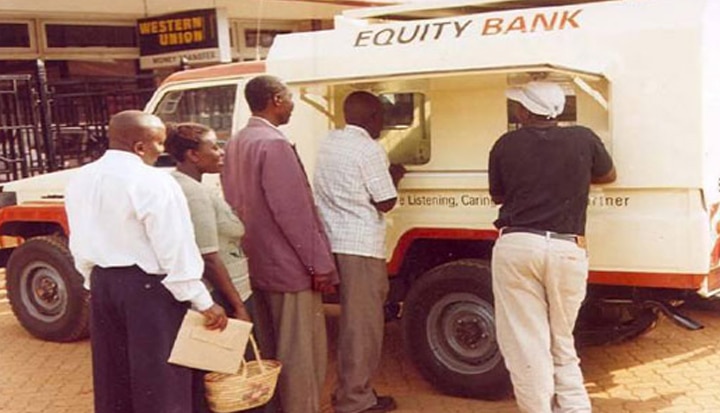
Having a bank account and access to banking services such as saving and borrowing is taken for granted in middle and high income countries. These services are not available in large parts of Africa, where millions of people continue to be excluded from the banking system. Kenya’s Equity Bank is helping to bridge this gap. […]