Creating Business Value through Improved WASH
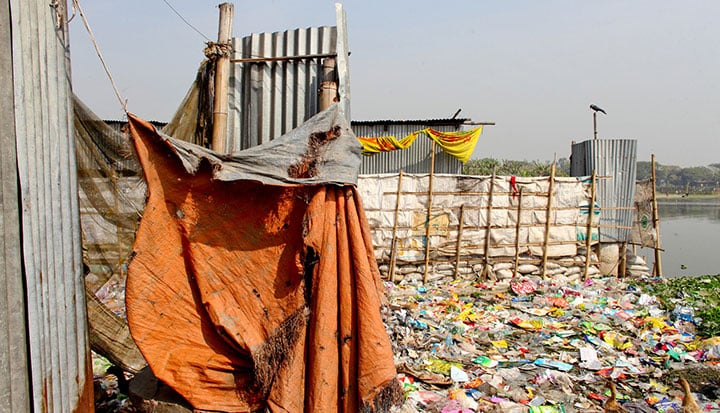
Businesses need to do more to understand the impact of poor water, sanitation and hygiene (WASH) in their own supply chains, as well as the impact that their water and sanitation usage has on the cities and towns in which they operate and on the sometimes water-scarce regions in which they are located. These were […]
Virtuous Circle: Increasing Productivity and Fighting Poverty
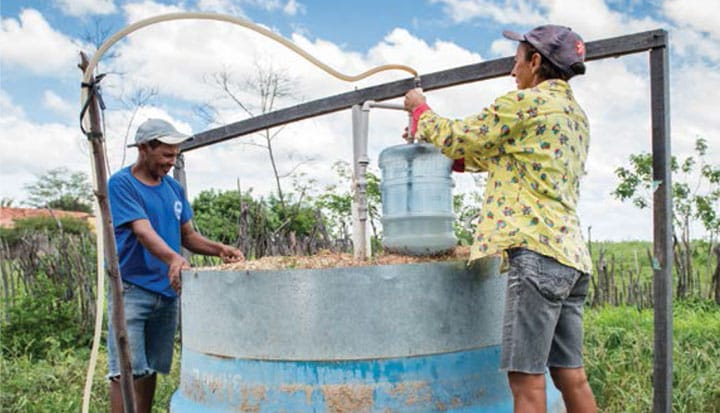
What do engine manufacturer Rolls Royce, shipping company Maersk and Kenyan toilet provider Sanergy all have in common? All three are using the circular economy concept to increase their productivity. In Sanergy’s case, they use the waste from their network of high-quality, low-cost toilets in the slums of Nairobi to produce agricultural inputs and energy. […]
Supporting SME Growth through Innovation and Partnership
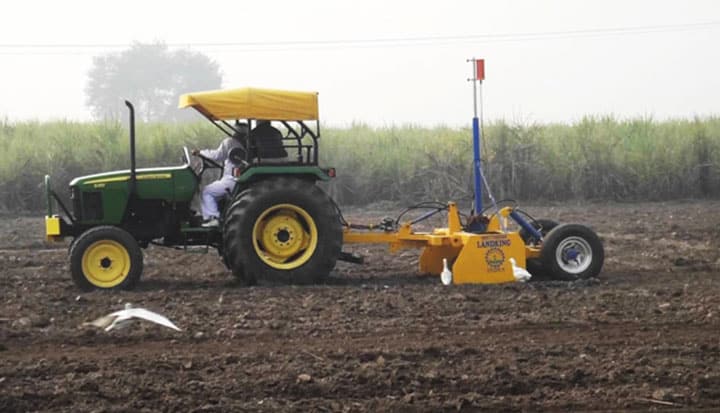
This week Connect to Grow launches its first public report ‘Supporting SME growth through innovation and partnership’ – a review of the landscape. The report provides a baseline for what is currently known about the role of innovation and partnership in SME growth. But it is much more than a literature review. It also draws […]
Labour Rights in Vietnam: Progress and Challenges
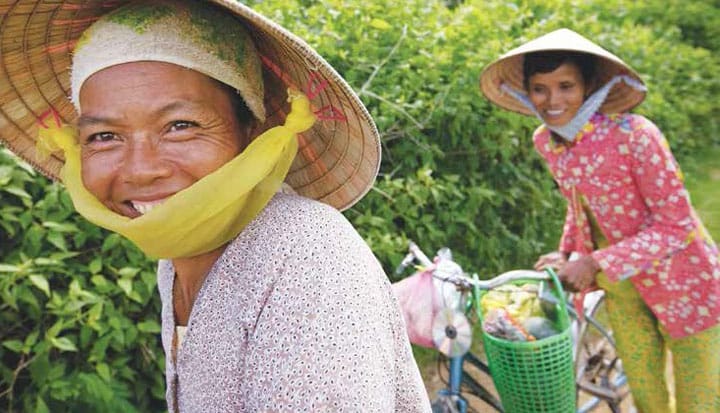
A month after I first joined Unilever, in February 2013, Oxfam published a report on Unilever in Vietnam – “Labour Rights in Unilever’s Supply Chain – from Compliance to Good Practice”. A month later, we were conducting a joint stakeholders consultation in Vietnam. I remember reflecting at the time on the importance of the transparency […]
Going the Extra Mile for Labour Rights
It’s always important to have an evidence base when addressing ethical trade issues. It’s also important to acknowledge progress as well as to address any supply chain challenges. That’s why Oxfam’s five-year collaboration with Unilever in Vietnam is so useful to other companies and brands that want to be ethical leaders in their particular industrial […]
Words and Actions: Lessons from Unilever's Supply Chain
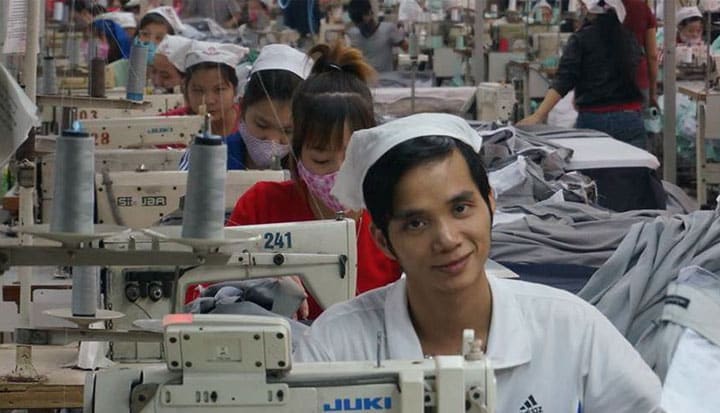
‘You are what you do, not what you say you’ll do’ (C.G. Jung) Why did Unilever open itself up to scrutiny? The new Oxfam Unilever progress report on labour rights in Vietnam is out. Unilever has provided Oxfam with all the necessary information to assess its performance on labour rights in practice. If Unilever were […]
Words and Actions: Lessons from Unilever’s Supply Chain
‘You are what you do, not what you say you’ll do’ (C.G. Jung) Why did Unilever open itself up to scrutiny? The new Oxfam Unilever progress report on labour rights in Vietnam is out. Unilever has provided Oxfam with all the necessary information to assess its performance on labour rights in practice. If Unilever were […]
Big Opportunities and Inspiring Examples on World Hepatitis Day
A few years ago I had the privilege of leading a team of highly committed health professionals to provide healthcare services to some of the most marginalised people in our world: rural communities in South Sudan who were enduring immeasurable suffering from the 22 year civil war and ongoing ethnic conflicts. We trained nurses, midwives […]
Helping Companies Create Positive Outcomes, Step-by-Step
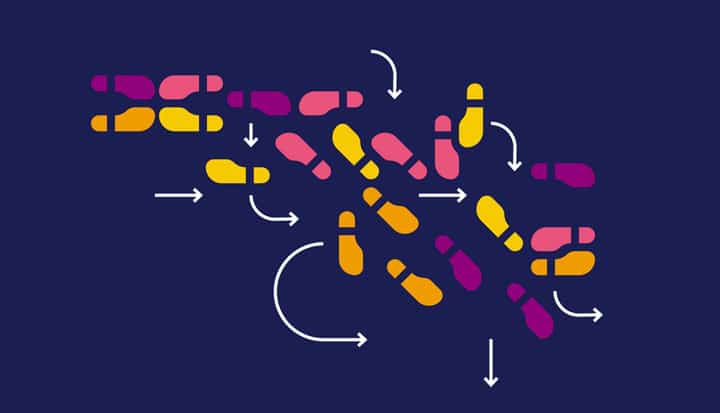
“All corporations seek to differentiate themselves and look for new ways to create value. But when many traditional routes have been exhausted, how does an organisation change the way it does business?” This fundamental question is at the heart of the recently released Practitioner’s Guide: Steps to Corporate Investment, Innovation, and Collaboration (now available in […]
Labour Rights in Unilever’s Vietnam Supply Chain
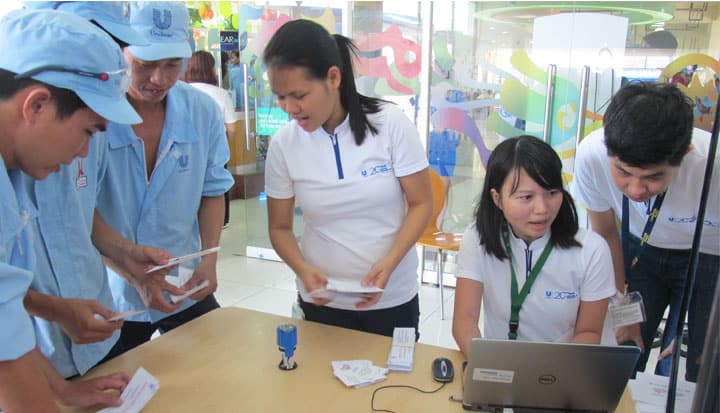
Rachel Wilshaw, Ethical Trade Manager for Oxfam, introduces their latest report on labour rights in Vietnam, a unique study done in conjunction with Unilever. Five years ago, Oxfam and Unilever agreed to an unusual study. Unilever opened up its business so Oxfam could understand how it managed labour rights, and what this meant for workers […]
Does Sustainability Reporting Still Matter?

Pearson has launched its 2015 Sustainability Report with its new five-year 2020 Sustainability Plan. Amanda Gardiner explains some lessons learned At a leading sustainability conference a couple of years ago, a panelist asked the audience: “How many of you read corporate sustainability reports?” A few hands went up. But in an audience of about 400 […]
Supporting Research in Neglected Tropical Diseases
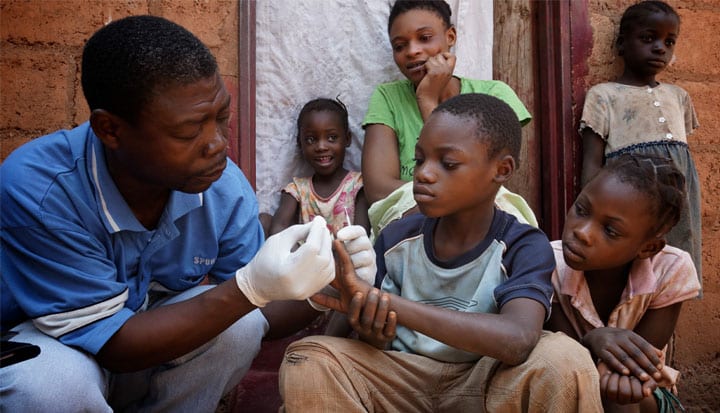
Neglected Tropical Diseases (NTDs) seriously undermine the physical and cognitive health and economic opportunity of more than one billion people, most of them among the world’s poorest populations and least able to access or advocate for solutions. Although encouraging progress has been made in recent decades, the prevention, control, elimination and eradication of these diseases […]
Catalysing Impact Investing in East Africa
FSG’s newest office, located in Mumbai, houses our inclusive markets team, which works to develop and scale inclusive business models to create new opportunities and better lives for the global poor. Learn more about our inclusive markets approach. While East Africa has demonstrated robust growth over the past years, poverty is still widespread. Across the […]
Tackling Undernutrition for the World’s Poorest
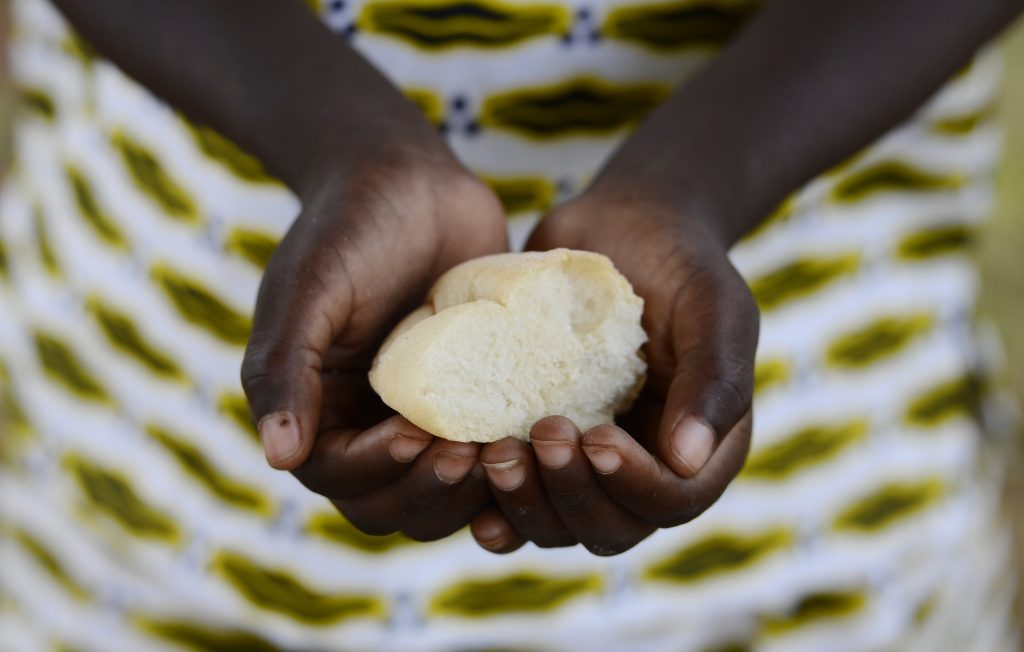
Given that 45 per cent of child deaths (that’s nearly half) are because of undernutriton, tackling it should be the highest of priorities for our decision makers. It is also very relevant to note, that a majority of those deaths are amongst the most vulnerable and poorest communities. With this is mind, as most people, […]
Sustainability Critical to Future Business Growth

Leading companies increasingly recognize the importance of embedding sustainability into their business models. However, professionals seeking sustainability outcomes face certain barriers. Return-on-investment rules are a long-standing challenge, and overcoming them requires positive engagement with finance teams. Presenting a strong business case is another key challenge, requiring creative work across the organization and often with external […]
New Survey Launched on Inclusive Business Policy

How can governments more effectively support inclusive businesses? Give us your input. The G20 Global Platform on Inclusive Business (GPIB) invites you to participate in the GPIB Inclusive Business Survey. The survey is open to any company that is working with people living at the base of the pyramid (BOP) – companies implementing an “inclusive […]
iDE: Reaching 20 Million More People
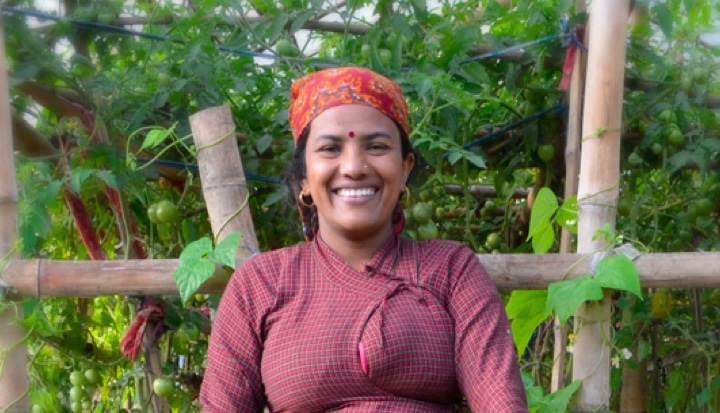
Since 1983 iDE has leveraged the power of business to help rural entrepreneurs work their way out of poverty. From our first social enterprise in Somalia to our more recent businesses from Vietnam to Latin America, we have helped more than 23 million people gain access to a technology or service. We strive for tangible, […]
Introducing a New Database on Inclusive Business

If you search Google for ‘inclusive business’ you get 46.5 million results in under a second. But it would take you years to get through them. And if I search for inclusive business solar, or inclusive business models, or inclusive business Malawi, you find some good stuff and some not. So what would you do […]
Tackling Global Challenges
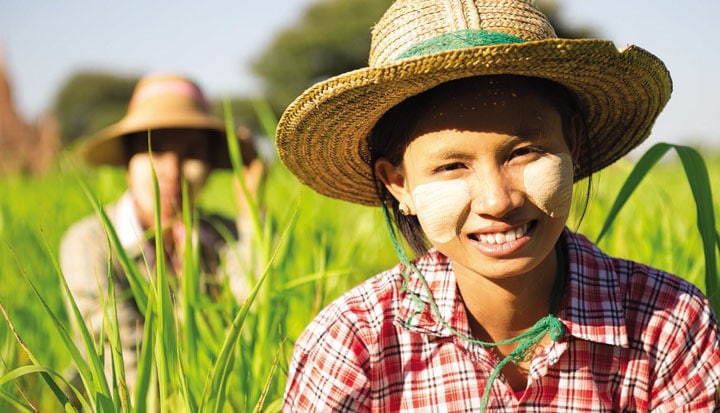
A special form of leadership, system leadership, is needed to tackle global challenges like food security, climate change, job creation, and gender parity. These challenges are complex and systemic, rooted in the actions and interactions of diverse yet interconnected, interdependent stakeholders. Leaders in business, government, and civil society increasingly recognize that they cannot be addressed […]
Think Globally, Act Locally to Meet Development Goals
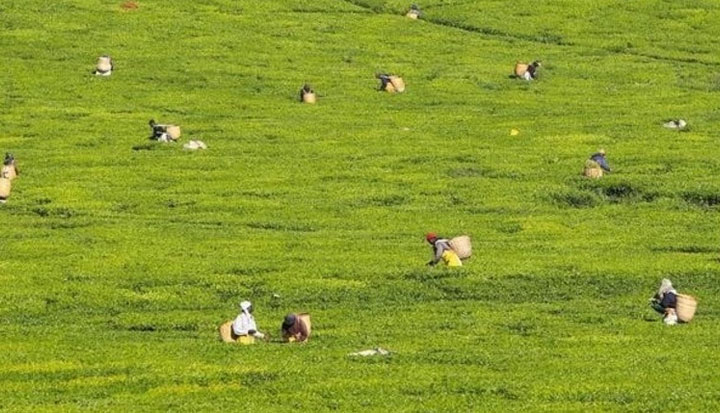
Richard Wafula, a farmer in Western Kenya, struggled to make a profit from his farm due to poor-quality seeds, pests, and lack of adequate storage. A partnership called Grow Africa helped the Kenya National Farmers Federation (KENAFF) identify suppliers, marketing and storage providers. Richard’s production has now doubled, generating increased income for his family. Across […]