The Early-Stage Bottleneck

The spotlight on the investment opportunities created by Africa’s glaring infrastructure deficit has been getting ever brighter. Due to decades of under-investment in core infrastructure sectors, demand for infrastructure now massively outstrips supply, and that demand is forecast to continue. The United Nations estimates that the population of Africa is set to more than double […]
A Problem of Delivery: How to Power a Continent

On the one hand sits an urgent need for the electrification of Africa, with power infrastructure alone requiring an estimated $27bn a year in capital investment. On the other hand sits the stark reality: only around 30 large-scale (over 40MW) grid-connected independent power projects (IPPs) are in operation across the whole of the continent. Plenty […]
Using Power to Close the Equality Gap

Dr. Mima S. Nedelcovych, President & CEO of the Initiative for Global Development Last year 1.2 billion people in the world lived without electricity, half of them in sub-Saharan Africa. A lack of reliable and accessible power often has debilitating social and economic impacts. Businesses cannot efficiently expand while hospitals and schools are unable to […]
Closing Africa’s Energy Gap

The International Energy Agency estimates that more than 620 million people in sub-Saharan Africa live without electricity. In two-thirds of sub-Saharan African countries, less than 50 per cent of the population has access to power, while the average energy consumption per capita of the region is not enough to continuously power a single 50-watt lightbulb. […]
Agribusiness and Climate Change: The Smart Way Forward
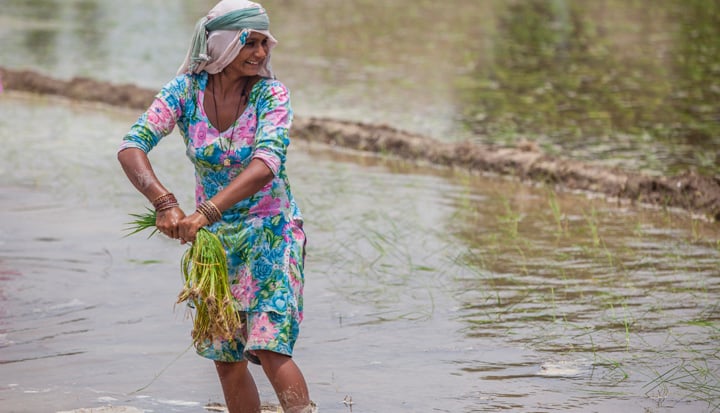
The world’s smallholder farmers – and therefore much of the planet’s food supply – are under severe threat from climate change. While many businesses are stepping up their response to these complex challenges, and increasingly advocating for pragmatic and science-based solutions, many are frequently met with mistrust and opposition. I have often heard businesses offer […]
Transforming Markets in Latin America
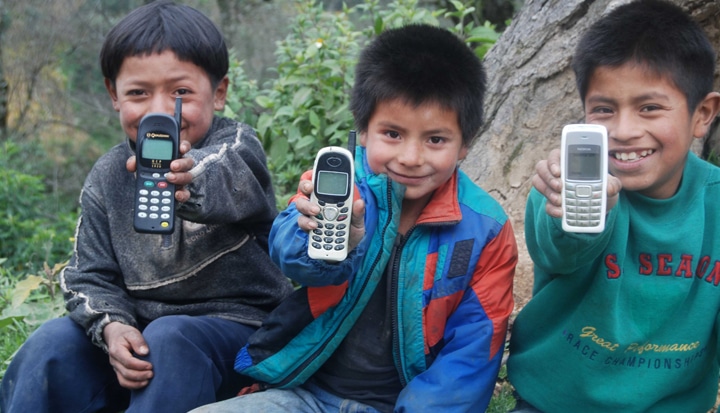
From 2000 to 2010, Latin America and the Caribbean (LAC) enjoyed a remarkable wave of sustained economic growth which helped improve the incomes and welfare of millions of people living at the base of the pyramid (BoP). According to the World Bank, nearly 70 million people increased their purchasing power significantly and 50 million Latin […]
Time for African Governments to say I do to Innovators

Moraa, a 22-year-old Computer Science major at Nairobi University, wants to change the world through technology. That’s why she entered her latest idea—an app for expectant mothers that doles out on-demand advice—in a campus-wide contest to win $10,000 in startup funds. Born in a small village far from a hospital, Moraa witnessed her mother, aunt […]
Economically Empowering Women Through The SDGs

The real challenge for the new Sustainable Development Goals is what happens after they are agreed. Deciding on the goals and targets is only the first step; backing them up with the commitment to implement them is crucial. The emerging consensus between the private sector, civil society, governments and multilateral agencies on the need for […]
The Evolution of the BoP Market in Latin America
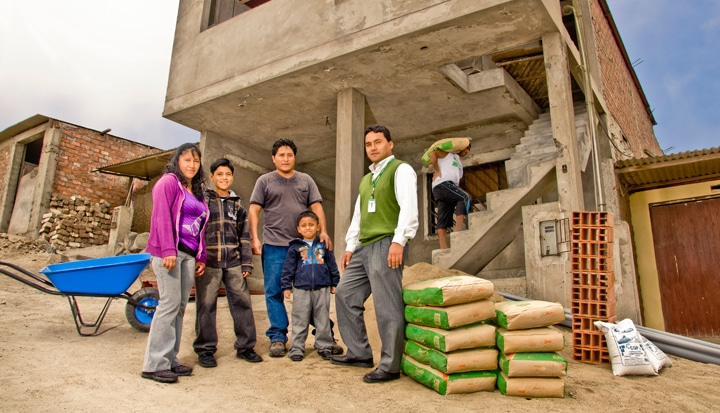
By Lina Salazar O, Opportunities for the Majority (OMJ) at the Inter-American Development Bank. It has been more than ten years since we first read about the base of the pyramid (BOP) and the large and virtually untapped market represented by this socio-economic segment. People at the BOP in Latin America and the Caribbean live […]
Government and Policy in Inclusive Business
I am returning to this topic because I think that any discussion of the role of government and policy in inclusive business will benefit from understanding better how IB contributes to a transformation in a specific market system, and indeed vice versa. While all market systems programmes do not involve innovation by an individual company […]
Is There Really Only One Health SDG?
Many in the global health community were initially dismayed at the realization that there was only one goal devoted to health in the proposed Post-2015 Sustainable Development Goals (SDGs). “We had 3 out of 8 goals in the MDGs,” went the collective grumble, “health risks being marginalized in the SDGs.” The Business and Health Action […]
Business Interests are Human Interests
The private sector had a lot to contribute to fight ebola and continues to play a role in the road to zero and future recovery. A lot of this was (and continues to be) outside the traditional framework of the private sector as donors. Some of these contributions are quantifiable, e.g. members of the Ebola […]
The Role of the Private Sector in Post-Ebola Recovery
For more than one year Ebola has raged in West Africa. Thankfully, we are beginning to see the end of the epidemic with Liberia now having being declared ‘Ebola-free’ after 42 days with no new cases – and new infection rates at very low levels in Sierra Leone and Guinea. This is good news. But, […]
Getting to Zero and Beyond: Private Sector Contribution
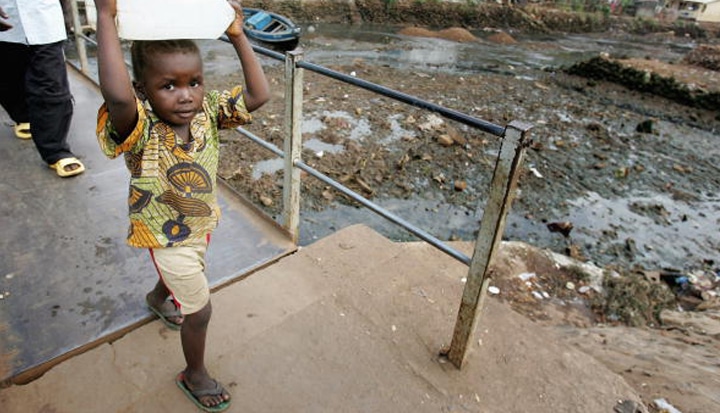
The Ebola outbreak in Liberia, Guinea and Sierra Leone has been an unprecedented development challenge and has prompted a huge international response, including from business who established the Ebola Private Sector Mobilisation Group (EPSMG). I recently joined the team in DFID leading the work in Sierra Leone, having spent the last 18 months developing DFID’s […]
Corporate-NGO Inclusive Business Partnerships

At our Inclusion Inc. conference at The Fletcher School, there was a fascinating conversation between Tim Cross, President of YouthBuild International, and two of YouthBuild’s corporate partners, Lata Reddy, President of The Prudential Foundation and Dina Silver Pokedoff, Senior Manager of Branding for the Saint-Gobain Corporation. What I particularly enjoyed about the discussion was that […]
Lost in Translation? Lessons for Business and NGOs

“I see the change we need to make. I’m ready to go for it!” said a corporate executive after a partnership design meeting with CARE. CARE staff said the same. These are the moments where we feel transformation happening in the room. We have worked through tough issues and we know we are co-creating something […]
More than Semantics: Does Terminology Affect Scale and Impact?

Nearly 100 companies, development donors, and NGO partners had just finished listening to the opening panel in a two-day workshop we had organized to focus on ways companies could expand economic opportunity for people living at the base of the economic pyramid. The year was 2007, and the CSR Initiative at the Harvard Kennedy School […]
What Is the Best Way to Measure Innovation?

Commenting on the state of innovativeness, Peter Thiel, founder of PayPal and legendary Silicon Valley investor, remarked, “We asked for flying cars. Instead, we got a hundred and forty characters.” Really, Peter? Who asked for flying cars? Silicon Valley is, of course, obsessed with cars of many kinds – self-driven, electric, enabled by commands and […]
A Conversation with Erik Simanis
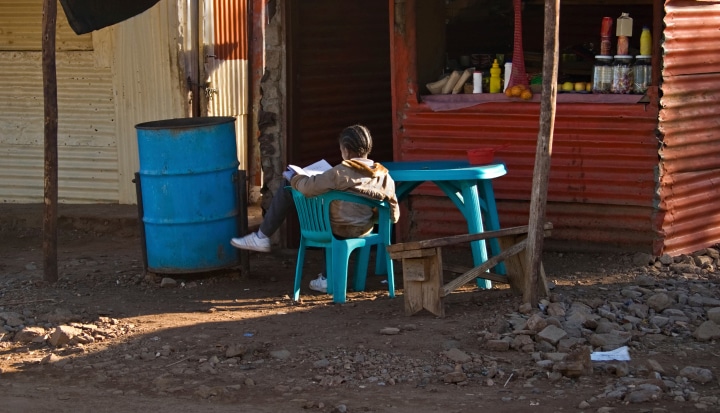
Erik Simanis is Head of the Frontier Markets Initiative at Cornell University. His work is published in leading management journals, including the Harvard Business Review and The Wall Street Journal. He also writes for The Guardian’s sustainable business, and is a core faculty member of the Intrapreneurship Lab. His thinking is grounded in hands-on experience, […]
Innovative Funding for Early Childhood Education
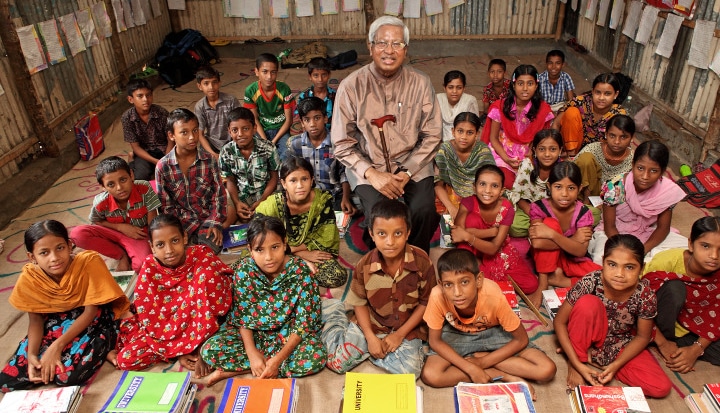
As fairly recent additions to the development acronym pool, Social Impact Bonds (SIBs) and Development Impact Bonds (DIBs) have been a source of increasing global interest and debate. These are funding mechanisms encouraging private sector capital flow to a new form of impact investing through tripartite agreements between three groups: investors who provide upfront capital, […]