
Interview with Komal Sinha on CSR Trends in India
Komal Sinha, Head of Partnerships at ClimateCare’s India Office, has been working with CSR teams to plan and implement corporate social responsibility programmes in large corporates in India for over 10 years. In that time, she has witnessed a drastic shift in how organisation’s CSR priorities have changed. Two years on from India’s implementation of […]
Why International Volunteering is (In)valuable to Your Company
Getting involved in international corporate volunteering can leave you with mixed emotions. It sounds alluring, but you might get laughed out of the board room for making the case. The crucial question you will need to answer is; what would volunteers and the business get in return from spending anything from a month to a […]
The Case for Improving Job Quality in Supply Chains
Improving job quality in supply chains benefits everyone. More reasonable working hours, fairer pay and better working conditions are all fundamental for employees – and companies gain as a result of implementing these measures too. Doing so can improve productivity, protect a brand’s reputation and, according to research from KPMG, increase profit margins by as […]
Tackling Slavery in Supply Chains – What Can We Do?

The ILO estimates that there are approximately 21 million people enslaved around the world at present – these will include many people who are in bonded labour, those trafficked and kept against their will in enslaved situations – but slavery also exists in global supply chains. Modern Slavery can also take the form of exploitation […]
Three Key Steps to Empowering Women in Global Value Chains

Global value chains can be a powerful lever for empowering women, but companies must identify where women work, must develop a clear gender strategy and must articulate the business case for supporting women. As the UN High Level Panel on Women’s Economic Empowerment continues to develop its thinking over the next few months, they should […]
Effective Workplace Policies and Practices

Hope is not a strategy for righting gender imbalances that have long been the norm in most businesses and beyond. Instead, a strategy addressing material issues, supported by policies and practices applied internally and externally, can deliver business benefits as well as benefits for individuals. Research shows that a more diverse workforce delivers financial returns […]
Moving Beyond Transactional Relationships

Over the last several years, models of business / NGO collaboration have begun to shift quite significantly. Five years ago, the relationship between a company and an NGO was most likely to be transactional in nature: a donation or sponsorship from the company or, in the case of a company’s social investment, a fee-for-service arrangement […]
Barriers Facing Rural Producers in Post-conflict Colombia

In May, as part of my role as ACRE’s (Access to Capital for Rural Enterprises) project lead, I spent ten days in Colombia scoping the impact investment space and the barriers facing rural producers in a country that it is now emerging from fifty years of civil conflict. Colombia, a country emerging from 50 years […]
Partnering for Mutual Benefit not Dependency
In the early 2000’s I was seconded to a large multi-national company to work on an exciting inclusive business (IB) project that the company’s chief executive had recently announced to the world at a major conference. With a UN organization playing a convening role, the project was designed as a partnership that would transform small […]
Empowering Women Through Work
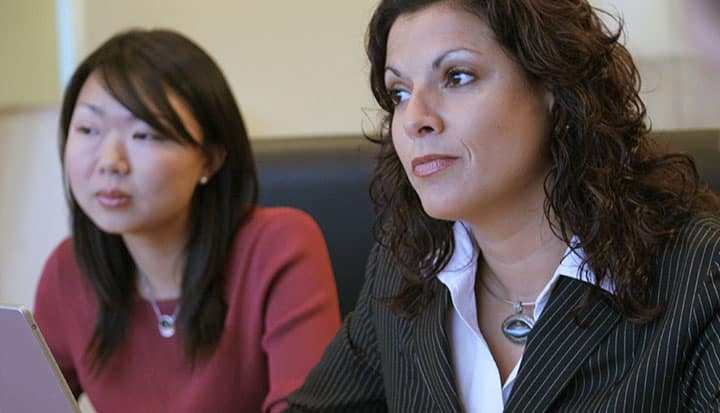
One of the first activities we launched in our Challenge on Women’s Economic Empowerment was the business survey created by DFID and introduced in a blog by the UK Secretary of State for International Development, Justine Greening, on 25 April. The survey asked respondents to share both the challenges and successes their businesses have seen […]
5 Reasons Social Enterprises are Applying a Gender Lens

Director of Strategic Partnerships, Acumen There is article after article about why businesses and investors should seek new ways to be more inclusive of women in their business models. But what we’ve learned at Acumen, where we invest in business that solve problems of poverty, is that leaders of social-purpose businesses are already doing this, […]
Unleashing Inclusive Business Towards the SDGs
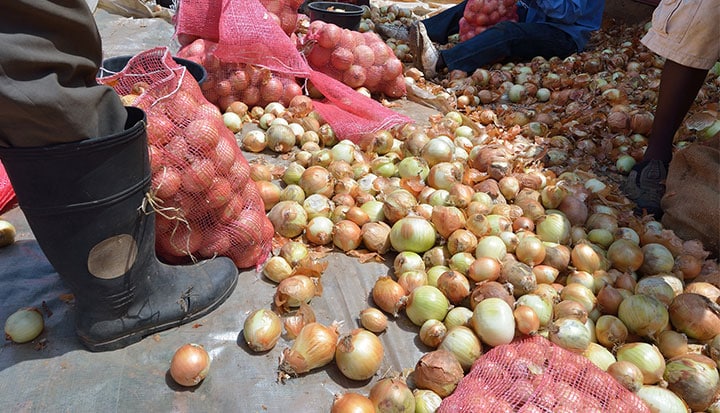
The Business Call to Action (BCtA) in collaboration with the UNDP Zambia Country Office, The Partnering Initiative (TPI), the Inclusive Business Accelerator (IBA) and Business Fights Poverty recently held a high-level breakfast meeting for business representatives in Lusaka, Zambia. The aim of the meeting held on the 15th of April 2016 was to discuss how […]
Three Ways Your Business Can Use the SDGs

Following the launch of the UN’s Global Goals for Sustainable Development, there is general agreement that these targets can only be achieved if all areas of society, including governments, NGOs and the private sector, act together. Under the new framework, businesses now have a more explicit, central role in ‘ending extreme poverty, fighting inequality & […]
NGOs Applying Lessons of Market Dynamics

I’ve encouraged all types of mission-driven organizations to explore applying any business principles toward social goals, and NGOs can benefit from a number of lessons from Shared Value, Lean Startups, Behavioral Economics, or Social Enterprises. However, my point in focusing on market dynamics crowd sourcing insights on needs and value is to zero in on […]
The Secret Sauce in Shared Value

As an enthusiast for new solutions to old problems I wonder: Are you as excited as I am by relatively recent developments of social enterprises, shared value, behavioral economics and/or lean startups for social change? Or do you skeptically forecast which of these business approaches might just be fads? Even for skeptics, there’s a fundamental […]
Game-changing Ideas to Tackle Drivers of Cassava Loss
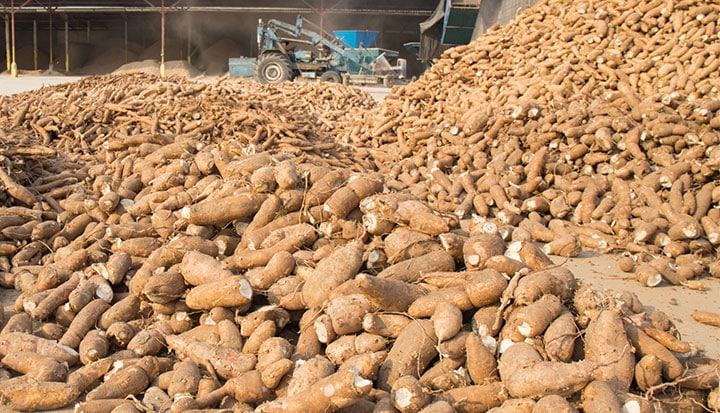
Anyone reading this has their own story to tell about food waste. One of the first lessons we are taught – wherever in the world we call home – is “don’t waste food.” And while we all have some sense of our own responsibility for solving this global problem, bigger challenges loom large. Chew on […]
The Global Goals and the Ruggie Principles
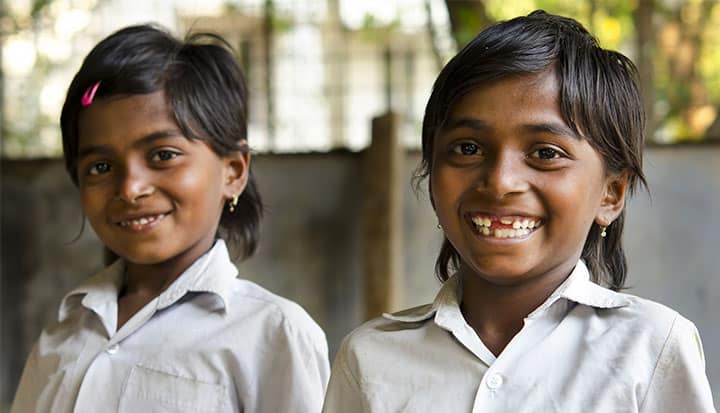
“The Sustainable Development Goals represent the biggest opportunity for awareness-raising on business and human rights since the UN Guiding Principles [on Business and Human Rights] were introduced.” So said a respected speaker at the recent Business and Human Rights Symposium organised by the International Organisation of Employers. Equally, there is a consensus that the skills, […]
Beyond Dialogue: Corporation and Social Enterprise Partnerships

On April 12th, Acumen and the Skoll Centre for Social Entrepreneurship hosted a workshop in Oxford, England with representatives from large corporations and smaller social businesses from around the globe. At the workshop, entitled “Beyond Dialogue,” we asked: How can we build business models that truly serve the poor through collaboration among corporations and social […]
How Small Farmers Can End Poverty and Hunger
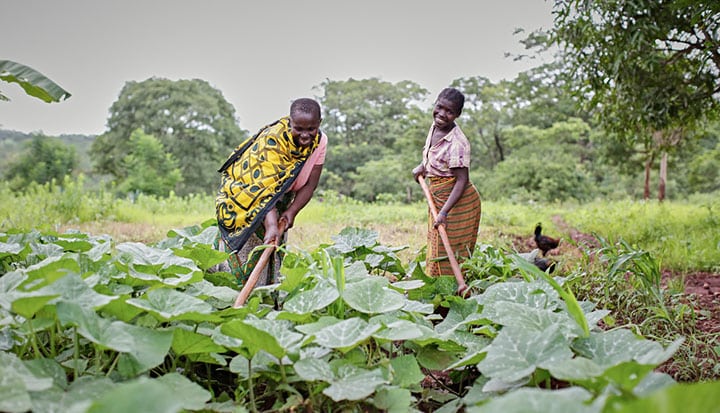
Private companies are discovering that small farms are big business at the same time as the development community is realizing that they are key to ending poverty and hunger. There are 500 million small farms in the world, and their potential is huge. Indeed, small farms are responsible for up to 80 per cent of […]
Transcending the Boundaries of Business School

In order to transform our world and achieve the United Nations’ Sustainable Development Goals (SDGs), we must look beyond the ‘way we do things’ in our own industries, learn to be adaptive and work in multi-sector teams. In early 2006, I walked into a room where the global CEO of Unilever, Barclays Bank, Porsche and […]