Creating a Partnership Ecosystem – 6 Rules to Live By

Despite its increasing occurrence in the global community, and its elevation through the Sustainable Development Goals, the act of partnering remains a challenge across all sectors. Doers need to share about what works — and what doesn’t – if we are to create a partnering model that enables sustainability and scale capable of achieving the […]
How Some Health NGOs Can Be Bolder in Their Engagement with Business

I was recently invited to present TPI’s partnering toolkit on NCDs – developed last year in collaboration with Bupa and UICC – at EPHA’s annual conference. The memorable phrase ‘evil puppeteers’ was used in one presentation, in reference to the nefarious and shady activities of corporate lobbyists. While significant progress has undoubtedly been made in […]
Expanding Women’s Financial Inclusion: A Win-win for Women and Financial Institutions
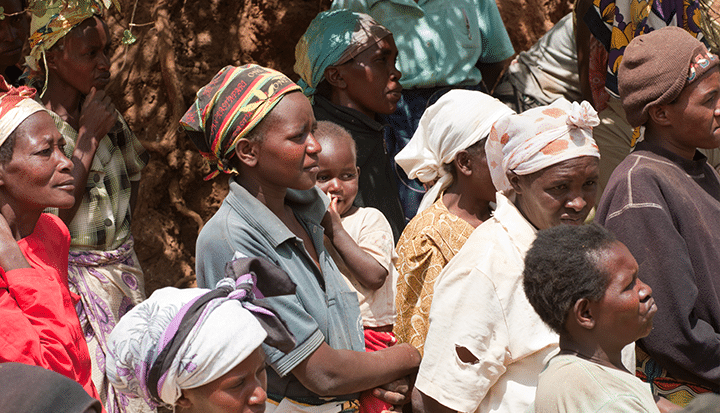
Rose, an astute and driven business woman runs a “table banking” operation in the heart of Nairobi. An extension of the traditional village savings and loan associations, “table banking” has gained popularity among poor women in Kenya. Women get together every month and contribute a certain amount of money. Members of the group then borrow […]
System Leadership in Practice: Technoserve’s East Africa Coffee Initiative
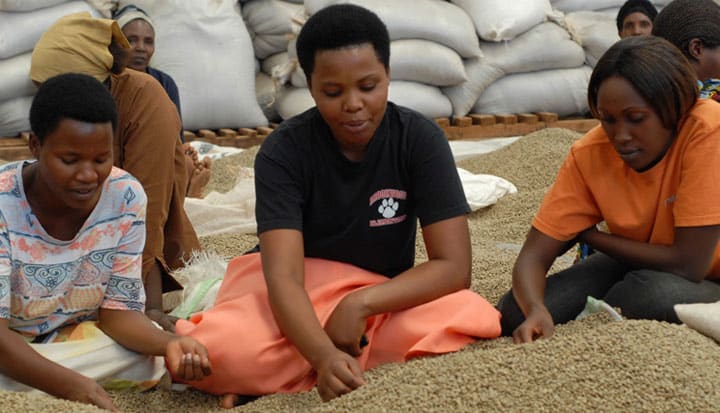
Read enough blogs, and you might think the formula for increasing smallholder farmers’ incomes is well-known: training + access to (inputs x finance x markets). Simple, right? From 2008-2015, TechnoServe’s East Africa Coffee Initiative reached more than 250,000 farmers in Ethiopia, Kenya, Rwanda, and Tanzania, increasing their incomes by more than 25%. A new report […]
Business Fights Poverty NYC 2017: Watch the Event Videos
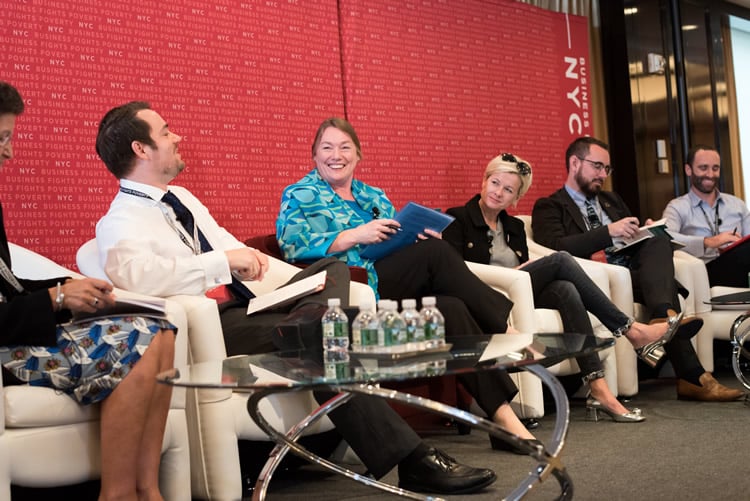
Last week, 150 people came together in New York, at an event timed to coincide with the UN General Assembly, to explore the theme, “Rethinking Collaboration for the SDGs”. The event was co-hosted with Barclays and the Harvard Kennedy School Corporate Responsibility Initiative, and with the support of CDC Group, the UK’s Development Finance Institution. […]
Bold Partnerships Can Help Achieve the Global Goals
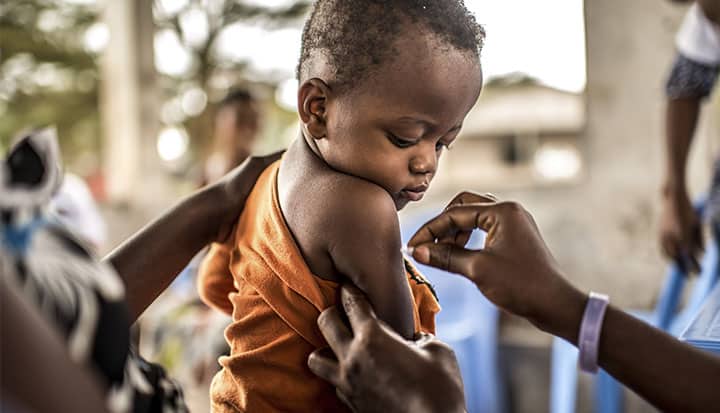
While trust in business and institutions is consistently questioned, I believe partnerships are providing solutions. The Global Goals are clear that business has a vital role to play in achieving sustainable development. The private sector can bring the scale, expertise, and resources needed to find new solutions. But to have impact we must work in […]
The Money is There to Fight Climate Change

Policy debates on climate change and sustainable development routinely cite the massive numbers needed to achieve the United Nations Sustainable Development Goals (SDGs): an additional $1 trillion annually in clean energy investments to limit global warming to below 2 degrees and between $5-7 trillion a year to achieve the SDGs. These numbers are overwhelming […]
Driving Inclusivity in African Agriculture

Concordia recently participated in the Inaugural International Congress for African Agribusiness and Trade (ICAAT) at Rutgers University, an event that brought together African agricultural and political leaders with bilateral and multilateral institutions, overseas development organizations, U.S. agribusiness, agricultural investors, technical and policy experts, and African civil society representatives. The conference highlighted the importance of aligning […]
Rethinking Collaboration: Collaboration in Action

On July 10 and 11, over 300 people came together for our annual flagship event, Business Fights Poverty Oxford 2017 at Saïd Business School, University of Oxford. The headline sponsor for the event was Mars Inc. It was held in association with the Center for Business and Poverty at the University of Wisconsin Madison and […]
A New Way of Working with SMEs to Tackle the Refugee Crisis
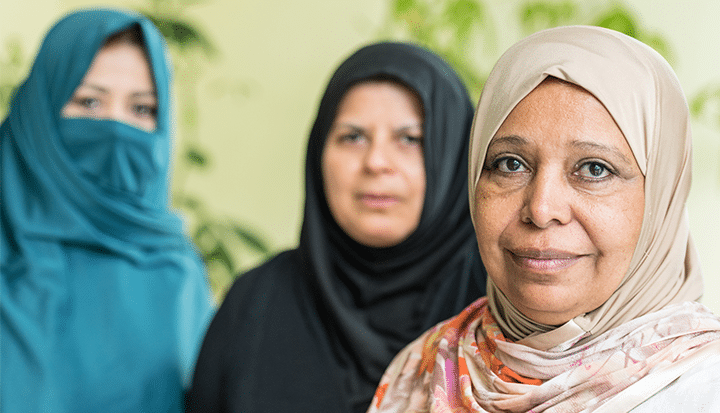
By Kathryn Taetzsch, Senior Relief Coordinator & Private Sector Engagement Lead, Global Humanitarian Operations, World Vision International The scope of the challenge… a people-centered approach with “new actors” Out of about 65.3 Mio people who have been forcibly displaced, 21.3 Mio refugees worldwide require humanitarian assistance in recurrent or protracted crises. The international community is […]
Rethinking Collaboration: Research Perspectives

On July 10 and 11, over 300 people came together for our annual flagship event, Business Fights Poverty Oxford 2017 at Saïd Business School, University of Oxford. The headline sponsor for the event was Mars Inc. It was held in association with the Center for Business and Poverty at the University of Wisconsin Madison and […]
Embedding the Sustainable Development Goals into Business
The general consensus is that the only way to meet the scale of the ambition of the Sustainable Development Goals (SDGs) and to bridge the estimated funding gap of $2.5 trillion per year is to fully mobilise business investment, innovation and expertise. For companies, there are good reasons to engage with the SDGs. There are […]
Contributing to the SDGs through Advocacy Partnerships

The contribution of business to the Sustainable Development Goals (SDGs) is often viewed through the lens of core business, social investment, and public advocacy and policy engagement, a framework first introduced by Jane Nelson[1]. Whilst core business and social investment have received much attention over the years, there has been little focus on the positive […]
Impact Sourcing and Inclusive Supply Chains

An Interview with Tim Hopper, Manager of Responsible Sourcing Initiatives, Microsoft Recently, BSR’s Global Impact Sourcing Coalition (GISC)—which seeks to create more inclusive supply chains through procurement—published “The Autism Empowerment Kit,” which offers recommendations and resources for employers to provide workplace accommodations that empower employees with autism. Microsoft, one of the sponsors of this kit, […]
Unlocking Private Sector Investment to Deliver the SDGs in Challenging Places

There is an estimated $2.5 trillion financing gap needed to deliver the UN’s Sustainable Development Goals (SDGs). Should the gap not be filled, it is possible that we will fail in the attempt to realise the global ambition to “end poverty and hunger, and achieve sustainable development”. The debate around the most effective models for […]
Healthcare for All: The Impact of Private Healthcare Providers
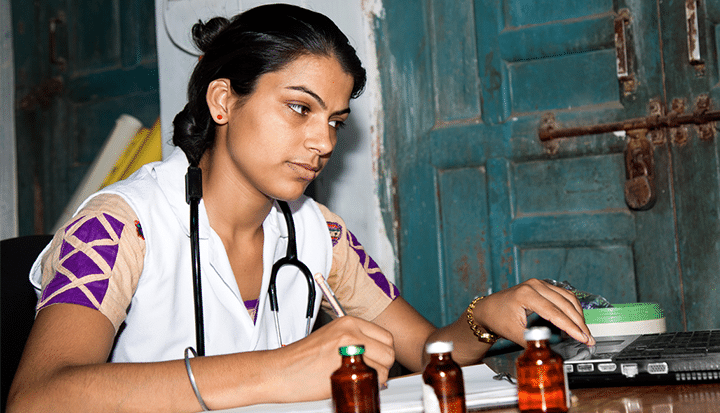
Private organisations are major providers of health care in poorer parts of the world. They come in all shapes and sizes – large hospitals, small clinics, formal and informal, some run for profit and some non-profit. Together, they deliver more than half of all healthcare in Africa. In Brazil, private beds account for 39 per […]
For Sustainable Solutions to the Refugee Crisis, Business will be Key

Anyone who follows the news is well aware that we are in the midst of a global refugee crisis of massive proportions. What may be less apparent from the coverage is that this crisis is long-term in nature. According to the UN Refugee Agency, by the end of 2015, there were 21.3 million refugees around […]
Can Technology Make Africa Happy?

The phenomenal growth of mobile technology in Africa with apps such as M-Pesa and Eco-Cash has made banking possible even for my 91-year-old grandmother, who lives in a Zimbabwean village. This grassroots approach to innovation has opened up tailored and useful apps to mobile phone users across the African continent. My grandmother now even has […]
Building Know-How for Corporate Social Innovation

There are growth opportunities outside its traditional markets. It needs to stay ahead of potentially disruptive technological changes. It has made high-profile commitments on complex sustainability issues. It wants to engage, retain, and develop future leaders by tapping into the power of purpose at work. For reasons like these, a growing number of companies are […]
Respect for Human Rights: Creating a Holistic Framework for Business Contributions to the SDGs

This short framework for analysis and action offers a straightforward way for any company to work out how it should and can contribute to sustainable development. What’s the current problem with the way some organizations are talking about business contributions to sustainable development – and what’s a better path forward? 1. The problem: misunderstanding the […]