Lost in Translation? Lessons for Business and NGOs

“I see the change we need to make. I’m ready to go for it!” said a corporate executive after a partnership design meeting with CARE. CARE staff said the same. These are the moments where we feel transformation happening in the room. We have worked through tough issues and we know we are co-creating something […]
The Right Language for Embedding Sustainability

At SABMiller, we understand that our profitability depends on healthy communities, growing economies and the responsible use of scarce natural resources. Last year we launched a new sustainable development ambition we call Prosper with five major goals and associated targets: accelerating growth and social development through our value chains; making beer the natural choice for […]
Using the Right Language for Each Stage of Growth

Counterfeit products cause huge social problems—estimates suggest that counterfeit tuberculosis and malaria drugs alone cause approximately 700,000 deaths each year—and Sproxil takes a business approach to solve them. Our Mobile Product AuthenticationTM solution can verify the authenticity of almost any product. A sticker with a unique code hidden under a scratch-off layer is applied to […]
More than Semantics: Does Terminology Affect Scale and Impact?

Nearly 100 companies, development donors, and NGO partners had just finished listening to the opening panel in a two-day workshop we had organized to focus on ways companies could expand economic opportunity for people living at the base of the economic pyramid. The year was 2007, and the CSR Initiative at the Harvard Kennedy School […]
What Is the Best Way to Measure Innovation?

Commenting on the state of innovativeness, Peter Thiel, founder of PayPal and legendary Silicon Valley investor, remarked, “We asked for flying cars. Instead, we got a hundred and forty characters.” Really, Peter? Who asked for flying cars? Silicon Valley is, of course, obsessed with cars of many kinds – self-driven, electric, enabled by commands and […]
A Conversation with Erik Simanis
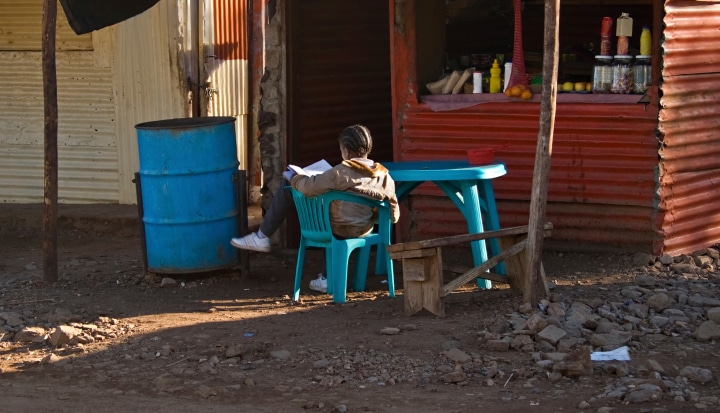
Erik Simanis is Head of the Frontier Markets Initiative at Cornell University. His work is published in leading management journals, including the Harvard Business Review and The Wall Street Journal. He also writes for The Guardian’s sustainable business, and is a core faculty member of the Intrapreneurship Lab. His thinking is grounded in hands-on experience, […]
Lessons on Inclusive Supply Chains and Achieving Scale
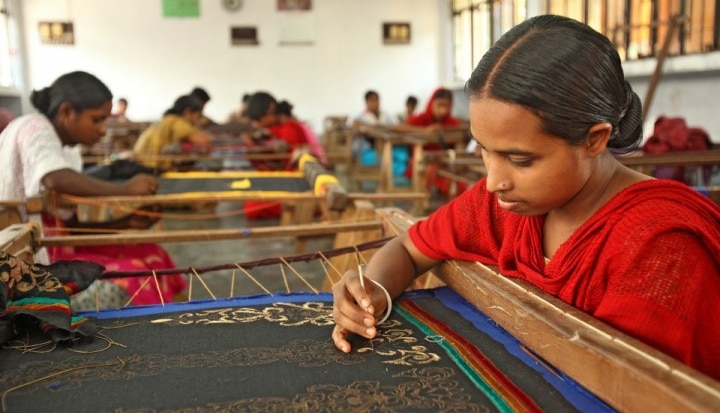
How does one measure the success of a business today? Is it commercial viability or the ecosystem it creates to promote sustainable development through stronger market linkages and supporting the most marginalised? Or can it be both? In a world when double and triple bottom lines are increasingly de rigueur, we now look at inclusive […]
The Unintended Consequences of Inclusive Business
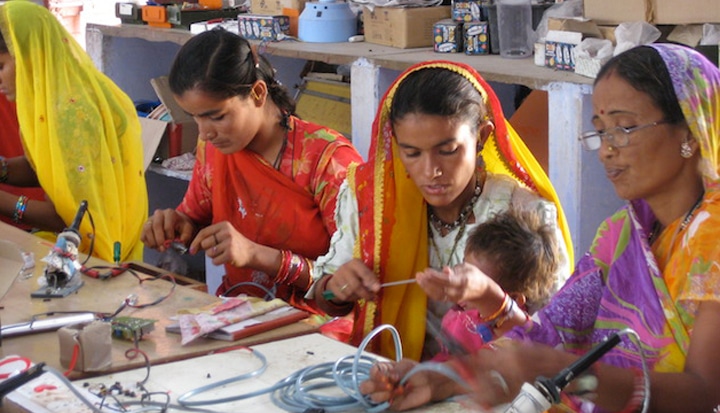
Last week we hosted a two-day conference, Inclusion Inc., at The Fletcher School, where we tested the idea that “the only competitive business is an inclusive business.” Inclusive business, or business that pursues opportunities in traditionally unattractive market segments, ought to be a strategic imperative for corporations and investors. Foregoing such segments would open the […]
Combating The Stigma of Glasses In India
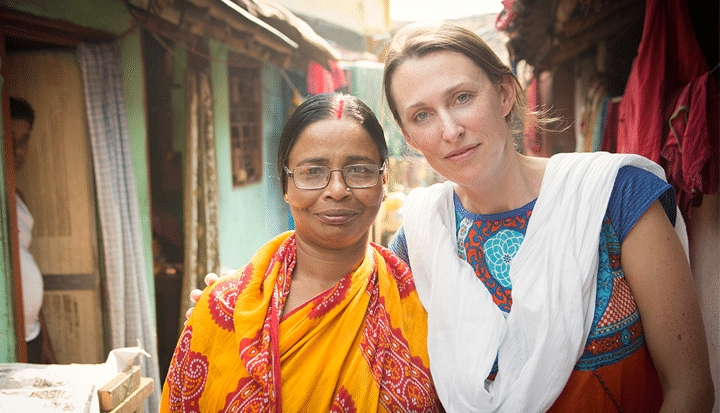
Anna has just returned from staying with families in the urban slums in Kolkata, India. Kolkata, formerly Calcutta, is the capital of the Indian state of West Bengal. Why is it that people in developing countries do not often have convenient access to basic health services or medicines, but that Coca-Cola can be bought even […]
Celebrating World Health Day With Business Ideas
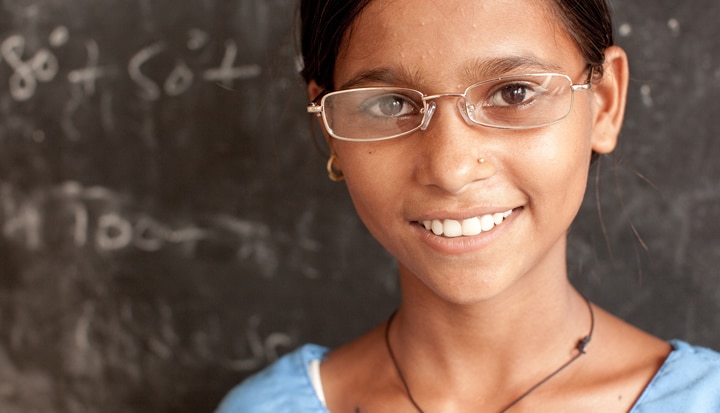
The base of the pyramid as we knew it ten years ago has changed tremendously. Latin America and the Caribbean’s economic growth between 2000 and 2013 benefitted everyone in the region, from top to bottom. Millions of people emerged from poverty, and the segment of those living on $4-10 grew considerably. As their earnings increase, […]
Women are the Crux of Africa’s Development
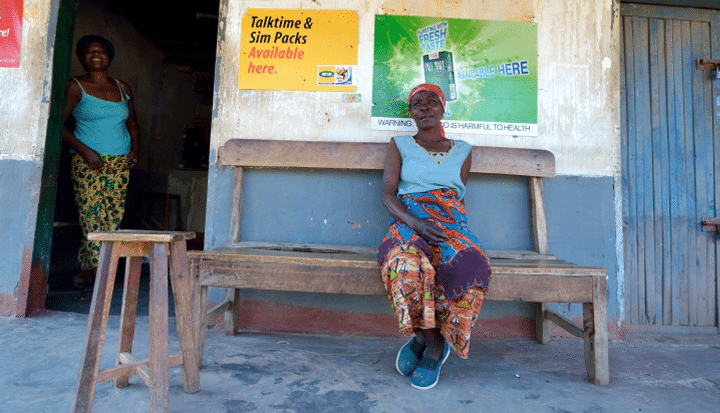
Recent estimates state that women provide approximately 70 per cent of agricultural labour and produce about 90 per cent of all food in Africa. At the same time, women and girls reinvest an average of 90 percent of their income in their families, compared to 30 to 40 percent for men. It is clear that […]
The One Thousand and One Questions on Business Ethics
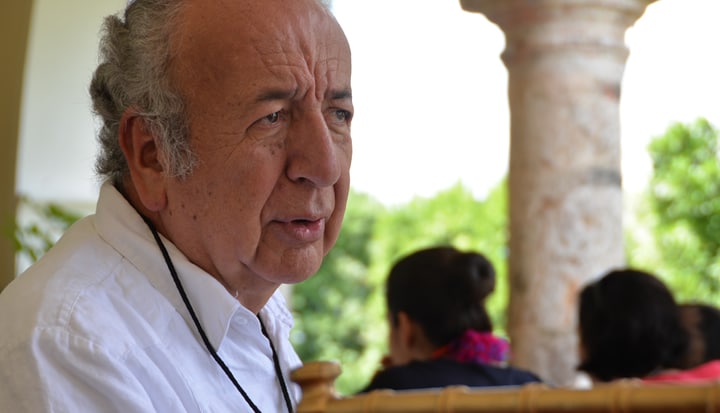
What is an ethical business? Bernardo Toro, an advisor to the Avina Foundation, said it clearly and with humor during the opening ceremony of the Latin America Impact Investing Forum (FLII) which took place in Mérida, México at the end of February: “It is a business that doesn’t prey on people; one that creates real […]
Delivering Impact Beyond Income
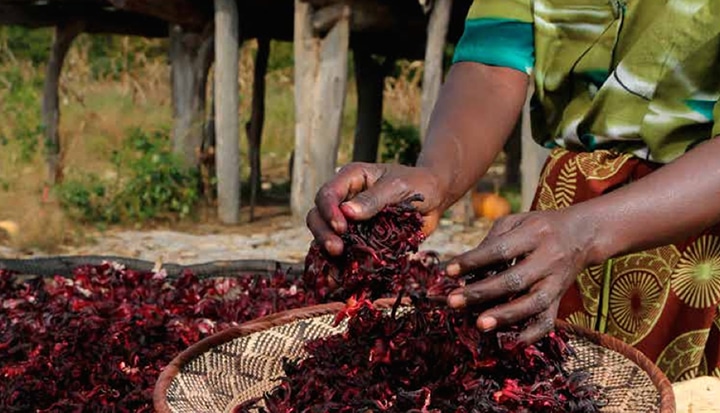
Ten years ago I had a moment of disillusionment with the charity sector. I was working on the intractable conflict in Sudan: progress was slow, and I’m not known for my patience. I began to feel that traditional models of aid had limitations and decided it was time to explore different routes to tackling poverty. […]
Inclusive Value Chains in Plastic Waste Management

For a long time, waste management and recycling were primarily discussed in the context of environmental preservation. However with natural resources becoming scarcer and prices of raw materials increasing, it is no surprise that materials and energy recovered from recycling waste are gradually recognised as a valuable commodity, particularly by enterprises. In its Green Economy […]
Value in Sustainable and Inclusive Business Activities

‘Potential cocoa shortage by 2020’ was an obvious business case for a company like Hershey’s to invest in being resilient to climate change in order to sustain long-term profits. Hershey’s has even surpassed its 2014 goals, announcing that 30% of its globally sourced cocoa is independently certified and verified. Cost reduction strategies by Pacific Rubiales […]
The Business Case for Girls
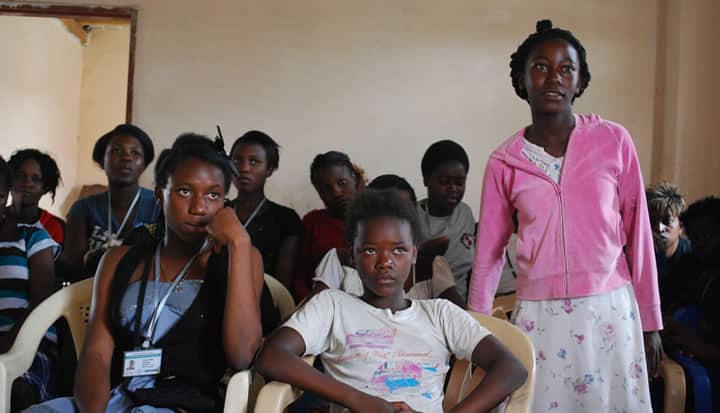
One of the most common questions we get from entrepreneurs is why we’ve chosen to focus the SPRING Accelerator exclusively on adolescent girls who are living in poverty. Entrepreneurs understand the general business case for base of the pyramid (BoP) consumers, who represent a global market of nearly $5 trillion. They also understand that BoP […]
Empowering Female Entrepreneurs in Rural Communities
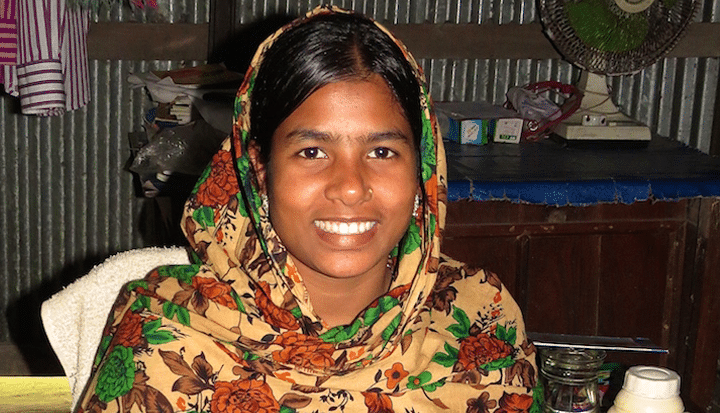
I met Tania five weeks ago during a field visit to Barisal, a city in Southern Bangladesh. I had gone to collect stories from female entrepreneurs in a small sub-district and learn about their lives before and since they began generating an income. Tania clearly stood out as the youngest of all the women I […]
Launching the 2015 Intrapreneur Labs
So 2014 was a whirlwind of a year for The Intrapreneur Lab – the accelerator programme for social innovations inside large companies conceived by Leadership Laboratories, Accenture and Business Fight Poverty and now held in business schools across the world. At the bottom of this post are a few stats around the 4 Labs we’ve […]
Inclusive Business: Forget Business School Strategy

In the coming decades, the majority of the world’s economic output and market growth will come from the emerging markets. Already, the seven largest emerging markets collectively contribute more to global output than do the G7 countries combined. That said, once one gets beneath the aggregate statistics, these emerging – and dynamic – markets are […]
Counterintuitive Ideas and Sustainable Enterprise

Most business models are formulated by the top of the pyramid. Many business leaders and academics write on the musts haves of a successful base of the pyramid (BOP) business model. Still quite a few of those business endeavors fail. While reasons for failure vary, experience shows that the ability to observe, listen and understand […]