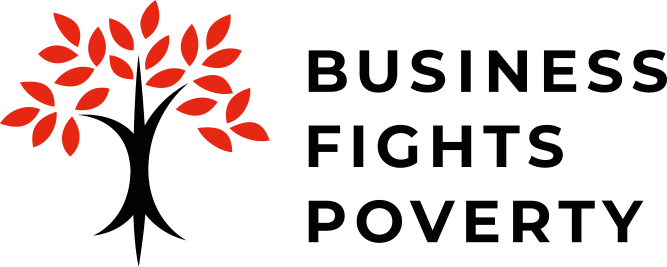
The Girls’ Education Challenge in Afghanistan
As the Fund Manager for the Girls’ Education Challenge (GEC), we are extremely limited in our ability to visit field project locations in Afghanistan. It is designated as too ‘high risk’. For this reason, we held our recent Annual Review workshop with project teams in the Sri Lankan capital of Colombo. These teams have similar […]
Collaborating to Enhance Women’s Business Skills
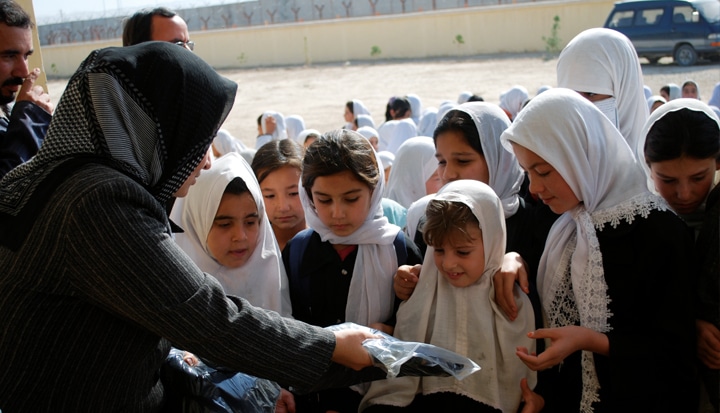
Cherie Blair, Sevi Simavi and team with Yvonne at her cyber cafe. Credit: William Hirtle/Cherie Blair Foundation for Women. After surviving the Rwandan genocide 21 years ago, Yvonne worked hard to rebuild her life. She now runs a busy cyber café on a bustling street in Kigali. She set up this business in 2011 and, […]
Boosting the Livelihoods of Dairy Farmers
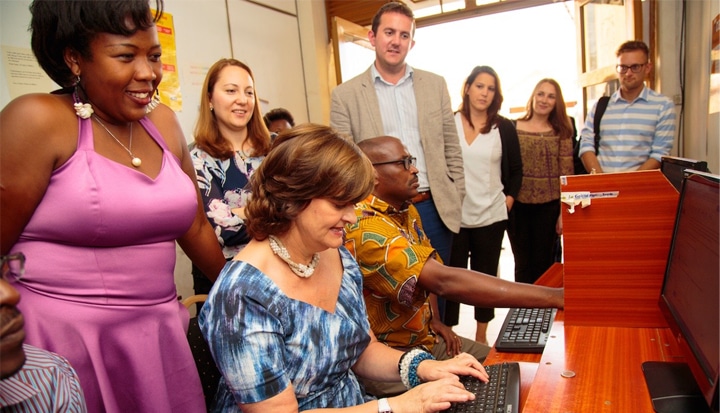
The final report looks at a five-year market development project in Malawi, funded by Accenture that finished in 2014. The project addressed the bottlenecks and opportunities in the dairy industry in Malawi, where inefficient smallholder production (which accounts for 80% of the domestic milk supply) is contributing to the fact that Malawi has the lowest […]
Readying Young People for a New Jobs Market
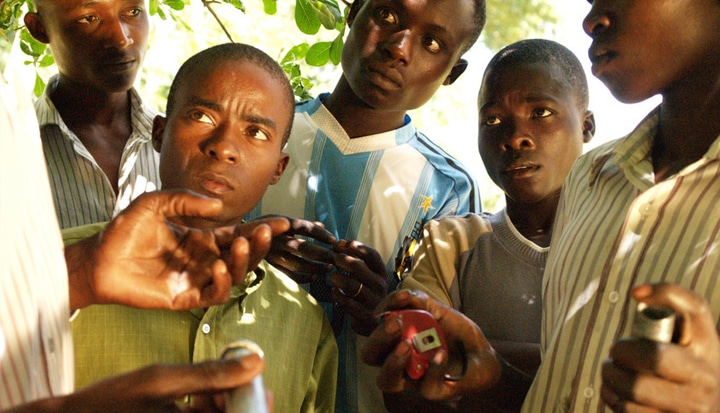
The second report in VSO’s Producing Progress series looks at a programme based in Tanzania: Enhancing Employability through Vocational Training (EEVT). The reports draw out lessons from a variety of programmes, including those that improve employment opportunities, strengthen markets for smallholder producers and align skills needs with supply. The EEVT project, started in 2012, is […]
Centres of Excellence Boost for Future Jobs
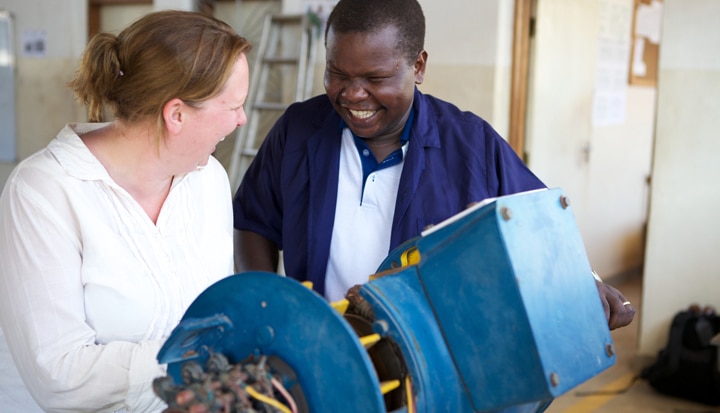
The first report in VSO’s Producing Progress series focuses on a programme in Kenya that tackles inequality through improving the provision of skills for entrepreneurship for marginalised groups, youth and women in particular. The reports draw out lessons from a variety of programmes, including those that improve employment opportunities, strengthen markets for smallholder producers and […]
Scaling Financial Inclusion for Micro-Enterprises
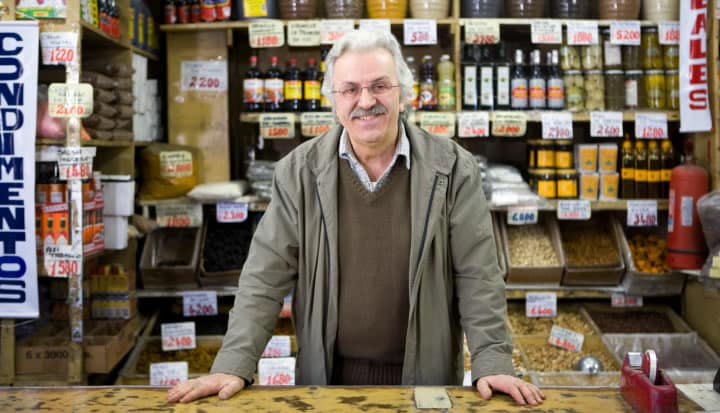
As world leaders gather in Addis Ababa to consider how to finance and deliver the new Sustainable Development Goals (SDGs), a recent dialogue in London attended by businesses, donors and civil society, has identified seven key actions to increase financial inclusion for micro-enterprises. Increasing finance to small businesses is an important priority for the Financing […]
Blended Finance Initiatives in Support of SDGs
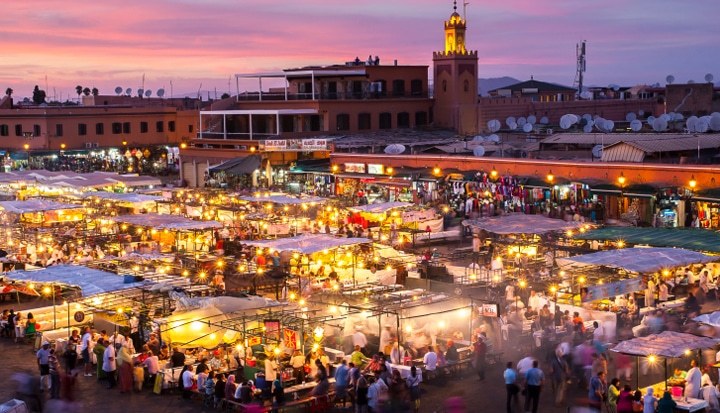
The World Economic Forum and the Organisation for Economic Co-Operation and Development (OECD), through the work of the Forum’s ReDesigning Development Finance Initiative (RDFI), will formally announce three Blended Finance initiatives aimed at unlocking hundreds of billions of dollars of investment to help meet the United Nations Sustainable Development Goals (SDGs). Blended Finance seeks to […]
Unlocking Domestic Resources in Developing Countries
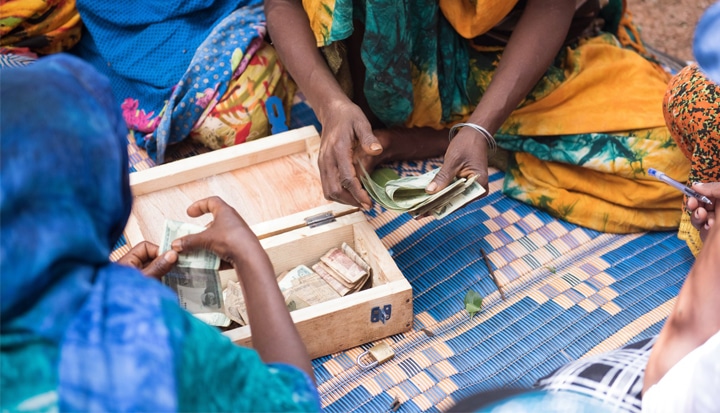
Photo Credit: CARE The Financing for Development Conference in Addis Ababa from 13 to 16 July could be a key moment to build a framework for financing the work needed to eradicate poverty by 2030, and so build confidence for the effective pursuit of the Sustainable Development Goals and for a fair and ambitious climate […]
Complementary Public and Private Finance Sources
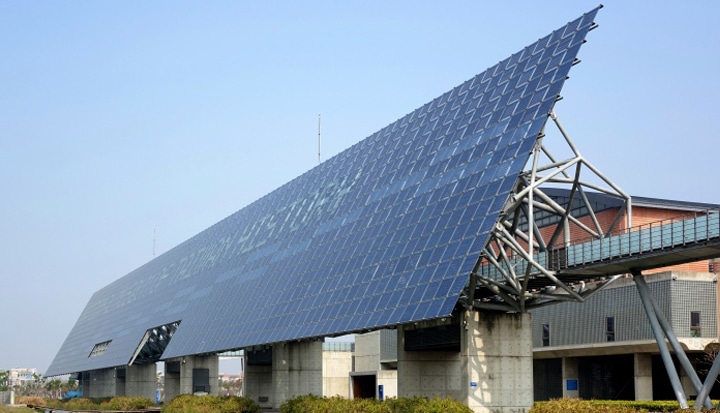
Interview with Krishnan Sharma, Senior Economic Affairs Officer in the Financing for Development Office at the United Nations Department of Economic and Social Affairs The scale of the need for sources of finance to fund infrastructure, education and financial inclusion, means that once proscribed roles for the public and private sector in financing development have […]
Is Pakistan Really Open for Business?
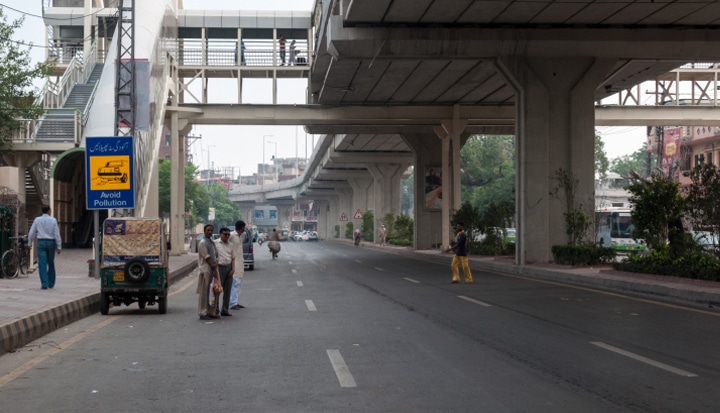
After my first trip to the country last week, I’d say a resounding yes. And I’d also say that in the long-term, it’s business that will lead Pakistan to prosperity. But that means investment – and, despite the country’s impressive progress in recent years, international investors in Pakistan are in short supply. The Economist recently […]
To Change the World We Must Change Ourselves

The Mediterranean sea has become a graveyard for Africa’s youth. Every day, we see images of what would appear to be a continent racked by conflict and poverty, and people risking – often losing – their lives in an attempt to flee . Yet Africa has 11 of the 20 fastest growing economies in the […]
What are the Principles for Responsible Investment?
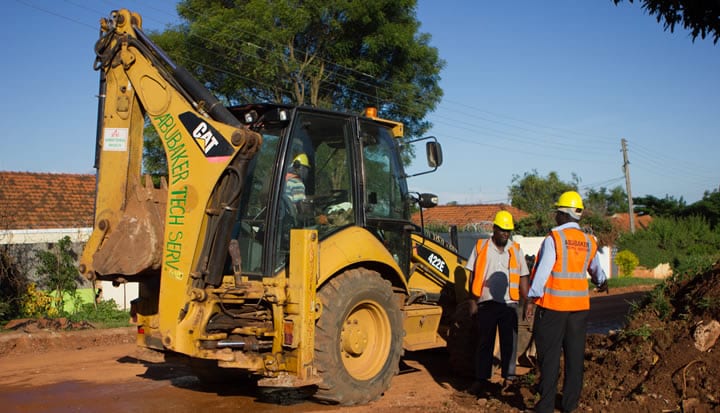
Responsible investment is an approach to investment that explicitly acknowledges the relevance to the investor of environmental, social and governance (ESG) factors, and the long-term health and stability of the market as a whole. The United Nations-supported Principles for Responsible Investment Init… is an international network of investors working together to understand the implications of […]
How Good ESG Standards Boost Business Competitiveness
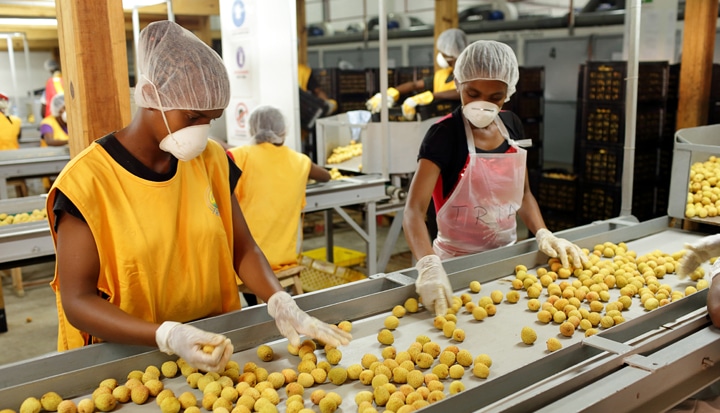
Madagascar Lychee Export (MLE) is a lychee export station based in the port of Toamasina, Madagascar. The company buys fruits from collectors and local producers, and then processes, packages, and exports the fruit to European markets. Prior to 2010, MLE was a small, family-run business operating in a changing industry with rising standards and demands. […]
From Responsible Investment Standards to Implementation
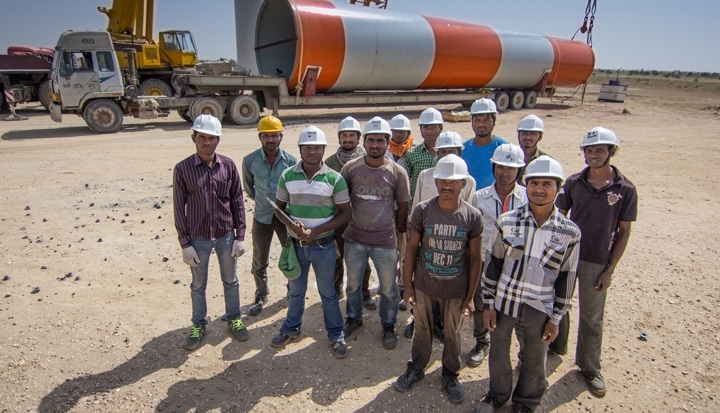
Over the past ten years, environmental, social and governance (ESG) issues have moved from the fringe to the centre stage – both amongst emerging market focused private equity investors and amongst businesses themselves. These issues have emerged as a material concern as result of various factors – including the need to manage reputational risks associated […]
Advancing Business Leadership for an Inclusive Economy
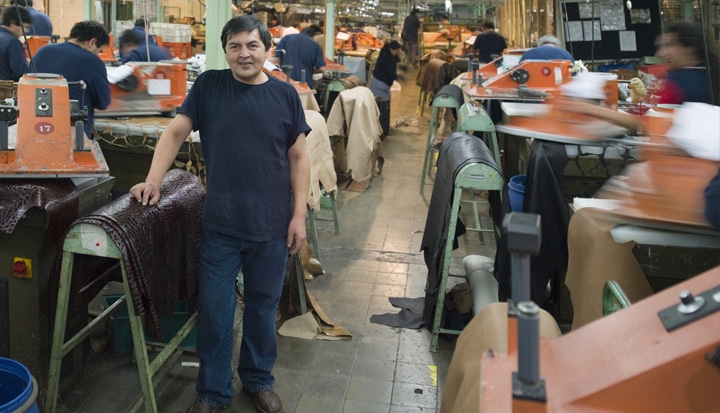
Global progress today reflects a tale of two economies: one in which great leaps forward in human development and poverty reduction coexist with the struggle that many, from the very poor to the middle class, face to participate in and benefit from global economic activity. In its “Outlook on the Global Agenda 2015,” the World […]
A Blueprint for Ethical Supply Chain Management
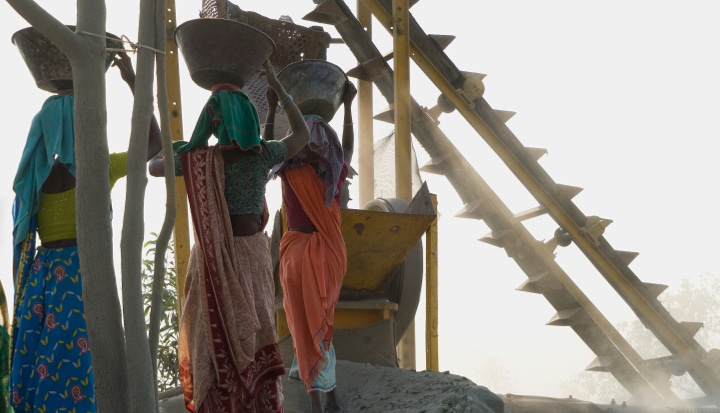
Marshalls’ supply chain programme in India has made a positive impact on its suppliers and improved the lives of quarry workers and their families. It has also launched Fairstone, an ethically sourced range of natural stone, and partnered with Unicef to support the drive to effect systemic change in the industry. Social impacts Through a […]
Building Young Futures

This partnership between Barclays and UNICEF tackles youth unemployment by giving young people the skills, knowledge and confidence to set up their own small business or find a job. Social impacts The programme trained 72,921 young people in enterprise, financial, employment and life skills; 28,000 young people have started saving. Has led to the creation […]
Affirmative Action Employment Training in India
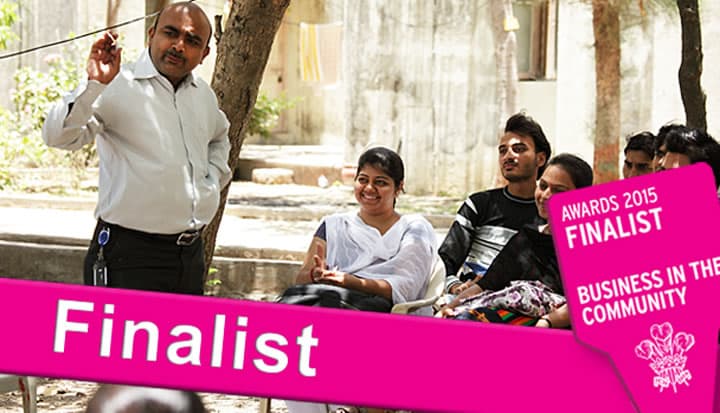
TCS Affirmative Action Employment Training has increased the employment prospects of women and young people in India’s most marginalised communities, the Scheduled Castes/Scheduled Tribes (SC/ST). Social impacts Over 42,000 people were trained over five years, 16,800 of whom came from underprivileged SC/ST communities. 50% of the total numbers trained were women (21,042 out of 42,000) […]
Financial Inclusion for the 'Base of the Pyramid'
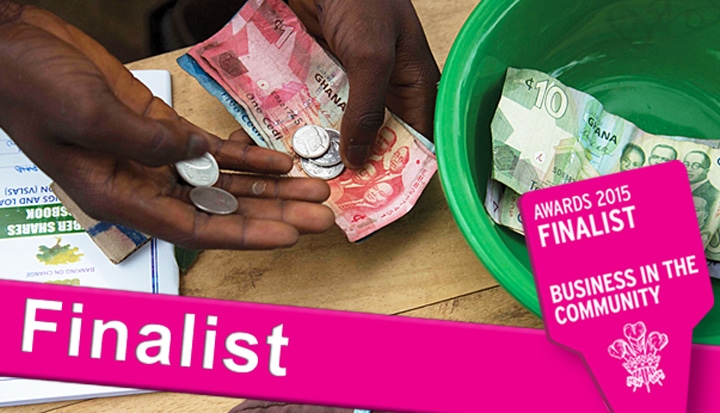
Barclays has formed partnerships with international NGOs CARE International and Plan UK to give poor people, especially the young, in Africa and Asia access to basic financial services for the first time, and the skills to save and manage their money effectively. Social impacts 369,000 women and men, including 245,000 youths, were given access to […]
Financial Inclusion for the ‘Base of the Pyramid’
Barclays has formed partnerships with international NGOs CARE International and Plan UK to give poor people, especially the young, in Africa and Asia access to basic financial services for the first time, and the skills to save and manage their money effectively. Social impacts 369,000 women and men, including 245,000 youths, were given access to […]