The UPS International Disaster Relief and Resilience Award – Meet the Shortlist

The frequency, intensity and complexity of disasters will increase over the coming decades. Globalisation means the impacts of those disasters on business and communities are increasingly evident, and businesses are being called upon to scale up their response to such events by internal and external stakeholders. Through their actions, businesses have demonstrated that business and […]
Q&A with MCC Resident Country Director for Niger: Bolstering Niger’s Agricultural Sector
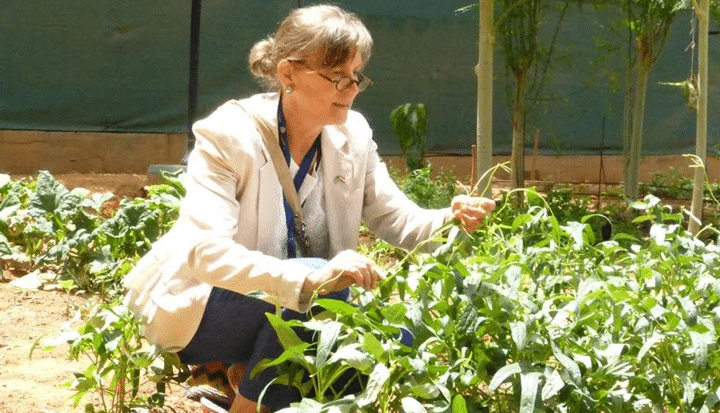
In July 2016, MCC signed a $437 million compact with the Government of Niger to improve access to water for agriculture and livestock and expand access to markets. In this interview, MCC Resident Country Director for Niger Kristin Penn discusses how, together with the Government of Niger, MCC is building stronger institutions and making foundational […]
Empowering Women through Corporate Value Chains: Getting the Data to Drive Scale
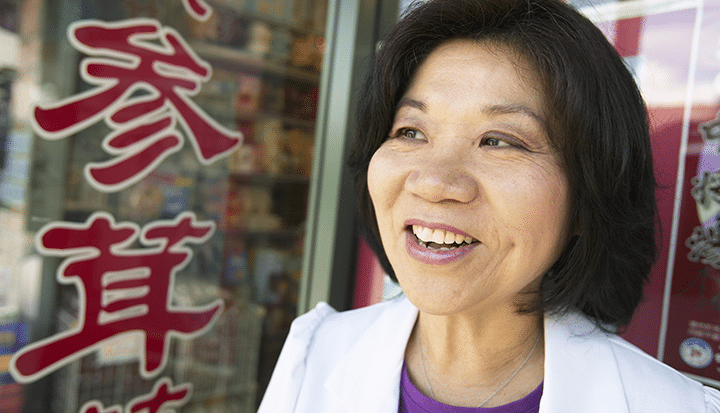
In certain circles, it is taken virtually as given these days that business culture and practices will need to change to achieve gender equality and empower women. Companies have become more open in acknowledging that unconscious bias and other, structural factors make it harder for women to succeed, and at the same time, they are […]
How Ethiopia’s Nascent Apparel Industry Can Build a Strong, Empowered Workforce
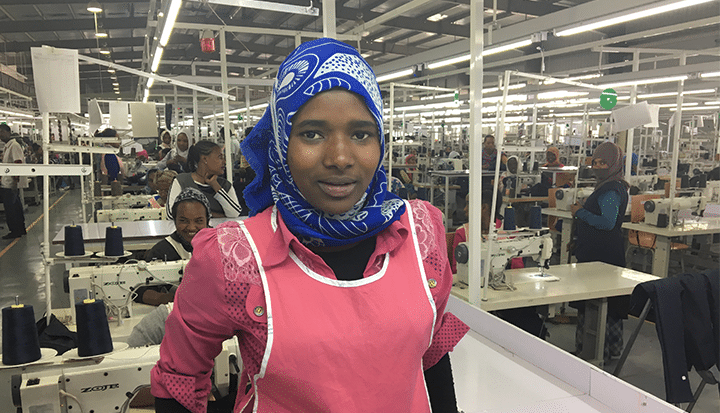
“In today’s global economy, brands must understand the industry needs in the new countries they source from. At The Children’s Place, our aim is to support the development of the new garment workforce in Ethiopia and do our part to bring sustainable business practices to the region.” —The Children’s Place Today, Ethiopia is a small […]
Why Do So Few Companies Invest in Gender Equality?
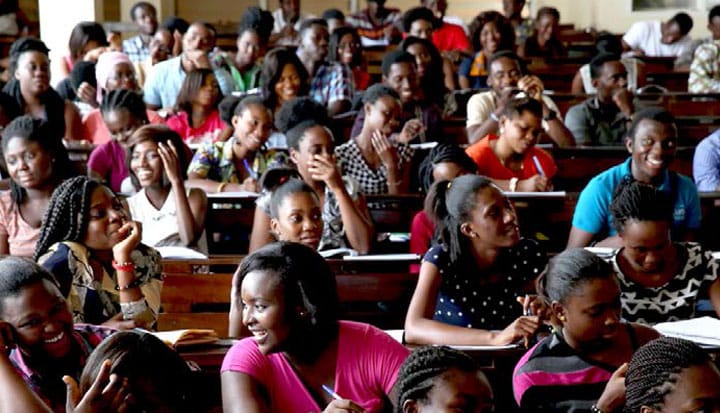
Businesses that invest in gender equality often see notable returns. Take Banco BHD León (BHDL) for example in the Dominical Republic. In the bank’s home market, women make up 70 percent of university graduates and more than half of all primary household providers but remain underserved in the financial sector. By targeting women’s specific needs […]
Partnerships and the Power of Relationships
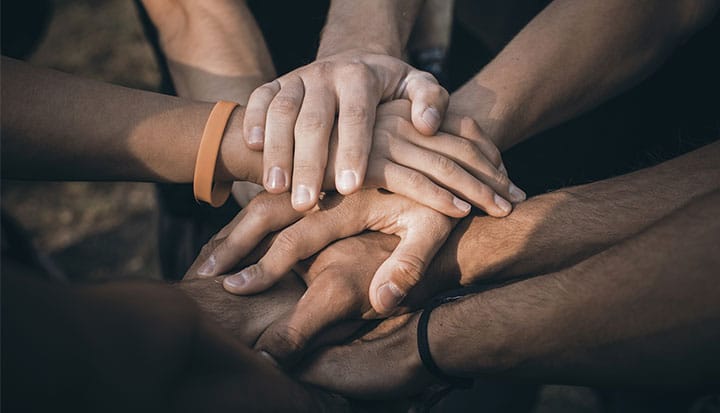
In the same way, a certain bond arises between the core people involved in any effective cross-sector partnership.This analysis of a South African water partnership refers to the central importance of the “chemistry” of partnerships. According to the partnership’s manager Nick Tandi, “We need to get better at understanding this chemistry, and how to make […]
Eliminating Modern Slavery and Human Trafficking in Supply Chains
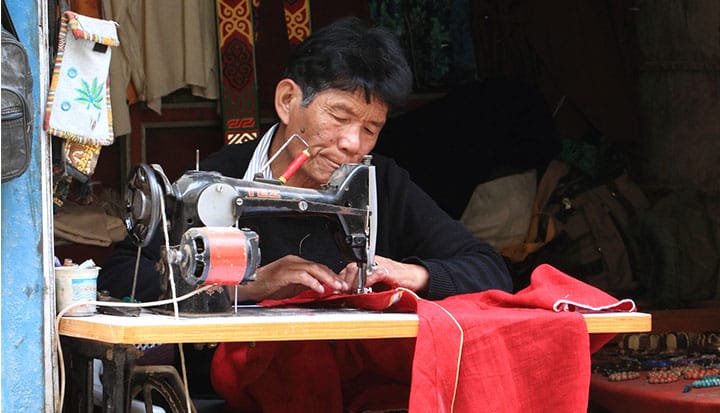
By Norma Tregurtha, Policy & Outreach Director, ISEAL Two years have passed since the UK Government passed the Modern Slavery Act (2015), designed to prevent slavery, servitude, forced or compulsory labour and human trafficking. It is currently estimated that 13,000 men, women and children suffer modern slavery or forced labour in the UK. Globally, an […]
Meet the Shortlist: Unilever Global Development Award, supported by Business Fights Poverty

Adopted on 25 September 2015, 193 world leaders agreed to 17 Global Goals for Sustainable Development to end poverty, protect the planet, and ensure prosperity for all. If these Goals are completed, it would mean an end to extreme poverty, inequality and climate change by 2030. Businesses are a key enabler of global sustainable development […]
New BSR Guidance Integrates Gender Equality into Supply Chain Codes of Conduct
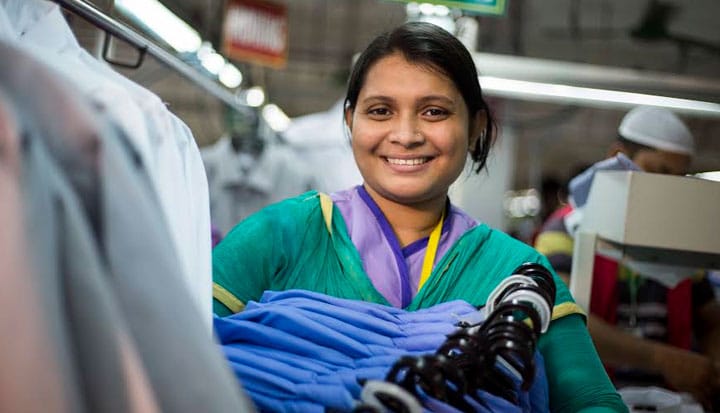
With women holding 60 to 90 percent of jobs in the labor-intensive stages of the apparel and fresh produce global supply chains, it would make sense for companies in those industries to consider women’s specific challenges when focusing on ethical supply chain management. However, until now, women have rarely been a focus of such strategies, […]
Women’s Empowerment Beyond the Paid Economy

The advancement of women’s rights and economic empowerment in market systems contributes to the economic well-being of families, communities, and nations. We are all working towards this goal and agree with the opening statement for the WEE Global Learning Forum 2017. How can we do this better? Market systems programs are increasingly targeting women’s economic […]
Growing SMEs and Young People, Together
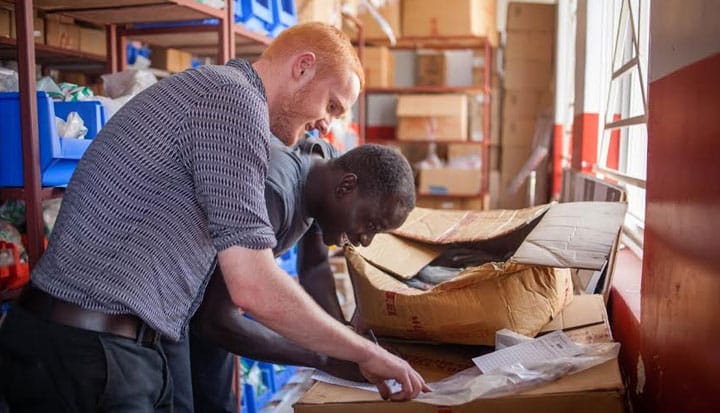
We know the statistics – worldwide more than 1 billion young people will enter the job market between now and 2030, 600 million jobs are needed globally over 15 years to keep current employment rate, 71 million young people are unemployed globally, the youth population in Africa will double to over 830 million by 2050, […]
#GBCtalksmalaria with Jon Pender of GSK

Interview with Jon Pender, Vice President, Global Health, GSK This interview is part of a series in which experts discuss key aspects of the malaria challenge– innovation, program implementation, finance and policy. We hope the series sparks conversation and encourages others to determine how they can best contribute to the fight to end malaria for […]
Corporate Leadership in the Fight to End Malaria
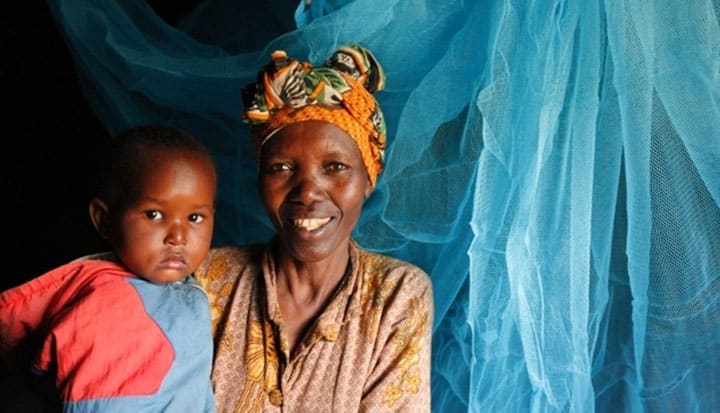
Tremendous progress has been made in the fight to end malaria. Seventeen countries have reduced malaria cases to the point where it is no longer endemic – and eight of these have fully eliminated malaria. Since 2000, malaria prevention and treatment programs have saved an estimated 4.3 million lives. Companies have helped to both accelerate […]
Training and Support for Women Refugees
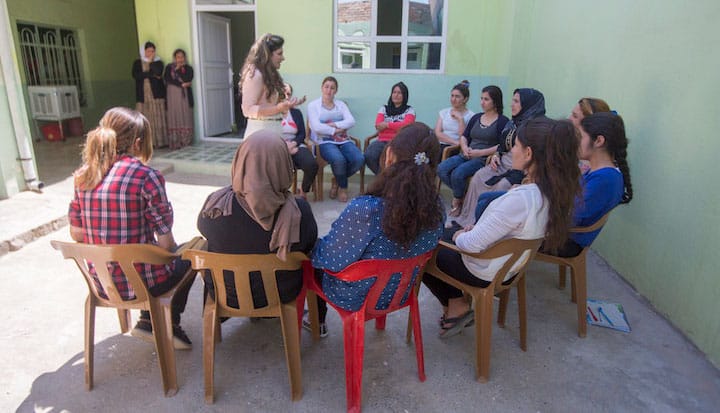
Interview with Mandana Hendessi, Iraq Country Director at Women for Women International Mandana Hendessi will be speaking at a dinner hosted by Women Advancing Microfinance UK on Tuesday 2nd May 2017 in London. She will be talking about the work that Women for Women International (WfWi) and its partners are doing in and around refugee […]
Creating Transparency Around Corporate Sustainability Tools
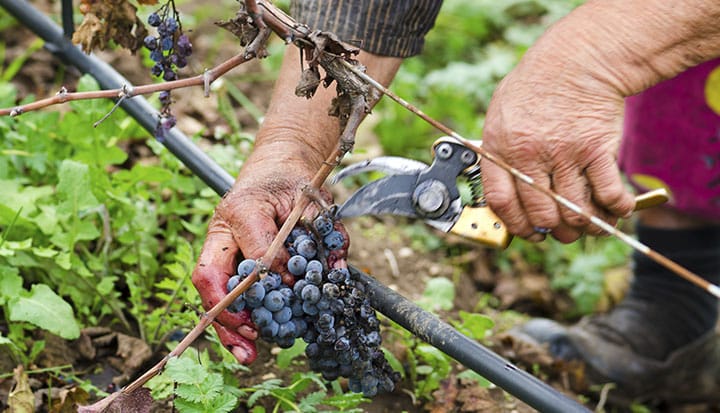
There are hundreds of tools out there that can help companies learn, manage or report about their impacts on sustainable development in general and the Sustainable Development Goals in particular. An international consortium of researchers, NGOs and rating agencies has now collected and categorized 226 tools – all claiming to help measure and manage corporate […]
Is Your Company Ready to Engage with the SDGs through Inclusive Business?
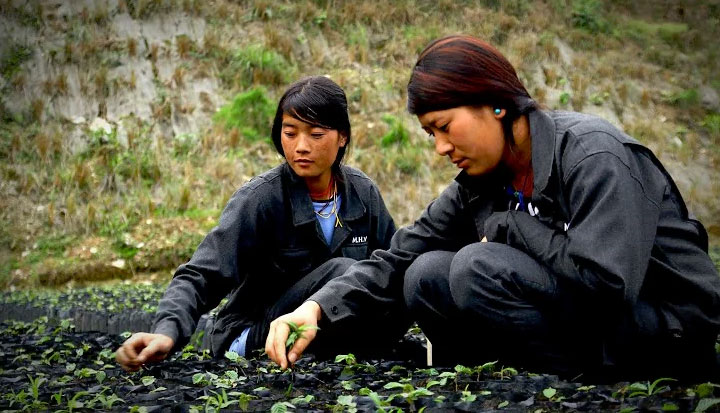
SDG engagement can take the form of a tested and decade-old concept: inclusive business. A new report helps companies assess how ready they are to incorporate it. These are unsettling times. The promise of globalisation is being increasingly eclipsed by political uncertainty and a rising tide of nationalism and protectionism. In listening to workers displaced […]
One for All, and All for One: Industry-Level Collaboration is Needed to Eradicate Forced Labour
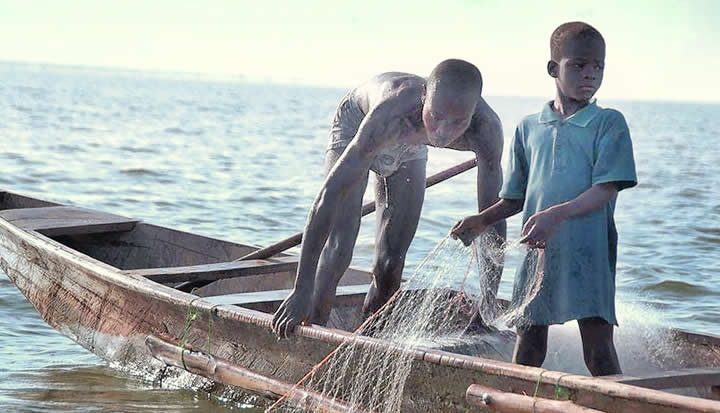
According to the ILO, nearly 21 million people are subjected to forced labour around the world (an alternative estimate from the Walk Free Foundation, which is working with the ILO to release updated figures this year, puts the number more than twice as high). This activity generates $150 billion in illegal profits every year. 71% […]
Can Cities Benefit from Last-mile Energy Innovations in Rural Areas?
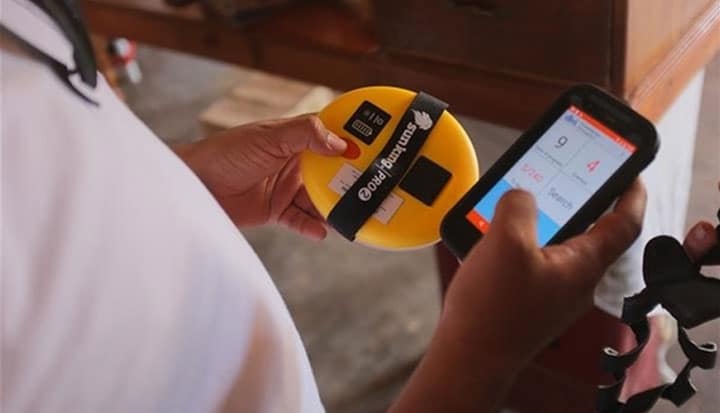
By Carlos Guiza and Xosé Ramil Twenty million people do not yet have access to electricity in Latin America. Around 90 million people are still dependent on solid fuels—mainly biomass and kerosene—to cover basic needs such as heating and cooking, which limits their access to lighting and contributes to greenhouse gas emissions. This deficiency particularly […]
How Business Can Help Address Youth Employability

Barclays is a transatlantic bank with a history of supporting young people to gain skills for employability. Between 2012 and 2015, we delivered skills training to over 5.7 million disadvantaged young people and in 2016 we helped a further 1.7m people gain employability skills. During this time, we have increasingly focused on measuring and understanding […]
How Can Companies Harness the SDGs to Strengthen Smallholder Supply Chains?
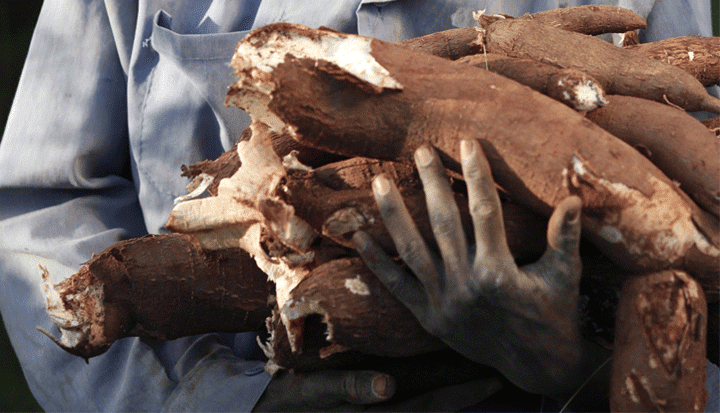
Contributing to the Sustainable Development Goals (SDGs) represents a significant value creating opportunity for business. According to the Business and Sustainable Development Commission, achieving the SDGs will create up to US$12 trillion of market opportunities[1] for companies across the four economic systems studied in its landmark report Better Business, Better World (food and agriculture, cities, […]