A Collective Approach for Last Mile Distribution
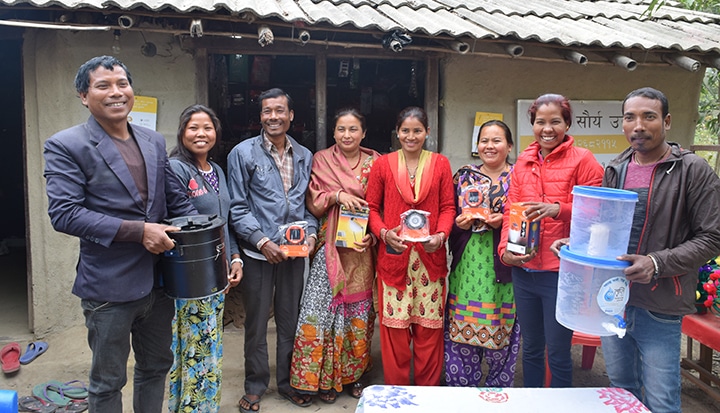
By Emma Colenbrander, Practical Action Billions of people worldwide lack access to everyday products that are fundamental to a better life. Products like solar lights, water filters and clean cooking solutions are transformative for poor families, and essential to achieving the Sustainable Development Goals. A range of businesses – called ‘last mile distributors’ – work […]
New Resources to Speed Employees Up the Intrapreneurial Learning Curve

By Beth Jenkins, Challenge Director, Business Fights Poverty At any given time, in any given company, there can be hundreds of employees with ideas for profitable new products, services, and business models that also create value for society. These would-be “intrapreneurs” come from all different backgrounds and roles, and many have never started a new […]
Supporting Entrepreneurs in the Pursuit of Peace

As a marketing executive, New York advertising executive Sabrina Prince has launched many brands. And after 15 years in the field she was looking to contribute her expertise to the global good. A Google search for “entrepreneur, peace, volunteer, women,” brought Sabrina to Bpeace, a nonprofit that matches business experts with entrepreneurs in challenged economies […]
NGO Partnerships Give Businesses the Teeth to Be Social Activists

Let’s start with the obvious: your average ice cream company doesn’t have much to say about the refugee crisis in Europe. Equally obvious: Ben & Jerry’s is not your average ice cream company. We mix activism and a social mission in with our famous chunks and swirls. And we know that to drive real change, […]
Delivering on the Promise of Inclusive Business
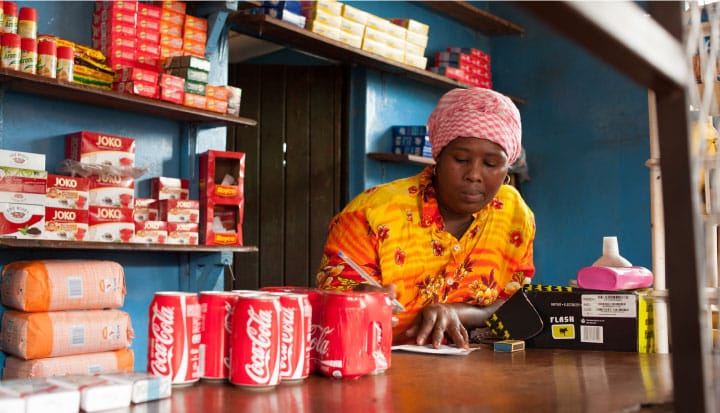
Back in November 2008, on a hot, dusty day in Dar es Salaam, I vividly remember the moment I met Lillian Kessy. I was immediately struck by her confidence, dignity and determination. Only a year earlier, Lillian was in a desperate financial situation. By the time I met her, she was busy building a small […]
How Host Country Business Can Benefit by Engaging Migrants/Refugees as Consumers and Employees

Whether voluntary or forced, migration trends indicate an increase in flows which require urgent, innovative responses. The estimated numbers of international (across country borders) and internal (within country borders) migrants are 244 million and 740 million respectively, representing one seventh of the world’s population. Migrants move predominantly for voluntary reasons, but 65 million are forcibly […]
Effective Partnering: In Praise of Internal Politicians

The term ‘intrapreneur’ has emerged to describe people who stimulate innovation within their companies. A similar role describes the people who are able to navigate the various parts of their own organisations to enable them to engage in a partnership. Taking a cue from this recent HBR article, we can suggest the term ‘internal politician’ […]
How Can We Create an Enabling Environment for Inclusive Business?
How can we create an enabling environment for inclusive business? When I started to work on this question on behalf of the DCED’s Business Environment Working Group, I expected a relatively straightforward scan of the literature – after all, quite a bit has now been written about what governments can do to help inclusive business […]
Communities First: Top Human Rights Priorities for Extractives Companies

As former UN Commissioner for Human Rights Mary Robinson once said, “We must understand the role of human rights as empowering of individuals and communities. By protecting these rights, we can help prevent the many conflicts based on poverty, discrimination, and exclusion (social, economic, and political) that continue to plague humanity and destroy decades of […]
Why Tackling Violence Against Women is Your Business
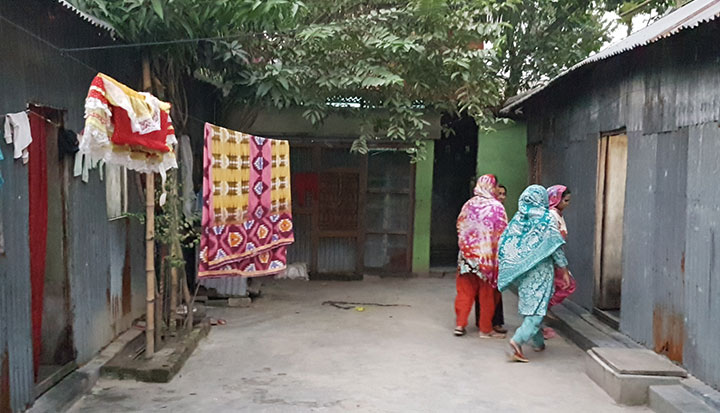
The recent surfacing of numerous sexual harassment allegations—including multiple allegations of sexual harassment in the workplace—have demonstrated how much work remains to be done to create genuinely inclusive workplace around the world. Business can no longer be in any doubt about its duty to stamp out violence and harassment at work. However, if there is […]
Reaching Children Earlier to Disrupt Gender Norms and Improve Health
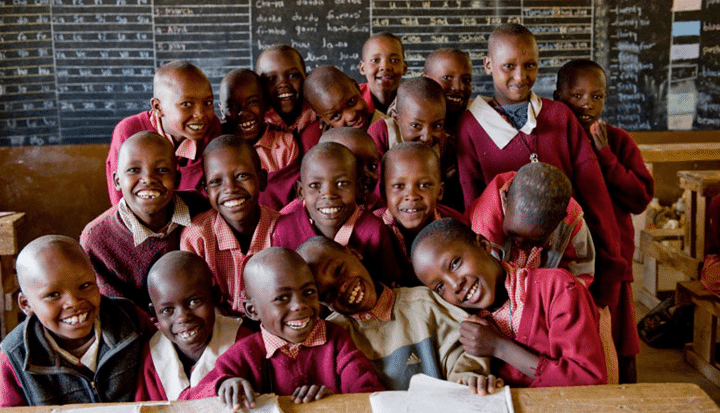
By Alyssa Govindan, Communications, GBCHealth GENDER NORMS & HEALTH IMPLICATIONS While gender norms are being challenged in the West, in many other parts of the world they are becoming further engrained. Even at a young age, gender norms can dictate the activities boys and girls are allowed to participate in. Behaviors as simple as playing […]
Creating a Partnership Ecosystem – 6 Rules to Live By

Despite its increasing occurrence in the global community, and its elevation through the Sustainable Development Goals, the act of partnering remains a challenge across all sectors. Doers need to share about what works — and what doesn’t – if we are to create a partnering model that enables sustainability and scale capable of achieving the […]
How Some Health NGOs Can Be Bolder in Their Engagement with Business

I was recently invited to present TPI’s partnering toolkit on NCDs – developed last year in collaboration with Bupa and UICC – at EPHA’s annual conference. The memorable phrase ‘evil puppeteers’ was used in one presentation, in reference to the nefarious and shady activities of corporate lobbyists. While significant progress has undoubtedly been made in […]
Expanding Women’s Financial Inclusion: A Win-win for Women and Financial Institutions
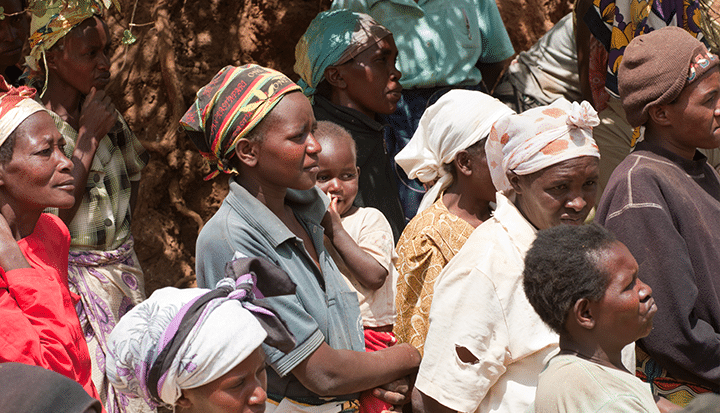
Rose, an astute and driven business woman runs a “table banking” operation in the heart of Nairobi. An extension of the traditional village savings and loan associations, “table banking” has gained popularity among poor women in Kenya. Women get together every month and contribute a certain amount of money. Members of the group then borrow […]
Want to Change the World? Allow the Private Sector to Do What it Does Best

For the past week, the world has watched as heads of state and global business leaders convened in New York City for the 72nd United Nations General Assembly. The agenda was far from light. Topics ranged from food security to climate change to the refugee crisis to healthcare. The task at hand – achieving the […]
System Leadership in Practice: Technoserve’s East Africa Coffee Initiative
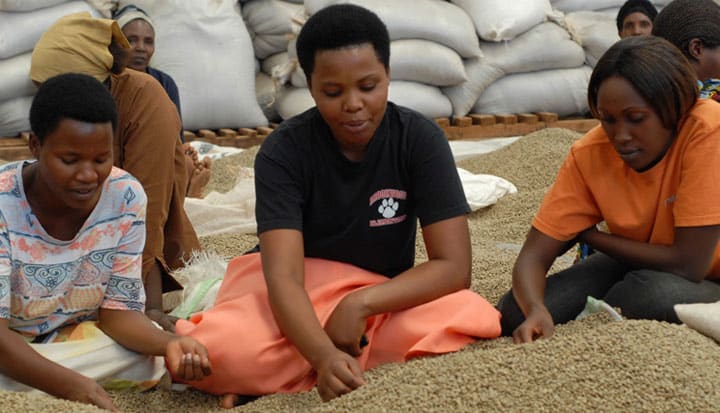
Read enough blogs, and you might think the formula for increasing smallholder farmers’ incomes is well-known: training + access to (inputs x finance x markets). Simple, right? From 2008-2015, TechnoServe’s East Africa Coffee Initiative reached more than 250,000 farmers in Ethiopia, Kenya, Rwanda, and Tanzania, increasing their incomes by more than 25%. A new report […]
From Digital Divide to Inclusion: How to Make Digital Finance Work for India’s Women
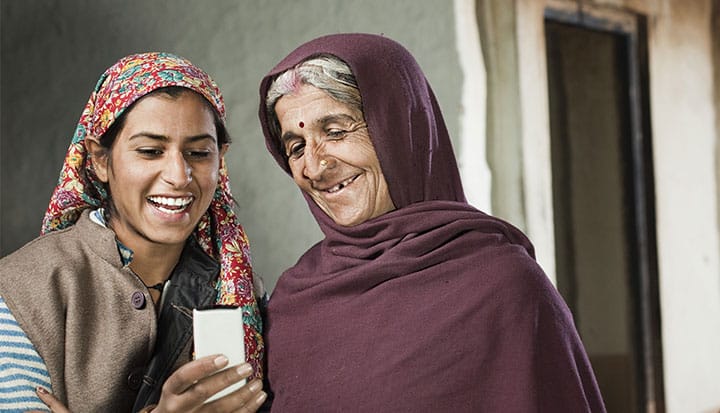
Often heralded as a panacea for financial inclusion, digital financial services could exacerbate the gender divide, unless there is a concerted effort to develop women-friendly products and channels. Despite recent successes in India’s financial inclusion journey, Indian women still cannot access bank accounts, loans, and other financial services as easily as men. In 2015, only […]
Partnering to Get Every Child Learning
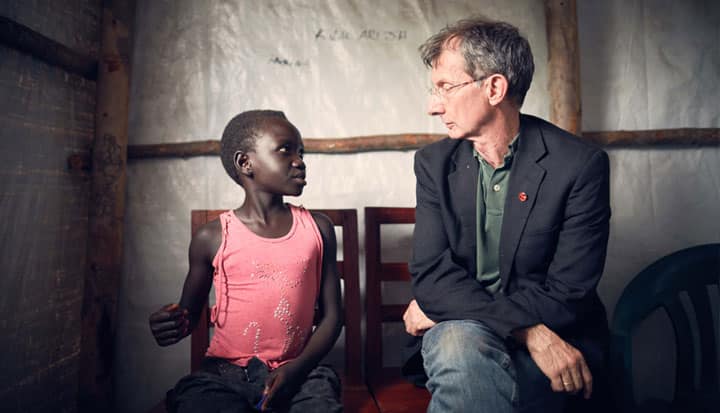
The world is witnessing the highest levels of human displacement on record since World War II. Of the unprecedented 65.3 million people forced from their homes, almost one-third are refugees, seeking protection from violence or persecution. The majority of refugee children have lost not only their home, but also their education – so often the […]
Bold Partnerships Can Help Achieve the Global Goals
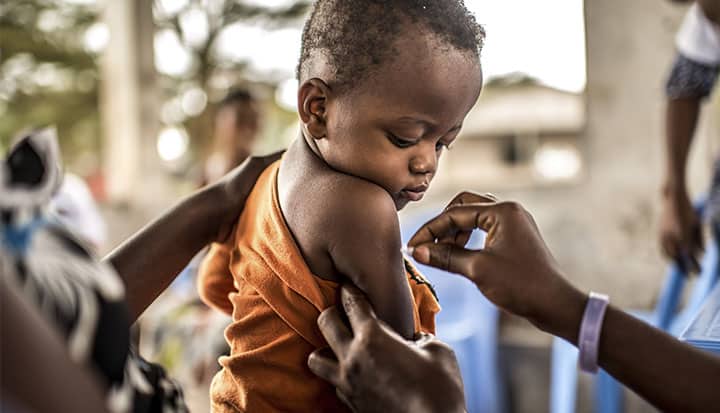
While trust in business and institutions is consistently questioned, I believe partnerships are providing solutions. The Global Goals are clear that business has a vital role to play in achieving sustainable development. The private sector can bring the scale, expertise, and resources needed to find new solutions. But to have impact we must work in […]
New Report: Enabling Smallholder Farmers to Improve Their Incomes

By David Norman, Challenge Director, Business Fights Poverty Many global companies buy significant amounts of the crops they need from smallholder farmers in Africa, Asia and Latin America. They may source either directly from smallholders or indirectly, through traders. Companies choose to work with smallholder farmers for many reasons. Smallholders are often the main producers […]