
Resetting the Agenda: Using partnerships as a step to more impactful change in a better, post pandemic world

“The real problems of our planet are not economic or technical, they are philosophical. The philosophy of unbridled materialism is being challenged by events.” EF Schumacher: Small is Beautiful: “A Study of Economics as if People Mattered,” 1973 The coronavirus has exposed just how fragile our lives are. Over the past decade, even though there […]
The data revolution must accelerate food sustainability
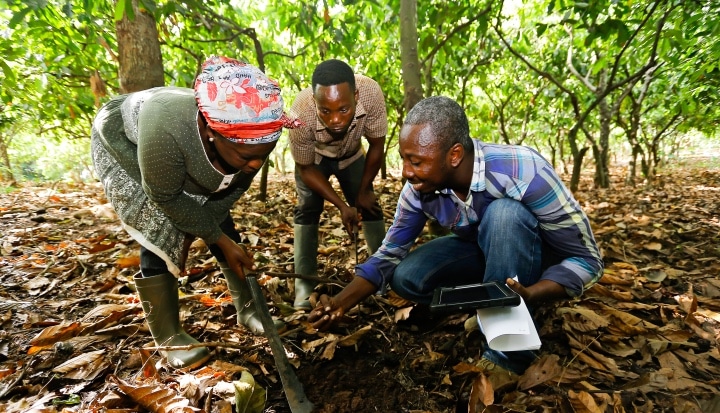
The current pandemic has exposed how vulnerable global supply chains are to disruption. These technologies not only have the potential to push entire food supply chains—all the way from farmer to consumer—toward greater sustainability, they can also help improve resilience to future shocks. Here’s how: At the source: data-based farming If we want to continue […]
The Cost of Cash to Ghana’s Cocoa Sector

Although he was initially skeptical about the new system, Samuel has been won over. He likes the convenience: “Mobile money is more manageable. My children are spread around at different schools. When they call and need money, because I have it on my phone, I can immediately forward it to them.” He also likes the […]
Technology and Partnerships: Force Multipliers for an Inclusive Economic Recovery
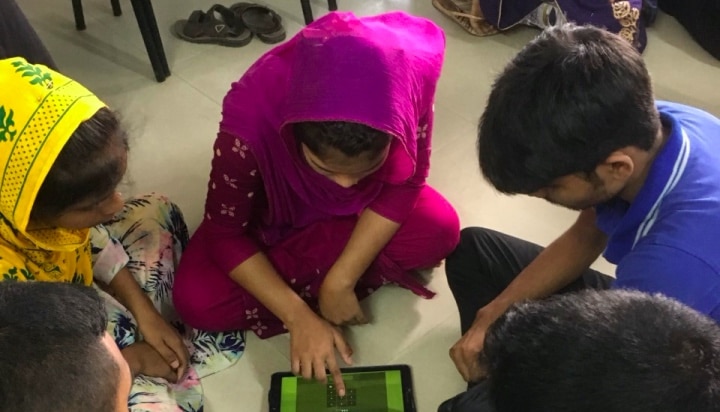
Digital technology has improved how workers get paid, expanded training opportunities and provided more real-time support for new entrepreneurs. For business owners, digital tools have increased important networks and opened access to credit so they can grow, among other benefits. As COVID-19 threatens to push upwards of 100 million more people into poverty as businesses […]
COVID-19 and Responsible Restructuring
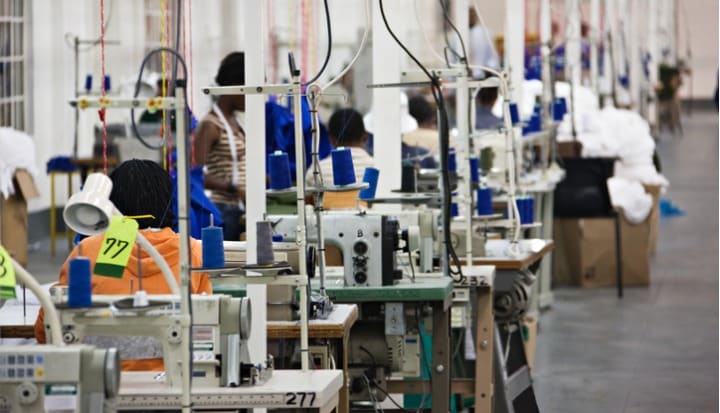
The Ethiopian garment sector provides but one example of the challenges manufacturers and workers are facing during the COVID-19 crisis. Ethiopia has significantly decreased poverty, with the garment sector playing a key role in this success; nonetheless, 24 percent of people continued to live in poverty as of 2015/2016. As the pandemic spread, global fashion […]
Inclusive digital payments solutions for the garment sector workers in Bangladesh
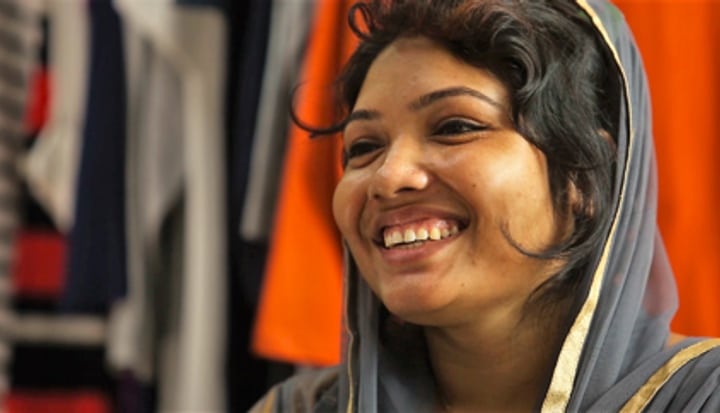
In March, when we announced the taka 5000 crore stimulus package (about $600 million) to pay workers’ salaries in export-oriented sectors, particularly ready-made garments which account for over 80% of the country’s exports, we encountered a major roadblock. Only 1.5 million of the 4 million workers were paid digitally. The rest were paid in cash. […]
How to Safeguard the Livelihoods of Women Farmers and Entrepreneurs during the COVID-19 Pandemic
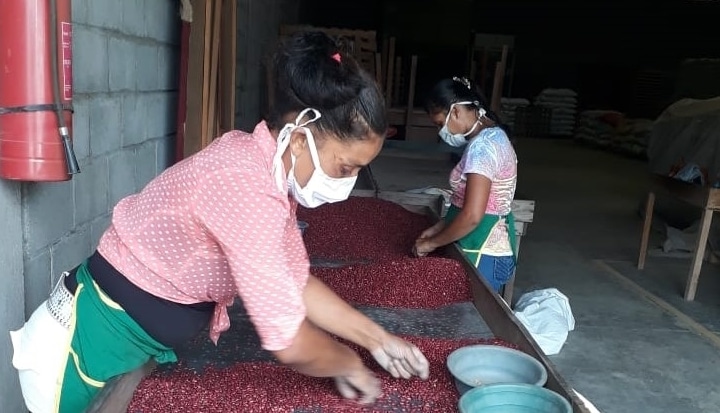
In just a few months, the COVID-19 pandemic has transformed our world, creating an array of new challenges on every continent while reminding us of persistent inequalities. In many places, the pandemic threatens to reverse recent gains made to advance women’s economic empowerment. To understand why, meet Olivia Massarula. Olivia owns a small grocery shop […]
Rebuild Better. Rebuild Now

Hand in Hand, an NGO specialising in women’s economic empowerment, recently polled 800 our members in Kenya to find out how Covid-19 and subsequent lockdown measures were impacting their businesses. The results, if not entirely surprising, still managed to shock. Incomes had dropped by an average of 67 percent. Savings were down 69 percent and on course […]
What smallholder cotton farmers need to build financial and agricultural resilience
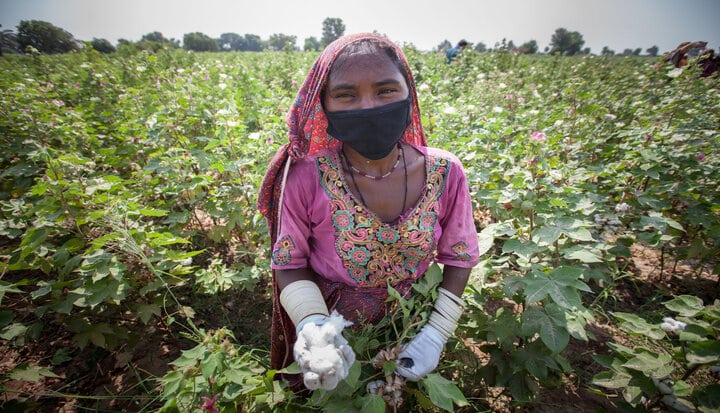
During my journey of working with smallholder farmers I have observed that farmers in South Asia face many challenges related to climate change, increased cost of production, lack of awareness of sustainable agriculture practices, and marketing of crops. The COVID-19 pandemic has added new challenges to farmers’ lives. As an organisation, we have kept in […]
Financing impact start-ups: two solutions, two challenges
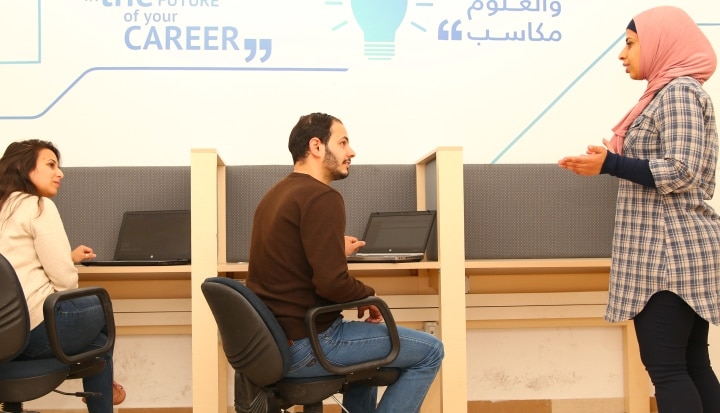
Way back at the dawn of the Internet age, a shiny new thing transformed start-up finance. Until then, entrepreneurs relied on friends, neighbours and family for loans, ideas, market research, help with a variety of tasks and first customers. Now you can do all these things by talking directly to 4.6 billion people who are […]
Going beyond the poverty line
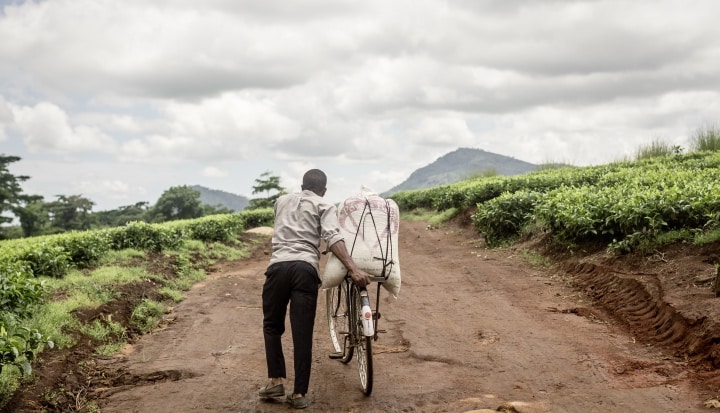
Ensuring resilient livelihoods and sustained employment for vulnerable communities was already a stretch pre-Covid-19. For those communities lacking a stable income, the impact has been inconceivable. With border closures and travel restrictions, the downturn in trade has massively affected the income and employment of these vulnerable communities, especially the self-employed. Currently, more than 475 million […]
Digital innovation to support African SMEs

COVID-19 may significantly hinder economic and social development across Africa. If the continent is to recover, then micro-entrepreneurs and SMEs will be the engine of growth. Local businesses will provide livelihoods for millions of people and goods and services to a growing consumer base. At the heart of this business-led recovery will be digital technology; […]
Early actions to stop the spread of COVID-19 and help the most vulnerable
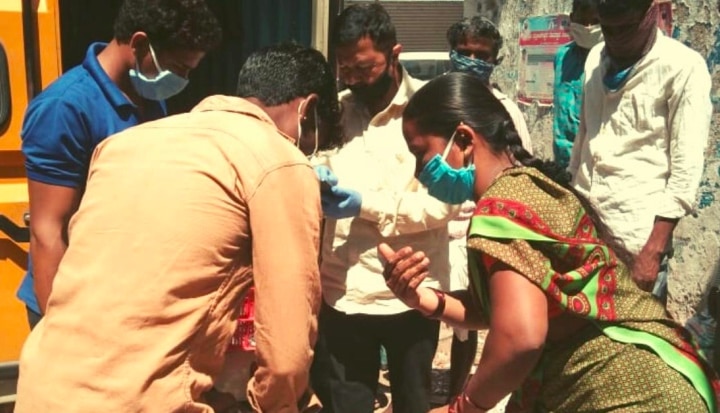
During the COVID-19 crisis, Business Partnerships Platform (BPP) partners are focused on protecting the wellbeing of their staff, repurposing their resources and networks, and finding ways to support livelihoods through their supply chains. Here are a few stories of how our partners are leveraging their unique social impact business models to support their communities during […]
The post-Covid-19 world presents an opportunity for better business, but will it happen?

The global outbreak has not only exposed the frailty and complexity of human needs, but also how quickly they can evolve – and thus how quickly organisations must adapt to keep up. Without diminishing its devastating impact, if this crisis has a silver lining, it is the opportunity it provides businesses to prepare for a post-pandemic world: […]
Why Supporting Businesses and Communities Through Mobile Technology is Vital to Combat COVID-19 in informal settlements.
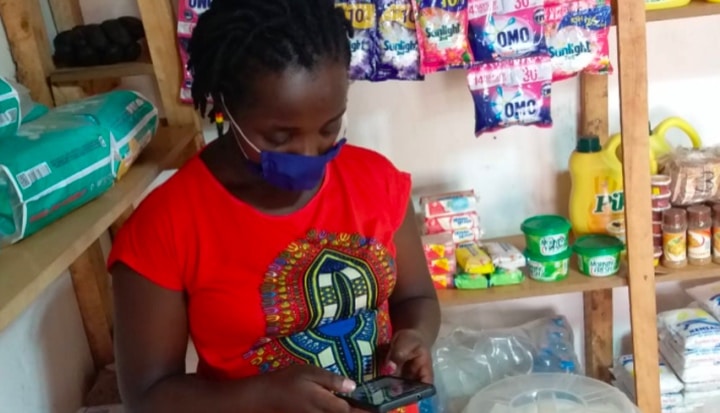
COVID-19 has increased the urgency for reliable, accessible and regular health information, and forced a shift to remote community engagement and greater focus on local-led responses. Our experience in Kenya shows that capacity building and mobilisation of local informal businesses through digital technology can empower high-risk communities with knowledge to combat COVID-19 and reduce financial […]
How Financial Inclusion can Build Economic Resilience in the Wake of COVID-19
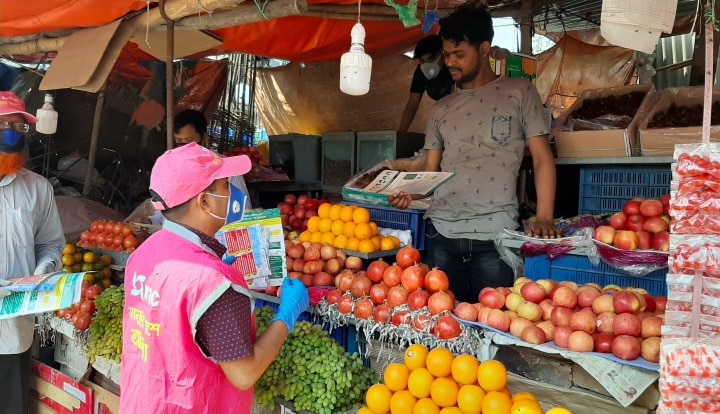
COVID-19 has impacted nearly everyone around the globe, but its impacts are particularly acute for people in poverty. As governments restrict gatherings, health authorities recommend social distancing, and markets panic, the outbreak poses a disproportionate threat in the Global South. At the same time, many microfinance institutions (MFIs) face threats to staff safety and operational […]
New Ways of Thinking, Convening, Leading
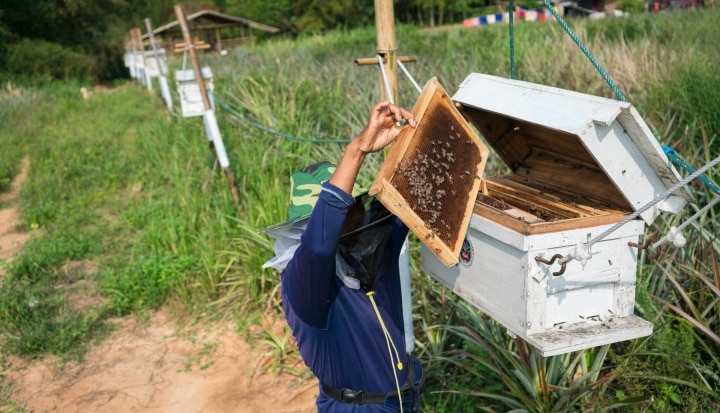
It feels like a lifetime ago that WWF and many other organizations identified 2020 as a potential ‘Super Year’ for nature and people. Big United Nations decisions under international conventions on climate change and biological diversity were to take place, complemented by negotiation of a Global Oceans treaty; and in its 75th anniversary year, the […]
Fairtrade Calls for Full Sector Response to Shore up Cocoa Farmer’s Livelihoods Through the Crisis
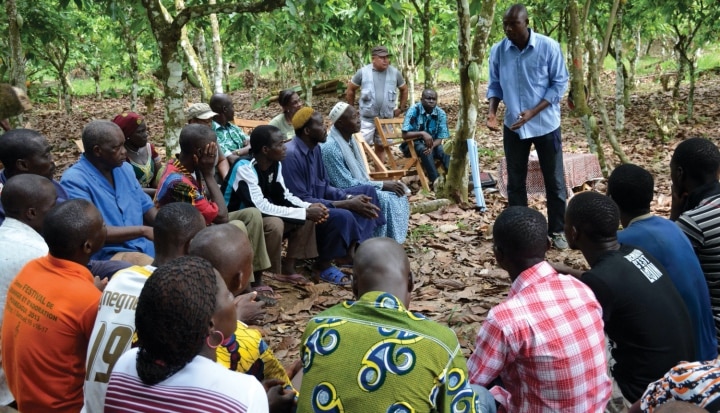
I am really pleased to announce that, this week, we’ve launched our Cocoa Sustainable Livelihoods Landscape Study. Co-authored by Naomi Somerville-Large and Antonio Capillo at the Fairtrade Foundation, this study is published as part of our partnership with Cocoa Life – Mondelēz International’s global cocoa sustainability programme. This is a groundbreaking piece of research which […]
Rebuild Better: How to Support Farmers and Workers Through the COVID-19 Crisis and Beyond
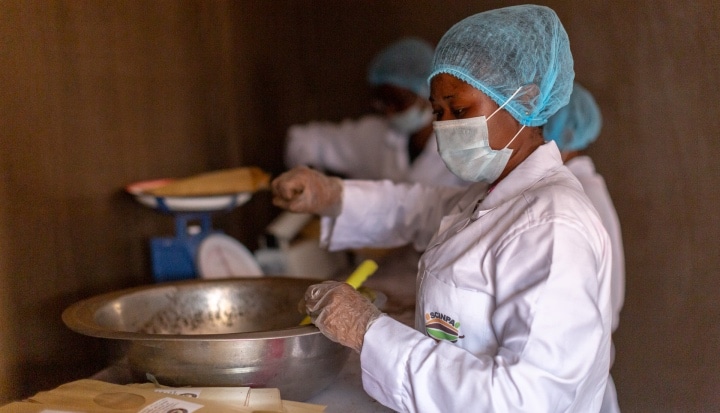
It’s hard to predict what this crisis may have done to speed up the consolidation of China’s influence in the international development sector (and beyond), what kind of USA administration we’ll be left with at the end of it all, and what the future of multi-lateral intervention on the wicked problems of global poverty and […]
Closing the Living Income Gap for Farmers – From Theory to Practice
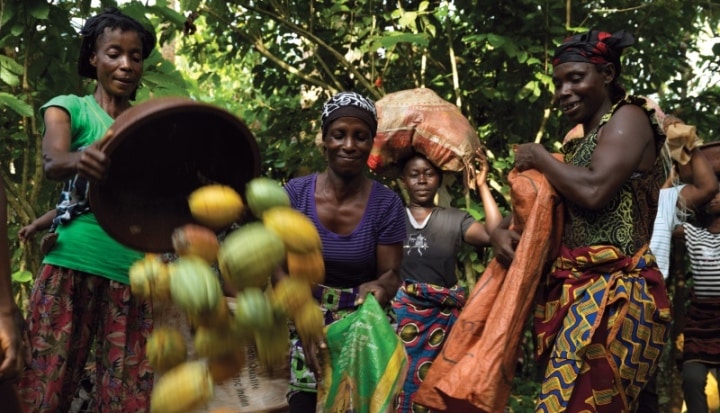
Our vision for living income is both radical and simple: all cocoa farmers should be able to earn an income that provides them with a decent standard of living, sufficient to cover the cost of sustainable production as well as everyday expenses like a nutritious diet, children’s education and healthcare. With some complex mathematics it’s […]