Together, To Get Every Child Learning
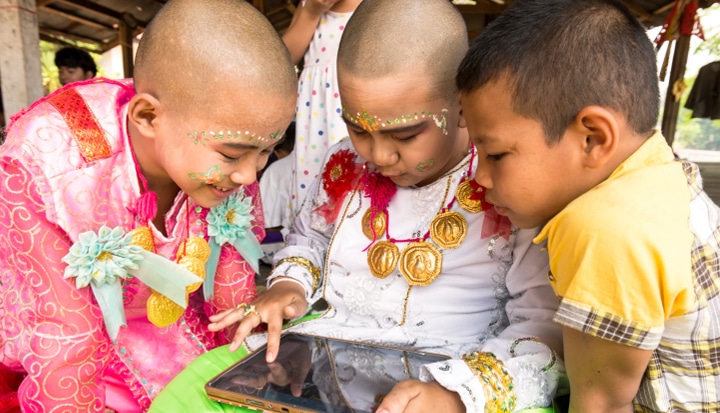
The single most important contribution that Pearson can make to society is to equip people with the skills they need to progress in life and work. But every day, millions of children miss out on the opportunity to attend school and to learn those skills. Half of all out-of-school children live in countries affected by […]
Changing Gender Roles and Nutrition in Bangladesh
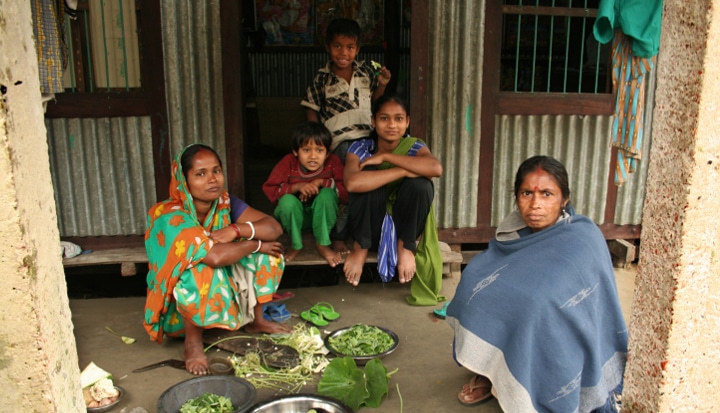
Every morning, Lipi cycles down the dusty roads of Mitapukur, a small village in northern Bangladesh, balancing a bag filled with products on her shoulder. Lipi is one of the 160 Nutritional Sales Agents that was trained by the PROOFS (Profitable Opportunities for Food Security) project, an initiative of the three NGOs ICCO, iDE, BoP […]
How Can Business Fight Ebola? Beyond “Gift-in-Kind”
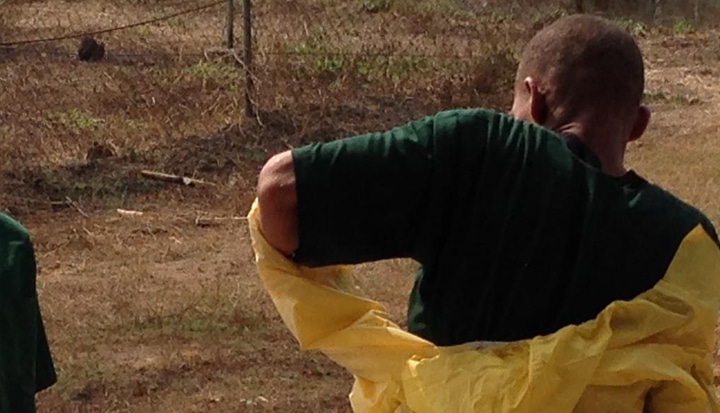
Tolbert Nyenswah, Liberia’s Assistant Minister of Health stated recently: “We must use this momentum not just to get back to where we were, but to build up health systems to last beyond this crisis and into the next.” (Devex, 3 Pitfalls Ebola Recovery must avoid, May 2015). While there is need to see opportunities for […]
UNICEF: Ebola and Technology
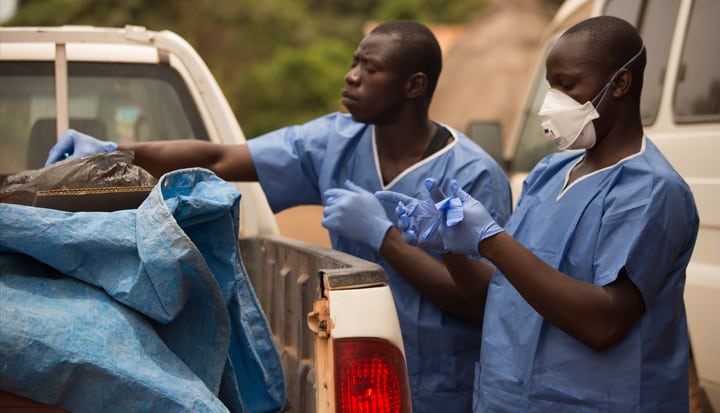
In our highly inter-connected world, nowhere seems very far away anymore. The scenes in West Africa where thousands of new cases of Ebola were being reported per week at its peak made very uncomfortable viewing and Unicef saw a huge surge in support from individuals and companies alike all keen to play their part in […]
The Private Sector and Ebola, Working Towards Recovery
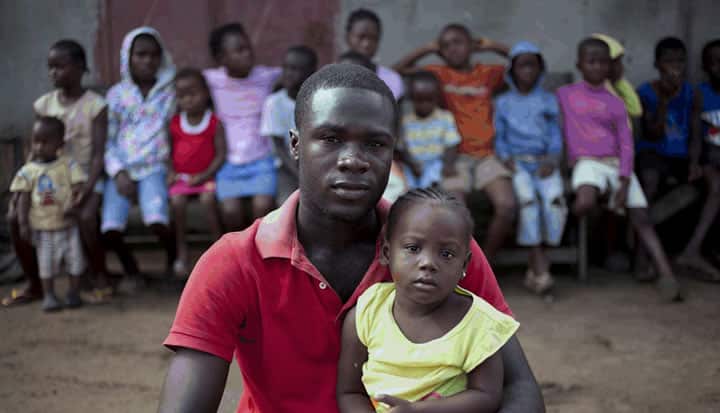
Stephen Seckor with one of his nieces, Monrovia, Liberia. Credit: Abbie TraylerSmith/Oxfam “Now I take care of 13 children. I lost four persons – my mother, my father, my two sisters. I was also very sick. Since I came back from the Ebola Treatment Unit I lost my job. I have nothing to do. I […]
Ebola – The View From Sierra Leone
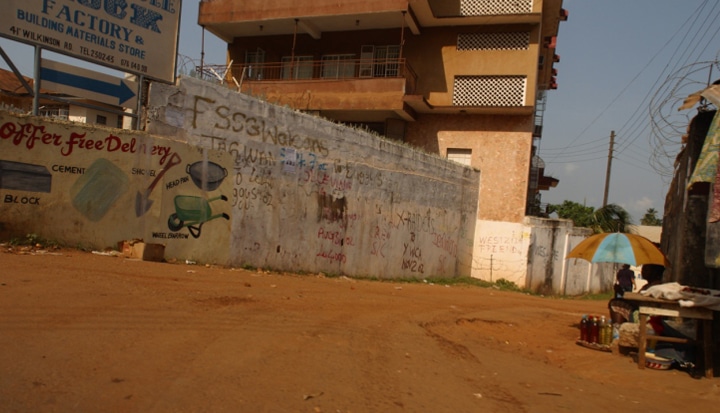
A few weeks ago, I travelled to Sierra Leone, the country at the epicentre of the Ebola crisis. More than 20,000 people here have suffered from the disease, and more than 10,000 have died – this, in a country that has spent more than a decade recovering from a devastating civil war. Standard Chartered has […]
Delivering Business Value Through Smart CR
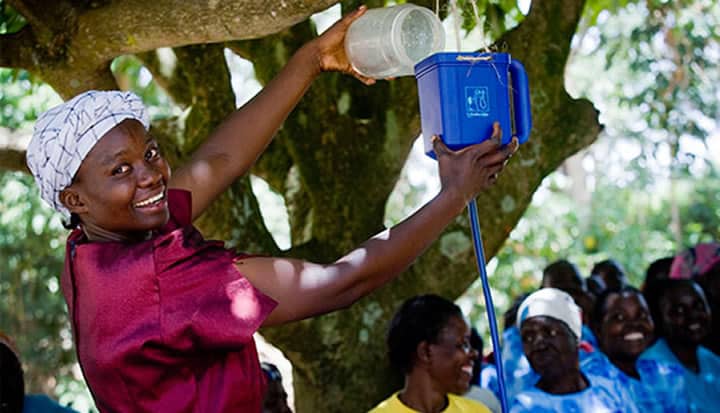
Speaking at the Global Alliance for Clean Cookstoves’ event in London, Zelda Bentham, Group Head of Environment & Climate Change, shares how Aviva derives business value by taking an integrated and business driven approach to delivering environmental and social impacts at scale. At Aviva, we continually seek to maximise the long term value delivered by […]
Investment in Mining, Opportunities for Farmers?
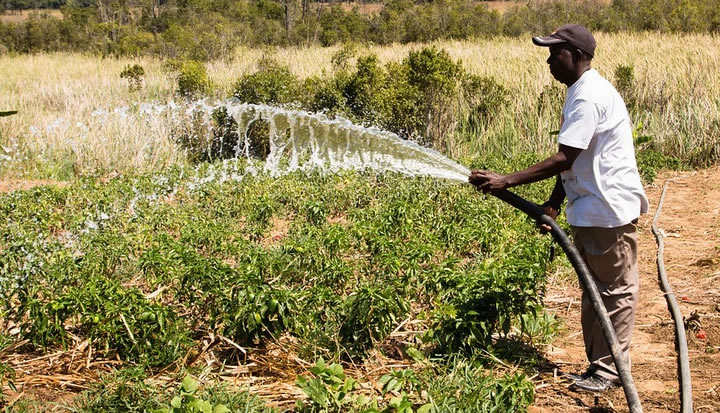
One sunny morning I’m talking to Mr Kimono Wendo, a Congolese refugee and farmer living in Meheba Refugee Settlement in the North-Western Province of Zambia. Mr Kimono tells me of his 17 year struggle to provide food for his family by growing maize in the rainy season and small patches of vegetables in the dry […]
Act Local, Think Global: The Food Revolution in Zambia
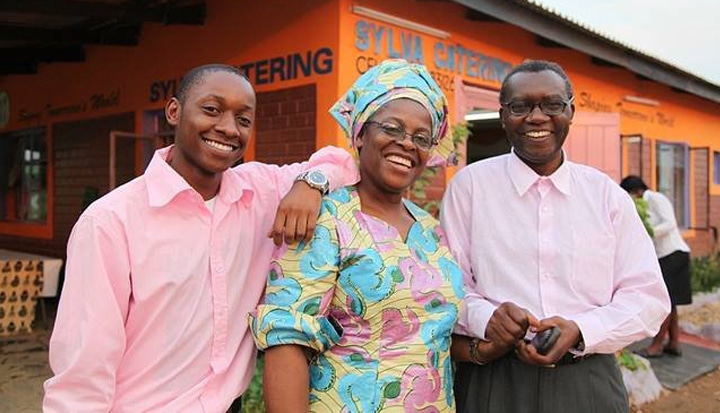
International conversation around food in Africa has traditionally been one of doom and decline. In 2012 the By Meera Patel, Operations Associate at Ashoka UK. You can follow Meera on Twitter. One third of all children suffering from acute malnutrition are located in Sub-saharan Africa. One in four people in the region are under-nourished, and […]
The Right Language for Embedding Sustainability

At SABMiller, we understand that our profitability depends on healthy communities, growing economies and the responsible use of scarce natural resources. Last year we launched a new sustainable development ambition we call Prosper with five major goals and associated targets: accelerating growth and social development through our value chains; making beer the natural choice for […]
Using the Right Language for Each Stage of Growth

Counterfeit products cause huge social problems—estimates suggest that counterfeit tuberculosis and malaria drugs alone cause approximately 700,000 deaths each year—and Sproxil takes a business approach to solve them. Our Mobile Product AuthenticationTM solution can verify the authenticity of almost any product. A sticker with a unique code hidden under a scratch-off layer is applied to […]
Defeating the Mythical Four-Eyed Monster in India
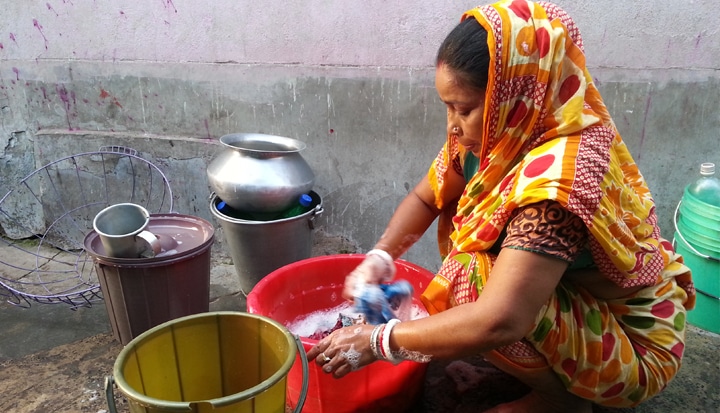
and private sector programmes at Sightsavers Wearing glasses and getting eye tests, in most developed countries, is now the norm. The stigma that used to be associated with wearing glasses has progressed to the point that they are now a fashion accessory, with some people owning several pairs to match their outfit or mood. Sadly, […]
The Benefits of Asset Versus Cash Transfer Programmes
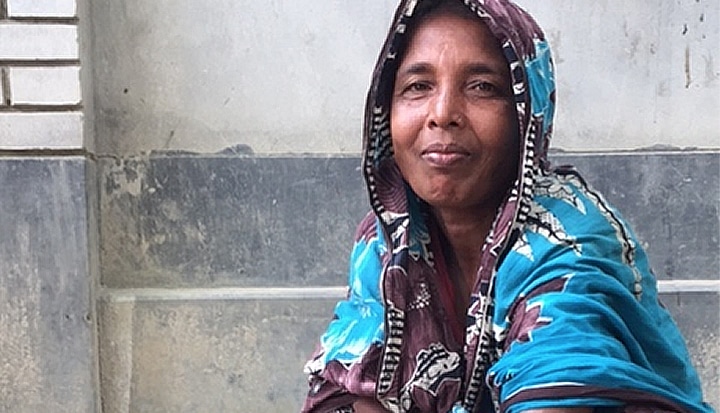
Is it better to give a cow or cash? Are such approaches hand-outs or a hand up for the extreme poor? In the development sector, we often pose simple either/or questions. Yet these simple questions are more complex than may meet the eye, and the answers vary greatly based on beneficiaries’ background, local contexts, the […]
Local Investments for Local Farmers
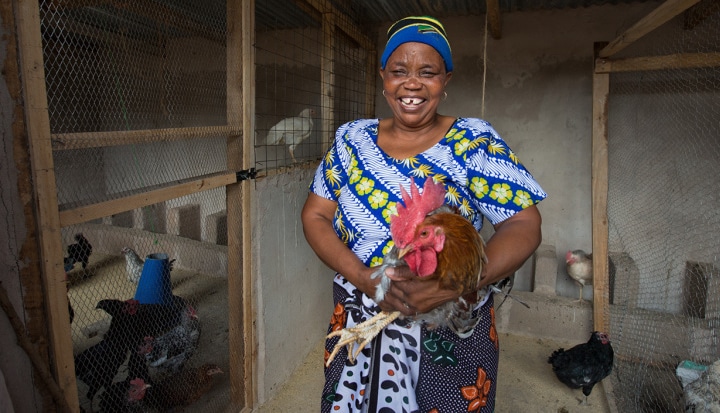
Tanzania is a country of farmers. Most farmers own less than one hectare of land to grow produce to feed their families, whatever surplus they generate is used to fund their children’s education, healthcare and family emergencies. Small holder farmers are already vulnerable to crop failure, drought and poverty and this will be confounded by […]
Delivering Care to Last Mile Communities
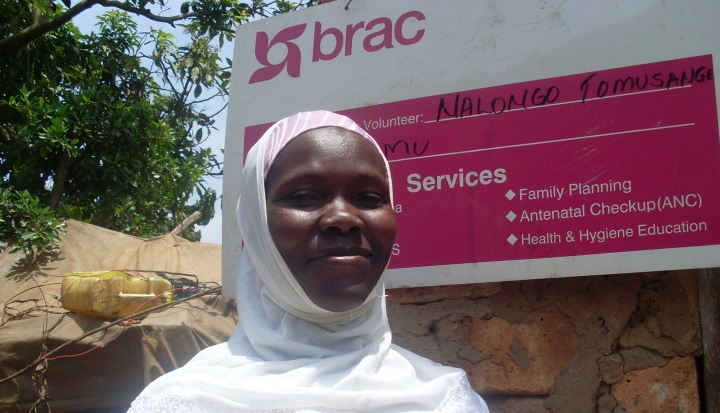
Traditional hospital-based services are not able to reach some of the world’s poorest and most remote villages. Over one billion people globally, including 400 million Africans, lack access to health services because they live too far from a health facility. Rural communities know that if a child becomes ill, the long walk for treatment could […]
Lessons on Inclusive Supply Chains and Achieving Scale
How does one measure the success of a business today? Is it commercial viability or the ecosystem it creates to promote sustainable development through stronger market linkages and supporting the most marginalised? Or can it be both? In a world when double and triple bottom lines are increasingly de rigueur, we now look at inclusive […]
Interview with Kamal Quadir, CEO of bKash, Bangladesh

Katie Allen interviews Kamal Quadir, CEO of bKash, mobile money provider in Bangladesh. Q1: Many of us have heard of the M-Pesa phenomenon that achieved great success in East Africa, but bKash remains under the radar. How is BKash different from other mobile money providers? Kamal Quadir: In terms of customer experience, bKash is no […]
Financial Inclusion: Hybrid Models for a Complex World
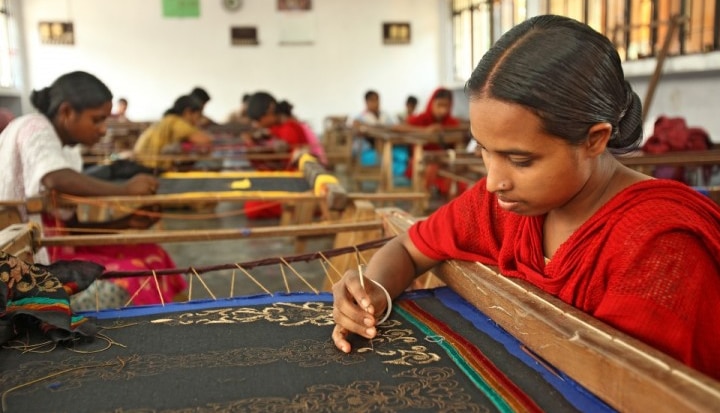
Fashion, fish and financial inclusion. What connects all three? In Bangladesh these are all part of an evolved structure put in place by BRAC that combines community empowerment with sustainability and shared values. BRAC is synonymous with business and market-based solutions in Bangladesh, where the breadth and scope of our work is felt at a […]
Defeating Malaria and Reinforcing Health Systems
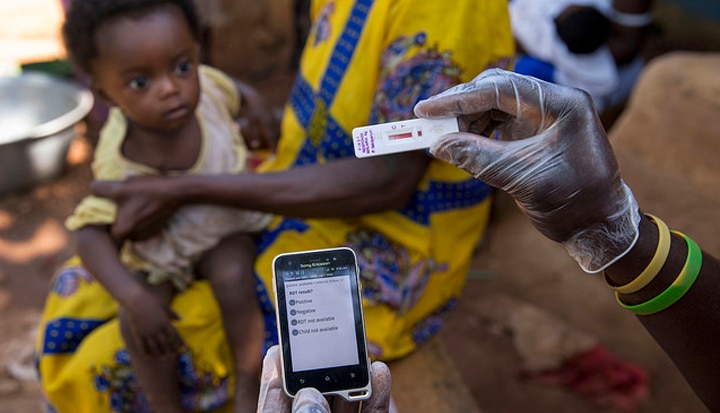
In the fight against malaria, we are finally seeing real progress – the result of many years of hard work. This year however is a critical juncture, bringing opportunities to consolidate and accelerate progress already made against the disease. Over the coming months, the World Health Organization and the Roll Back Malaria partnership will publish […]
Championing Responsible Sugar Production & Procurement
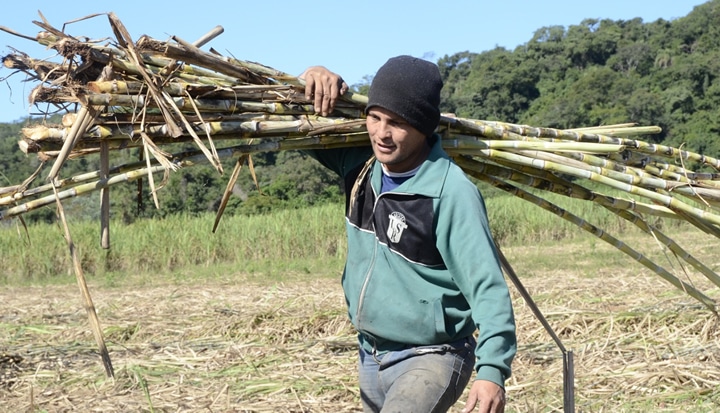
Our world is faced with dire global water challenges. A major contributing factor to these challenges is agriculture, which accounts for 70 percent of the world’s water withdrawals. Sugar, a critical ingredient in many food and beverage products, including ours, is a highly thirsty crop and one of the most complex. While the sugarcane sector […]