One Million Women Missing From the US Tech Sector
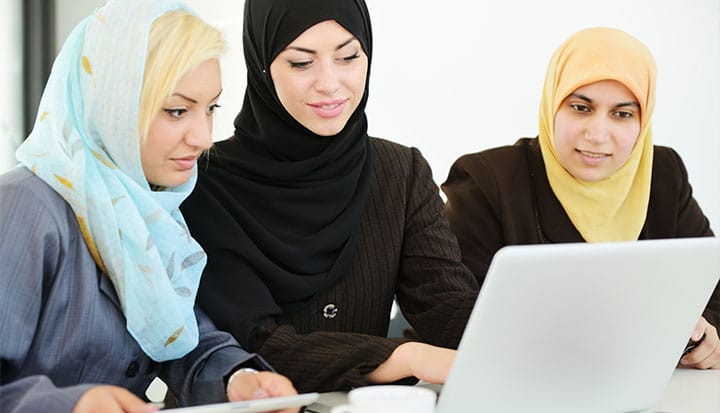
Despite an estimated investment by the US technology industry of $0.8bn – $1.2bn in diversity efforts over the past five years, women’s representation at tech firms has actually decreased. In the last 15 years representation of women has fallen a percentage point, to represent just 28 percent of the tech workforce today. Given women are […]
Enhancing the Livelihoods of Women in Unilever’s Agricultural Supply Chain
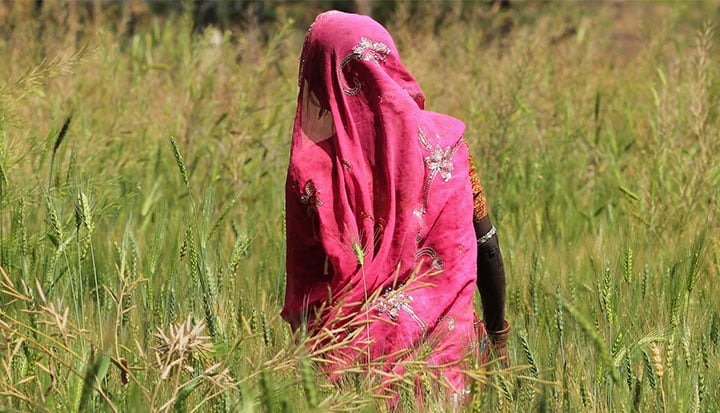
Unilever Case Study on Women’s Economic Empowerment Overview Empowering women is critical to eradicating poverty and accelerating global development. In Unilever’s case, this is hugely important for us. Over 70% of the people making the decision to buy our brands are women. Our future growth depends on meeting their needs and aspirations and on supporting […]
Mars Women Empowerment Plan
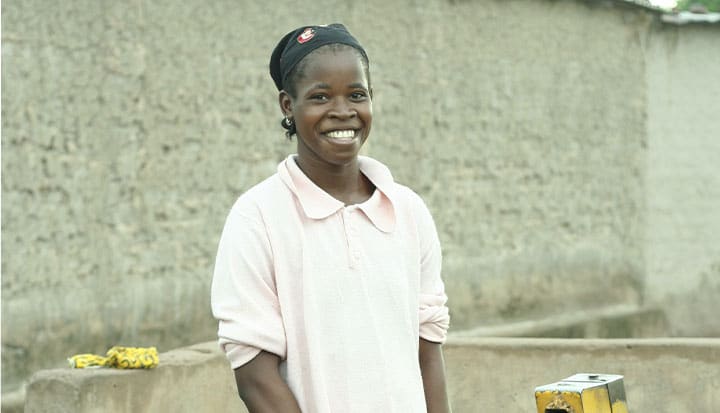
Background Women provide approximately 45% of the labor in cocoa supply chains, yet they face discrimination in access to resources compared to their male counterparts. They often work unpaid on family farms and are not always viewed as “farmers”. Low education, poor access to health services and limited training greatly disadvantage women (and their families) […]
Access to Finance and Women’s Economic Empowerment
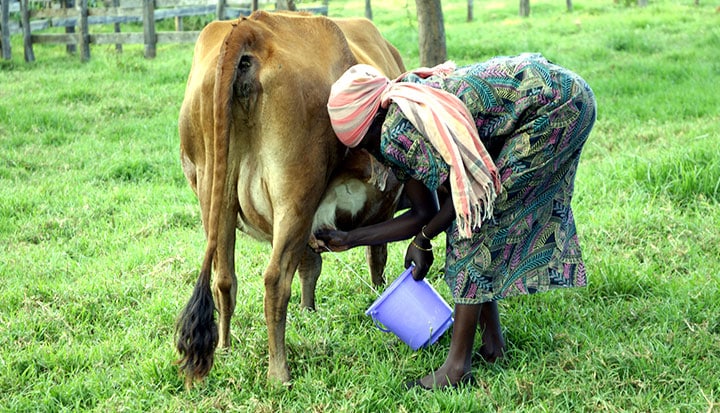
Cherie Blair Foundation Case Study on Women’s Economic Empowerment In 2014 the Cherie Blair Foundation for Women partnered with Accenture and CARE International to promote the long-term financial independence of Rwandan women, by providing a combination of mentoring, training and improved access to financial services. Financial inclusion is a deeply gendered issue in Rwanda, where […]
Diageo Case Study: Building Diversity Internally

Diageo Case Study on Women’s Economic Empowerment Celebrating diversity and actively creating an inclusive, collaborative culture is core to Diageo’s purpose of celebrating life everyday everywhere. For our business to thrive, Diageo depends on having the right people with the skills and capabilities in each of the 180 countries in which they operate. Diageo is […]
How the Mobile Phone is Enabling a New Social Enterprise Economy
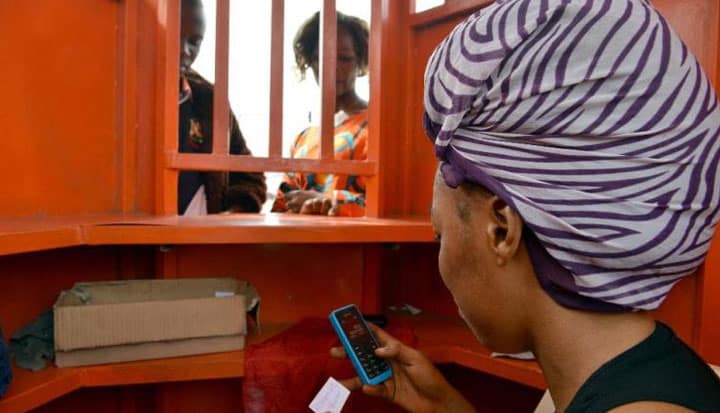
Do you remember that old mobile phone that you traded in years ago? Chances are, your phone may be helping power a new social revolution for millions living in poverty around the world. Most of the phones in use have only basic call and texting functions. But that is enough to enable mobile business models […]
IDB’s SCALA Program Shares Lessons on Engaging Micro-distributors
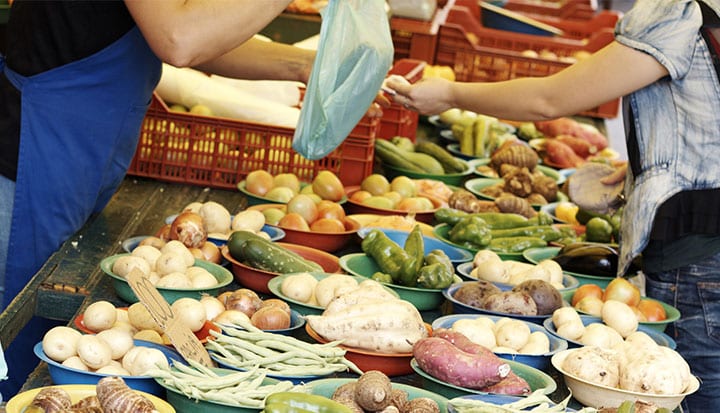
Small-scale retail, or what is often called the “traditional trade” is essential to reaching low-income consumers. The thousands of shops, kiosks, or tiendas that line the streets in many developing countries often account for the majority of retail sales and are the face of brands in most low-income communities. Although many companies, particularly in the […]
Empower a Woman and a Whole Community Will Thrive
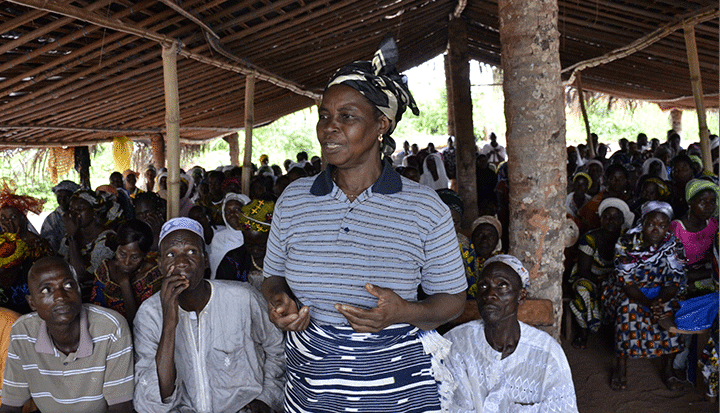
Empowering women benefits everyone and is essential for cocoa growing communities to thrive. Research shows that increasing women’s involvement leads to improved financial management by farmers, better education of youth and more sustainable, thriving communities. Cocoa Life, Mondelez International’ cocoa sustainability program, is deliberate about promoting women’s empowerment. Cocoa Life has worked to mainstream gender […]
Economic Empowerment for Women in the Bangladeshi Garment Sector
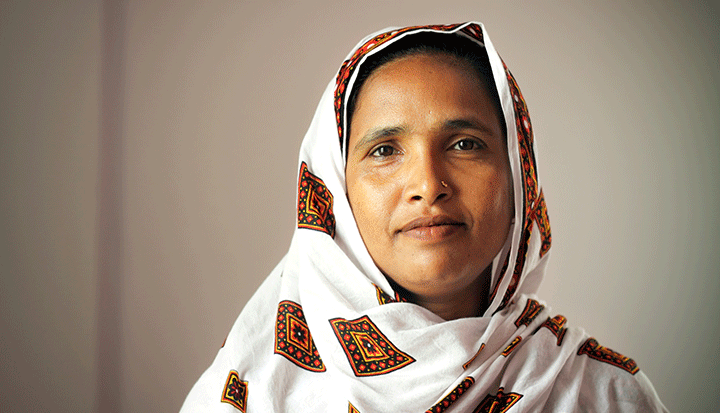
This article forms part of a series we are featuring on the Women’s Economic Empowerment Challenge over the course of the summer while the UN High Level Panel continues work on its first report, due to be published in September 2016. Each article in the series will showcase an example of how companies are supporting […]
Building the Social Enterprise Eco-System in Thailand
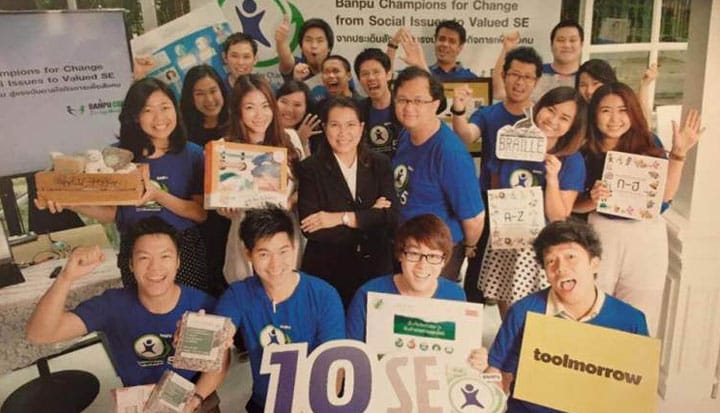
In South East Asia, 95% of coral reefs are endangered. In Thailand the richest quartile of the population own around half of the country’s income, whilst the poorest quartile have less than 10%. Only 38% of the population are educated to a secondary level and social and environmental problems are rife. The Thai Social Watch […]
Personal Perspectives on the Corporate Response to HIV/AIDS

Interview with Michel Sidibé, Executive Director, Joint United Nations Programme on HIV/AIDS (UNAIDS) This interview is the second in a four-part series in which experts reflect on the progress made since the groundbreaking AIDS 2000 Conference in Durban and the challenges that remain. The 21st International AIDS Conference is being held in Durban, South Africa, […]
Refelctions on the Corporate Response to HIV/AIDS

This interview with Kelly Curran, Director of HIV/AIDS and Infectious Diseases at Jhpiego, is the first in a four-part series in which experts reflect on the progress made since the groundbreaking AIDS 2000 Conference in Durban and the challenges that remain. The 21st International AIDS Conference is being held in Durban, South Africa, July 18-22. […]
An Introduction to GBCHealth’s HIV/AIDS Expert Interview Series

Bolstered by the global multisector response to Ebola and Zika over the past two years, I have found myself reflecting on the origins of business engagement in the HIV/AIDS pandemic when MTV Networks and the Financial Times came together with four large pharmaceutical companies to start the Global Business Council, which eventually became GBCHealth. Since […]
Reflections from the Private Sector at AIDS 2016

The 21st International AIDS Conference, also known as AIDS 2016, was expected to have nearly 20,000 people from around the globe gathering in Durban, South Africa to show their support for the fight against AIDS. This year’s theme, “Access Equity Rights Now,” issued a clear call-to-action to address the inequality in care, treatment and prevention. […]
Caring for Underserved Children Affected by Life-threatening Rare Diseases
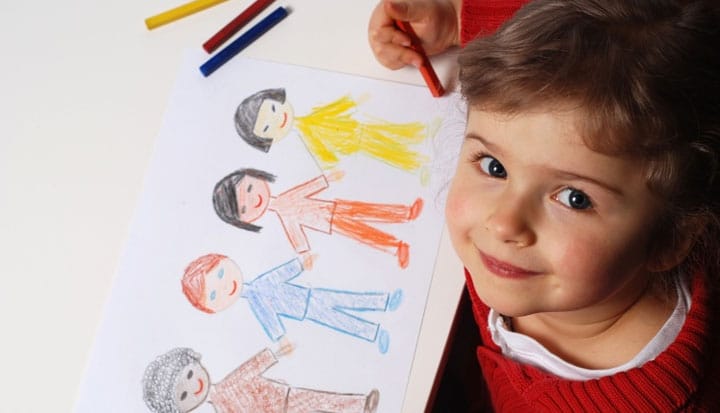
While working at Merck Serono in the R&D knowledge management department, Caroline Kant discovered many drugs sitting on the company’s shelves, waiting to be researched on and which could become part of a much needed solution to treat rare diseases. As a mother of a child affected by an unidentified rare disease herself, Caroline decided […]
Empowering Women in the Supply Chain
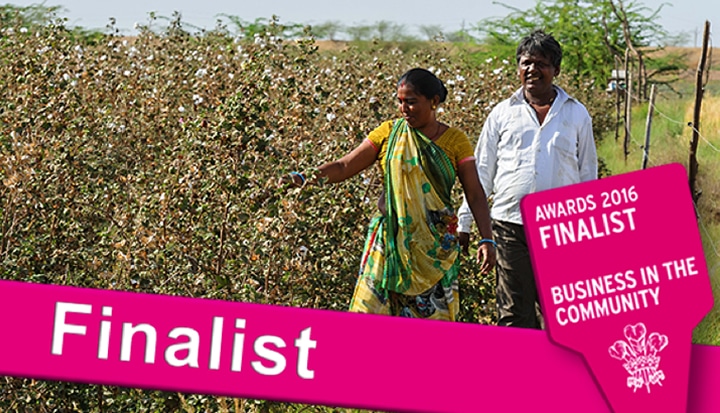
Primark is a Finalist in the Unilever Global Development Award supported by Business Fights Poverty. We asked them some questions about their programme and the lessons learnt. Q) What challenge does Primark’s programme serve to change? Like almost every other fashion retailer, Primark products are made in countries like India where wages are lower and […]
Challenging Innovators to Turn the Power On in Africa
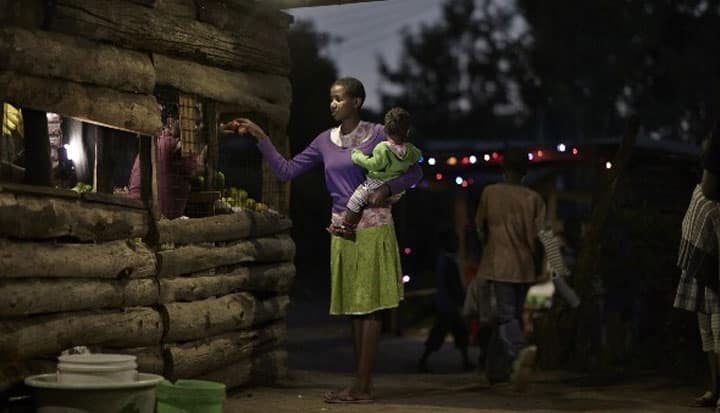
Six hundred million. That is the number of Africans who do not have access to electricity. Imagine what this might be like. No street lights to help you find your way home after dark. No place to charge your computer or cell phone. No way to read a book before bed or have your kids […]
Bringing Sustainable Energy to Informal Settlements
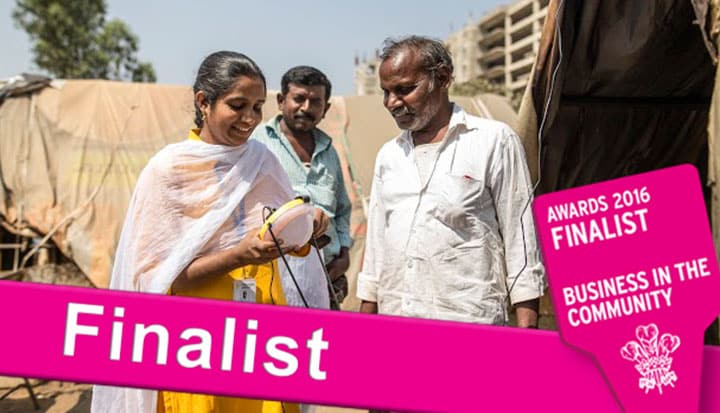
Pollinate Energy is a Finalist in the Unilever Global Development Award supported by Business Fights Poverty. We asked them some questions about their programme and the lessons learnt. Q) What challenge does Pollinate Energy’s programme serve to change? 400 million people live in India without electricity. Wood cooking fires and kerosene lamps cause epidemic levels […]
Transforming Cotton Supply Chains in Côte d’Ivoire
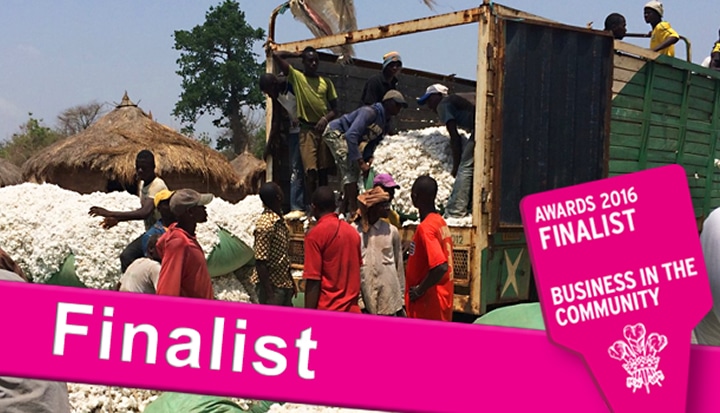
Olam International is a Finalist in the Unilever Global Development Award supported by Business Fights Poverty. We asked them some questions about their programme and the lessons learnt. Q) How did Olam International’s programme begin? When we began operating in Côte D’Ivoire in 2008 we had to consider a number of risks. The region was […]
Increasing Supply and Demand for Healthcare in Kenya
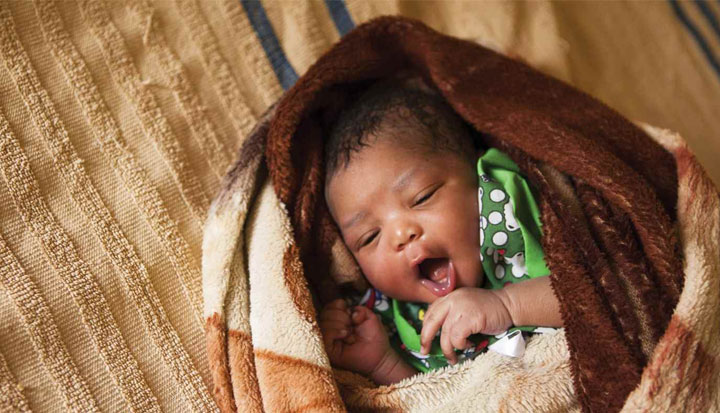
In a country where one child in 19 dies before their fifth birthday, a typical scenario in Kenya’s western county of Bungoma can be; a mother-to-be is feeling ill; she is not sure whether she should go to hospital, but the husband doesn’t think it’s important, so she stays home. Or the husband is supportive, […]