Educating Girls – From Marginalized to Empowered
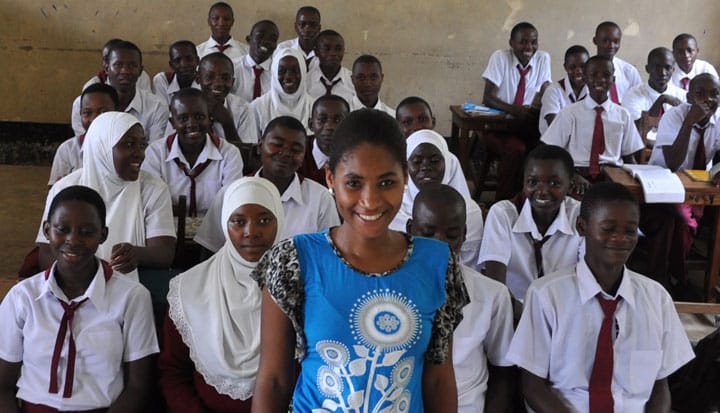
Pearson Case Study on Youth Employability Pearson and international NGO Camfed have announced an expansion of their existing partnership aimed at educating and empowering girls from low-income communities in Zimbabwe and Tanzania. Their work is being extended in Tanzania to support 6,400 more children in 80 schools. It is being led by young educated women, […]
Exploring the Accelerator Landscape

Hundreds of accelerators—intensive, short term programs that speed up the development of early stage ventures to succeed, or fail—have emerged around the world. While the concept began in Silicon Valley, international development funders have seen the model as a way to drive growth in emerging markets as well. And beyond just tech companies, accelerators focus […]
Weaving Together Benefits for Bangladesh Garment Workers
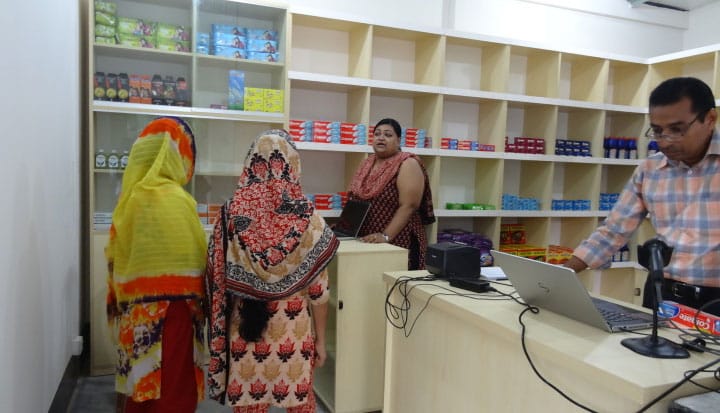
Saif Rashid believes that, given the right market opportunities, millions of Bangladeshis can lift themselves up financially. With an innovative new model called APON, he is empowering the workers of Bangladesh’s ready-made garment manufacturing industry to increase their disposable income and build better, healthier lives. According to Clean Clothes Campaign, only China is ahead of […]
Invisible Lives: Understanding Youth Livelihoods in Ghana and Uganda
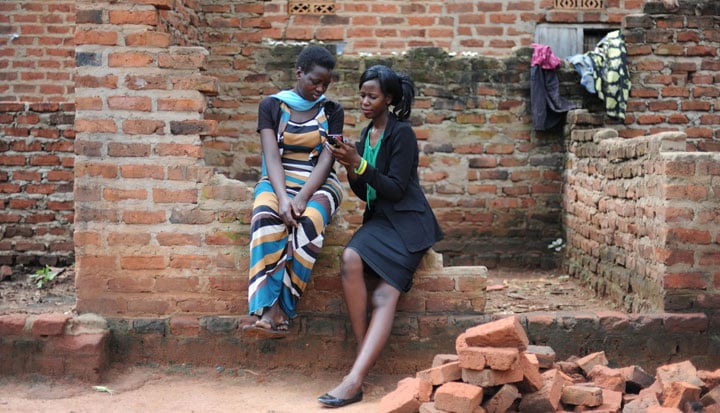
Beatrice had a busy day. It’s tomato season, which means she had to wake up extra early to go to the garden to harvest some ripe tomatoes. On her way, she made sure to feed the poultry and check on the goats. It’s also market day in her village, so after feeding her children and […]
Syngenta’s Grow More Model to Increase Productivity in Sub-Saharan Africa
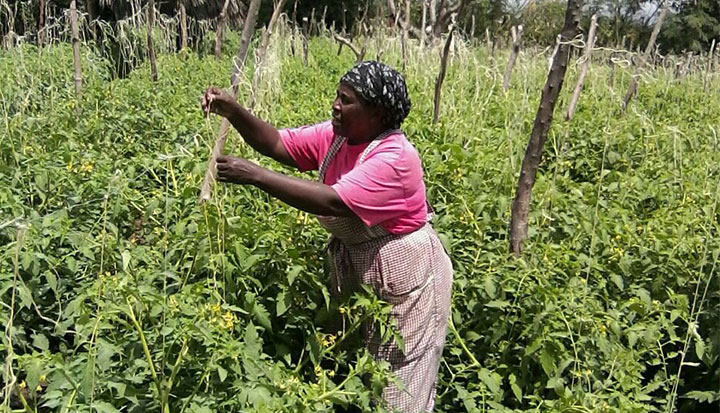
nd Samantha Krause, Strategic Initiatives Director, TechnoServe Smallholder farmers across Africa present the largest opportunity and challenge to Syngenta’s business. Limited knowledge of agronomy, cash constraints and very low confidence in produce markets trap farmers in low yield and low income cycles. Translated into numbers, it means that smallholders in Sub-Saharan Africa produce around 25% […]
From Fiction to Fashion: Helps Business See Forests for the Trees

Dan Schiff, Global Engagement Manager, Fabric Of Change Initiative, in partnership with the C & A Foundation An Ashoka Fellow since 2003, Nicole Rycroft is a tireless warrior for the world’s forest ecosystems. The native Australian, now based in Vancouver, Canada, leads the environmental NGO Canopy, which works with business partners in the publishing and […]
Bridging the Gap between Young People’s Career Aspirations & Ability to Succeed

Young people today make up the largest youth population in history. Their successes and struggles are as diverse as their personalities and aspirations. However, in all corners of the globe, this generation faces a common challenge: persistent, high rates of youth unemployment. Left unaddressed, the consequences reverberate across our cities and affect us all. When […]
SABMiller/ AB InBev’s Local Sourcing in Africa
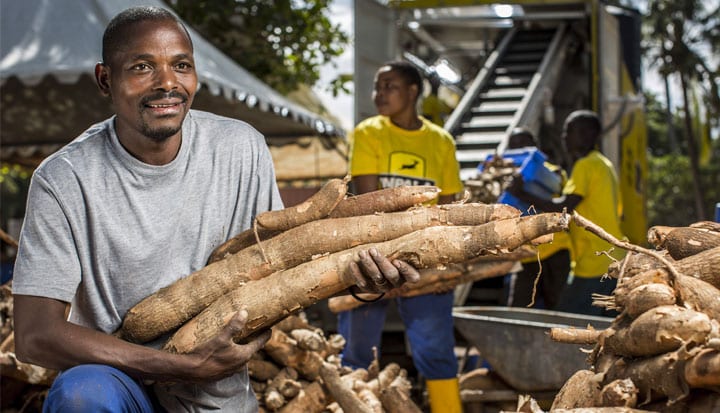
SABMiller plc, which combined with AB InBev in October 2016, has been a pioneer in promoting local sourcing in Africa. Many of the company’s subsidiaries in Africa have created new brands and brewing processes which incorporate locally grown crops such as sorghum and cassava. This is based on a win-win-win model where: Local businesses can […]
The Kellogg Company’s Smallholder Sourcing

Kellogg has set bold sustainability and emerging markets growth targets, including supporting the livelihoods of 500,000 farmers and doubling its emerging market sales by 2020. The company recognizes the great potential that developing smallholder-inclusive agricultural supply chains in emerging markets could have in supporting these business and social impact objectives. Sustainability groups across many multinational […]
Sri Lanka’s Garment Workers ‘Stand Up’ for Rights
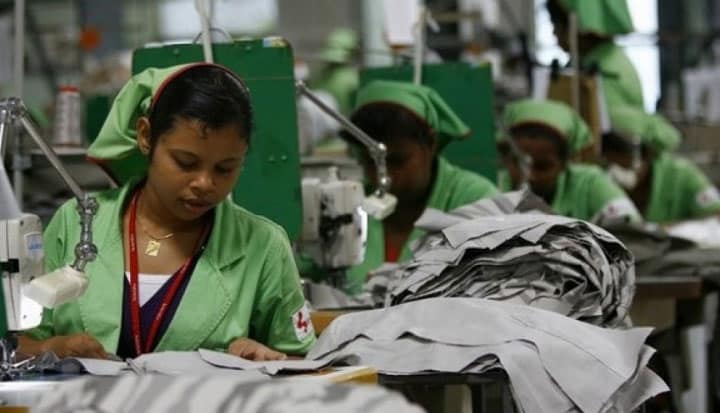
Shirone Kaushalya works in a factory producing leather jackets. But she rarely sees the finished product. The 30-year-old woman uses a hammer to pound on the ridges and bumps of raw leather until it is smooth enough for stitching. Then she hands the flattened material to the next station in production and grabs another piece […]
The Coca-Cola Company and India’s Mango Farmers
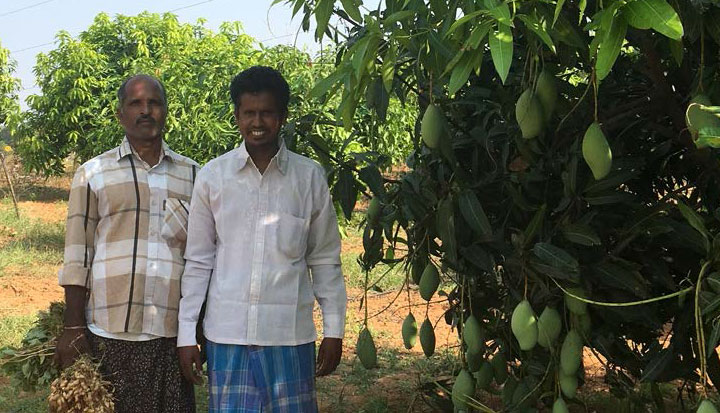
A typical smallholder mango farmer in India earns between just $4 and $16 per day. One of the reasons is that they have trouble accessing stable, profitable markets for their crops. Meanwhile, international corporations, like The Coca-Cola Company (TCCC), view smallholder sourcing as an important part of their long-term goals; beyond its potential to generate […]
Designing Win-Win Relationships between Business and Smallholders
Around the globe, there are about 200 million smallholder farmers involved in commercial supply chains. And while many multinational corporations have made commitments to increase their investments in sustainable supply chains and distribution models that engage these smallholders, these initiatives have often struggled to gain real traction. That observation spurred a unique partnership: with support […]
Better Together: Unleashing the Power of the Private Sector to Tackle NCDs
Why Human-Centred Design is Critical to Preparing for Global Health Epidemics
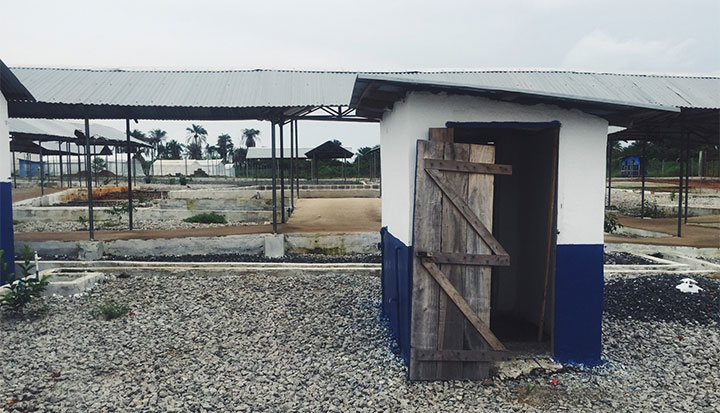
With the announcement of a viable Ebola vaccine coming almost three years after the Ebola outbreak began, questions around how prepared we are to fight future pandemics remain unanswered. The vaccine stands out as one of the only concrete advancements made towards preventing future Ebola outbreaks. Globally, too little has been done to learn from […]
Three Learnings for the Global Noncommunicable Diseases Fight
Working in global development, it’s impossible to avoid seeing the heavy personal and societal tolls being wrought by cancer, chronic respiratory disease, diabetes, heart disease, and mental health. These noncommunicable diseases (NCDs) account for three out of every five deaths across the world. The impact is even greater in developing countries, where limited resources and […]
Four Ways Business Can Support Lasting Change in Youth Unemployment
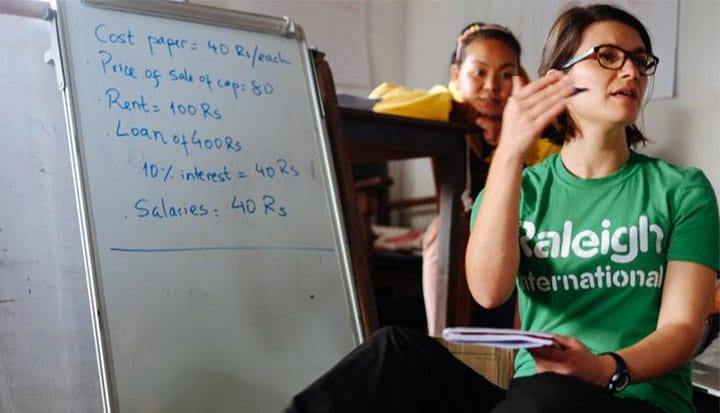
Youth unemployment in the face of the growing youth population bulge is a problem on a massive scale. Raleigh International works in rural areas of countries where the problem is particularly severe. Without a doubt, this is one area where business has a critical role to play. We can only be successful through meaningful partnerships, […]
Empowering Today’s Women for the Women of Tomorrow
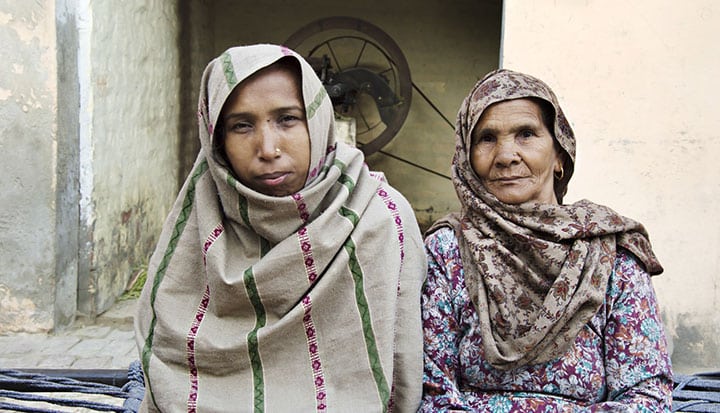
Interview with Johanna Ryan, Social Performance Director, VisionFund International Johanna Ryan will be speaking at a dinner hosted by Women Advancing Microfinance UK on Tuesday 31st January 2017 in London. She will talk to us about the work VisionFund International does and the impact it’s having on the lives of women. Tickets to the event […]
Recycled Loans Recycling Plastic
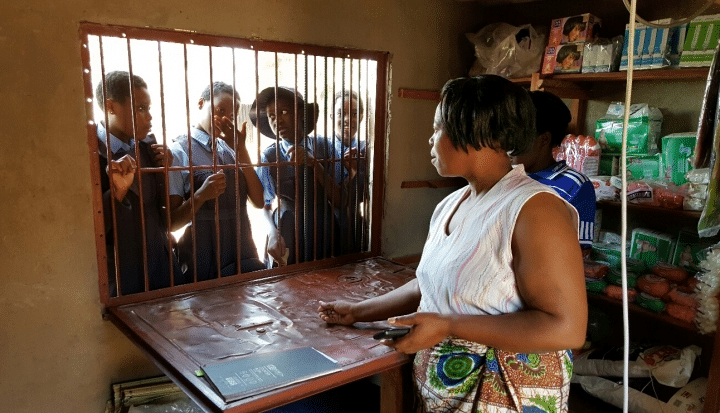
Lendwithcare began supporting entrepreneurs in Zimbabwe, through Microfinance Institution Thrive, one year ago. I was able to visit the country recently and met some of the entrepreneurs that I – and 80 of you – had supported in June 2016. I met the Nokutenda group which comprises four women entrepreneurs all running different businesses. By […]
Poverty Alleviation Through Qarz-e-Hasan (Interest-free Loans)
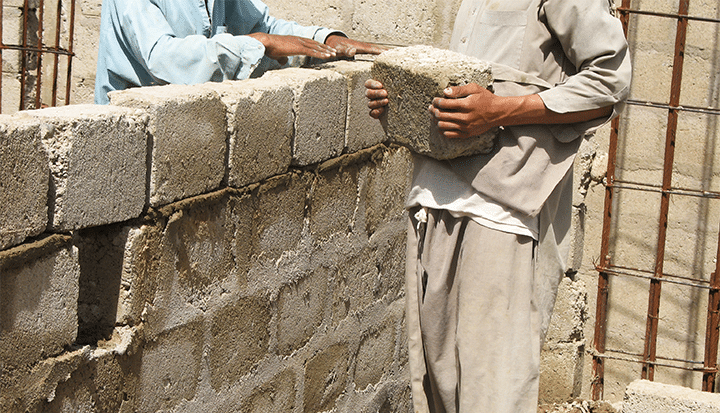
Akhuwat, Lendwithcare’s microfinance partner organisation in Pakistan, is one of the largest interest-free microfinance organisations in the world. Shakeel Ishaq is the Lendwithcare co-ordinator there, and is responsible, among many other things, for collecting and uploading the entrepreneur profiles onto the Lendwithcare website. In this blog he describes one of his field visits to a […]
Building Resilience Among Micro Entrepreneurs in the Philippines
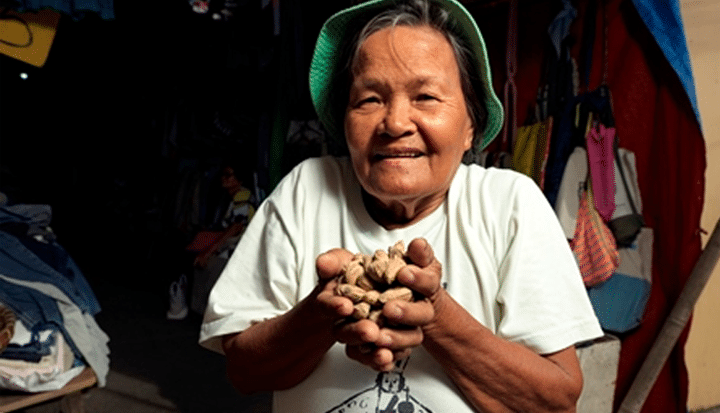
The Philippines ranks third in the list of countries in the world where a natural disaster is most likely to occur, after the Pacific islands of Vanuatu and Tonga. Although it is also prone to earthquakes, flooding and droughts, it is typhoons that strike the Philippines most frequently. The state weather bureau PAGASA estimates that, […]