Re-Imagining the Gender Balance for Female Cotton Farmers
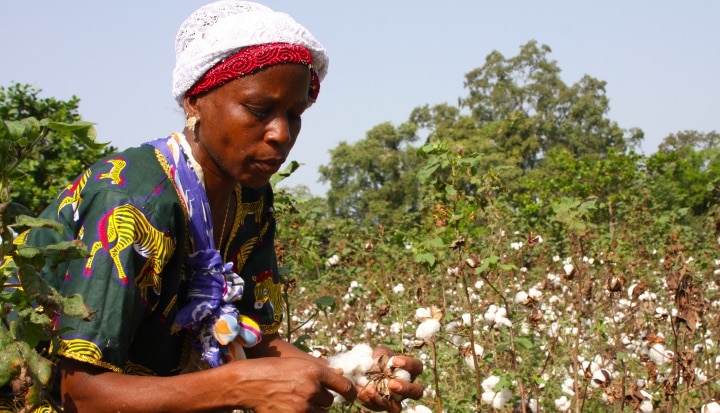
Recently, I put myself in the shoes of a woman cotton farmer in Ivory Coast. I realised very quickly that there aren’t very many of these shoes to fill; the reason being that very few women and men recognise women as cash crop farmers. Cotton farming is one of the main sources of income for […]
Factories Paying Workers Digitally are Five Times More Likely to Provide Good Social and Labor Practices
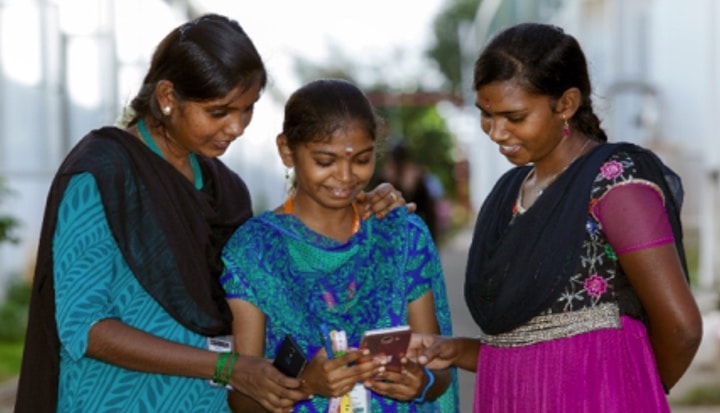
Like millions of women working in garment factories in Asia, Lucky worried about receiving her monthly salary in cash. “I was concerned about walking out of the factory with that much money in my bag,” she said. “I also share my house with other people, so I didn’t know where to keep my money safe.” […]
International Retail Therapy Creates New Jobs
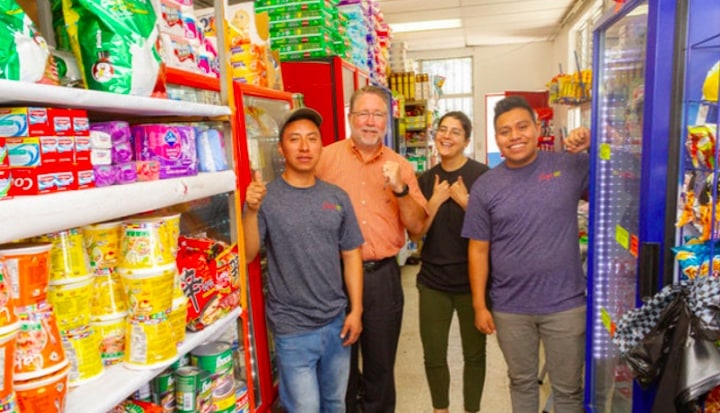
“Bpeace is aiming to prevent poverty and violence and that is what I’m trying to do, too.” Martha Estrada knew she had a solid business, but she needed advice. Enter Nat Love, an experienced retail executive from Grand Rapids, Michigan, who was looking for a meaningful mentorship experience. He was introduced to Bpeace through his […]
Is Technology a Game-Changer for Human Rights in Corporate Value Chains?

Since the launch of the UN Guiding Principles on Business and Human Rights (UNGP) in 2011, companies’ attention has been directed towards a series of developments supporting business action to address human rights issues. Earlier this year, we highlighted how legal regulations and benchmarking are increasing the pressure on companies to disclose human rights-related information and subsequently […]
CARE and Diageo: Tackling Violence and Harassment at Work

Violence and harassment in the workplace – whether in Westminster, Hollywood or McDonalds– continues to make headlines. Its impact on workers and business is increasingly becoming apparent. CARE research in the Cambodian garment sector revealed that there is an estimated US $89 million annual cost to the economy from absenteeism and lost productivity. Legislative changes […]
Making a Difference on World Toilet Day 2018: Solving the Sanitation Challenge Through Partnerships
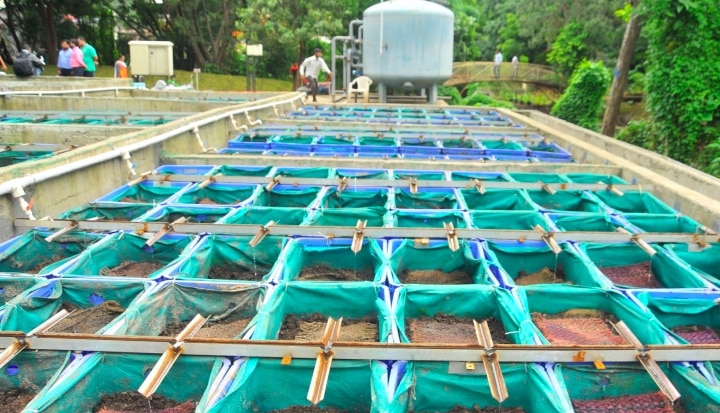
Tokyo, Japan based LIXIL, maker of pioneering water and housing products, believes that creating solutions for the 2.3 billion people that still don’t have access to basic sanitation is an opportunity to solve one of the world’s greatest social challenges, and to do so sustainably by helping to develop a future market Having to defecate […]
Winners of Stop Slavery Award at International Human Rights Forum announced
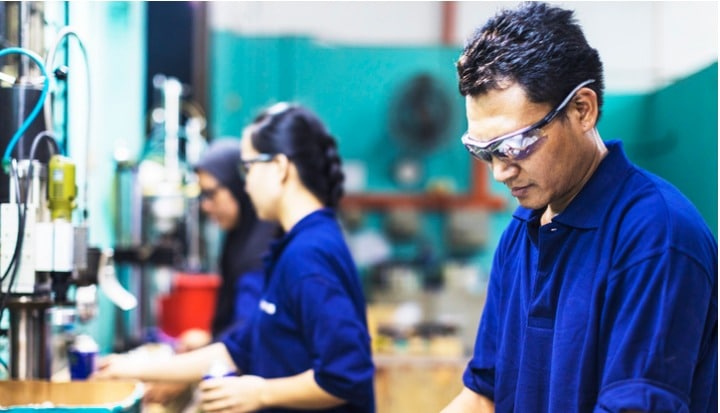
Apple has been named winner of the Stop Slavery Award, which recognises businesses that have set a gold standard in efforts to eradicate forced labour from their supply chains. The Judging Board agreed that Apple’s supplier responsibility programme ‘is leading in every category’, highlighting the company’s supplier engagement, monitoring and ‘extremely robust’ audit programme, which includes annual audits and […]
Toilets and Trigger Points: How Can We Unlock the Financial Viability of Sanitation Businesses?
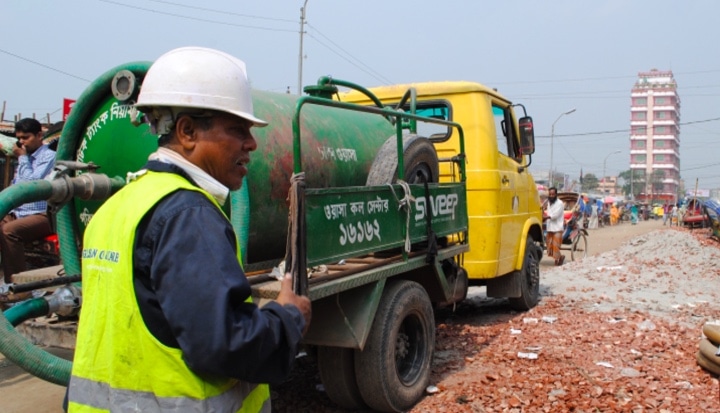
As the global push towards the SDGs continues to gather pace, some areas continue to lag behind. Sanitation is one of the most striking examples. Over half the world’s population continue to lack access to a safely managed sanitation service. That is a staggering figure, which demands reflection. Why is sanitation still so far off […]
Toilets, Not Poverty Traps
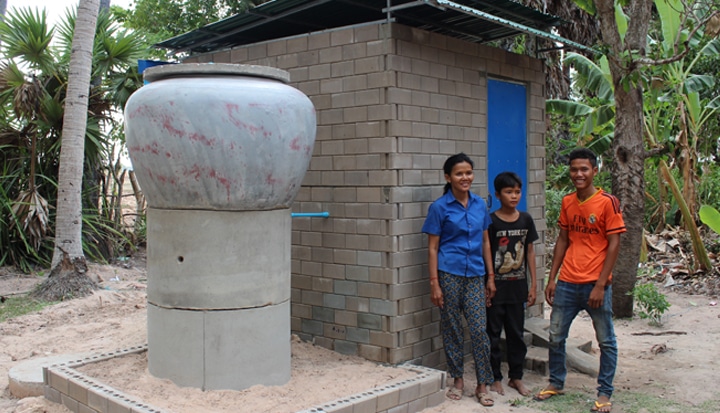
Cambodia has made remarkable progress in developing its sanitation. The proportion of households having access to toilets leaped from 23% to 68% in the last 10 years. Since 2011, iDE has been involved, training hundreds of entrepreneurs to manufacture and deliver attractive low-cost toilets for their community. Combined with our sanitation marketing demand-creation efforts, these […]
For Women in India Small Loans Have a Big Impact
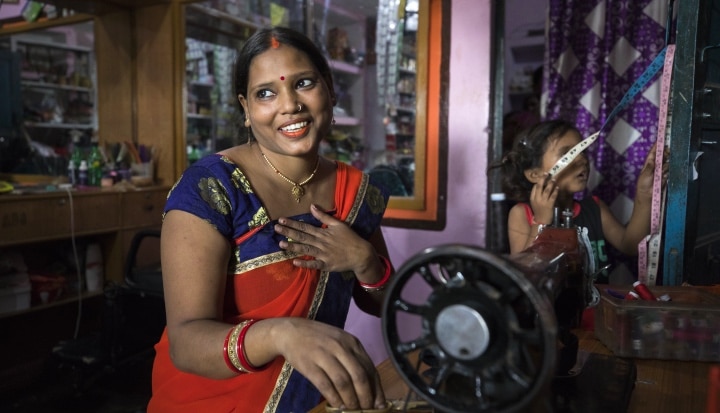
In Harhua, India, a sleepy village on the outskirts of the ancient city of Varanasi, Irawati Devi stands proudly under the bael tree that shades her home. Goats scour the ground around her mint-green food carts, searching for traces of the fried noodles and samosas she sells. “When we first moved to Harhua,” Irawati, 58, […]
High ESG Standards in Logistics for Economic Development
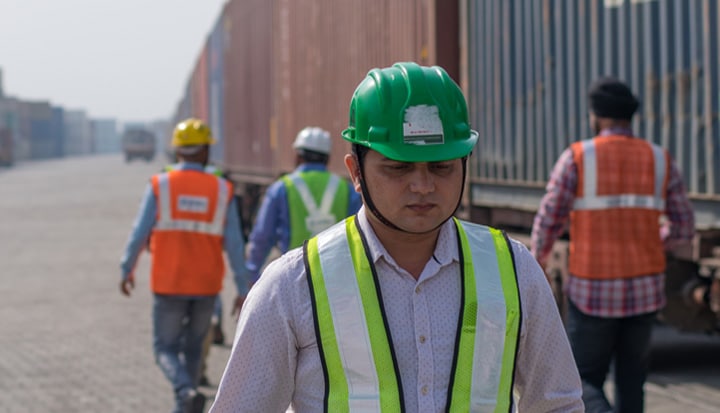
The logistics sector in India presents an opportunity for impact focused investors. It’s a vital, enabling industry that is essential to the many manufacturers in the industrial parts of the country. However, the network is expensive and inefficient. For example, logistics costs the equivalent of 14 per cent of GDP – compared with 8-10 per […]
Building Scalable and Self-Sustaining Safe Water Enterprises
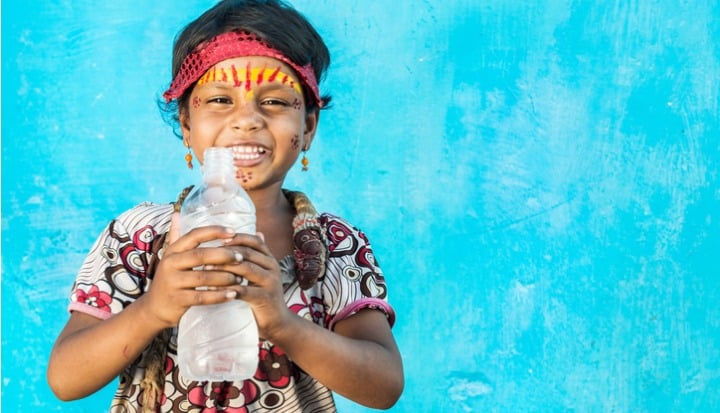
Imagine a life without safe drinking water. It isn’t easy. Most of us take for granted that we can just turn on a tap and fill a glass. But that’s not an option for roughly one in four of the world’s population — the 2.1 billion people who still lack access to safe drinking water […]
From Global to Local: Applying The Lessons of Global Health Here At Home
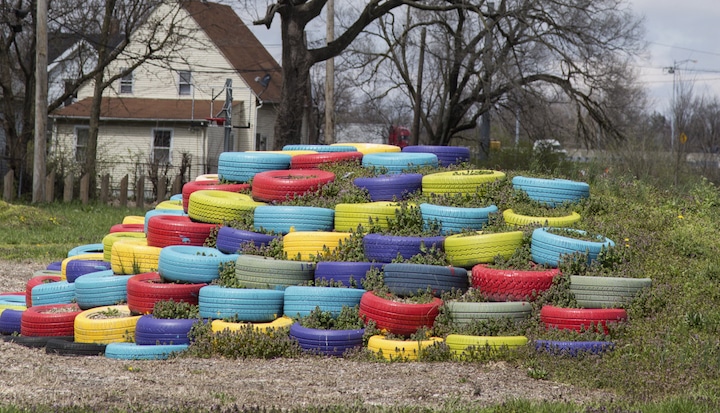
What do Indiana and India have in common? To outward appearances, not much – but look beneath the surface and you’ll find some surprising commonalities, including steep income disparities and surging rates of non-communicable diseases (NCDs) among lower-income populations, including killers like diabetes and heart disease. NCDs present a global challenge calling for global sharing […]
Partnerships Cultivate Change in the Niger Delta
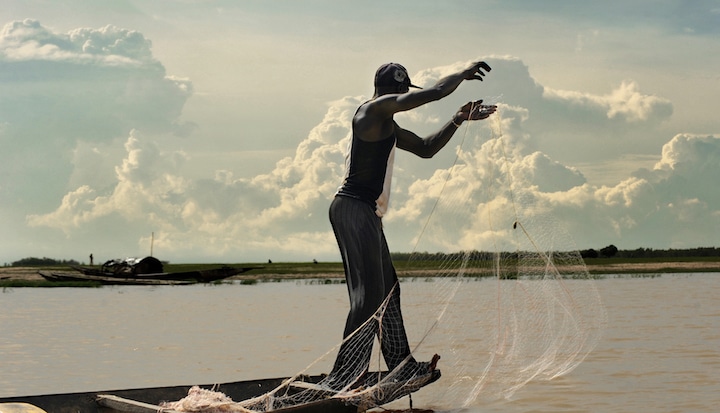
Economic development is inherently unstable, and the ebbs and flows of progress can be unsettling. This is true in the Niger Delta, which contains one of the world’s largest supplies of oil and an abundance of other commodities like catfish, cocoa and palm oil. Yet, 70 percent of its 30 million people live in poverty […]
Animal Medicine on the Move: Delivering Agro-Vet Services to Pastoralists
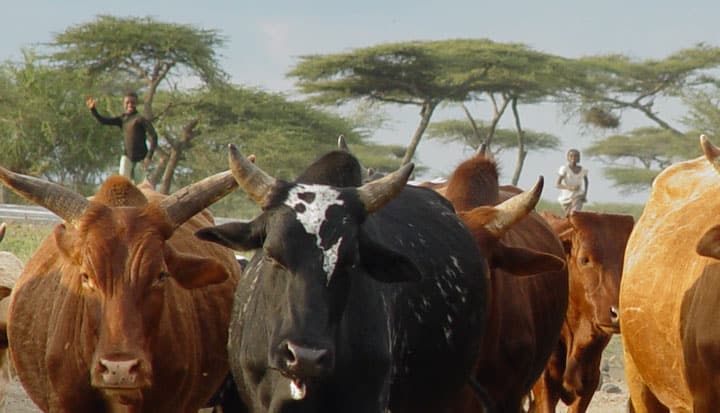
Dr. Jackson Kinyua serves as the Director of Veterinary Services in Garissa County, a rural, semi-arid region of northern Kenya, near the border with Somalia. The public servant’s job is to look after the health of approximately 4.4 million cattle, sheep, goats, camels, and donkeys, which make up the backbone of the county’s economy. It’s […]
Galvanizing Businesses to Generate Positive Social Impact Through Impact Sourcing

Three months on from the launch of the Global Impact Sourcing Challenge, we are delighted by the outpouring of support from GISC members, over half of which have already responded. The Global Impact Sourcing Coalition (GISC), a business network creating jobs for those most in need through Impact Sourcing, challenged its members to hire 100,000 […]
From Produce to Profits: How Mobile Technology Is Strengthening the Livelihoods of Spinach Growers
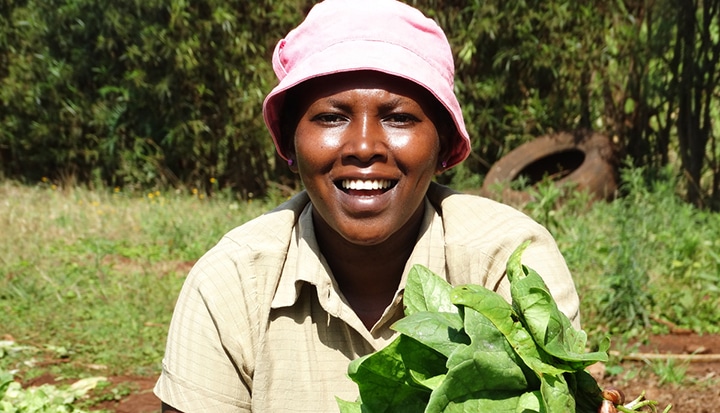
James Kamau is the chairman of the Tana Farmers Group, an organization of smallholders in central Kenya. He knows his members face a litany of challenges, common to many smallholders across East Africa. Their farms are small and yields are low, and the intermediaries who purchase their crops pay little. The farmers struggle to access […]
The Road of Change: Circular Economy in the Automotive Industry
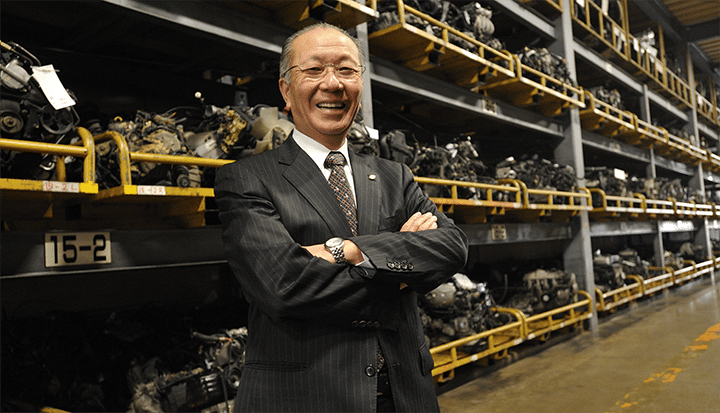
To tell you the story of Kaiho Sangyo, I must first give you a short introduction to the circumstances in the very beginning. In 1969, before returning to Kanazawa, my beloved hometown in Japan, I worked at a dismantling company in Tokyo for three years. Since the beginning of the 20th century, Japan has been a world […]
Eyes in the Sky: How Drones and Satellites Can Transform African Agriculture
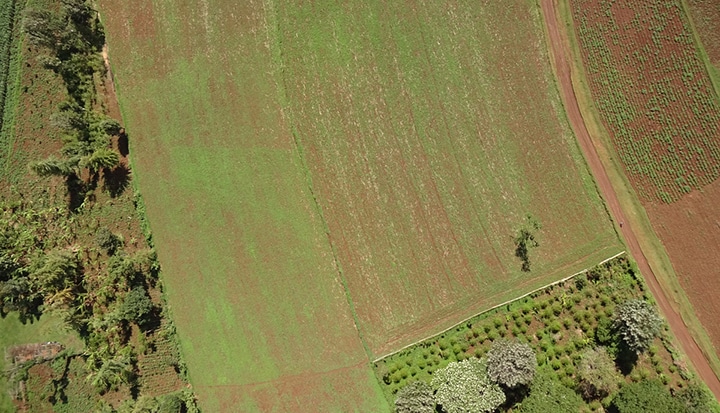
Across Africa, millions of smallholder farmers employ hard work and limited resources to coax their harvests from the ground. It’s a challenge for many of these farmers, because they often lack the information necessary to determine how to most effectively use their resources. But what if every farmer knew exactly what each of her plants needed—the […]
Child Labour in Cocoa: Why It’s So Hard to Combat and What We’re Doing About It
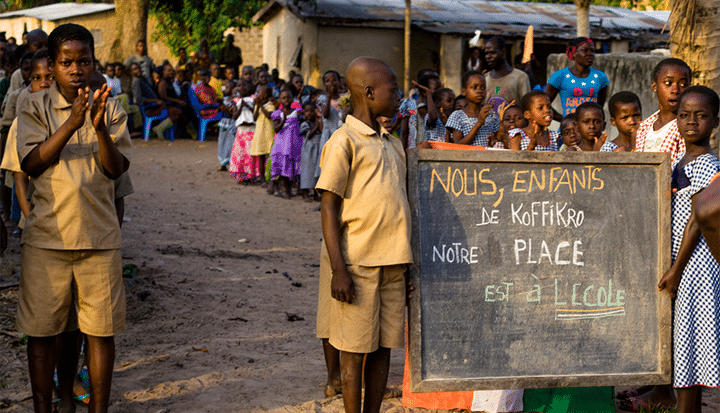
60% of child labour is in the agricultural sector. That’s a staggering fact made only more concerning when you learn that in West Africa, where 70% of the world’s cocoa is sourced, 2.1 million children work in cocoa fields. This is an issue which agribusinesses like Olam – along with our peers, customers, NGOs, and international […]