From Zero to Hero: Establishing the Commercial Mung Bean Sector in Indonesia
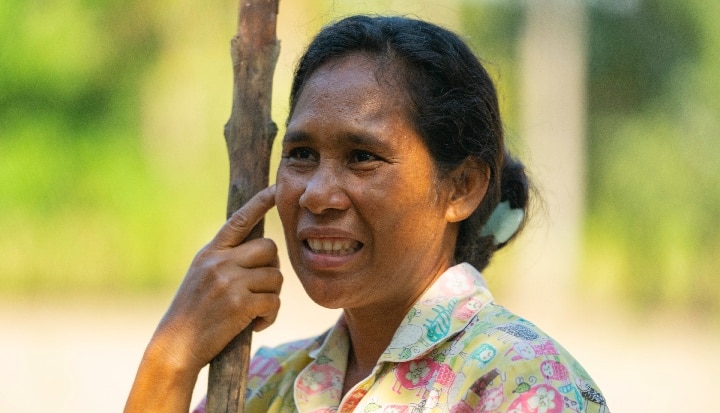
From Zero to Hero: Establishing the Commercial Mung Bean Sector in Indonesia The mighty mung beans generate a triple benefit for smallholder farmers — additional income, affordable nutrient-rich food, and increased soil fertility. They’re also low maintenance, have minimal production costs, and a short growing time. It’s no surprise that they’re a popular crop, with […]
Gender Empowerment: How Carbon Finance & Investing in Climate Solutions Drives Positive Impact
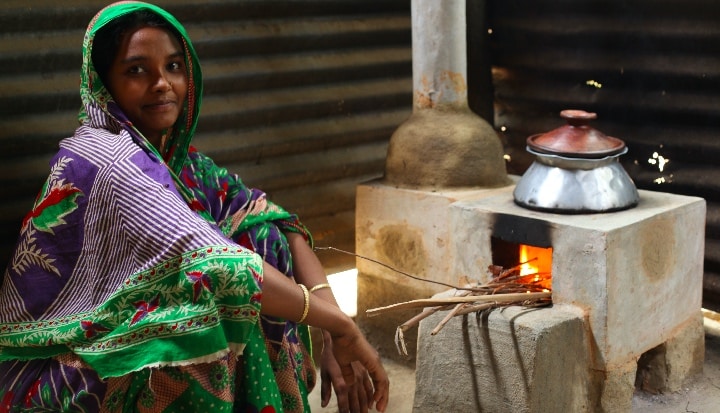
Increasingly people realise that climate and CO2 emissions cannot be considered in isolation – a changing climate impacts biodiversity and the ecosystem services we rely on. But it also has an outsize impact on women and girls, particularly those in developing countries where there is a higher reliance on natural resources for livelihood and survival. […]
Gender and Climate Change: Sustainability Systems Supporting Adaptation and Resilience

Women bear a disproportionate burden of the adverse impacts of climate change. In low- and middle-income countries, women are highly dependent on agriculture and natural resources, which, combined with existing inequalities, leaves them especially vulnerable. Yet, they are important economic actors who can play a critical role in tackling climate issues if given the right […]
Women Smallholders Will Drive Africa’s Transition to Regenerative Agriculture
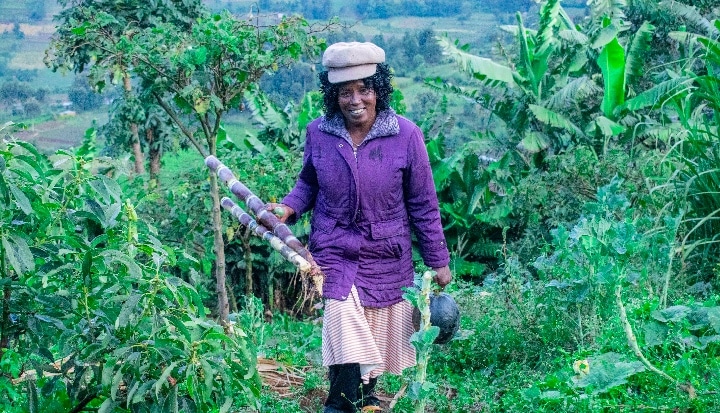
An estimated 140 million people in Africa are facing acute food insecurity[1], yet, in Kenya alone, 50% of all productive soil is badly degraded. Worse still, because of record droughts, half of Kenyan farmers have harvested nothing in the last four seasons. Regenerative agriculture techniques offer the world’s poorest farmers a lifeline, restoring soils and […]
Systems change for social and ecological transformation: putting nature at the heart of scaling impact

Increasingly people are recognising that our current economic system and business structures are not delivering a world that is ‘prosperous’ in the way we want to prosper; that the pursuit of more is leaving us all with less. And we are increasingly aware that there is a different path forward: we can build different kinds […]
Four Essential Elements for the “Just” in “Just Transitions”
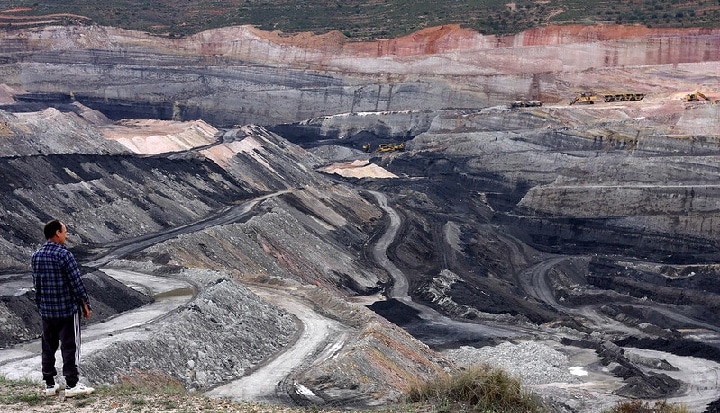
The concept of “just transition” – a whole-of-society approach to decarbonisation that respects human rights while promoting sustainable development, the eradication of poverty, and the creation of decent work and quality jobs – has come increasingly centre stage in national and international discussions on finance, energy, agriculture, and other key industrial transitions to net-zero. While […]
Millers Change the Game for Food Fortification
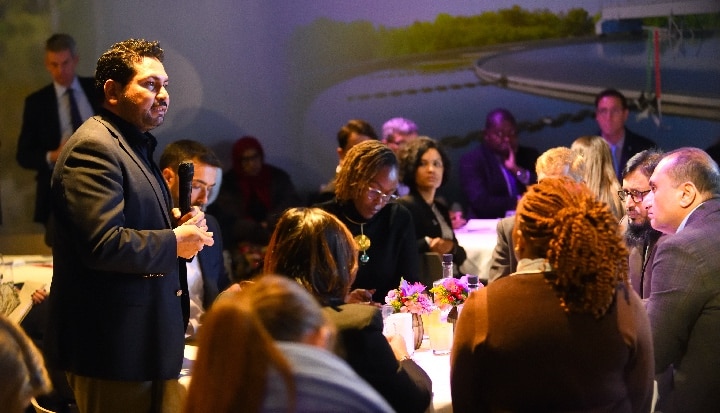
Food fortification has been recognized as a highly effective intervention to counter malnutrition, and it has been the subject of events and commitments at the Davos World Economic Forums before. But millers – shorthand for the food processors who produce fortified staples, including rice, flour and oil – have not historically been at the centre […]
Effective Partnerships: Key to Supporting Climate Vulnerable Communities
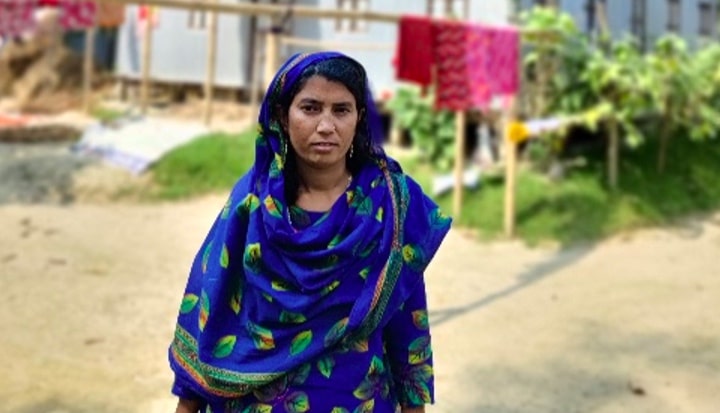
A quarter of the world’s population already faces significant flood risk, which is particularly challenging for people already living in or vulnerable to poverty. Which is why our partnership with Zurich Insurance to help change the way flood risk is understood and managed so that communities can continue to thrive is so important. Ten years […]
Seafood’s Social Justice Problem: How to Better Share the Benefits of Aquatic Foods
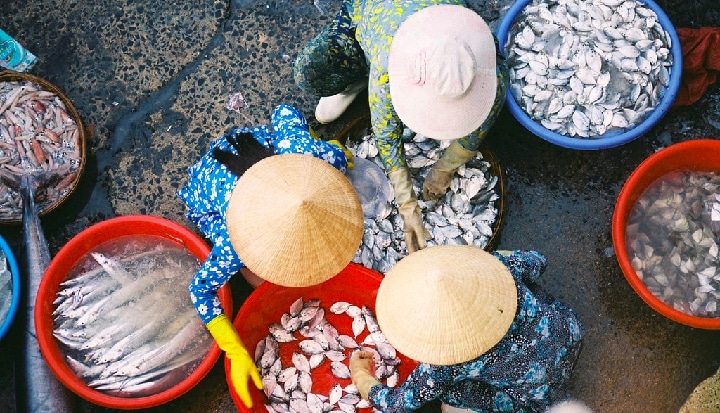
The global fish and seafood sector – the world’s fastest growing food-producing industry – is at a crisis point. The narrow pursuit of profit has led not only to unsustainable growth but to the exclusion of entire communities, undermining social justice, mobility and progress. Three countries – China, Norway and Peru – account for almost a quarter of […]
Women Cotton Farmers and Climate Solutions
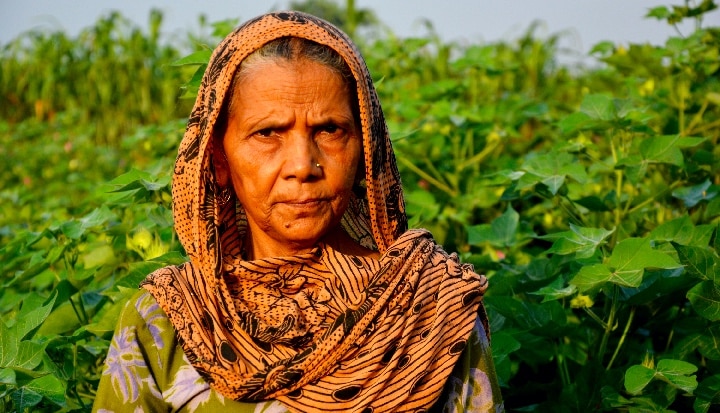
I was very happy to be a part of Business Fights Poverty’s Climate Justice Summit. The topic of conversation – gender equity and its role in combatting climate change – is one of the most pertinent subjects. And it got me seriously thinking about the work we’re doing at CottonConnect, and how we can boost […]
Walking for Climate Justice: Community Voices Share their Desperation and Sparks of Hope.
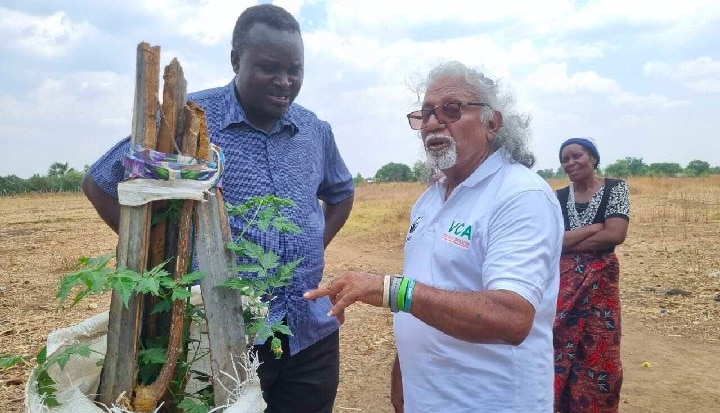
“My own state of mind synthesises these two feelings and transcends them: my mind is pessimistic, but my will is optimistic. Whatever the situation, I imagine the worst that could happen in order to summon up all my reserves and will power to overcome every obstacle.” Antonio Gramsci -From the Prison. I am a climate […]
The Unrecognised Intersections Between Climate Change and Modern Slavery
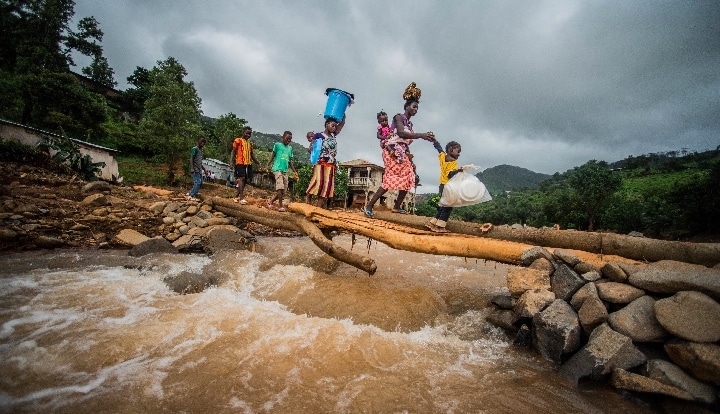
Modern slavery is on the rise. New global estimates of modern slavery published in September 2022 found that almost 50 million people are in modern slavery, a rise of 10 million people since the previous estimates were released in 2017. This increase has been driven by the compounding crises of climate change, the COVID-19 pandemic, and armed […]
How Farmer Segmentation Can Strengthen Supply Chains and Better Support Smallholder Farmers
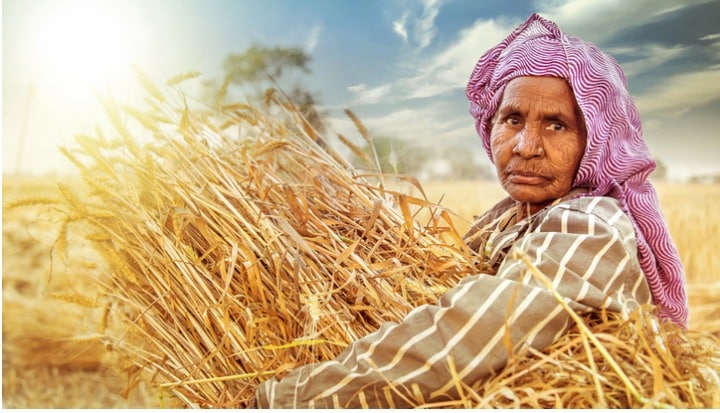
Around the world, there are 35 million smallholder farming households participating in global supply chains. Yet, the contributions of smallholder farmers to the global economy are deeply undervalued. Despite playing a critical role in our daily lives and in our economy, as many as 24 million of those households, more than 122 million people in […]
COP27: A Historic But Insufficient Move Towards Climate Justice
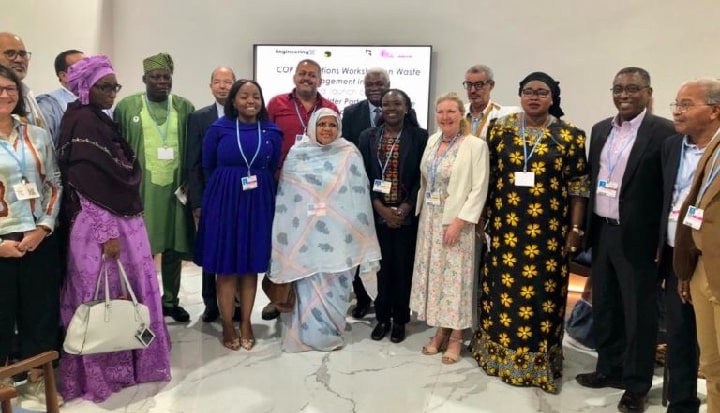
For two weeks in November colleagues from Practical Action have been in Sharm El-Sheikh at the UN climate change conference, COP27. We were there to ensure that the voices of the people we work with in some of the world’s most climate vulnerable places were heard as global leaders took decisions about their futures. For […]
Farmers Hold the Key to the Climate Crisis – If Only World Leaders at COP27 Would Listen

In many ways, the seaside resort town of Sharm El Sheikh is a compelling backdrop for a global climate change conference. Perched on the south-eastern edge of the Sinai Peninsula, it is bordered by pristine coral reefs on one side and arid desert on the other – a perfect reminder of the delicate equilibrium that […]
It’s Time for Companies to Step Up on Net Zero
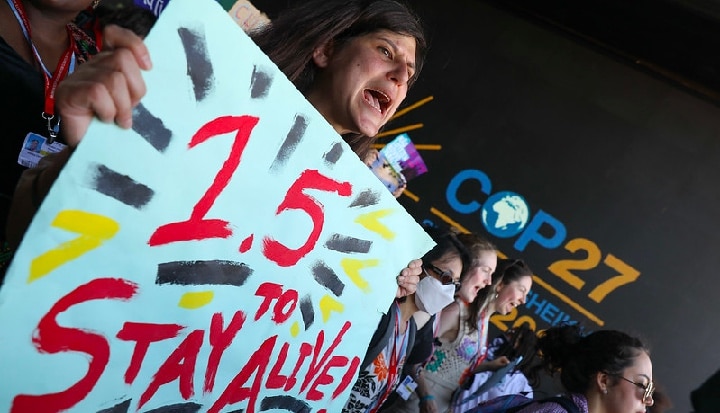
As UN Experts Call for an End to Greenwashing, Companies in the richest countries have still not agreed to climate measures that are in line with staying below 1.5 degrees. Danielle Smith and Hilde Stroot welcome new guidance from a UN panel, released at COP27, to push action by firms on corporate net-zero plans – […]
Transitioning to Net Zero in the Middle East and North Africa: Three Focus Points
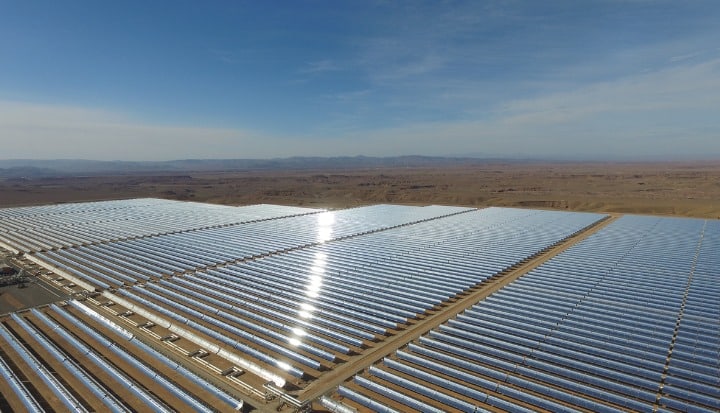
As Egypt readies itself to host COP27 and the UAE for COP28, Adithya Subramoni argues that the MENA region must recognise the social dimension in action on climate, emphasise affordability and accessibility in the drive towards renewables, and seize the potential for the transition to create a large number of good jobs. Since the COP26 […]
Why Businesses Must Focus on Putting People at the Heart of Climate Action Strategies
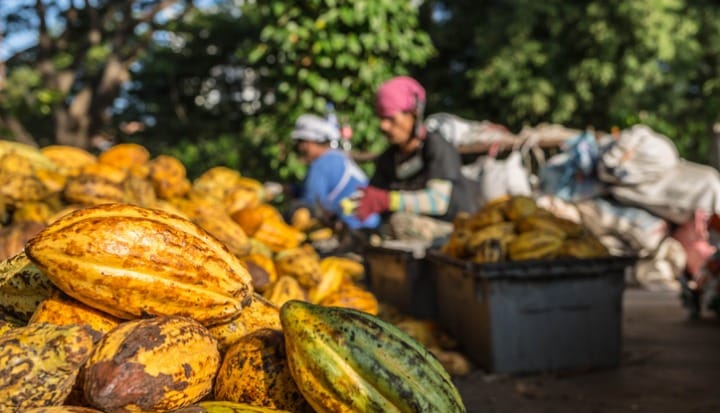
We’ve heard many pledges by businesses and governments to go further, create real and lasting change in cocoa supply chains, and ensure a better future for farming communities and our climate. However, turning those promises into action remains a challenge. Across the world, cocoa-growing communities face daily struggles from low prices to climate fluctuations, resulting […]
The Two-Eyed View of Climate Justice: Combine Net Zero and Poverty Zero Goals
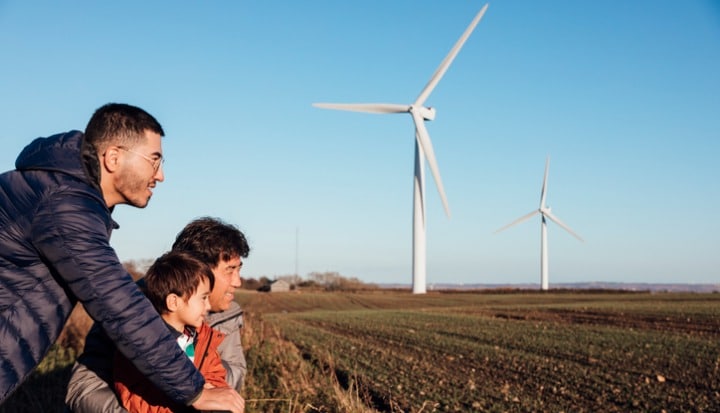
The climate challenge is encouraging us to work together in meaningful ways, yet the path to climate justice globally requires us to go one step further, combining net zero and poverty zero goals. Net zero, at the heart of efforts to slow climate change, is the target to balance any CO2 emissions created by human […]
Climate-Smart Supply Chains: Lessons for COP27 from Fairtrade
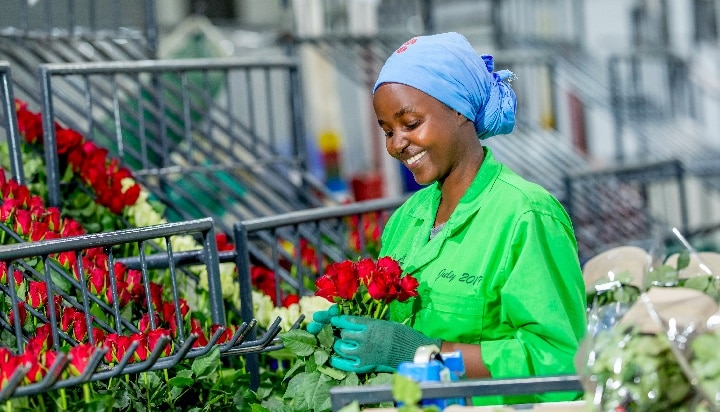
One year since COP26, and we have seen minimal action from world leaders to support farmers and workers with a just transition or to deliver on the headline $100 billion promise of climate adaptation finance. In contrast, one year since the launch of Fairtrade’s ‘Alliance for Climate-Smart Supply Chains in Africa’ (FACSCA), and we have […]