
Extreme Heat, Workers’ Rights and the Power of Collaborative Action
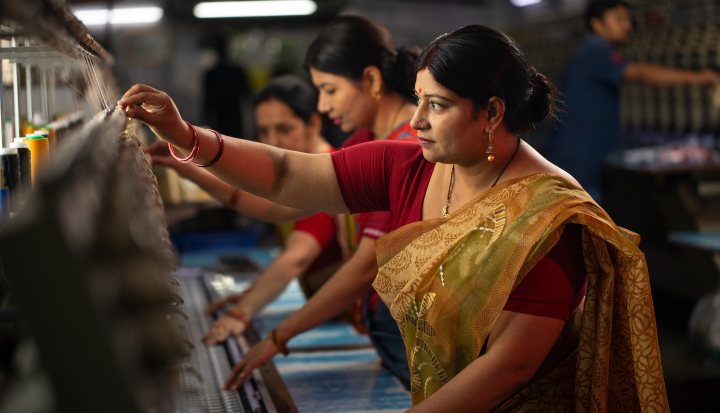
Whilst the great and the good of climate policy meet in Baku, Azerbaijan for COP29, and as LinkedIn and Twitter feeds begin to overflow with a frenetic hubbub of updates, insights and arguments, breathe deeply and take a few minutes to immerse yourself in a different reality. A reality that at first glance may seem […]
Women-led Climate Solutions for Resilient Communities
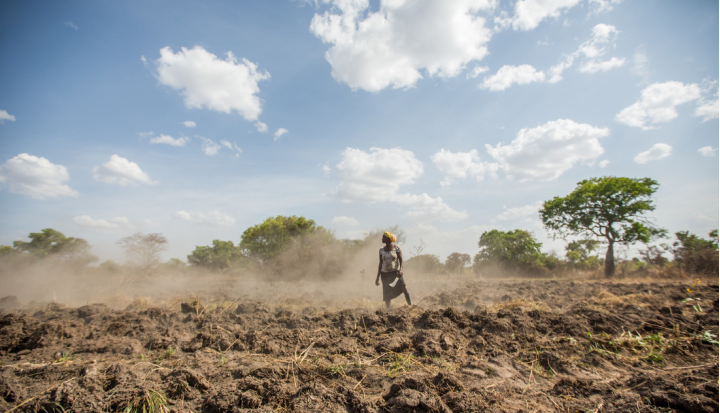
“My message to the world: I want to tell people to stop wasting resources and I would like to find an opportunity to teach them the importance of managing resources such as water. In as much as men and women are all affected by the drought, women are more affected. … If [my child] comes […]
Investing in Better Housing can Build the Resilience of 40% of the World’s Population

Global investment is falling well short of the needs of those living in vulnerable housing. Current estimates predict an annual need of $3 to 4 trillion globally to achieve adequate housing for all, which will be particularly important for the 1 billion people living in informal housing. Those living in informal housing – that is, […]
Strengthening Gender Equity in the Voluntary Carbon Market
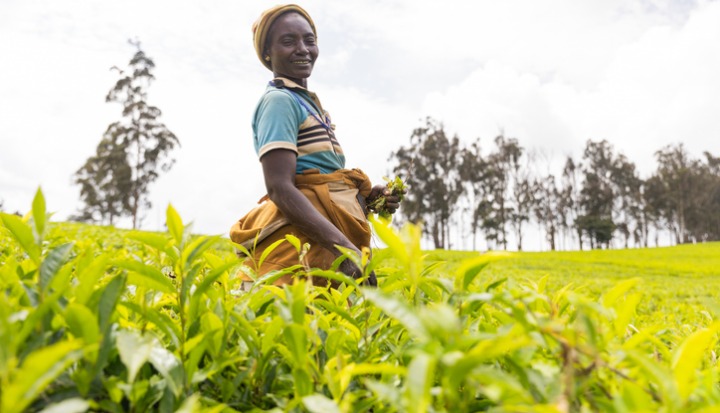
Integrating gender equity into the Voluntary Carbon Market (VCM) is essential for achieving environmental and social sustainability. At the heart of this discussion is the question: How can carbon credit quality be improved, whilst also driving benefit for the planet and the people most affected by climate change? Integrating gender equity into carbon credit initiatives […]
Empowering the Next Generation: The Future of Youth Entrepreneurship

At Youth Business International (YBI), the only organisation dedicated to youth entrepreneurship on a global scale, we believe that young entrepreneurs are not just the leaders of tomorrow, they’re the changemakers of today. In our rapidly evolving world, young people are stepping up as innovators, driving social change, and forging paths in entrepreneurship like never […]
Boosting Smallholder Farmer Incomes Requires an Innovative Data-Driven Approach
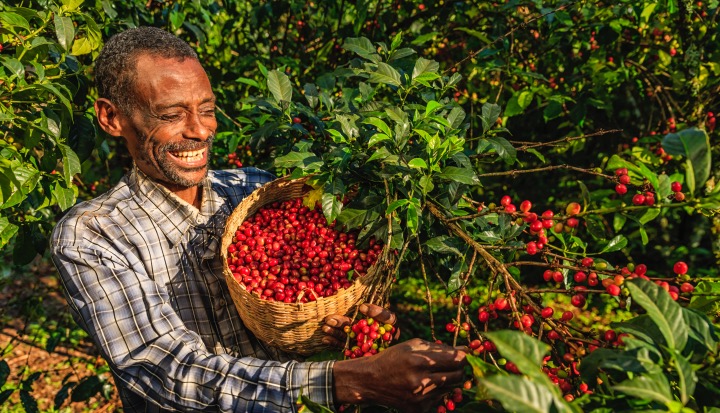
The Challenges Facing Farmers Today Smallholder farmers are essential to the global food supply, producing up to 80% of the food consumed in much of the developing world. Yet many of these farmers live below the poverty line due to a combination of factors, including rising production costs, inefficient farming techniques, and pricing models that do not […]
How Businesses Can Meet EU Deforestation Regulation: Innovative Solutions for Supply Chain Transparency

Trade in commodities linked with deforestation poses significant environmental and social challenges. According to The Accountability Framework initiative (AFi) and CDP 2024 report Time for Transparency, land clearance for agriculture accounts for over 10 percent of human-caused greenhouse gas emissions and is linked to at least a third of global biodiversity loss. When forests are cleared, […]
What 3,000 Farmers Told Us About Wellbeing in the Coffee Supply Chain
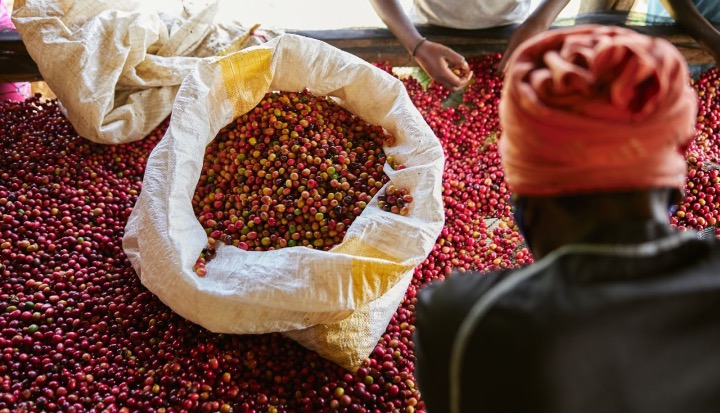
The global coffee industry, worth billions of dollars, relies on millions of smallholder farmers. Yet, how much do we really know about their lives and challenges? A plethora of foundations, NGOs, and coffee companies collectively invest millions of dollars in programs and certifications aimed at improving the lives of these farmers. Platforms like the Sustainable […]
Philanthropy as a Catalyst for Change: Lessons From the G20

In late July, finance leaders of the world’s major economies gathered in Rio De Janeiro, Brazil, for the G20 Finance Ministers and Central Bank Governors Meeting. There, they pledged for the first time to cooperate to ensure that the super-rich are effectively taxed: a move that attracted headlines in the global media. This unprecedented declaration on taxing wealth […]
From Carbon to Cash: The Climate Innovations Raising Smallholder Farmers’ Incomes
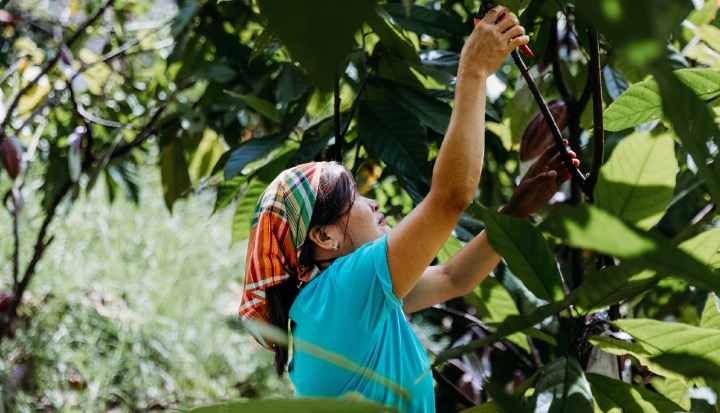
There are an estimated 600 million smallholder farmers around the world who are working to produce one-third of our global food supply. As climate challenges increase, these farmers are disproportionately affected by changing weather and rising temperatures that lead to increased droughts, erosion, pests, and disease. The stakes are high – both for keeping people […]
Off-Grid Success: Solar Chilling Fuels Produce Supply For Women Farmers In Malawi
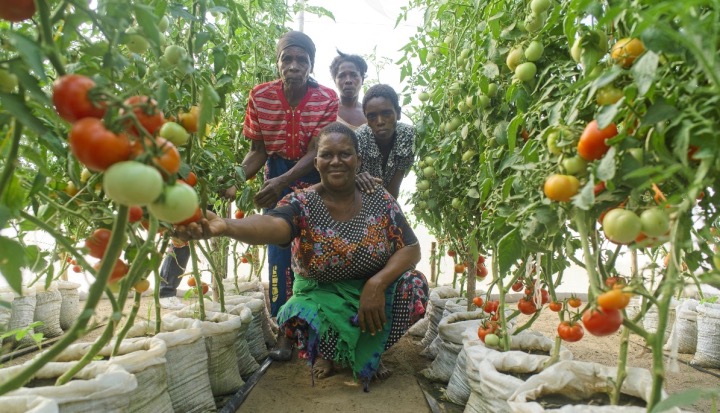
Lack of refrigeration and access to markets means Malawian farmers lose up to half of their produce to post-harvest loss – this was one of the main factors driving the Renewable Energy for Agriculture project run by Practical Action and our partners in northern Malawi. The work has levelled the playing field for rural women […]
Connecting Mexican Farmers and Buyers Through Regenerative Practices
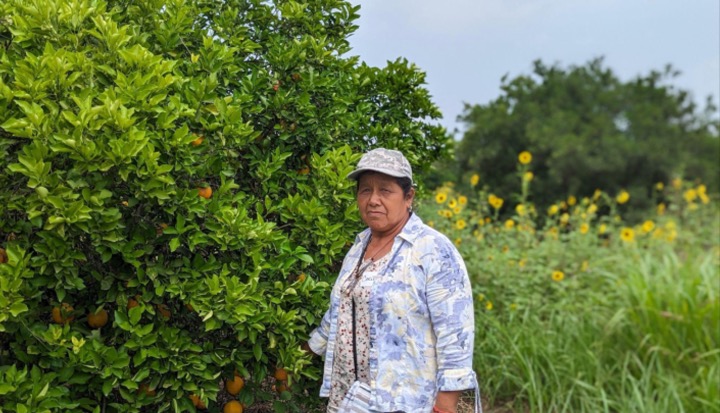
From Small Farms to Formal Markets: Connecting Mexican Farmers and Buyers Through Regenerative Practices Agriculture is a lifeline for over 8 million farmers in Mexico, with smallholders representing a significant portion of the farming landscape in the country. Small farms account for 57% of crop farms, 78% of cattle farms, 89% of pig farms, and […]
The Fairtrade Foundation: 30 Years of Transformative Change
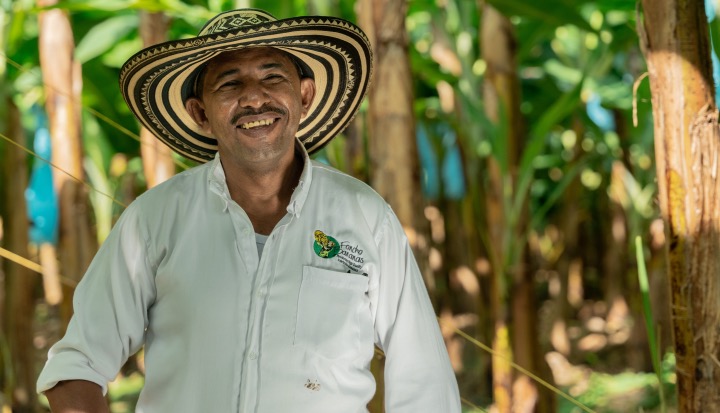
“It’s more revolutionary what you put on your plate than what you post on the internet.” Those are the words of Silvia Herrera, a second-generation coffee farmer from Chiapas, southern Mexico, who I met earlier this month. Silvia is right. We should never underestimate the power we have as consumers. Power to change an unfair […]
Unintended Consequences of Environmentally Friendly Diets
As the world grapples with the urgent need to protect human health, combat climate change, and protect biodiversity, the foods we eat have come under scrutiny. Unhealthy diets are a major contributor to the global burden of disease. And food systems are a major contributor to climate change and environmental destruction. Deficiencies in essential vitamins […]
Fields of Change: Making Cotton Work Better for Women
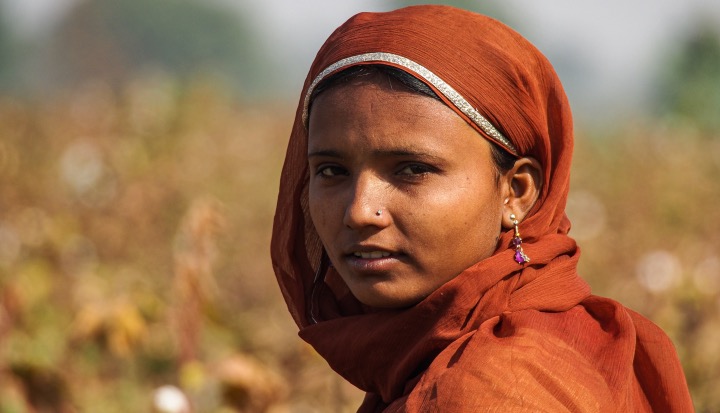
Whether it is used to make classic blue jeans and a tight white T-shirt, or a high thread-count bedsheet and reusable nappies, cotton comes with a production story. This story starts not in a factory, but in cotton fields and their surrounding communities. At present, it is one in which there are still very few […]
How Sustainable Agriculture Contributes to Achieving Zero Hunger
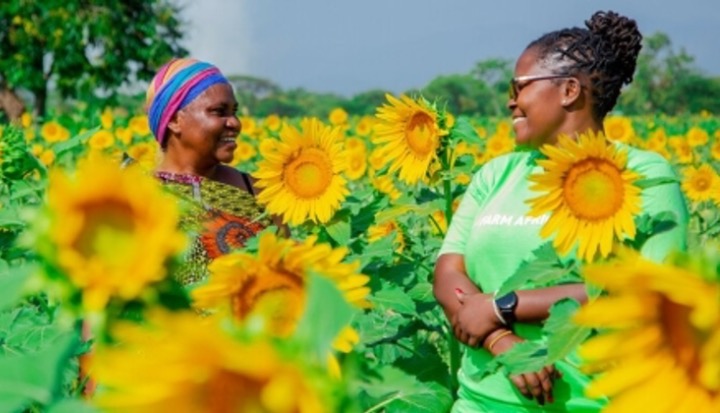
The second of the UN’s Sustainable Development Goals – SDG2: Zero Hunger – aims to create a world free of hunger by 2030. However, according to the UN, a combination of factors including the pandemic, conflict, climate change, and deepening inequalities, mean that hunger and food insecurity have been rising since 2015, and the world is […]
Supporting the Economic Empowerment of Women in Coffee
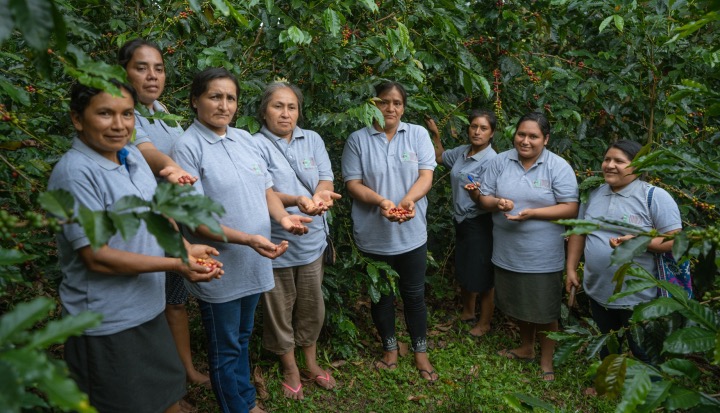
To Support the Economic Empowerment of Women in Coffee, We Must Make Their Work Visible. “We didn’t understand that we could do it, that we [as women] could go out into our communities and be ourselves,” says Nay Aponte, a coffee grower in Peru’s Monzón Valley. She worked hard on the family coffee farm, but […]
Mainstreaming Gender to Power Sustainable Business Growth
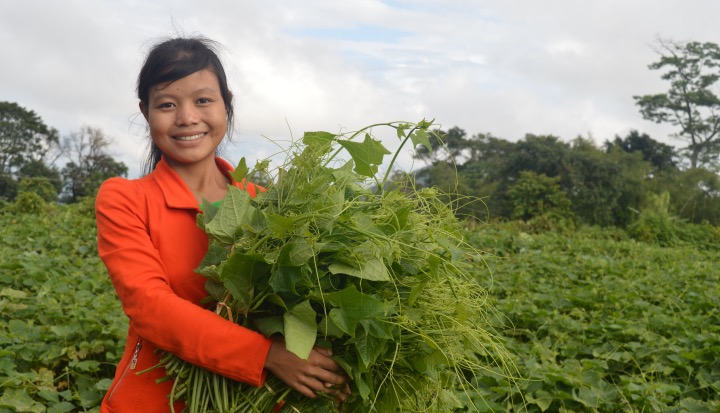
Gender equality is one of the essential pieces of the global prosperity puzzle. Women represent almost half of the global population and thus, also possess half of its potential. Yet inequalities faced by women are so deeply rooted and persistent, that we are lagging behind in our progress towards the gender equality targets set out […]
Business Fights Poverty Global Equity Summit 2024
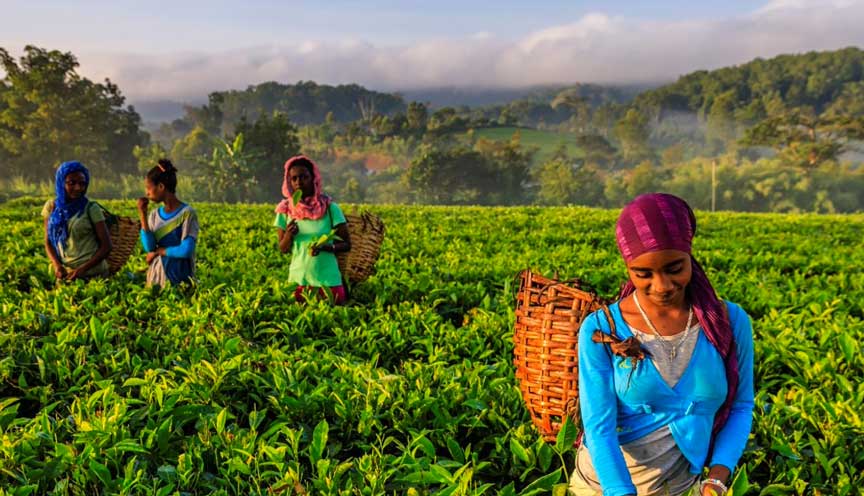
Supply Chain Decarbonisation with a Gender Lens
The urgency of the climate crisis means that a growing number of companies are investing resources to better understand and reduce emissions across their supply chains, including indirect or Scope 3 emissions. Frameworks – such as the GHG Protocol Corporate Value Chain (Scope 3) Standard – have been developed to help support this process; however, […]