Water for All through Partnerships with Business
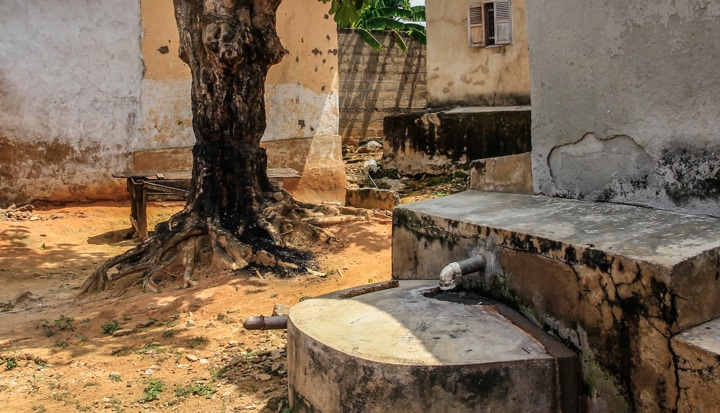
This week WSUP and Business Fights Poverty are co-hosting an online discussion on the vital role that business has to play in increasing access to safe and clean water. The discussion will look specifically at the theme of multi-stakeholder ‘partnerships’ – what are the most promising partnership models designed to tackle shared water risks? What […]
The Role of Water Stewardship in Supporting the SDGs
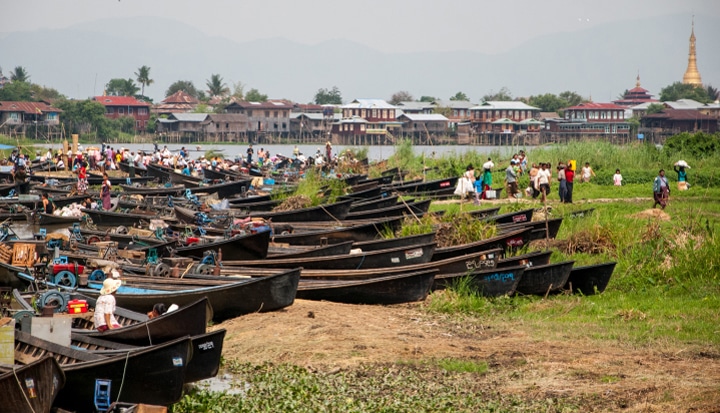
There is a strong level of ambition for the post 2015 Development Agenda. It’s recognised that the challenges affecting people, the planet and prosperity are interrelated and call for integrated solutions. Bold, transformative steps and collective action are needed to deliver the SDGs and shift the world to a sustainable path. Water provides a perfect […]
Partnering for Access to Safe, Clean Water for All
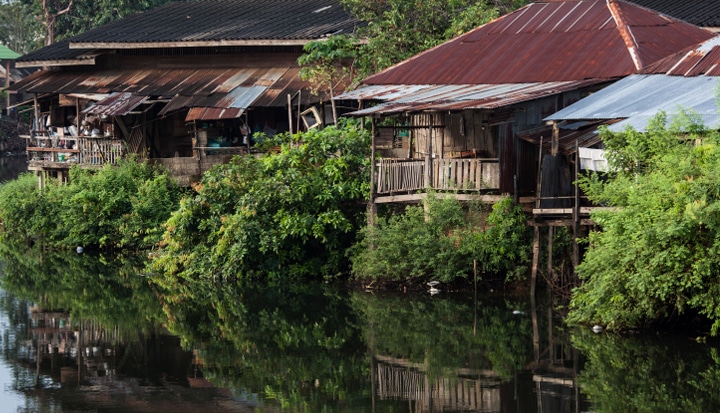
In many countries both the availability and quality of water are in decline as populations – and associated demand from agriculture, energy generation, industry and households – grow. The Water Resources Group (WRG), of which SABMiller is a member, estimates that the shortfall between freshwater supply and global demand could reach 40% by 2030, an […]
Water and Prosperity
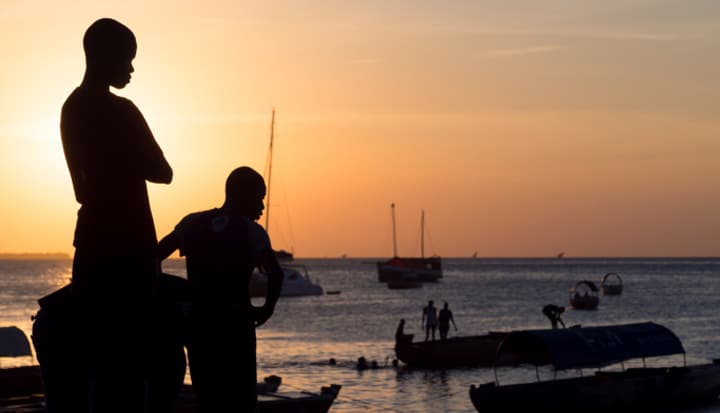
Water and prosperity go hand in hand for SABMiller and the communities in which we operate. Without water, we can’t, of course, brew beer or make our other drinks. It is simply essential for the success of our business. But without water, farmers can’t produce the raw materials we need. And water scarcity and stress […]
Fighting Poverty One Toilet at a Time
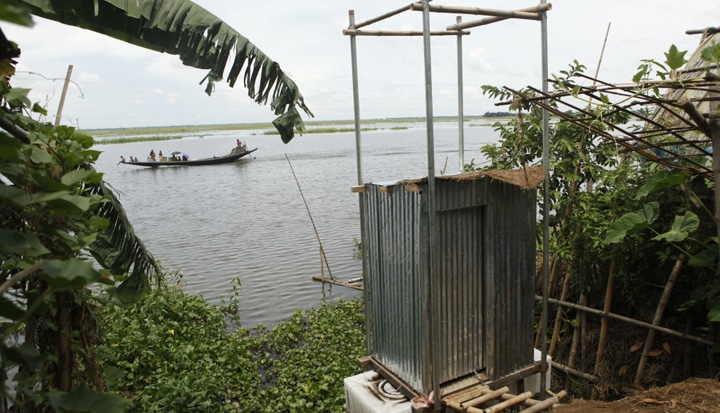
A floating latrine at Chamakpur Haati, Bangladesh. Poverty is defined in many ways, but ultimately it remains a complex social problem. It has resulted in 2.5 billion people or one in three of the world’s population being left without access to adequate sanitation. Although safe water and sanitation forms just a single facet of this […]
Eco-Entrepreneurship and the Post-2015 Agenda
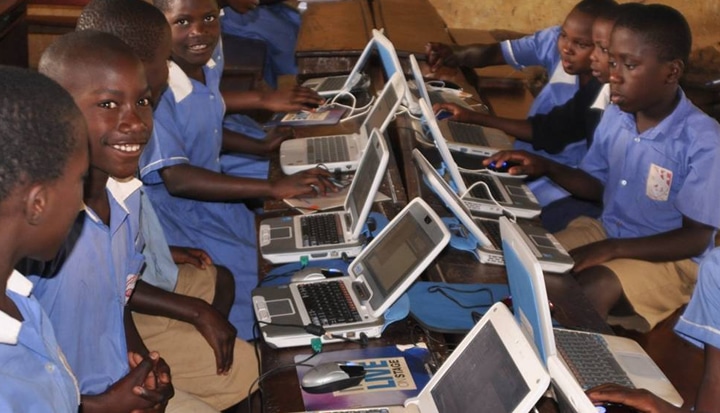
The Millennium Development Goals have shaped development cooperation in the last 15 years, and there has been progress towards eliminating poverty worldwide. Nevertheless, much remains to be done. The post-2015 agenda and Sustainable Development Goals will set ambitious targets not only to end poverty, but also to promote growth and well-being for all, protect the […]
The Role of Finance Leaders in Managing Climate Change
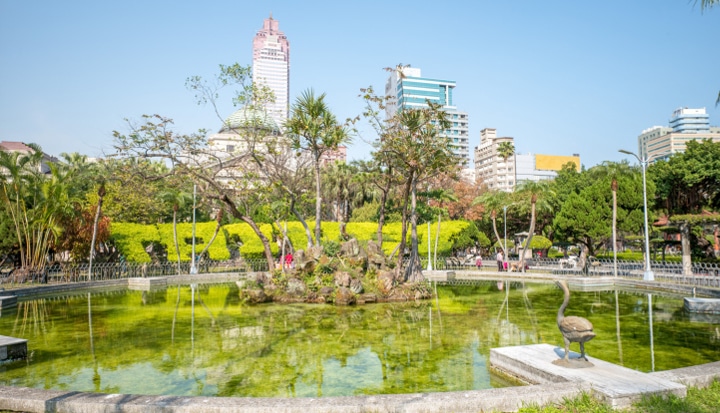
“Follow the money” was the famous advice of Deep Throat – the whistle-blower who helped the journalists Bernstein and Woodward to unravel the Watergate scandal and end the Nixon presidency. “Follow the money”, or at least “engage the money”, would also be good advice for advocates of corporate sustainability and sustainable development. Thanks to the […]
A Call for Activism Around the SDGs at WEF Africa
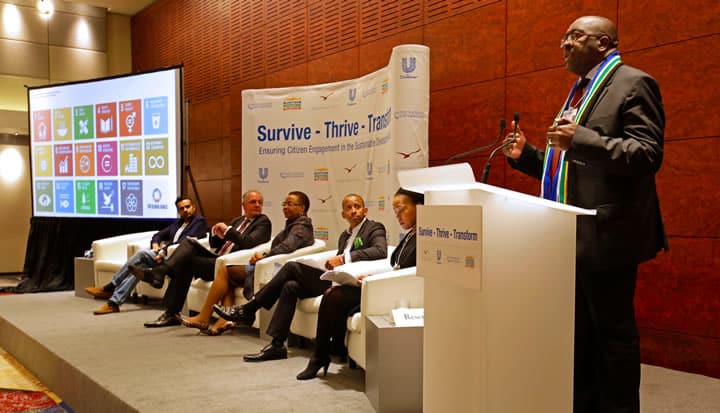
“The generations to come will never forgive us if we fail to take responsibility.” This was the message shared passionately by Graça Machel during an event entitled Survive, Thrive, Transform: Ensuring Citizen Engagement in the Sustainable Development Goals held on Friday 5 June alongside side the WEF Africa Forum in Cape Town. Co-convened by the […]
Climate Resilience in Action in Nepal
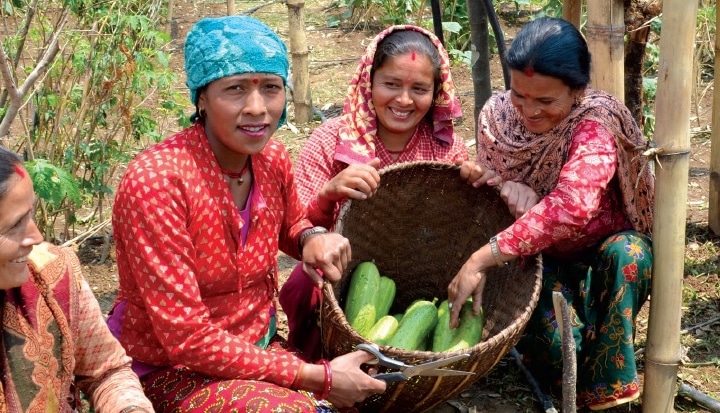
“I remember when I was younger the water in fish pond outside my house came up to my waist – now it is dried up” – Manbir Khadka Manbir is a smallholder farmer from Kwanga village in the Rolpa District of Nepal. He says that increasing community income is critical to combat climate change. Without […]
Designing Programs that Work in Diverse Settings
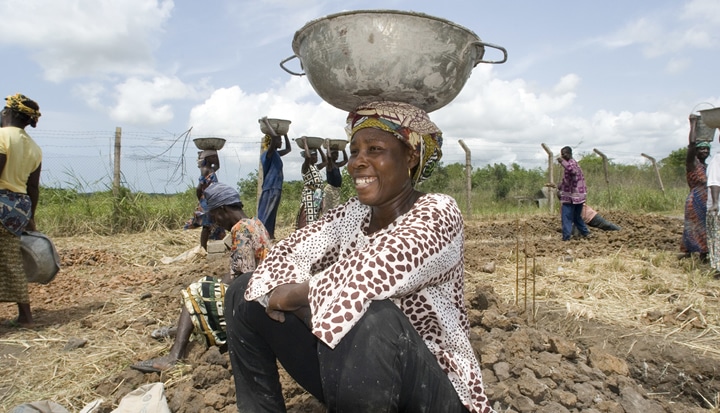
Rice farmers on the hot, dry plains of northern Ghana would seem to have little in common with dairy and maize farmers in Kenya’s verdant Rift Valley: they live in different environments, sell different crops, and draw on different resources. Is it possible to design a program that has a positive impact on both groups? […]
The Environmental Implications of the Sanitation Crisis
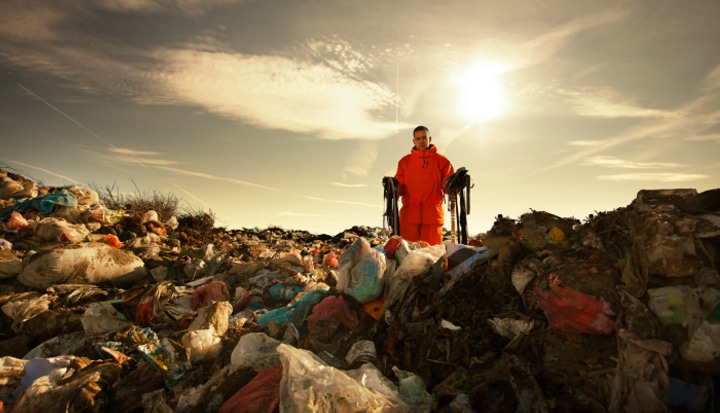
Four million tons of human waste per year are dumped into Kenya’s waterways from informal settlements that lack access to hygienic sanitation. This waste pollutes drinking water and spreads disease far beyond the communities generating the waste. Providing hygienic sanitation sustainably means more than setting up toilets: it requires collecting the waste efficiently and treating […]
Post-2015 Development Agenda: Platforms for Partnership
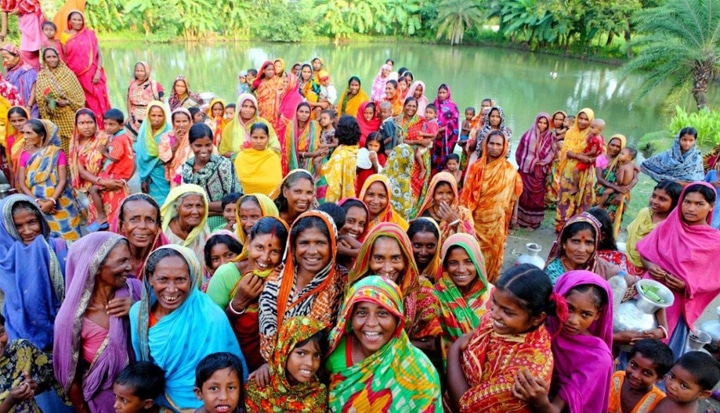
This September, world leaders will adopt a set of 17 Sustainable Development Goals (SDGs) to be achieved by the year 2030. Reaching these ambitious goals will require multi-stakeholder partnerships between business, NGO, government, the UN and communities to function at a scale and quality that dwarf current efforts. The question of how countries can systematically […]
Using Platinum to Power Off-Grid Communities
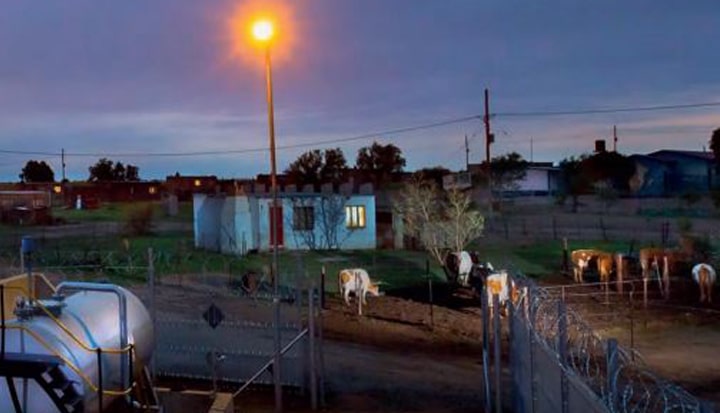
South Africa like many developing countries faces an acute power shortage. The lack of reliable access to electricity is an impediment on economic growth, investment and development. Anglo American Platinum is deeply rooted in South Africa, where much of the world’s mineable supply of platinum is found. As a mining company, we are aware of […]
A Problem of Delivery: How to Power a Continent

On the one hand sits an urgent need for the electrification of Africa, with power infrastructure alone requiring an estimated $27bn a year in capital investment. On the other hand sits the stark reality: only around 30 large-scale (over 40MW) grid-connected independent power projects (IPPs) are in operation across the whole of the continent. Plenty […]
The Inspiring Possibility of Baobab
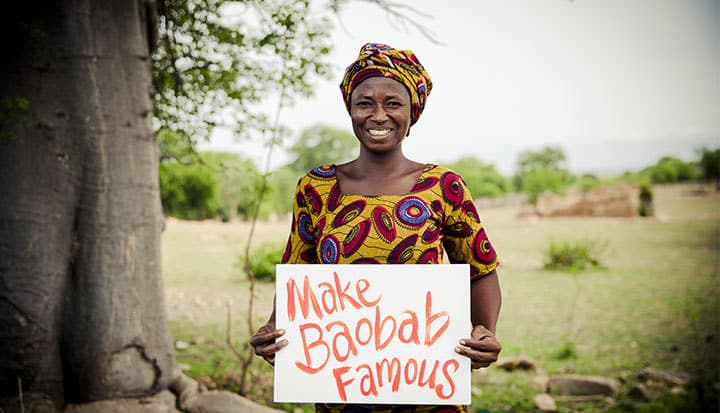
Twelve years ago I was working in the advertising industry, creating and launching brands for big multinational companies; investing all my energy promoting products l didn’t particularly believe in (like nasal decongestants and frozen ready meals) for people who were largely unappreciative. And I was thinking – what am I doing with my life? At […]
Using Power to Close the Equality Gap
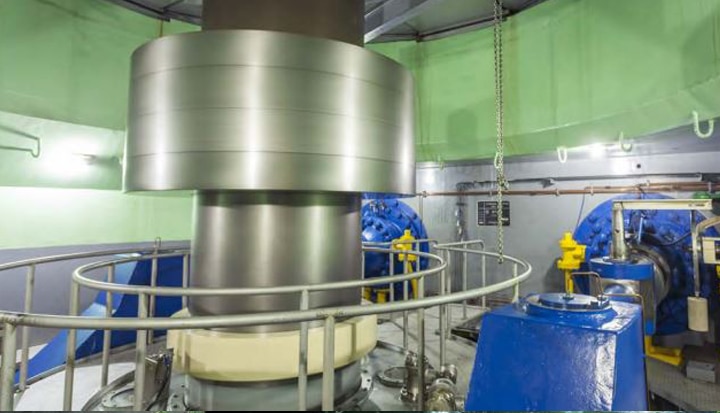
Dr. Mima S. Nedelcovych, President & CEO of the Initiative for Global Development Last year 1.2 billion people in the world lived without electricity, half of them in sub-Saharan Africa. A lack of reliable and accessible power often has debilitating social and economic impacts. Businesses cannot efficiently expand while hospitals and schools are unable to […]
Closing Africa’s Energy Gap

The International Energy Agency estimates that more than 620 million people in sub-Saharan Africa live without electricity. In two-thirds of sub-Saharan African countries, less than 50 per cent of the population has access to power, while the average energy consumption per capita of the region is not enough to continuously power a single 50-watt lightbulb. […]
Investing Directly in Water Resource Management
This leadership perspective is part of a series on the theme of creating business value and development impact in the WASH sector. The series and accompanying discussion paper are co-produced by Water and Sanitation for the Urban Poor and Business Fights Poverty. Water is central to The Coca-Cola Company’s business. Of course, water is the […]
Using Mobile Apps and “Big Data” to Combat Water Losses

This leadership perspective is part of a series on the theme of creating business value and development impact in the WASH sector. The series and accompanying discussion paper are co-produced by Water and Sanitation for the Urban Poor and Business Fights Poverty. As social technology becomes more prevalent, governments are looking for ways to be […]
Engaging Employees to Deliver on WASH Goals
This leadership perspective is part of a series on the theme of creating business value and development impact in the WASH sector. The series and accompanying discussion paper are co-produced by Water and Sanitation for the Urban Poor and Business Fights Poverty. In 2008, Diageo announced a slate of sustainability targets that cut across carbon […]