Eyes in the Sky: How Drones and Satellites Can Transform African Agriculture
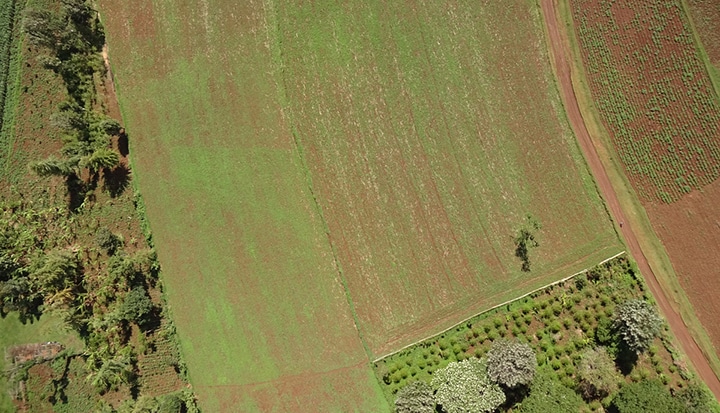
Across Africa, millions of smallholder farmers employ hard work and limited resources to coax their harvests from the ground. It’s a challenge for many of these farmers, because they often lack the information necessary to determine how to most effectively use their resources. But what if every farmer knew exactly what each of her plants needed—the […]
Child Labour in Cocoa: Why It’s So Hard to Combat and What We’re Doing About It
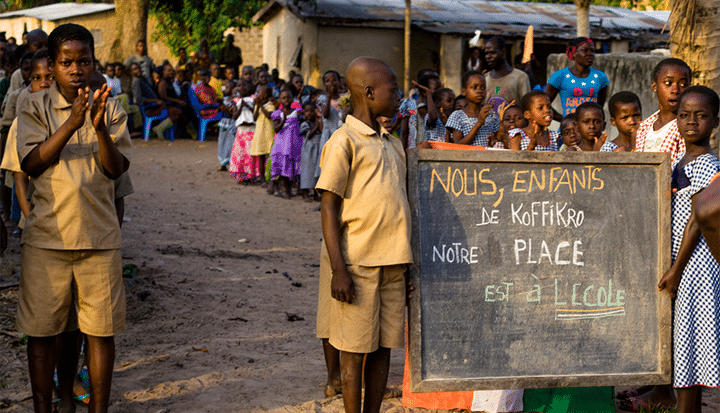
60% of child labour is in the agricultural sector. That’s a staggering fact made only more concerning when you learn that in West Africa, where 70% of the world’s cocoa is sourced, 2.1 million children work in cocoa fields. This is an issue which agribusinesses like Olam – along with our peers, customers, NGOs, and international […]
Boosting On-Site Sanitation in Urban Kenya and Nigeria: Four Consumer Realities

Mary Anyango, a 34-year-old resident of the Korogocho slums in Nairobi, works in a food processing company as a packer, earning 88 USD a month. After late hours at work, she returns to the 10 x 12 feet one-bedroom home that she shares with her husband and three children. The house sits on a compound […]
Investing In The Energy Transition
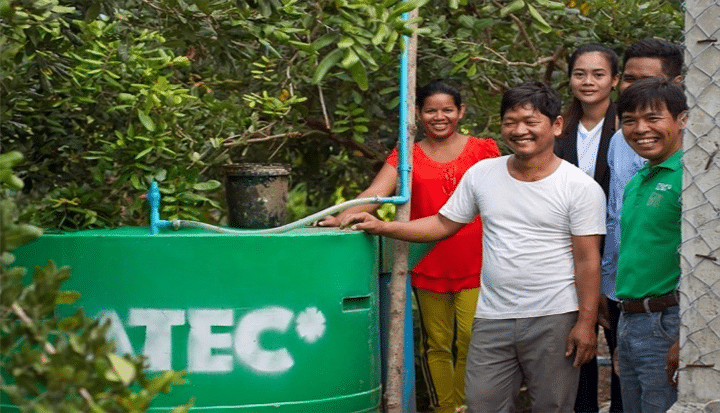
Innovators and entrepreneurs are working to speed up the transition towards clean and renewable energy sources, but many of the innovative clean energy projects have trouble raising the finance to turn their ideas into reality. This was the case for ATEC, a social enterprise in Cambodia which has developed appropriate technology to address the health […]
Bringing Business Back Home: Biomass Energy of Sri Lanka

In 2006, my London-based publishing house, Dakini Books, published the critically acclaimed ‘Global Warning – The Last Chance for Change’, Paul Brown’s fact-based book on climate change and its consequences for the planet and humanity. This book gave me phenomenal insight into what to expect in the next 20 years, and more importantly what we need […]
Meet the Longlist: Unilever Global Development Award, Supported by Business Fights Poverty
For the fifth year in a row, Business Fights Poverty is partnering with Unilever and Business in the Community on an award that recognises businesses that demonstrate positive impact against one or more of the SDGs Business has a key role to play in helping drive progress on ending poverty and protecting the planet. More […]
From Gender Lens to Inclusive Impact Investment

Defining impact by destination… A significant component of impact investment’s raisson d’etre is the promotion of economic development. But not just any investment qualifies as impact investment by contributing to economic development- an oil rig or a tobacco company can catalyze demonstrable GDP growth and job creation but are rarely classified as impact investments. […]
Helping Refugees Move From Crisis To Resilience and Self-Reliance

It is estimated that, on average, a refugee spends over a decade in exile. This means that many refugee children, who make up more than half the world’s refugees, will spend most of their childhood in exile, jeopardizing their education and access to future economic opportunities. For millions of refugee adults, decades of displacement have […]
Mapping Lives with Refugees
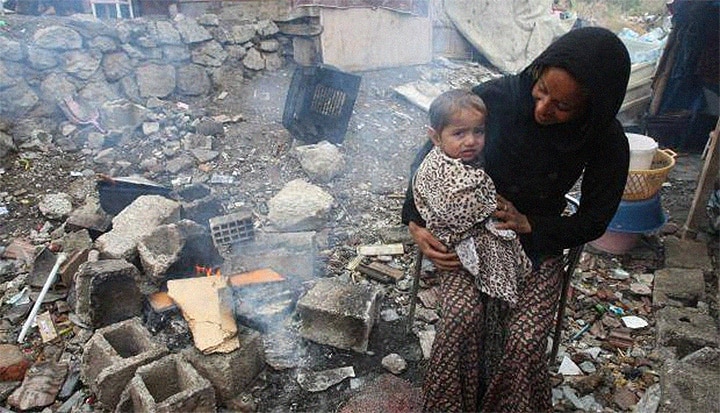
Do you decide to try and reach Europe by any means necessary? So begins the Guardian’s online interactive, “The Refugee Challenge.” You play as a widowed mother of two who must escape the airstrikes in Syria and make your way to Europe, where you can attain asylum. While the victories and setbacks you encounter mimic choose-your-own-adventure novels, the […]
Charting a Course for Robust Private Sector Engagement
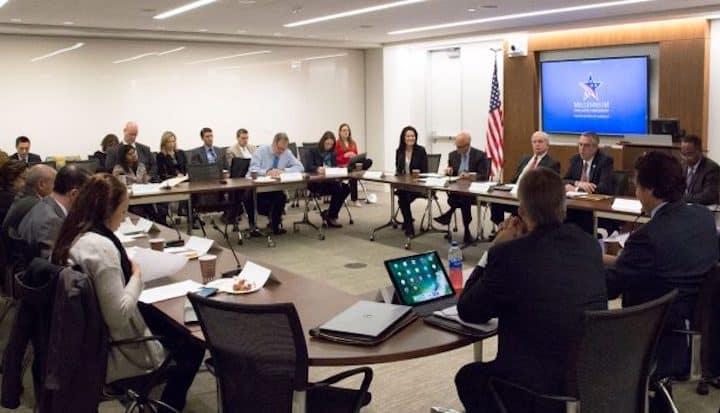
Since its inception, MCC has sought to engage the private sector as a key part of its mission of “Reducing Poverty Through Economic Growth.” Now in its 14th year, the agency has a strong foundation of experience and best practices gleaned from working with the business community to build upon. Yet how to best draw […]
Making Payment Acceptance a Driver for Financial Inclusion
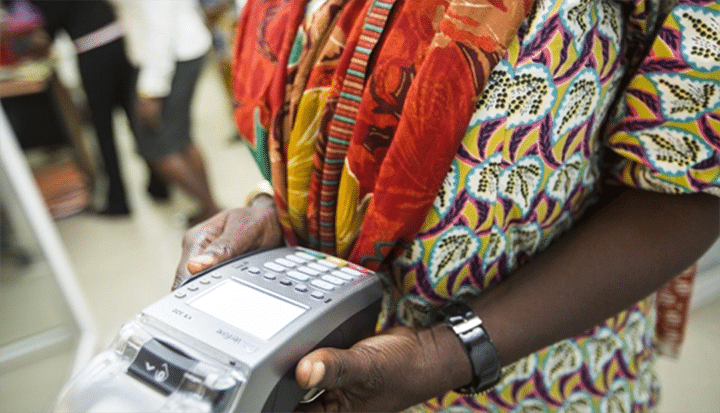
Ten years ago, 85 percent of the world’s transactions were in cash and checks, and 2.5 billion people were unbanked. Since then, we’ve all been working hard as an industry to develop technology that will give the unbanked access to the world of digital payments. Mastercard has connected more than 360 million people to formal […]
Sustainability Standards Embrace GIS Technology
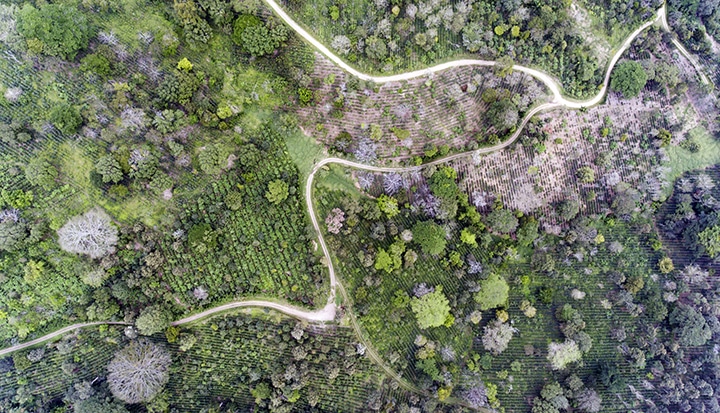
The exponential growth in the use of Geographic Information Systems (GIS) for sustainability is not surprising. It is a technology that becomes more powerful the more people use it, and it offers the sustainability community a straightforward and universal platform to come together and build on each other’s work. GIS is not new to sustainability […]
Virtual Exchange: Students Collaborate to Tackle Social Enterprise Challenges in the Middle East

“I’ve never worked with people from so far away. M²GATE gave me the opportunity to work with people from another culture. I enjoyed it a lot,” said Ryan Berg, a freshman at the Ross School of Business at the University of Michigan at the final session of Cohort 1 of the M²GATE program. M²GATE is […]
Why Retailers are Uniting to Tackle Climate Change

The products we can buy today may not be available to us in the future unless action is taken to address the most pressing global challenges facing us. Take a simple cotton shirt for example. Cotton production is being hit by environmental impacts such as climate change and water scarcity, social challenges in production such […]
Engaging the Private Sector for Development Results in Indonesia
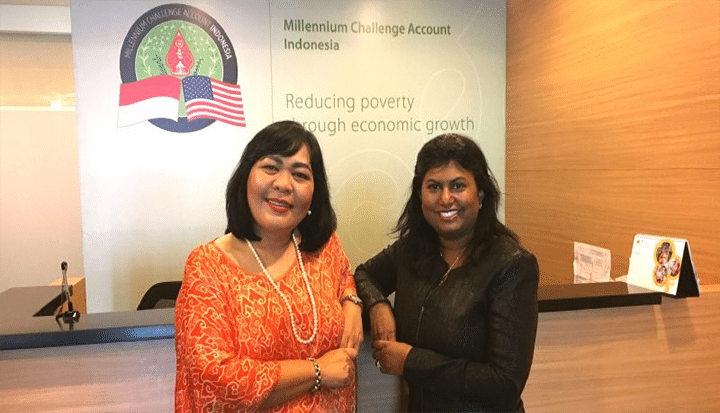
Last month, I had the great pleasure to meet Bonaria Siahaan who heads the Millennium Challenge Account-Indonesia, the locally led and staffed entity implementing the MCC’s Indonesia Compact in the country’s bustling capital Jakarta. From procurement modernization to maternal and child nutrition to energy efficiency, Bonaria and her team are working on innovative projects making a real difference in a […]
Are Standards an Effective Tool to Help Improve Production Practices Across Sectors?

As businesses increasingly strengthen their sustainability policies in line with the 2030 Sustainable Development Goals (SDGs), many are deepening their sustainability commitments. We know from an AidEnvironment review published last year that upstream and downstream businesses benefit in many different ways from working with sustainability standards, for example, 98% of studies reviewed show improvements in sales and […]
5 Ways Local Markets Help Refugees Rebuild Their Lives
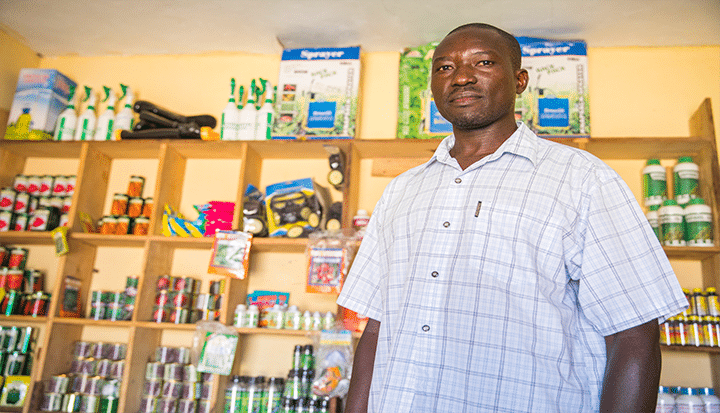
For four years, Uganda’s neighbour, South Sudan, has been at war with itself. This has resulted in two million people having had to flee their country, including one million to Uganda. 80 per cent of these are women and children. They are families who have lost loved ones, their homes, their land and their livelihoods, […]
Affordability – Beyond the Buzzword
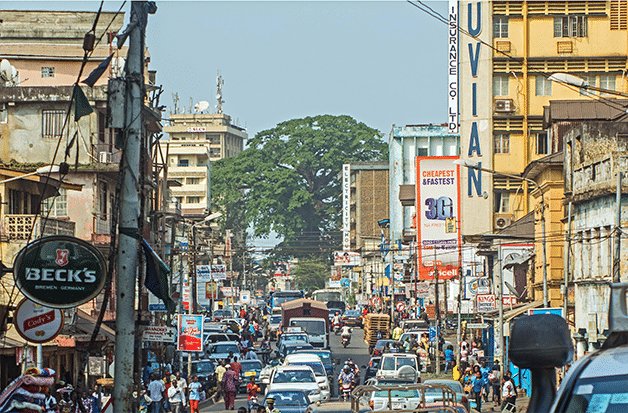
Affordability is at the core of much of our work as impact investors – from affordable electricity to housing, food, healthcare, education and many more. Yet ask someone to define what it means, and you may be met with little more than a blank stare. We recently conducted a straw poll of 20 impact investment […]
Women Working to Improve Sanitation and Hygiene
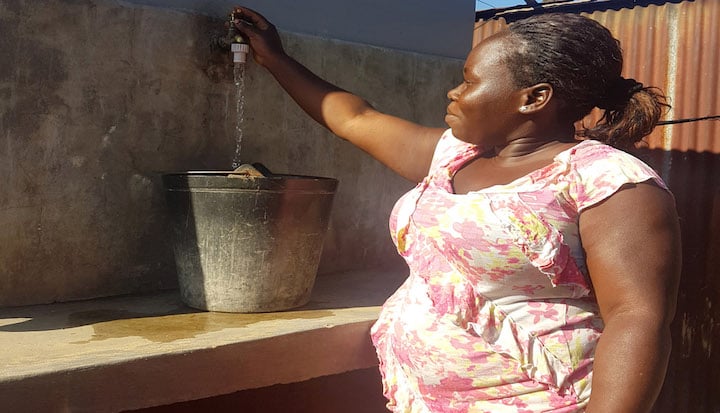
Poor sanitation in the peri-urban areas of Maputo, Mozambique, has a disproportionate impact on the lives of women. But women are also playing a key role in tackling the challenge. “We had a precarious latrine that over the course of time became damaged, and collapsed due to heavy rains,” recalls Rute Rodrigues (pictured above), a […]
Women Sea Salt Producers in Indonesia Cooperate to Seize New Economic Opportunities
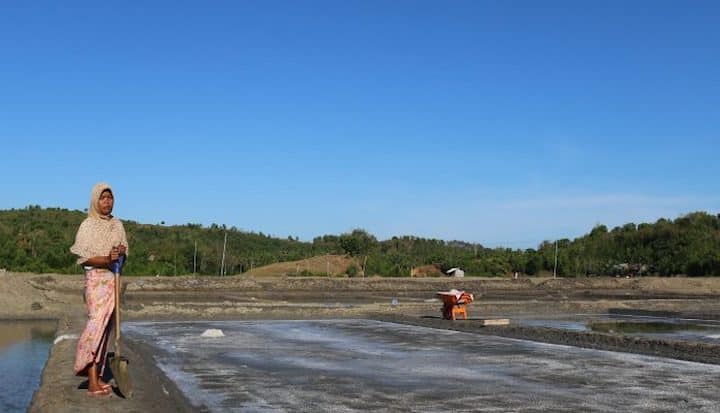
Traditional sea salt production has been practiced on the island of Lombok in Indonesia’s West Nusa Tenggara province for generations. It is labor-intensive work generally done by poor women like Mini Asmayanti. Mini earns less than $2 a day. This modest income, along with that of her husband, a fisherman, provides for them and their […]