Better Coffee, Better Prices: Improving Farmer Livelihoods through Quality Improvements
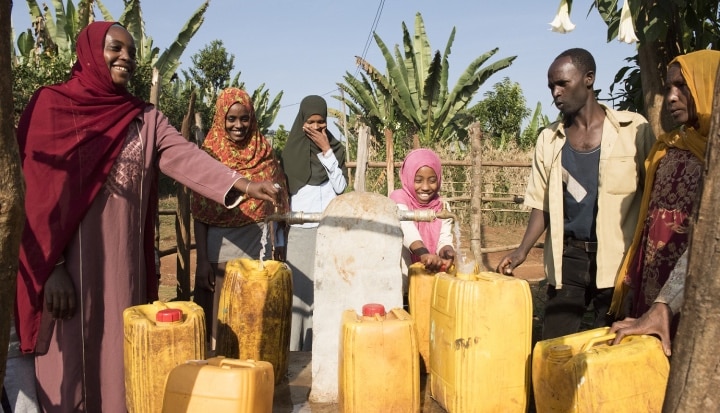
The hillsides surrounding Besheshe village in western Ethiopia are covered in coffee gardens and wild coffee trees growing under the forest canopy. Generations of farmers there have depended on this coffee to eke out a living. The varietals near Besheshe are unique, with the potential to produce the kind of flavors that discerning coffee drinkers […]
How a Sustainable Coconut Oil Project Improved Livelihoods for Smallholder Farmers in the Philippines and Indonesia
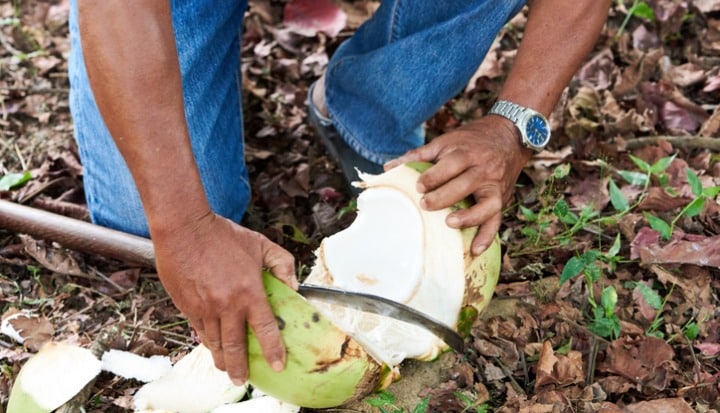
In Indonesia and the Philippines – world leaders in coconut production and exportation – most farmers are smallholders that struggle with lack of financing and training. Poor agricultural practices led to aging plantations and declining yields and incomes. Beginning in 2011, Cargill identified an opportunity to use its unique position to deliver solutions that would […]
How a Sanitation Waste Partnership is Transforming Cities in Bangladesh
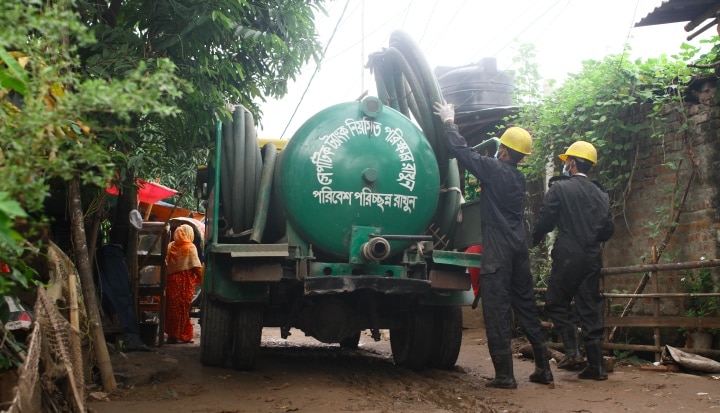
SWEEP, a simple yet highly effective public-private partnership model, was launched in 2015 in Dhaka. This model has enabled the private sector to enter the sanitation market, which they previously viewed as high-risk and low-margin, and entrepreneurs can now deliver profitable waste collection services. Watch our new film on SWEEP here: https://youtu.be/mCI-yVtRV0Q The model addresses […]
The Partnership Re-Imagining the Rice Value Chain in Nigeria
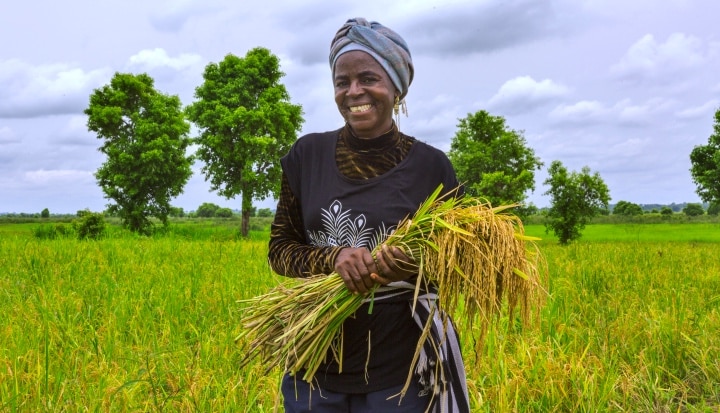
The Value Chain Development Program (VCDP) is a partnership between the Federal Government of Nigeria, IFAD and Olam. It works to connect smallholder farmers to markets, land, credit and other agricultural support to improve productivity, the quality of their produce and their linkage with agro-processors for the buying of this produce. In turn, this supports […]
Self Devouring Growth

We all know that the dividends of growth and progress have not been adequately shared with people living at the bottom of the pyramid. Growth has disproportionately and negatively affected people in poor locales, or it will do so in the decades to come. Lower income communities and the Global South will be least resilient […]
Five Questions on Partnership with the Pollinate Group
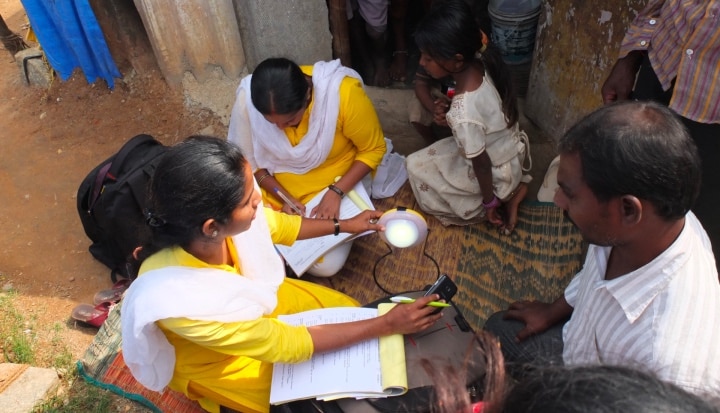
1.What is Pollinate Group’s business model? Pollinate Group is a social enterprise with a mission to empower women as leaders of change to distribute products that improve health, save time and save money for the world’s most neglected communities. It was established in Bangalore in 2013, and later expanded to Hyderabad, Kolkata, Kanpur and Lucknow. […]
How Tech Investments Can Help Smallholders in India
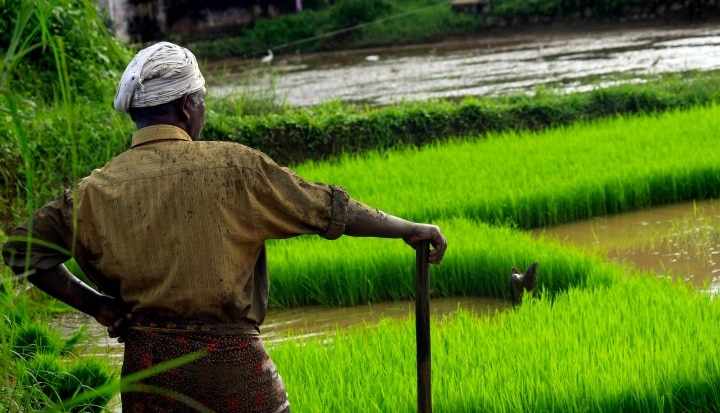
Inequality in income and availability of work between rural and urban areas are large contributors to a country’s overall economic inequality. In India, agriculture still employs more than half of the workforce, but wages are low and with rising education levels many young people no longer aspire to take over the family smallholder farm. Instead, […]
Buy Leadership, Sell Poverty – How Finance Can Boost Value in Agricultural Supply Chains
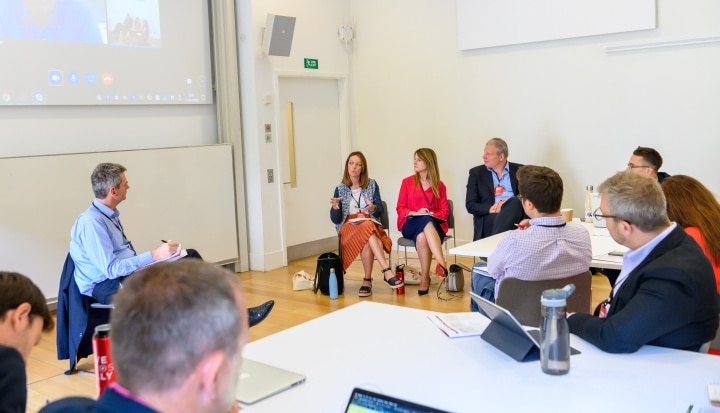
Financial access and inclusion continue to be sold to farming communities in the world’s leading supply chains at the very price of poverty. How do we reduce this toxic trade-off, why is it taking so long and how does it impact the planet’s future? Tasneem Mayet, Business Fights Poverty Ambassador, shares insights from conversations had […]
The Coffee Price Crisis: How to Support More Sustainable Livelihoods for Farmers
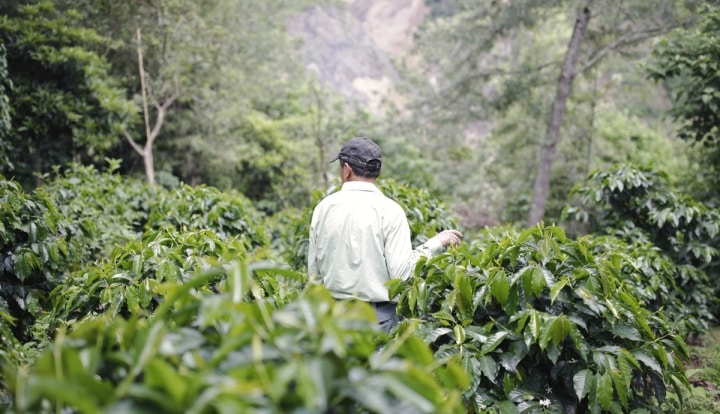
The world is starting to wake up to the difficulties facing coffee farmers. As global prices hover near historic lows, the media has shared stories of coffee growers struggling to keep their farms afloat or abandoning their crops to seek other sources of income. Governments, international organizations, private companies, and nonprofits have made public calls […]
In Memoriam: Tribute to Paul Polak – Market-Based Development Pioneer 1933 – 2019

We were greatly saddened to hear the news of the death of Paul Polak, a pioneer of market-based development, on 10 October 2019. Paul’s mission was to inspire a revolution in how we tackle poverty – showing how market-based approaches to development can benefit the 2.7 billion customers who live on less than $2 a […]
Bringing the Lessons of Clean Sanitation Home
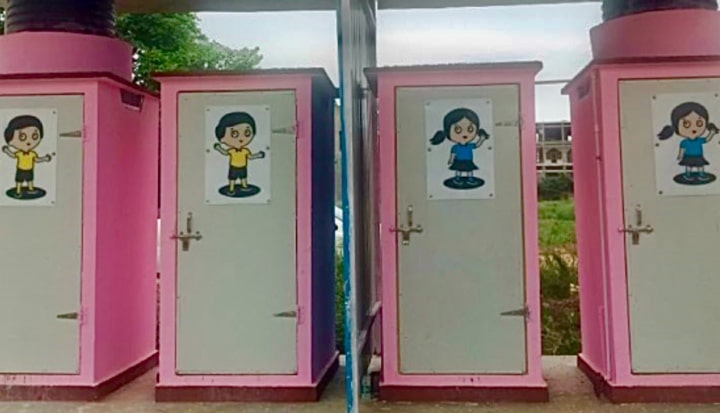
Banka BioLoo, which produces environmentally-friendly bio-toilets, looks to the communities where its products are present to measure how they’re improving lives by raising hygiene and sanitation standards in children’s schools Having access to clean toilets is not just a basic human right – it’s also a health necessity. But in India, nearly 50 million people[1] […]
From Suicidal Depression to Social Entrepreneur: Creating a New $bn Industry for Rural Africa
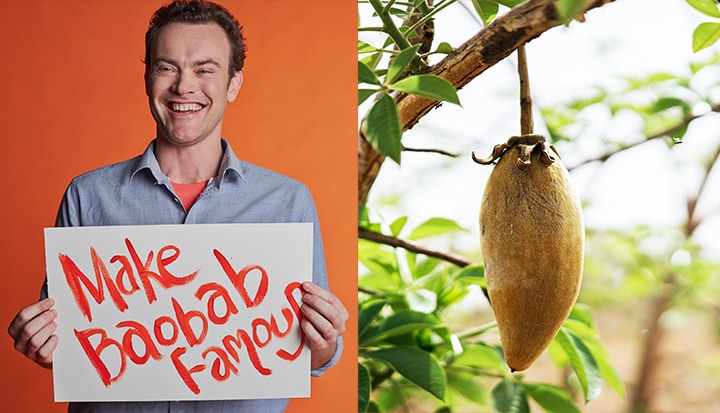
15 years ago I was working in the London advertising industry, promoting products I didn’t believe in for clients who didn’t appreciate it. I ended up asking myself ‘What am I doing with my life?’ The lack of a sense of true purpose and meaning in my life lead me into a downward spiral and, […]
Applying Experimental and Quasi-Experimental Methods in Cocoa Sustainability Program Evaluations
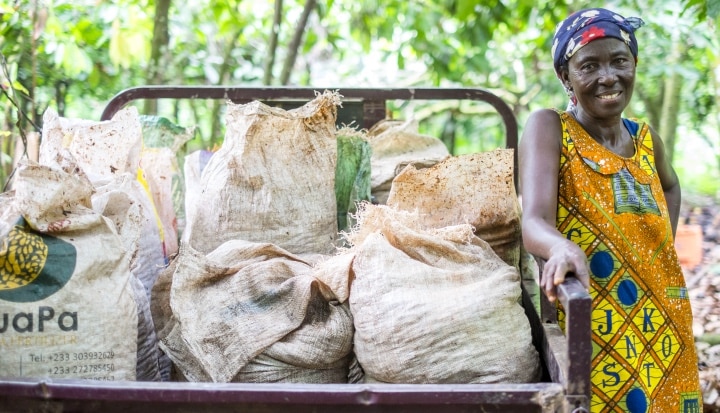
Working out whether or not your sustainability program is having the impact you intend is more complex than you might think. There’s heated debate among academics and practitioners around how to do it best, much of it pointing out that designing a perfect measurement methodology in theory is a lot more straightforward than applying it […]
How Can the Healthcare Sector Leverage its Economic Power to Address Climate Change?

Towards a roadmap for Climate-smart Healthcare in Europe Healthcare contributes with ~5% to global greenhouse gas emissions through energy consumption, transport, and product manufacture, use and disposal. The lion’s share of emissions come from the healthcare supply chain – the production, transport, and disposal of goods and services, such as pharmaceuticals and other chemicals, food […]
Six Lessons: Learning from Impact Evaluation in Cocoa Farming
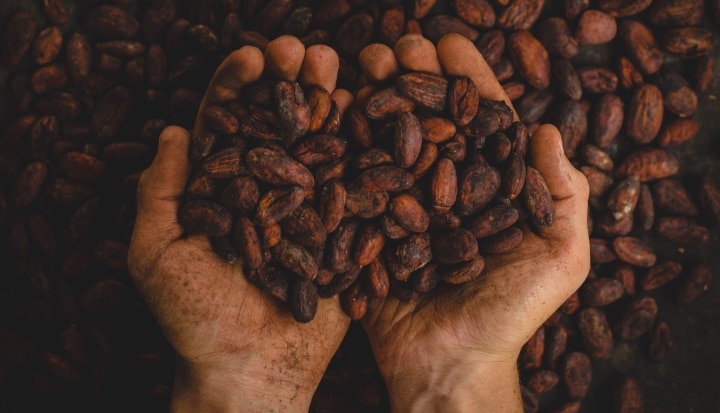
Understanding the impact of development interventions is a complex process. From picking the most suitable measurement and evaluation (M&E) methodology, to designing a suitable plan for implementing it in the field, there might appear to be endless hurdles to the uninitiated. Mondelēz International’s cocoa sustainability program Cocoa Life works with Ipsos as an M&E partner. […]
We Finally Have an Official Climate Emergency. But is that the full picture?
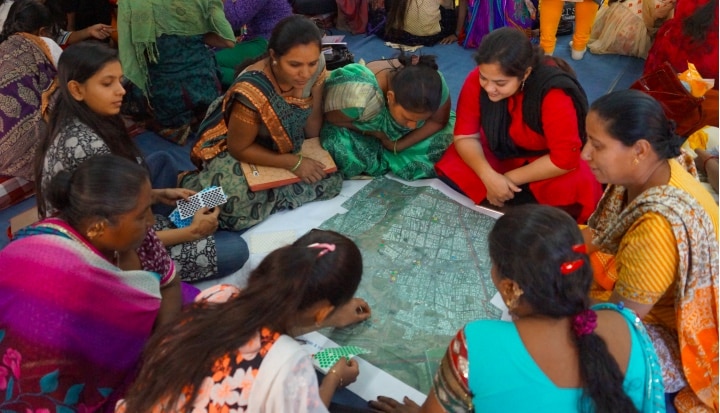
We are just midway through the year and yet 2019 has already seen several unprecedented weather events from Cyclone Fani, which evacuated more than a million people in India, to the two storms that devastated the Mozambican coast. These disasters have thrown into sharp focus just how much climate change is compounding our already complex […]
PREVIEW #BFPOXFORD Keynote Profile: Monique Ntumngia, Winner of the Visa Everywhere Initiative
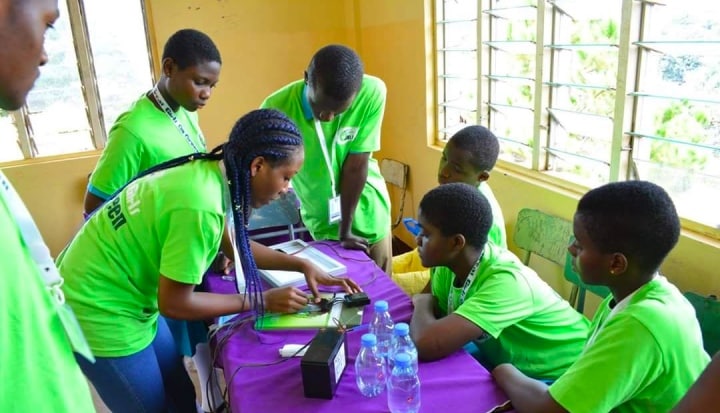
“But Madam, we do not have lights; how are we going to be able to study at night? “When we go into the bushes to search for firewood for cooking, we usually get raped. Madam, we need this to stop.” Aminata, the leader of a group of Muslim girls, presented these questions to my team […]
The Journey of Total to Inclusive Energy Solutions
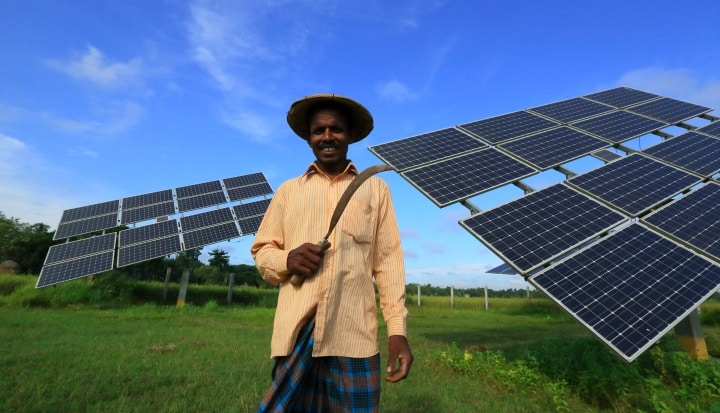
Over the last decade, many multinational corporations (MNCs) have attempted to set up inclusive businesses of one kind or another, with varying success. Despite good intentions and the investment of significant resources, few of these pilots have been successful and an even smaller proportion has reached significant scale. Conversations with the intrapreneurs who have been […]
Doing Nothing is Not an Option
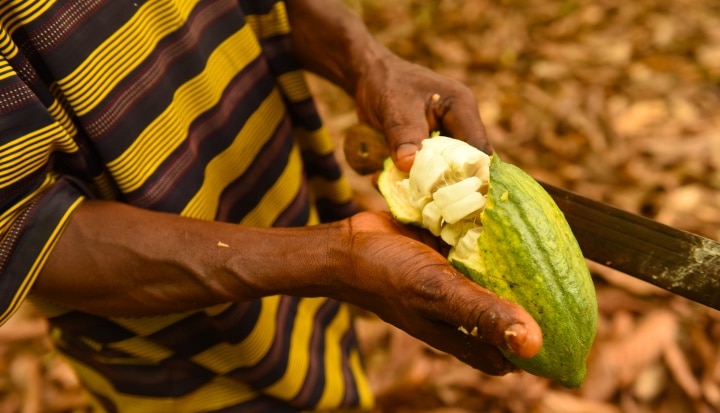
Kristin Komives, ISEAL’s Impacts Director spoke to Arjen, the opening key note at this year’s Global Sustainability Standards symposium, to hear his opinion on what’s needed to have a real positive impact. Companies, and the sustainability standards and NGOs that work with them, need to always be thinking about how they can make a positive […]
The Business Case for Climate-Resilient Agriculture
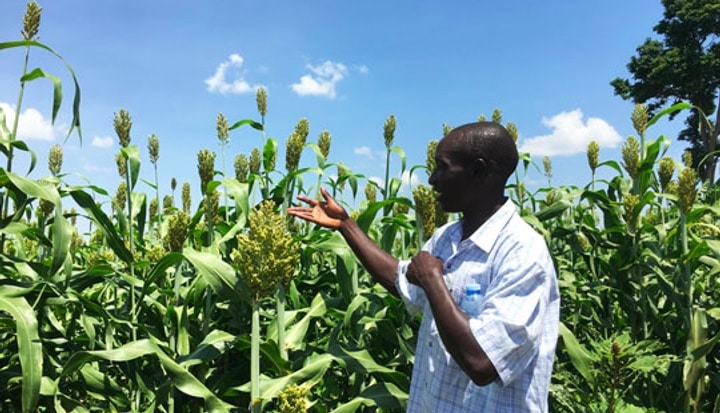
In 2018, the World Economic Forum ranked extreme weather events and natural disasters as the top two global risks for businesses in terms of likelihood. Modern supply chains rely on complex and increasingly interconnected global networks, leaving both companies and producers around the world vulnerable to climate threats. But climate change is a local issue just as […]