
Regenerative Agriculture: Growing Pains
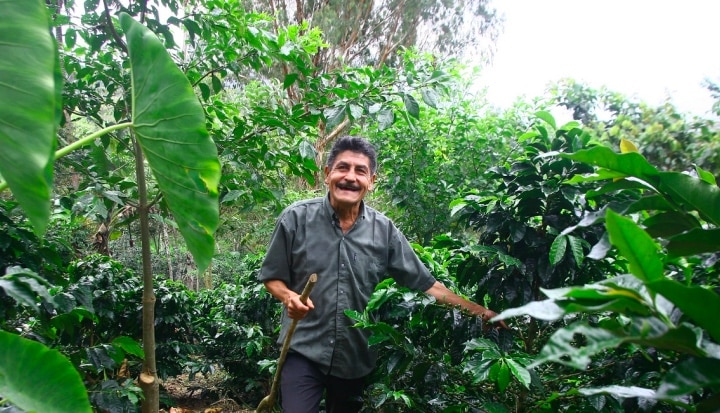
Agriculture is not working for people or the planet. The statistics are startling. 78% of the world’s poorest people remain reliant on agriculture, 33% of the world’s soils are degraded (a figure that could rise to 90% by 2050) and agriculture contributes to about a quarter of global climate emissions (stats from the World Bank, […]
New Learning and Insights Paper: Enhancing the Livelihoods of ‘Hidden Women’ in Global Smallholder Value Chains
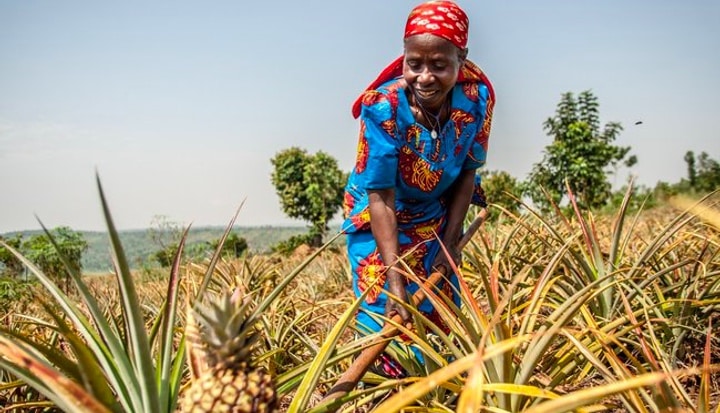
Over a quarter of the world’s population make a living farming and working on small areas of land. Nearly half are women, who make crucial contributions to food security, livelihoods and global value chains. As a group, smallholder farmers remain among the world’s most vulnerable populations, facing precarious livelihoods and a disproportionate level of risk […]
Living Wages: Lessons Learned from a Decade of Oxfam’s Work
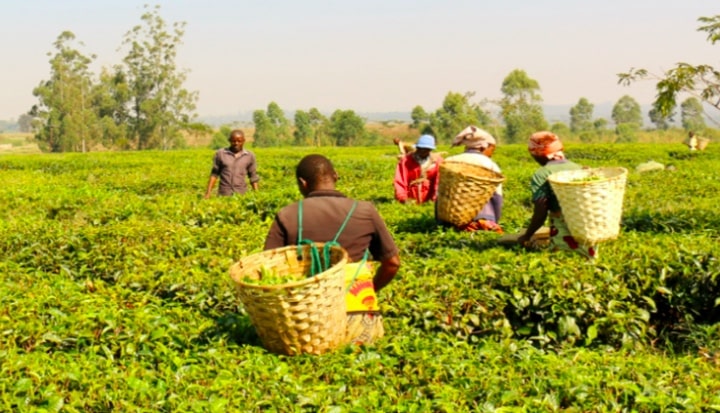
Living wage has been a key focus of Oxfam’s work on labour and human rights. We published a series of briefing papers that captured common challenges and promising solutions. Living wage has also been part of the scorecard indicators for Oxfam’s Behind the Brands and Behind the Barcodes campaigns. Importantly, we have worked with companies […]
The importance of ‘tri-partite’ partnerships between business, NGOs and government
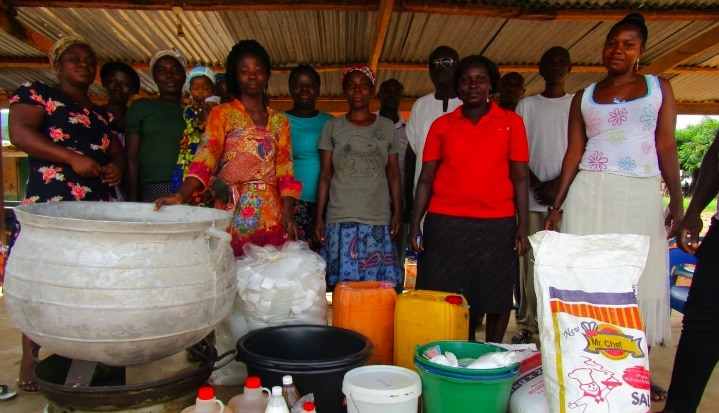
In the middle of 2020, Fairtrade and Mondelēz International expanded their existing partnership to include the UK Foreign, Commonwealth and Development Office (FCDO), winning a one year grant from the Business Partnerships for Global Goals (BP4GG) programme[1]. The three partners collaborated to launch the Cadbury Farmer Resilience Fund, designed to accelerate and deepen existing work […]
Transitioning to net zero whilst economically empowering women in supply chains
The climate crisis is accelerating faster and is more severe than previously anticipated – to avoid the destructive consequences of a world warmed by more than 1.5°C, we must decarbonise the global economy to reach net zero by 2050. At the same time COVID -19 and measures to prevent its spread are driving a disproportionate […]
Responsibility in rum
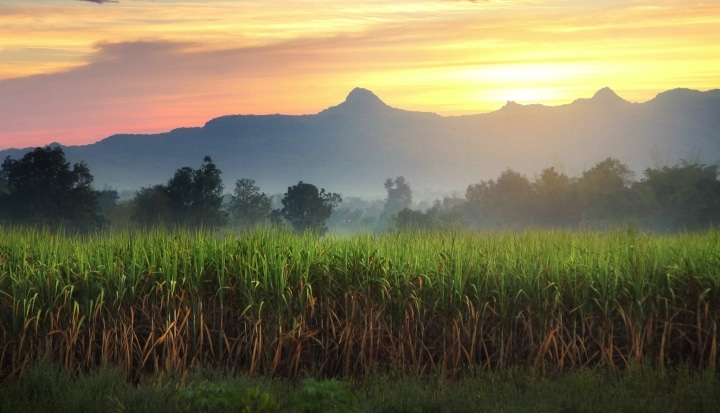
A stormy history It’s widely believed that rum as we know it today, was first distilled on sugarcane plantations in the 17th century. The history of sugarcane and its by-products, including rum, is closely entwined with the slave trade. Enslaved people were made to grow and cut sugarcane in appalling conditions, work tirelessly to ferment, […]
An innovative use of a traditional technology: how can we ensure Farmer’s Voices are heard?

More than 80% of the world’s farms operate on less than two hectares of land[1] and the smallholder farmers who work on them are essential partners in international supply chains. Yet even before the COVID-19 pandemic, smallholders were facing increasing challenges from climate change, intensive cultivation and degraded land, invasive pests and disease, poor infrastructure, […]
Business Fights Poverty Fortnightly Round Up
Alongside the many incisive contributions made by members of our community at last week’s Business Fights Poverty Global Summit 2021, we are delighted to be able to showcase practical insights and examples of action through our published content. Articles Our recently-published articles explore key trends that require a robust business response; how companies can support decent […]
A Week of Inspiration and Insight at the Business Fights Poverty Global Summit 2021
It was inspiring to witness the extent of our collective energy and expertise at the Business Fights Poverty Global Summit 2021. This five-day event, held from 21-25th June, brought together over 80 speakers with more than 1000 registered participants to celebrate the successes of our members; share insights and lessons learned; and build our resilience. […]
Leveraging the Power of Small Agricultural Businesses to Address Climate Change and Gender Inequity
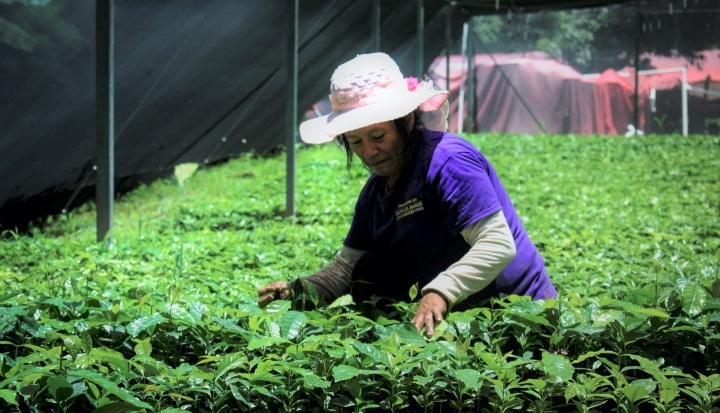
Globally, women farmers struggle to access land, credit, and training and bear a heavy double burden of farm and household responsibilities. These gender inequalities pose a serious risk to women farmers in the face of climate change. Growing evidence shows that women’s limited access to farm assets, services, and decision-making power makes them more vulnerable […]
Taking a people-centred approach to climate action in cotton farming
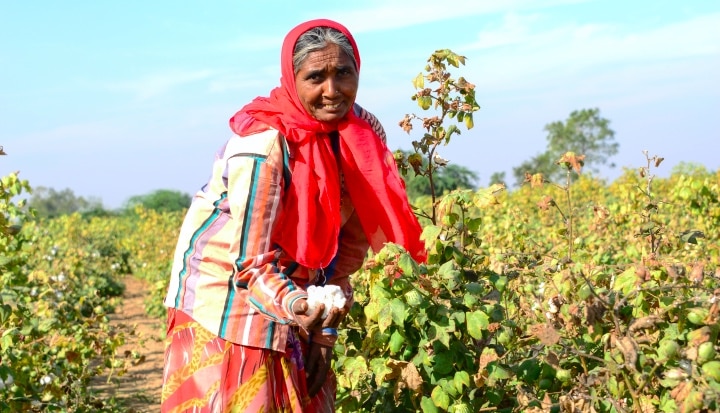
While the clock ticks every second, the global climate continues to change… Humankind has faced the brunt of unprecedented climatic events in the past decade. As the impending harsh future looms large, it will be a difficult environment for humans and businesses, unless collective steps are taken to build an equitable and resilient future, in […]
Empowering action towards improved livelihoods
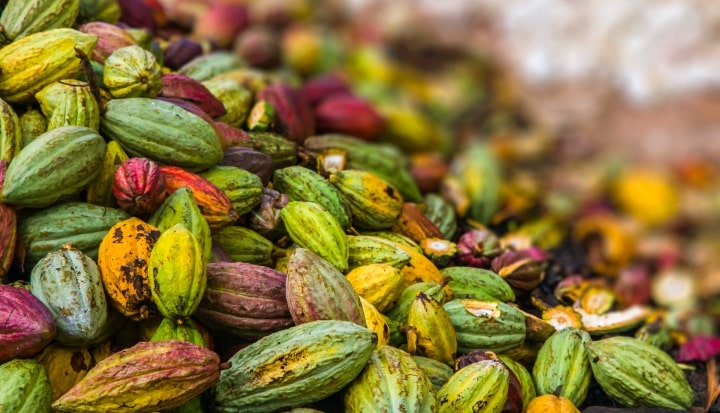
We often talk about system-level change to address root causes of poverty and the imbalance of risk. This requires us to unite in different and creative ways. The Living Income Community of Practice motivates actors across sectors to help close the income gap, so that smallholders can earn a decent standard of living as a […]
Activists Propelling us Toward Climate Justice

As I follow the news related to climate change these days, one Native American proverb has been ringing in my ears, “We do not inherit the Earth from our ancestors, we borrow it from our children.” Faced with the growing threat of climate change, from heatwaves and frequent wildfires to rising sea levels, we are […]
VIDEO: How can companies better integrate their social and environmental agendas
Dr Sally Uren is the Chief Executive at Forum for the Future, a leading international sustainability non-profit, working with business, governments and civil society to accelerate the shift toward a sustainable future. In this session, Dr Sally explained how businesses can better integrate and embed social and climate innovation across their operations. Also, she listed […]
Unpaid and unrecognised – tools and examples on how business can tackle invisible labour.
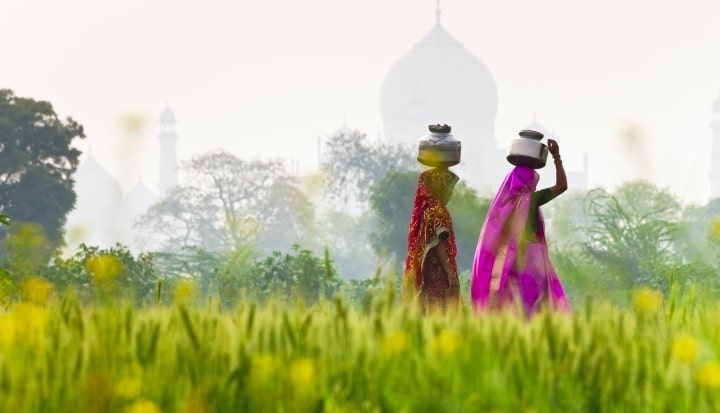
At a time of global economic downturn, when record numbers of women have lost their jobs and with more women than ever having to juggle paid work and unpaid care responsibilities, taking action to support these women and recognise their work has never been more urgent. The excessive amount and unequal distribution of this invisible […]
Announcing the launch of the GSMA Innovation Fund for Digital Urban Services
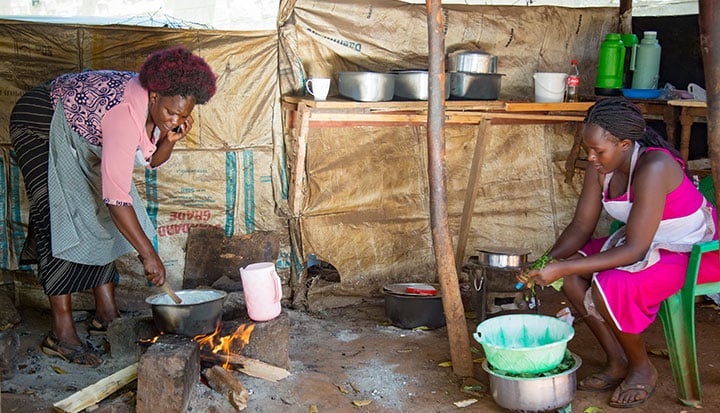
Urban services such as plastics and waste management, energy, water, and sanitation are essential to well-being and the creation of more circular economies. While the historic rise in mobile connectivity in low- and middle-income countries (LMICs) has helped drive social impact and contribute to economic growth, billions of people still lack access to these basic […]
A New Report Shows How COVID-19 Has Challenged Farmers and Entrepreneurs. Here’s How the Private Sector Can Help.
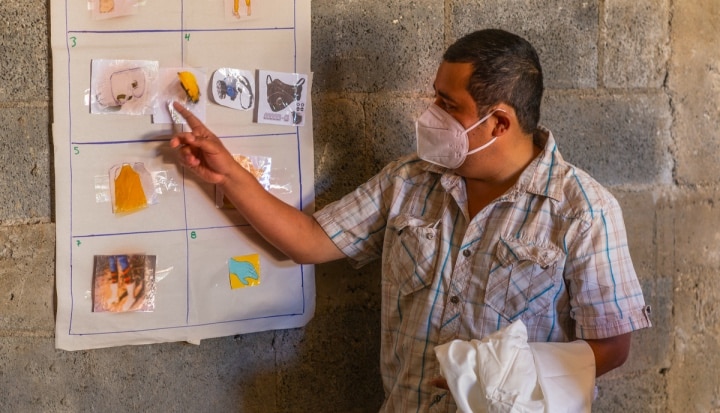
When COVID-19 began to sweep across the world a year ago, it became clear that farmers, agribusinesses, and entrepreneurs in Latin America, Africa, and South Asia would face disruptions to their livelihoods. But to effectively respond to the crisis, it was important to know exactly how they were being impacted: which challenges were affecting them […]
Where are children and young people in business’ action to tackle climate change?
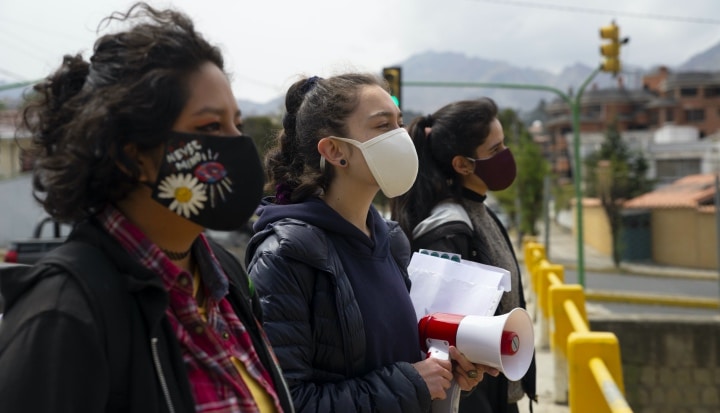
Children are powerful. In recent years, we have witnessed their strength courage and resilience, as they have spoken up time and time again about how climate change is affecting their lives. How it is affecting their futures. From leading protests calling on world leaders to act on climate change to writing to companies to adopt […]
Digital Dividends in Plastic Recycling
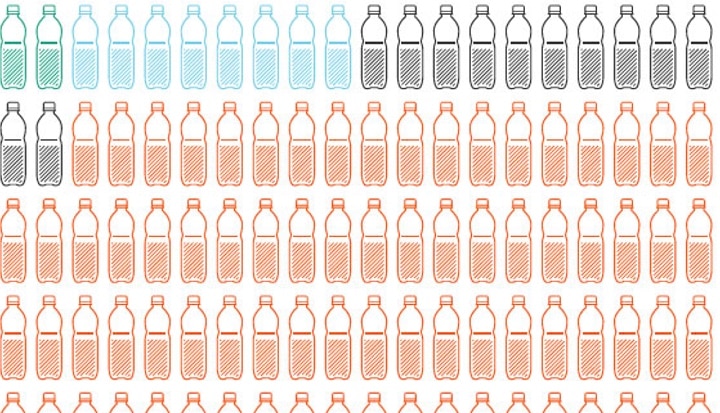
Plastic is an integral and valuable part of the global economy, and is used in thousands of products that add comfort, convenience and safety to our everyday lives. It supports innovation in medicine, lightens cars and airplanes (saving fuel and, therefore, emissions), extends the life of fresh food and delivers clean drinking water to billions […]
Sea freight strengthens Kenya-to-Europe flower supply chain
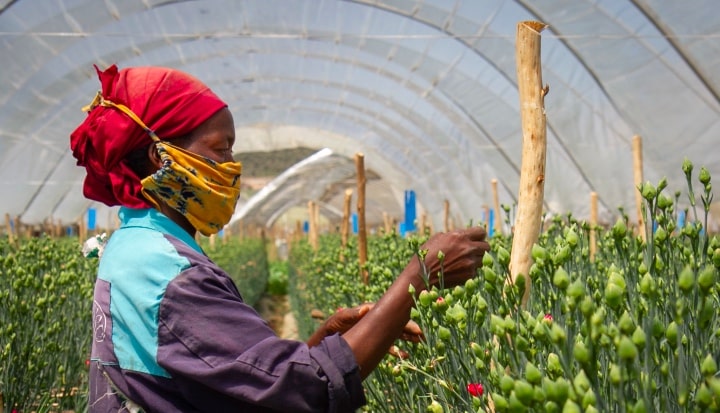
When the COVID-19 pandemic struck, global supply chains were hit hard, affecting millions of workers across the globe. In the Kenyan floriculture sector, the subsequent 25-40% air freight reduction has meant lower export rates, a supply slowdown, and loss of jobs for thousands. At FlowerWatch, we’re involved in a project of the United Kingdom’s Foreign, […]