Practical Action and the IKEA Foundation: Can Small Holder Farming Really Work for Some of the World’s Poorest?
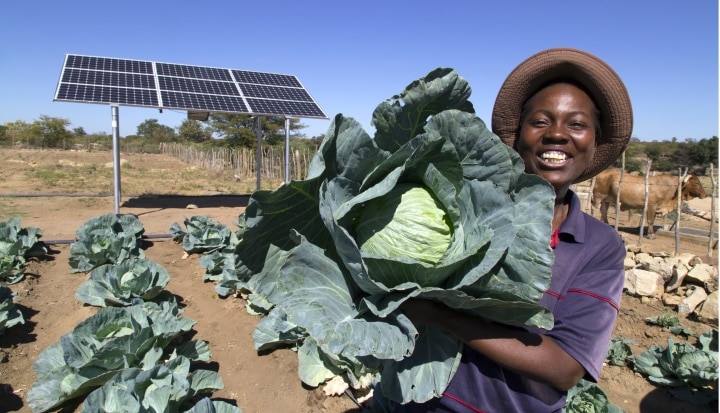
Practical Action and the IKEA Foundation have launched a new partnership. Worth €6.4 million, the partnership will help rural people in Kenya earn a decent income from farming. Together, we want to break the cycle of poverty in rural communities. In the Lake Victoria basin of Kenya, farming is the main source of income for […]
Water-Wise Coffee: Making Sustainable Business Profitable in Ethiopia
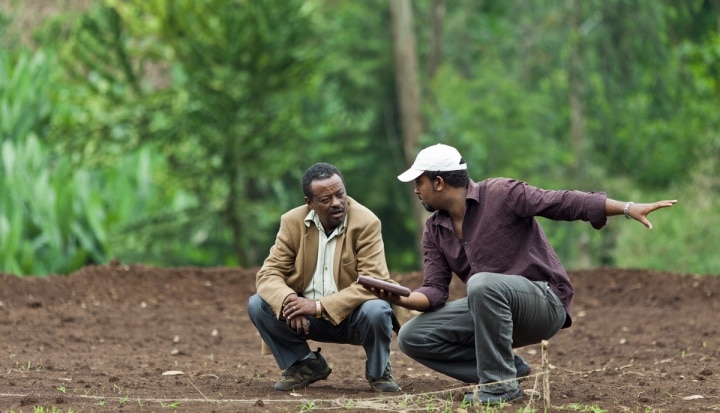
Community members in the Aleta Wondo district of southern Ethiopia had a problem on their doorstep: their river was polluted. The students of Habaja Primary School, built on its banks, complained about the river’s smell and that they couldn’t use it for gathering water or washing. Their parents in the surrounding communities also struggled, as […]
Fashion has a Huge Waste Problem. Here’s How it Can Change

The biggest trends in fashion today are ones no one wants to be seen in. They include vastly increased clothing production and declining use, massive levels of waste and more greenhouse gas emissions than international shipping and flights combined. In the last 15 years the industry has doubled production, while the time clothing is worn […]
WE SOLVE: A Unique Partnership Creates Jobs for Women and Breaks the Barriers to Clean Energy
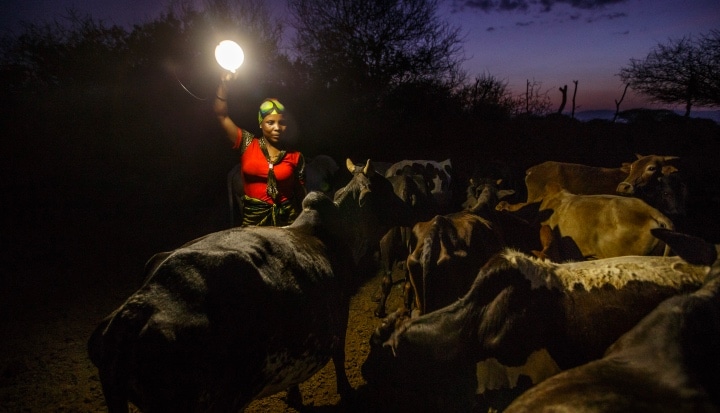
The Arusha region is home to Tanzania’s nomadic Maasai and other communities who farm and herd in the plains around Mount Meru. Communities here face life without light as soon as the sun sets, meaning that kids can’t play in the streets or study and families are often dependent on expensive and toxic fuel-powered resources […]
We Learned Simple Ways to Improve the Local Environment and Our Income
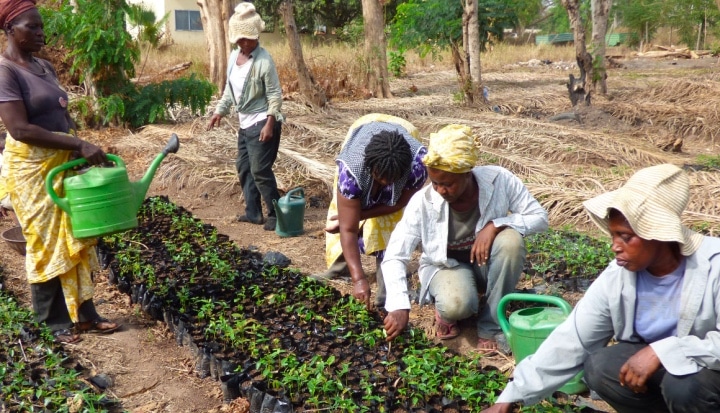
In the Nawa region in Côte d’Ivoire, Mondelēz International’s Cocoa Life partners with Impactum and CARE International to engage women and address climate change and deforestation through a Green Entrepreneurship pilot project. They are helping women learn the knowledge and skills needed to create a sustainable future for cocoa farming communities, and generate income for […]
Forests, Farmers and Cococa: Getting the Balance Right
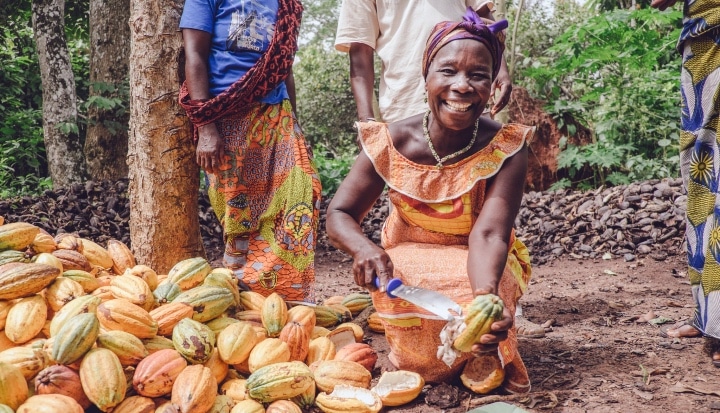
The world needs forests. They are vital to maintain biodiversity and to help combat climate change. At the same time, forests have suffered since the invention of the plough, as people have cut them down to plant crops for food and cash. The bulldozer just made things worse. Over 70% of the world’s cocoa comes […]
Claims, Credibility and Landscape Approaches
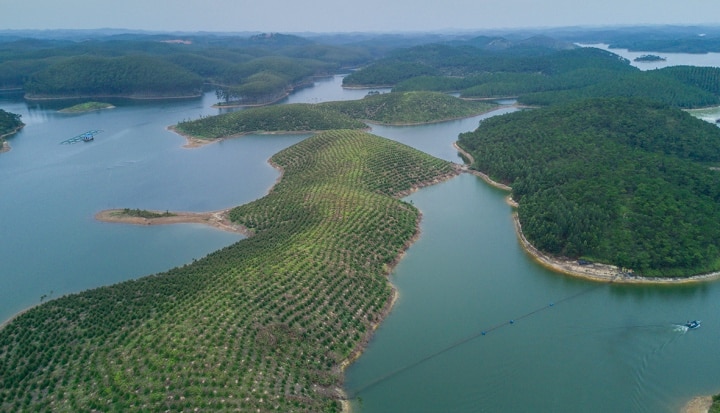
The idea is a compelling one. Rather than looking at individual sites, suppliers or sectors, these approaches recognize that issues like deforestation, habitat conversion, land rights and rural development are often best addressed at a larger scale – across whole landscapes or jurisdictions. Bringing together all stakeholders – producers, sourcing companies, governments, civil society, NGOs, […]
How Can We Address the Global Sanitation Challenge? Insights from “Make a Splash! Toilets for All”
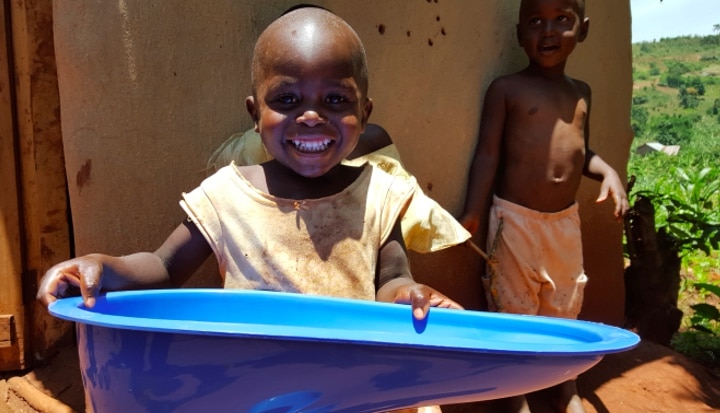
Japan’s maker of water and housing products, LIXIL, has invested in a sustainable social business – SATO – to help bring affordable toilets to those that need them. In 2018, their work on SATO led them to a new partnership, “Make a Splash! Toilets for All.” with UNICEF to tackle the global sanitation challenge. How […]
Spearheading Change within the Chocolate Industry to Protect the Forests where Cocoa is Grown
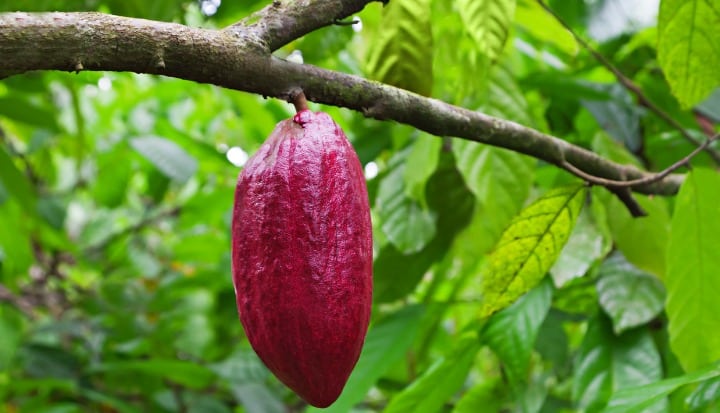
At Mondelēz, we know that real lasting change for the better can only happen via cross-sector collaboration and commitment. That’s why, as a founding member of the Cocoa and Forests Initiative (CFI), we are leading the way with ambitious action plans and calling on the industry to do the same, in order to protect and […]
Can Global Partners Collaborate with Local Entrepreneurs and Find Solutions to Urgent Urban Water Challenges in Bangalore?
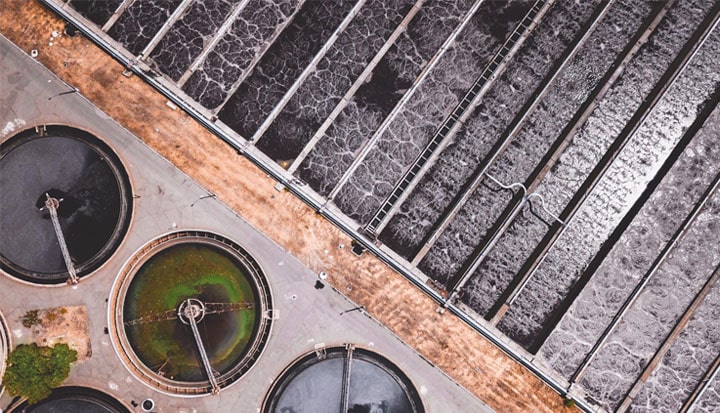
Water may often be recognized as one of the call out issues linked to the sustainable development agenda globally, but its impacts are always felt locally. The recent water shortage crisis in Cape Town, South Africa, drew international attention and underlined the need for a radical rethink of how to manage urban water. And a […]
Seven Key Learnings for Corporate Partnership Leads in 2019
At the end of last year, WWF and Tesco announced they would be joining forces in a four year partnership to deliver affordable, healthy, sustainable food with a shared goal to half the environmental impact of the average shopping basket. Working together they will be focusing on three key areas of activity: Helping customers eat […]
How Root Capital and the IKEA Foundation are Building the Resilience of Smallholder Farmers in East Africa
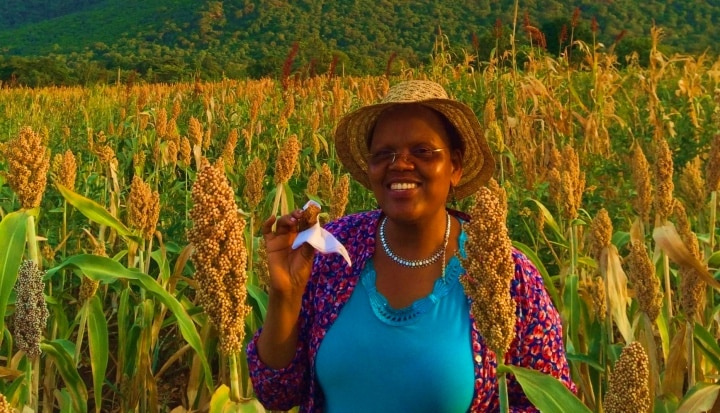
Root Capital and the IKEA Foundation are announcing a new partnership, worth €4.8 million, to help 260,000 smallholder farmers in Kenya, Rwanda, and Uganda increase their income and adapt to climate change. The grant builds on the success of a previous partnership, through which Root Capital supported dozens of Kenyan agricultural businesses, helping them break the […]
Towards Solving the SDG’s Funding Gap: UNEP FI’s Positive Impact Initiative

UNEP FI’s Positive Impact Initiative proposes a new approach: social, economic and environmental impacts have an as-yet under explored potential to generate financial revenues: impact-based business models can be developed, with the delivery of positive impacts as a driver of sustainable business growth and long-term enterprise value. This could be game-changing: by making it cheaper […]
Partnerships – All Talk and No Action?

Partnerships can be costly and complex, and often they don’t deliver their intended goals, but this is not because there is anything inherently wrong with the approach. The usual problem with partnerships is that they are too rarely used effectively. And, they are often over-hyped: they are seen by some as a panacea for the […]
Making a Difference on World Toilet Day 2018: Solving the Sanitation Challenge Through Partnerships
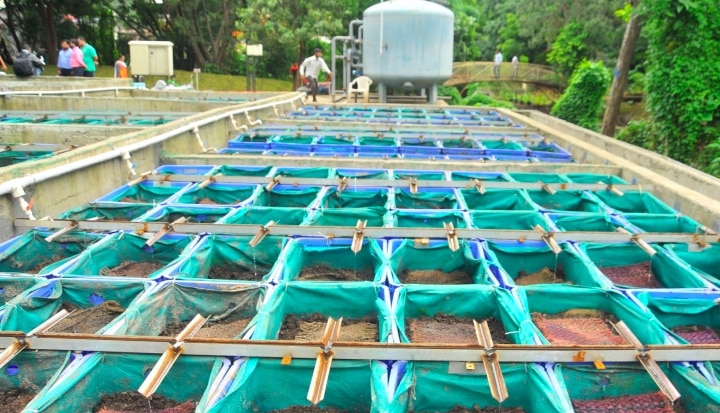
Tokyo, Japan based LIXIL, maker of pioneering water and housing products, believes that creating solutions for the 2.3 billion people that still don’t have access to basic sanitation is an opportunity to solve one of the world’s greatest social challenges, and to do so sustainably by helping to develop a future market Having to defecate […]
Toilets and Trigger Points: How Can We Unlock the Financial Viability of Sanitation Businesses?
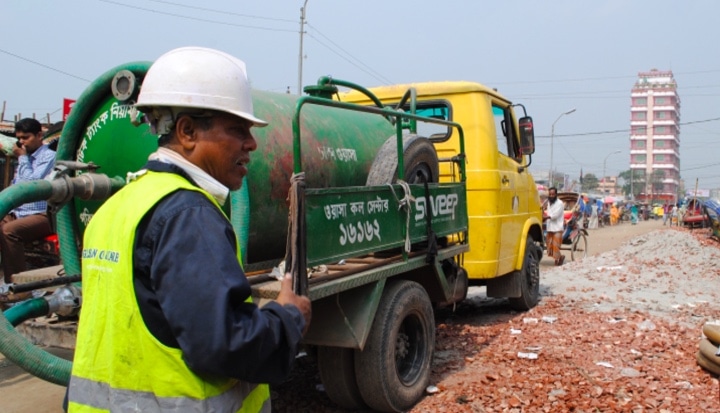
As the global push towards the SDGs continues to gather pace, some areas continue to lag behind. Sanitation is one of the most striking examples. Over half the world’s population continue to lack access to a safely managed sanitation service. That is a staggering figure, which demands reflection. Why is sanitation still so far off […]
Toilets, Not Poverty Traps
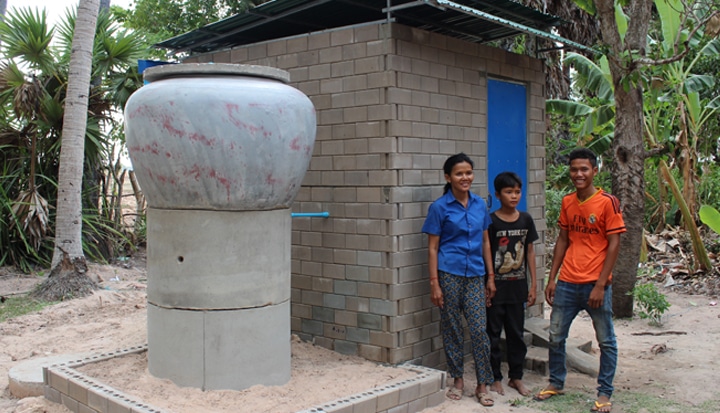
Cambodia has made remarkable progress in developing its sanitation. The proportion of households having access to toilets leaped from 23% to 68% in the last 10 years. Since 2011, iDE has been involved, training hundreds of entrepreneurs to manufacture and deliver attractive low-cost toilets for their community. Combined with our sanitation marketing demand-creation efforts, these […]
Building Scalable and Self-Sustaining Safe Water Enterprises
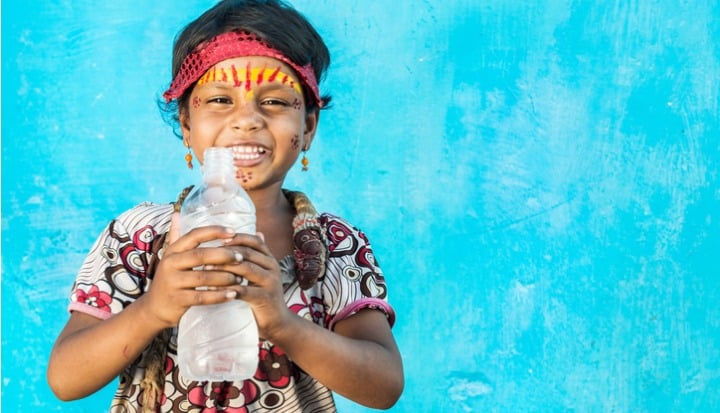
Imagine a life without safe drinking water. It isn’t easy. Most of us take for granted that we can just turn on a tap and fill a glass. But that’s not an option for roughly one in four of the world’s population — the 2.1 billion people who still lack access to safe drinking water […]
The Global Sanitation Crisis Presents Lucrative Business Opportunities
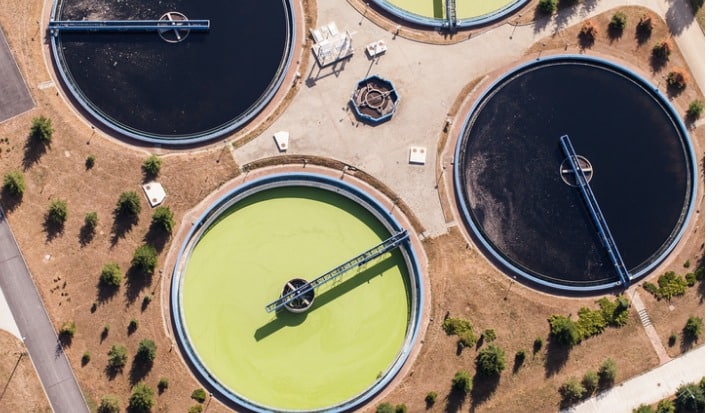
This week sees Stockholm play host to World Water Week, an annual event bringing together leaders in the field to discuss how to address the world’s greatest water related challenges. At the top of the agenda is Sustainable Development Goal (SDG) 6: ensuring universal access to water and sanitation. Poor access still affects over half […]
Walking Beyond Tokenism

I am so moved by the heart wrenching impact of climate change across the globe, where women were hit first, worst and hardest. It made me question my own personal responsibility. I was, as always inspired by Mahathma Gandhi, as to what he said about “being the change you want see to in the world”. […]