Access to Energy Through Mobile Is Changing Lives
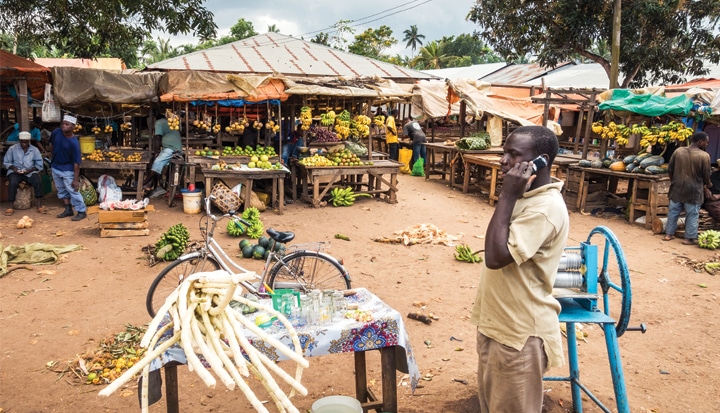
Over the last decade, the rapid growth of the mobile industry in developing countries has surprised observers. Access to mobile has increasingly outpaced access to basic services such as energy, water and sanitation. In fact, due to the slow expansion of the traditional energy grid, 1.2 billion people around the world still live without access […]
Meet the Winner: The Olam Prize for Innovation in Food Security
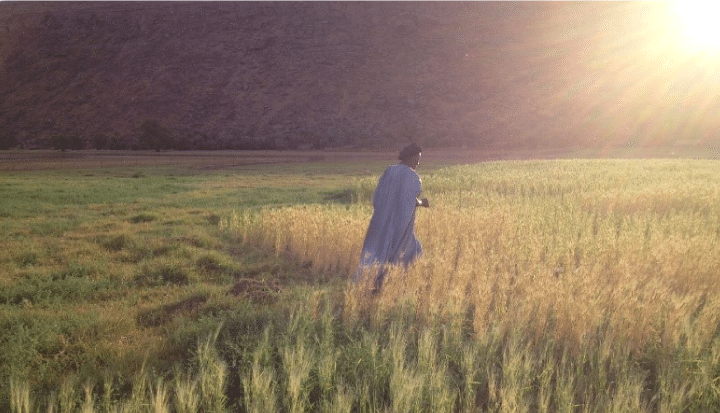
Interview with Dr Filippo Bassi of ICARDA and Olam Prize for Innovation in Food Security Winner The winner of the 2017 Olam Prize for Innovation in Food Security epitomises what is possible when you put the farmer at the centre of all you do. The winning research by Dr Filippo Bassi of ICARDA (the International […]
Meet the Winners: The Louis Malassis Scientific Prize for Agriculture and Food Security
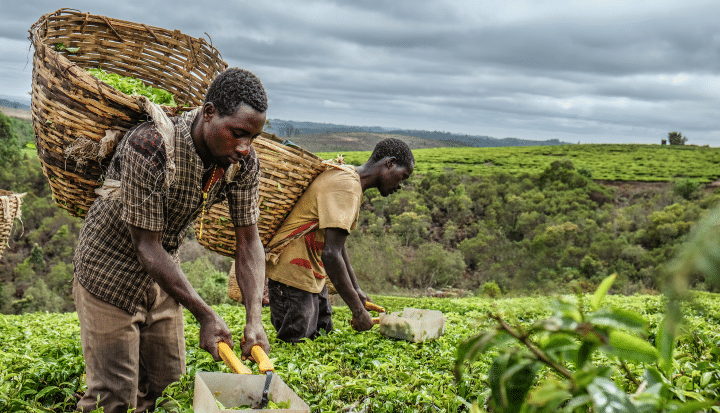
Interviews with The Louis Malassis Scientific Prize for Agriculture and Food Security Winners Scientists hold some of the key answers to so many of today’s agricultural challenges at their fingertips. Our support for this community is a vital if we are to deliver the UN’s Sustainable Development Goals. Agropolis founder Louis Malassis knew this, long […]
A Low-carbon Economy: Technologically Possible, Economically Attractive
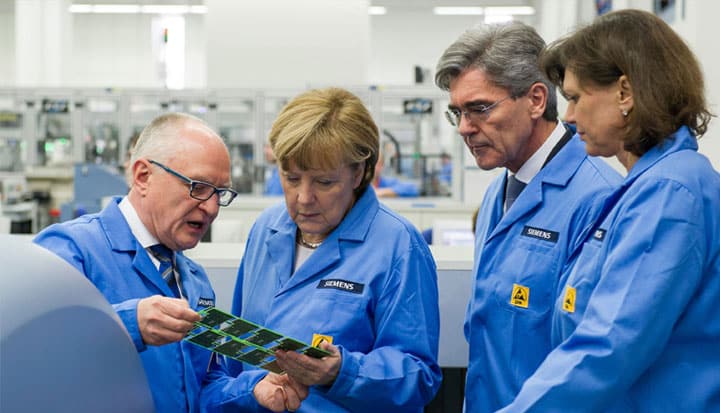
Climate change is real. Pacific Islands cannot get out of the way of rising waters. Arctic maritime ecosystems cannot escape warmer waters. People often cannot flee hurricanes in time. And even someone reading the news in an armchair may find it impossible to avoid reports on how a changing climate endangers the lives of us […]
COP23: Deforestation and Gender Responsive Solutions for Agriculture and Food Security
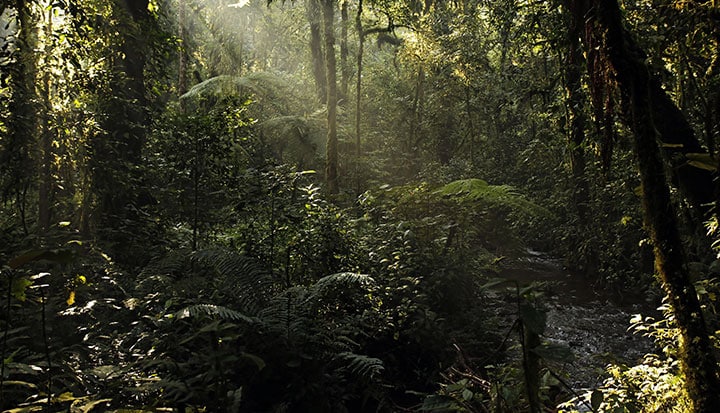
Interview with Kennedy Ntoso, Head of Olam Cocoa Sustainability, Ghana This week, as policymakers, development agencies and researchers descend on Bonn for COP23 to discuss climate change solutions, a special focus will be given to gender, as seen by the ‘Gender-responsive solutions in the context of climate change for agriculture and food security’ session. To […]
The Money is There to Fight Climate Change
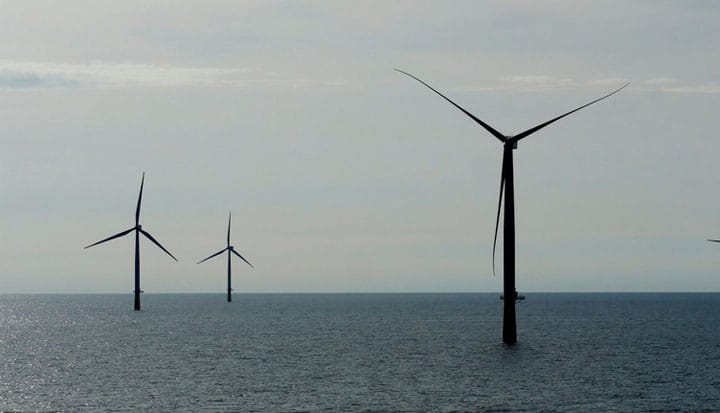
Policy debates on climate change and sustainable development routinely cite the massive numbers needed to achieve the United Nations Sustainable Development Goals (SDGs): an additional $1 trillion annually in clean energy investments to limit global warming to below 2 degrees and between $5-7 trillion a year to achieve the SDGs. These numbers are overwhelming […]
Scaling Inclusive Business Models at the Nexus of Poverty and Environment
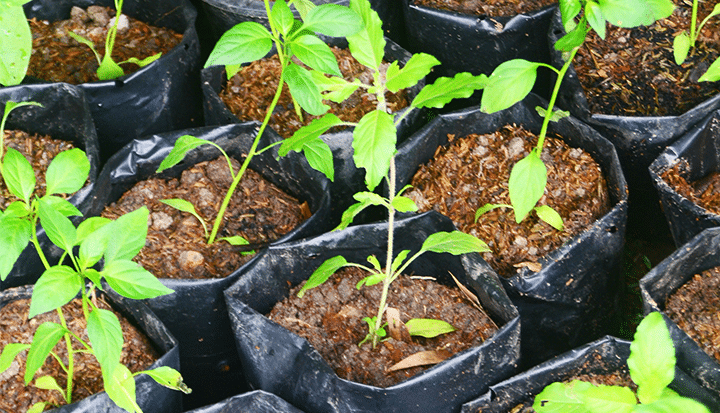
Scaling Inclusive Business Models at the Nexus of Poverty And Environment: Case Studies from the Philippines To date, many actors involved in poverty alleviation and environmental protection have operated in silos. Although both sectors follow ecosystem approaches, in the first, impact is seen as positive and desirable, and in the latter, impact is seen as […]
Shining a Bright Light on the Role of Digital Payments in Expanding Energy for All
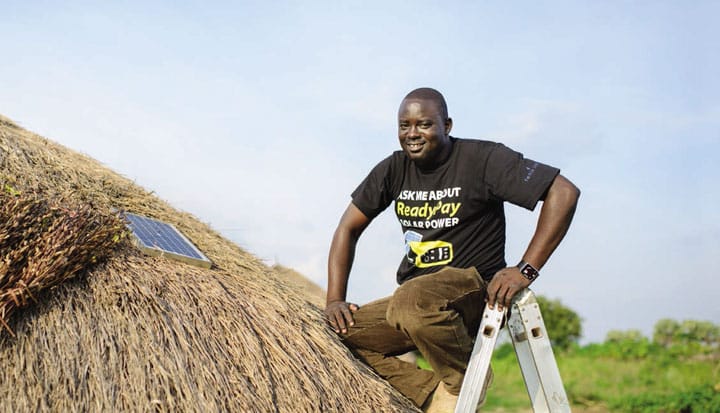
In an age of evolving technology and development, there may be an extraordinary disconnect in addressing the problem of energy access. Consider Vivian who lives in the Western Region of Ghana, about an hour’s drive north of Takoradi. She has a farm but most of her income is derived from buying and selling cooking oil. […]
Why Water Conservation Can Help Businesses Tap into Global Goals
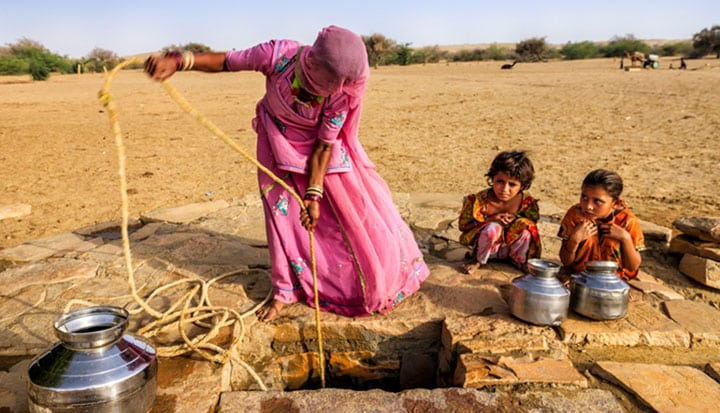
Sustainable Development Goal 6 recognises the importance of access to clean and safe water. It’s an issue that’s particularly important in India, where long and short term factors have led to an increase in demand while supplies have been strained. Since the 1930s, water use in India has increased at a greater rate than its […]
On Earth Day – Thoughts from Mars on Climate Change

On Earth Day this year (April 22nd), activists, educators, influencers and industries are called on to use education to engage citizens in the concepts of climate change – and raise awareness of the immense threat it poses to our planet and its people. Earth Day 2017 comes exactly a year after 175 countries signed the […]
How Latin America is Missing the Greatest Opportunity to Tackle Climate Change: the Food We Eat

Is the region missing the greatest opportunity to tackle climate change? A lot has been done in Latin America and the Caribbean (LAC) to mitigate and adapt to climate change. Countries are diversifying their energy matrix, addressing deforestation, and financing resilience mechanisms, among others. But little has been done in regards to one of the […]
Black Swans and the Future of Energy

Energy experts now confidently predict that by 2040, solar and wind will drive no less than 60% of global power; natural gas will replace the lion’s share of the burning of coal, and the market for electric cars will soar. Nassim Taleb, on the other hand, questions the ability of experts to predict just about […]
Bridging Gaps: Cross-sector Collaboration is the Future of Sustainable Business
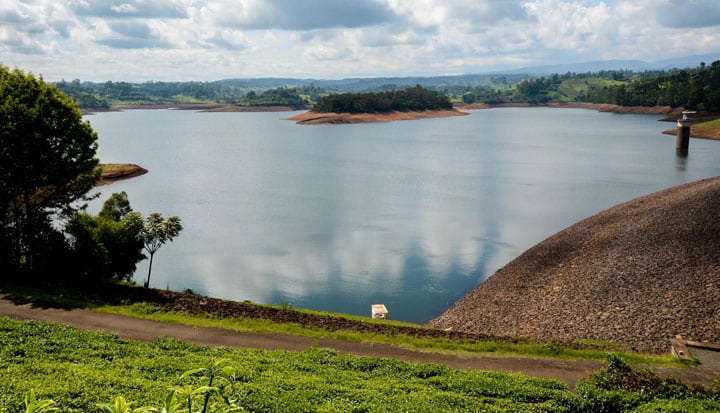
The world faces growing problems—natural resource scarcity and climate change, along with anti-trade and migration movements—that require more nimble policies, institutions and investments for sustainable development. Yet, current approaches are hobbled because they operate in silos across sectors. When stakeholders and policymakers operate in silos, maximizing one interest at the expense of everyone else’s, the […]
A Cup Half Full: Collaborating for Water Security

Water is something most of us take for granted. We turn on the tap and it flows. We buy it in bottles. We use it to grow gardens and irrigate food crops. Yet it’s amongst the most precious natural capital on earth. But after decades of deliberation on policy and talk of collaboration, making a […]
Mobilizing Private-Sector Investment to Transform Jordan’s Water System
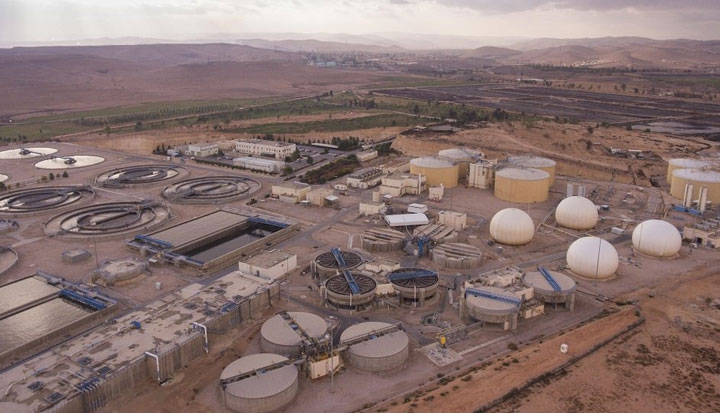
Jordan is one of the driest, most water poor countries in the world, and population growth has put a strain on the country’s already limited water resources and aging infrastructure. The As-Samra Wastewater Treatment Plant is the primary facility for treating wastewater from Jordan’s Amman and Zarqa Governorates, home to about 5 million people, but […]
From Fiction to Fashion: Helps Business See Forests for the Trees
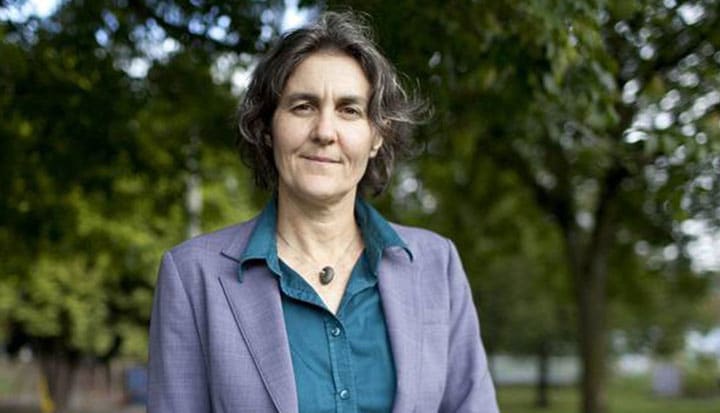
Dan Schiff, Global Engagement Manager, Fabric Of Change Initiative, in partnership with the C & A Foundation An Ashoka Fellow since 2003, Nicole Rycroft is a tireless warrior for the world’s forest ecosystems. The native Australian, now based in Vancouver, Canada, leads the environmental NGO Canopy, which works with business partners in the publishing and […]
Combatting Illegal Logging with a Responsible Timber Exchange
The illegal production and trade of tropical timber is one of the main drivers of environmental degradation worldwide, leading to loss of habitats and biodiversity, greenhouse gas (GHG) emissions, human rights abuses and corruption. Sustainable forest management can provide livelihoods for forest peoples, and economic activity in rural areas, but these benefits are erased when […]
Why Small Businesses are Vital to Building Urban Resilience
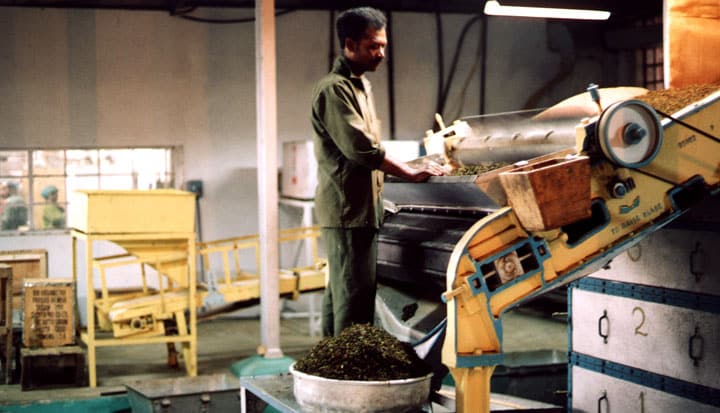
A record-breaking 272 mm of rainfall fell on Chennai, India on 1 December 2015, leading to a two-week flood which displaced 1.8 million, claimed over 300 lives and caused well over $7 billion in economic losses. Due to the flooding, some 14,000 individual Micro Small and Medium Enterprises (MSMEs) experienced a total of $250 million […]
Climate-Smart Agriculture Empowering Rural Smallholders
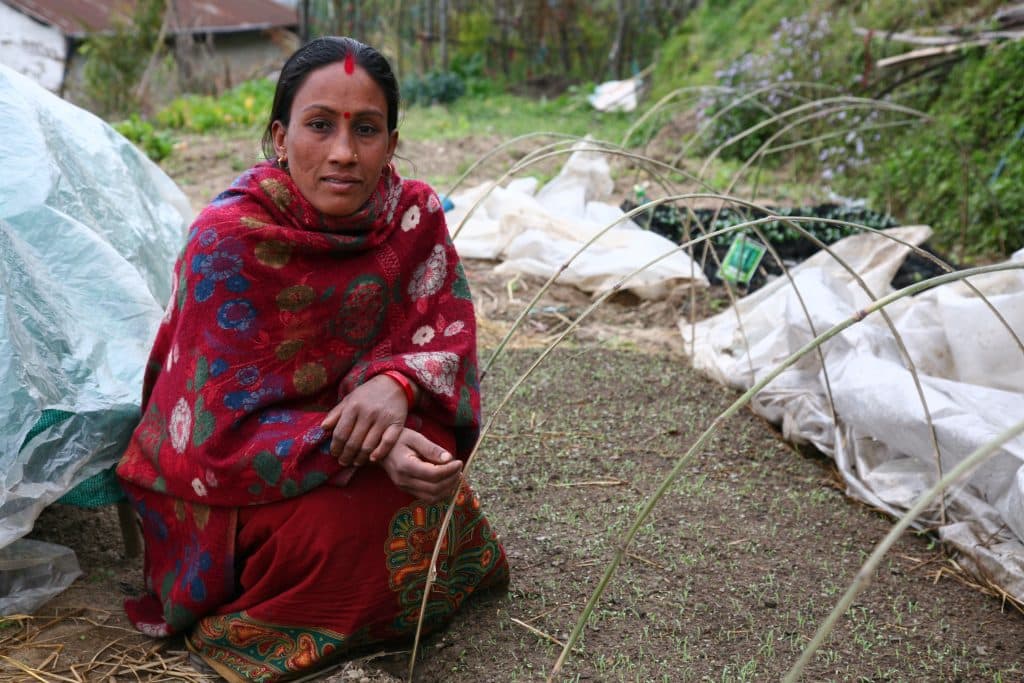
Since it was presented by FAO at the Hague Conference on Agriculture, Food Security and Climate Change in 2010 as an approach to achieve sustainable agricultural development for food security under climate change ‘climate-smart agriculture’ (CSA) has gathered both praise and criticism. While it has been defined as consisting of three pillars (increased food production, […]
Building the Social Enterprise Eco-System in Thailand
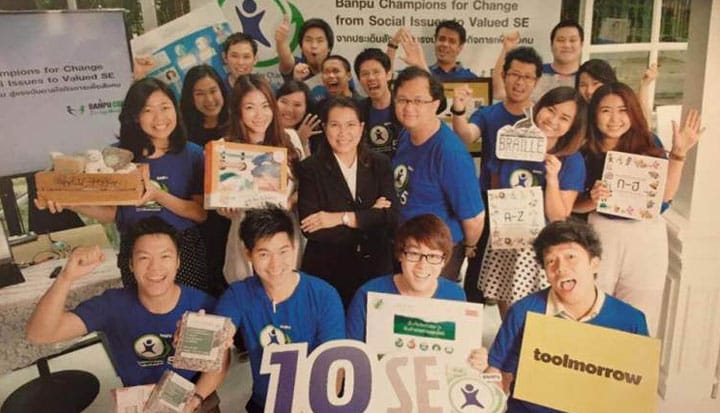
In South East Asia, 95% of coral reefs are endangered. In Thailand the richest quartile of the population own around half of the country’s income, whilst the poorest quartile have less than 10%. Only 38% of the population are educated to a secondary level and social and environmental problems are rife. The Thai Social Watch […]