The Impact of AMR and Priorities for Immediate Action
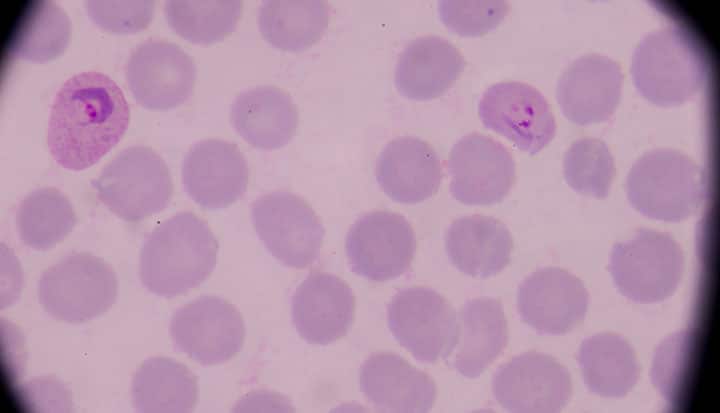
Interview with Dr. Nafsiah Mboi, Special Envoy for the Asia-Pacific Leaders Malaria Alliance With the release in May of the final report and recommendations of the Review on Antimicrobial Resistance, GBCHealth has convened a group of global leaders to discuss the potential impact of AMR and their priorities for immediate action. The series, which will […]
A Global Discussion on Antimicrobial Resistance

With the release in May of the final report and recommendations of the Review on Antimicrobial Resistance, GBCHealth has convened a group of global leaders to discuss the potential impact of AMR and their priorities for immediate action. The interview series, which will be published over the next three weeks, is intended to supplement the […]
How to Effectively Engage Business on Human Rights

Since the publication of the UN Guiding Principles and new regulation such as theModern Slavery Act, engaging business leaders on human rights has become extremely important. As the lead on human rights at SABMiller, one of my challenges has been to demystify the topic and help people focus on what it means in practice– all […]
Collaboration in Support of Micro-Enterprises in Value Chains
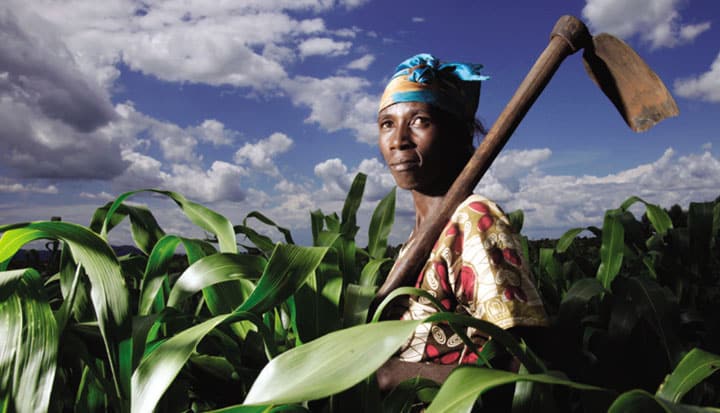
The “Growing Together” report – guidance to businesses to support them in helping micro-enterprises in their value chains to thrive, and why that is important for women’s economic empowerment. Our new report – “Growing Together”, developed with SABMiller, the Harvard Kennedy Corporate Responsibility Initiative and Business Fights Poverty, sets out why businesses should take a […]
Climate-Smart Agriculture Empowering Rural Smallholders
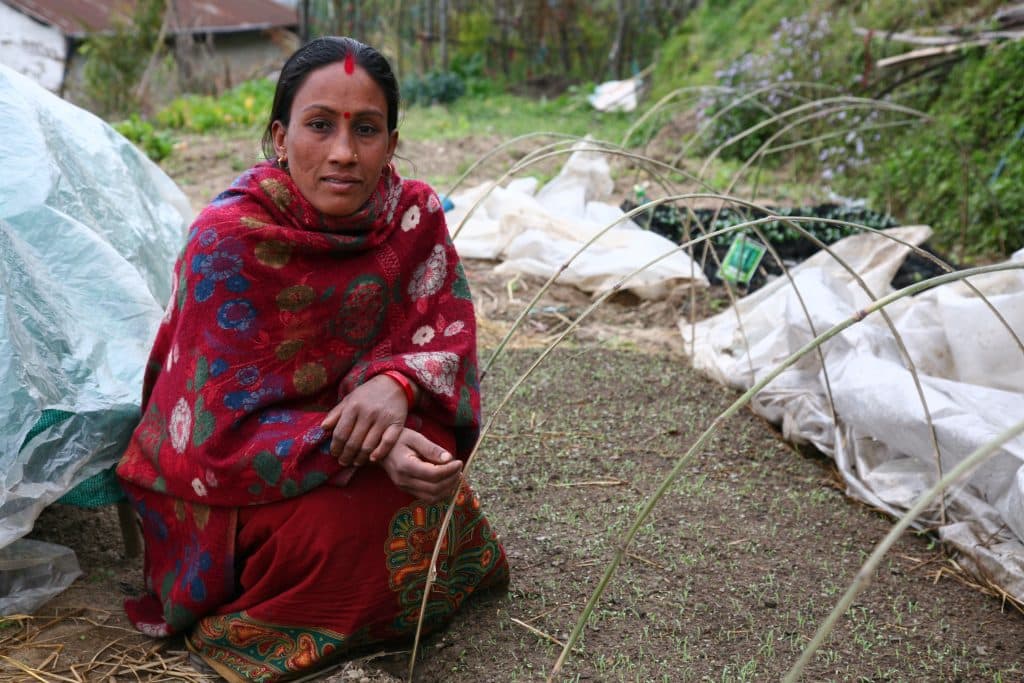
Since it was presented by FAO at the Hague Conference on Agriculture, Food Security and Climate Change in 2010 as an approach to achieve sustainable agricultural development for food security under climate change ‘climate-smart agriculture’ (CSA) has gathered both praise and criticism. While it has been defined as consisting of three pillars (increased food production, […]
The ‘Root’ to Women’s Empowerment
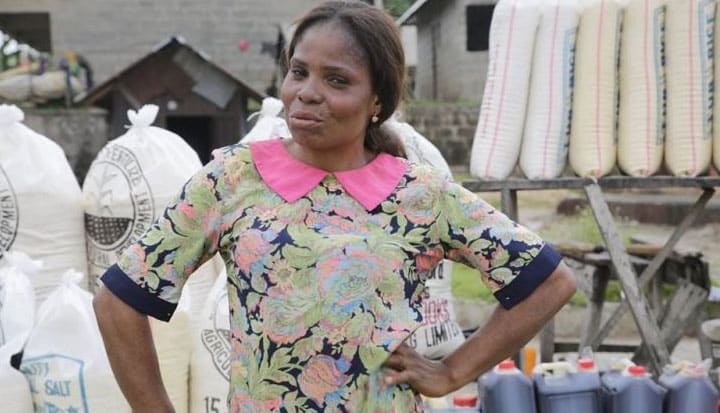
Growing up in rural south-east Nigeria, as the first born child in my family, I assisted my mum in her small business as she struggled to make a living. When the opportunity to go and live with my aunt in eastern Nigerian arose, I was excited; I thought I would be relieved from the hard […]
African Diaspora: Mobilizing Resources and Skills in Uganda
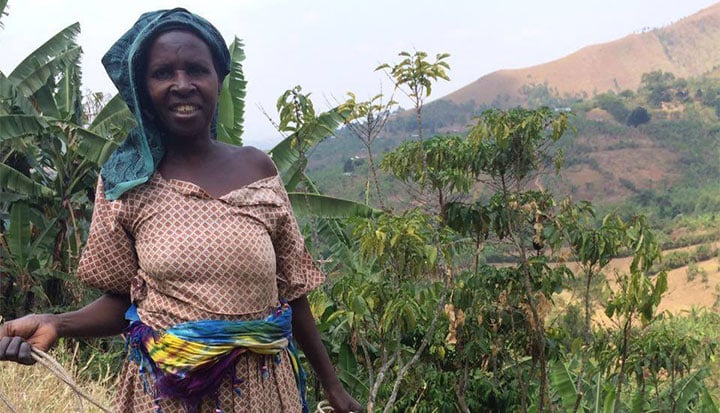
African diaspora love their heritage countries and most send support in various forms to their families that remained behind. Most send money and it has been noted that remittances to Africa have surpassed Western aid. Beyond sending money, Africans in the diaspora have setup various networks to address issues impacting entire communities back home by […]
Enhancing the Livelihoods of Women in Unilever’s Agricultural Supply Chain
Unilever Case Study on Women’s Economic Empowerment Overview Empowering women is critical to eradicating poverty and accelerating global development. In Unilever’s case, this is hugely important for us. Over 70% of the people making the decision to buy our brands are women. Our future growth depends on meeting their needs and aspirations and on supporting […]
Mars Women Empowerment Plan
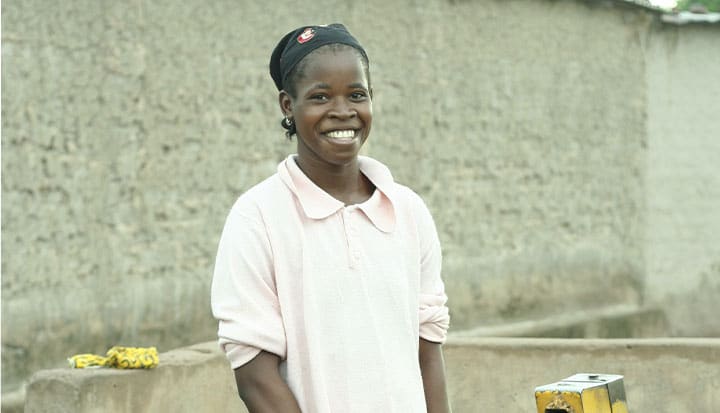
Background Women provide approximately 45% of the labor in cocoa supply chains, yet they face discrimination in access to resources compared to their male counterparts. They often work unpaid on family farms and are not always viewed as “farmers”. Low education, poor access to health services and limited training greatly disadvantage women (and their families) […]
Access to Finance and Women’s Economic Empowerment
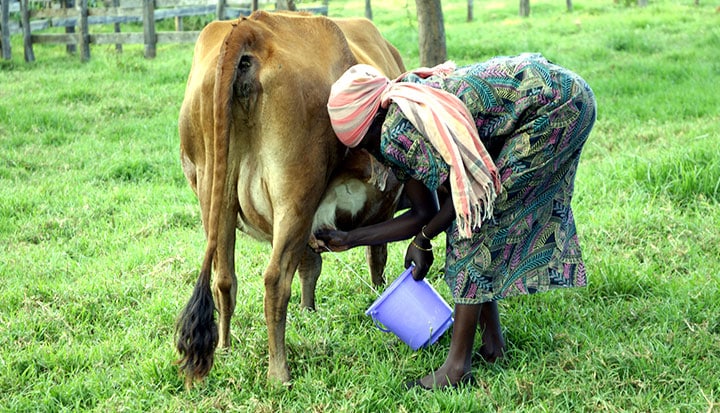
Cherie Blair Foundation Case Study on Women’s Economic Empowerment In 2014 the Cherie Blair Foundation for Women partnered with Accenture and CARE International to promote the long-term financial independence of Rwandan women, by providing a combination of mentoring, training and improved access to financial services. Financial inclusion is a deeply gendered issue in Rwanda, where […]
Brexit – What Does It Mean for Fairtrade?
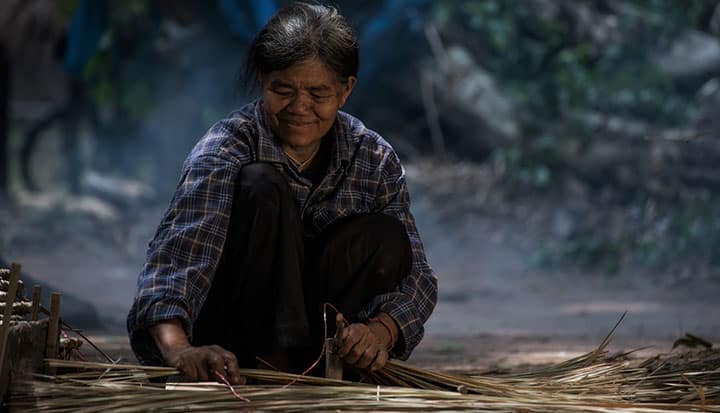
Negotiating our way out of Europe will be a tough and lengthy process. Nobody can predict the exact outcome of the Brexit negotiations, but it is possible to identify those people that could be affected and build scenarios showing how they could be affected. This blog outlines how Fairtrade certified farmers could be affected by […]
Virtuous Circle: Increasing Productivity and Fighting Poverty
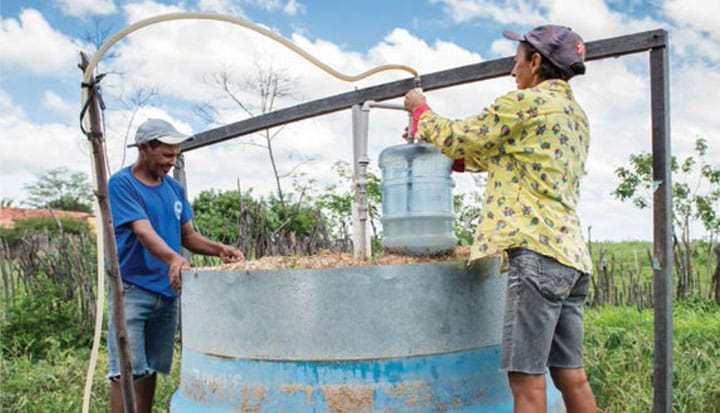
What do engine manufacturer Rolls Royce, shipping company Maersk and Kenyan toilet provider Sanergy all have in common? All three are using the circular economy concept to increase their productivity. In Sanergy’s case, they use the waste from their network of high-quality, low-cost toilets in the slums of Nairobi to produce agricultural inputs and energy. […]
Empower a Woman and a Whole Community Will Thrive
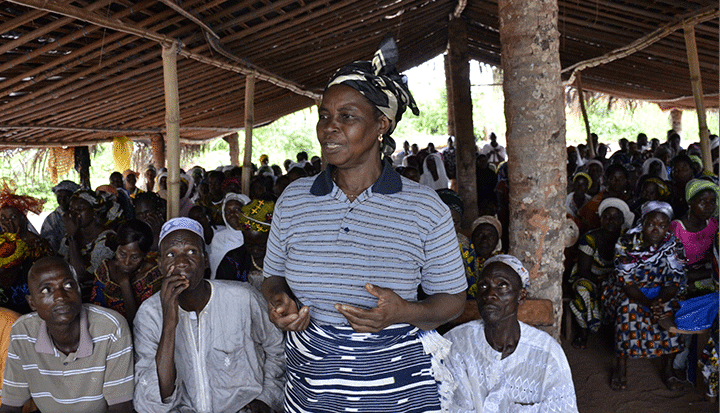
Empowering women benefits everyone and is essential for cocoa growing communities to thrive. Research shows that increasing women’s involvement leads to improved financial management by farmers, better education of youth and more sustainable, thriving communities. Cocoa Life, Mondelez International’ cocoa sustainability program, is deliberate about promoting women’s empowerment. Cocoa Life has worked to mainstream gender […]
Access to Finance, Gender Bias and Climate Change Resilience for Smallholders
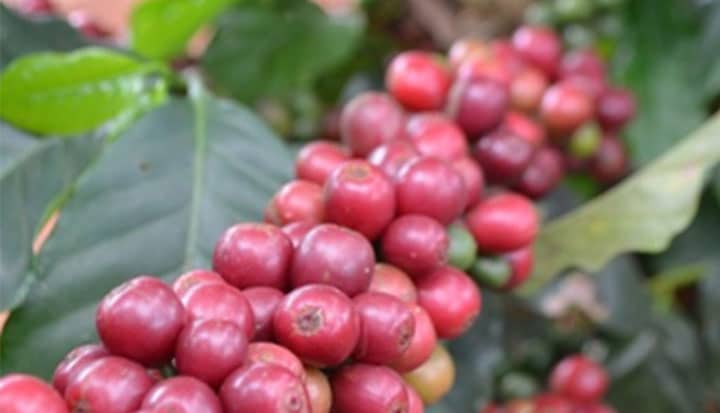
Olam expands on lessons learned from 5 years of the Olam Livelihood Charter Despite extensive progress being made under its Livelihood Charter, global agri-business Olam predicts that smallholder productivity across Africa, Asia and South America will still be massively hindered by lack of access to finance, equality for women and climate change impacts, unless far […]
How Can Sustainable Development Remain a Priority?
Bhaskar Chakravorti explores innovation in sustainable development amid Brexit, anti-globalisation and a worldwide slowdown. The summer is heating up with reminders that the first anniversary of the launch of the2030 Agenda is not far – and when it comes to implementing sustainable development worldwide, time passes rather quickly. The high level political forum (HLPF) on […]
Unleashing Inclusive Business for the SDGs

On 5th June 2016, Business Call to Action (BCtA), in cooperation with The Partnering Initiative (TPI), SNV Netherlands Development Organization, UNDP Bangladesh and Business Fights Poverty hosted an exclusive invite-only event introducing Inclusive Business in Bangladesh to achieve the Sustainable Development Goals – a part of the 2030 Agenda for Sustainable Development. The primary objective […]
Why International Volunteering is (In)valuable to Your Company
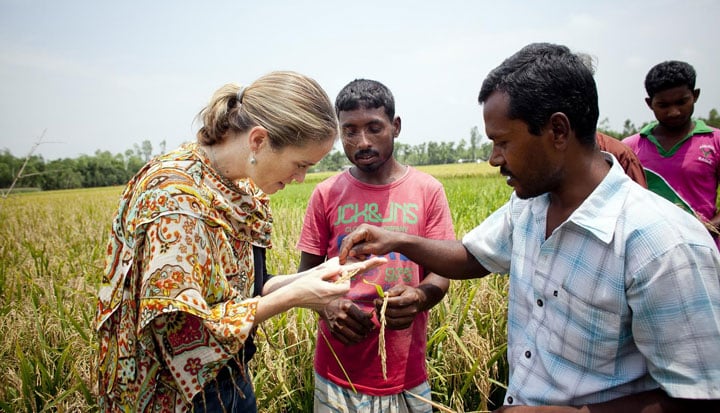
Getting involved in international corporate volunteering can leave you with mixed emotions. It sounds alluring, but you might get laughed out of the board room for making the case. The crucial question you will need to answer is; what would volunteers and the business get in return from spending anything from a month to a […]
Empowering Women in the Supply Chain
Primark is a Finalist in the Unilever Global Development Award supported by Business Fights Poverty. We asked them some questions about their programme and the lessons learnt. Q) What challenge does Primark’s programme serve to change? Like almost every other fashion retailer, Primark products are made in countries like India where wages are lower and […]
Three Key Steps to Empowering Women in Global Value Chains

Global value chains can be a powerful lever for empowering women, but companies must identify where women work, must develop a clear gender strategy and must articulate the business case for supporting women. As the UN High Level Panel on Women’s Economic Empowerment continues to develop its thinking over the next few months, they should […]
Transforming Cotton Supply Chains in Côte d’Ivoire
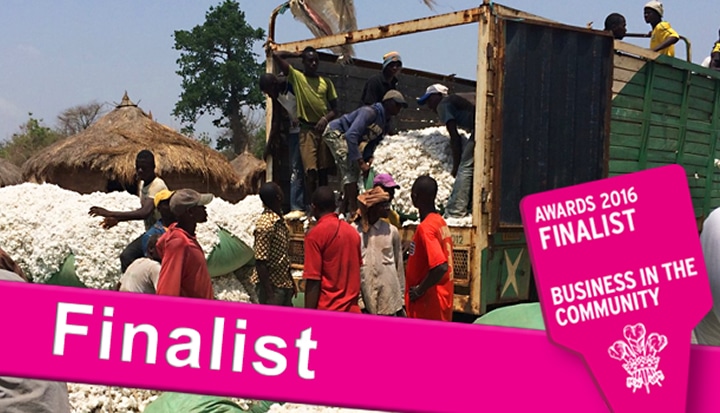
Olam International is a Finalist in the Unilever Global Development Award supported by Business Fights Poverty. We asked them some questions about their programme and the lessons learnt. Q) How did Olam International’s programme begin? When we began operating in Côte D’Ivoire in 2008 we had to consider a number of risks. The region was […]