One for All, and All for One: Industry-Level Collaboration is Needed to Eradicate Forced Labour
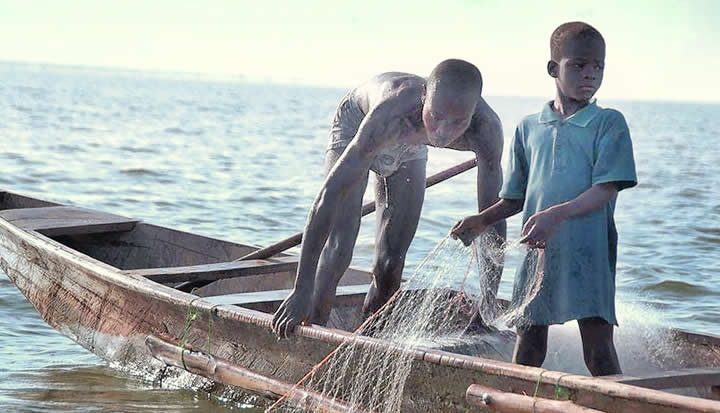
According to the ILO, nearly 21 million people are subjected to forced labour around the world (an alternative estimate from the Walk Free Foundation, which is working with the ILO to release updated figures this year, puts the number more than twice as high). This activity generates $150 billion in illegal profits every year. 71% […]
Five Ways East Africa is Leading the World on Financial Inclusion Through Savings Groups

By Fiona Jarden, Financial Inclusion Advocacy and Policy Adviser, CARE International UK Demand for financial services from low-income groups is at an all-time high. Some of that demand is by informal savings and loans groups – including CARE’s 5 million Village Savings and Loan Association members – who want access to quality group bank accounts […]
How Can Companies Harness the SDGs to Strengthen Smallholder Supply Chains?
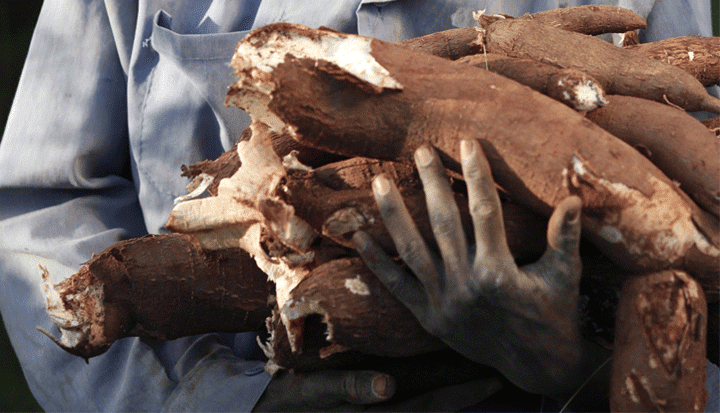
Contributing to the Sustainable Development Goals (SDGs) represents a significant value creating opportunity for business. According to the Business and Sustainable Development Commission, achieving the SDGs will create up to US$12 trillion of market opportunities[1] for companies across the four economic systems studied in its landmark report Better Business, Better World (food and agriculture, cities, […]
Bridging Gaps: Cross-sector Collaboration is the Future of Sustainable Business
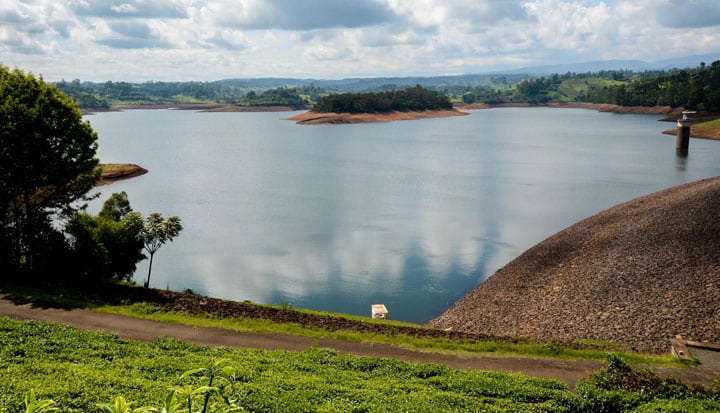
The world faces growing problems—natural resource scarcity and climate change, along with anti-trade and migration movements—that require more nimble policies, institutions and investments for sustainable development. Yet, current approaches are hobbled because they operate in silos across sectors. When stakeholders and policymakers operate in silos, maximizing one interest at the expense of everyone else’s, the […]
A Cup Half Full: Collaborating for Water Security

Water is something most of us take for granted. We turn on the tap and it flows. We buy it in bottles. We use it to grow gardens and irrigate food crops. Yet it’s amongst the most precious natural capital on earth. But after decades of deliberation on policy and talk of collaboration, making a […]
Corporate Leaders, Don’t Miss the Social Impact Wave!

For a big company, innovating is anticipating. It involves being able to spot weak signals, new ideas and models that will disrupt tomorrow’s markets. In only 10 years, changes in digital technology have deeply disrupted the rules of economic competition. In a faster and more interconnected world, companies that have been able to anticipate the […]
Enhancing Women’s Economic Empowerment in DRC
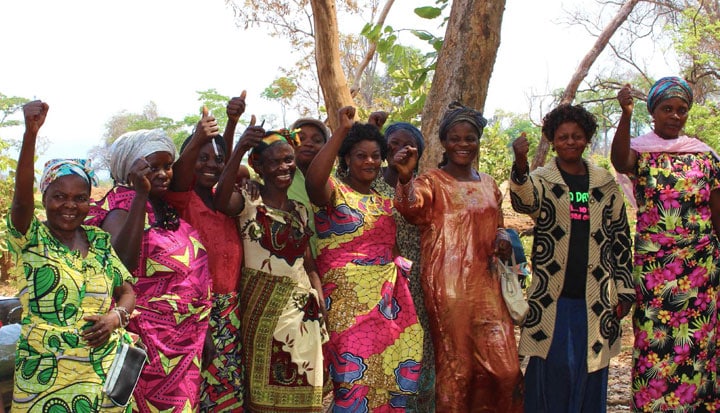
Historically there’s been limited evidence on what works to genuinely economically empower women in DRC’s agricultural sectors. But, thanks to ÉLAN RDC’s WEE Learning Series, that’s now starting to change. Women and working-aged adolescent girls in DRC are some of the most marginalised in the world. Disproportionately high rates of poverty, inadequate access to basic […]
HERproject at 10 – Celebrating HERsuccess, Inspiring HERfuture
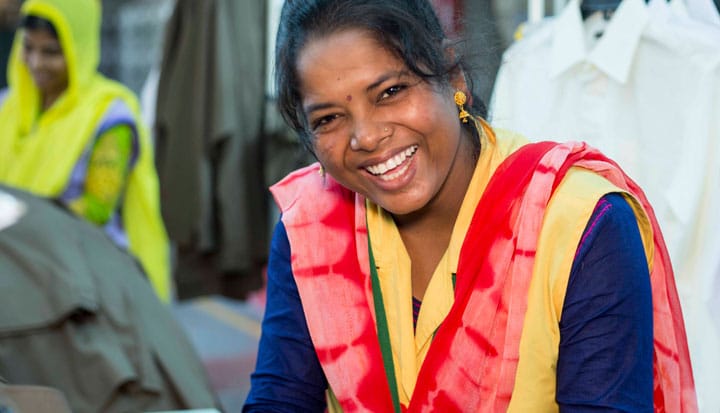
Today, March 8, is International Women’s Day 2017—a good time to take stock of our collective progress toward gender equality. And such a moment of reflection is particularly relevant for HERproject this year, as we are hitting a big milestone: It’s our 10th birthday! On our anniversary, we’re taking a moment to think about what […]
#BeBoldForChange: To Empower Women, You Need to Work with Men, Too
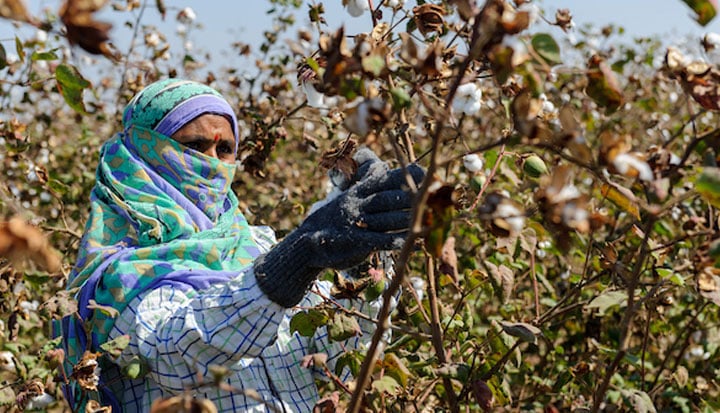
On International Women’s Day, Alison Ward explains how Cotton Connect’s work with Primark to support women cotton farmers in India is sowing transformative change by engaging both sexes. #BeBoldForChange is the theme for International Women’s Day 2017. While progress has been made around the world, the latest estimates from the World Economic Forum reveal that […]
Mobilizing Private-Sector Investment to Transform Jordan’s Water System
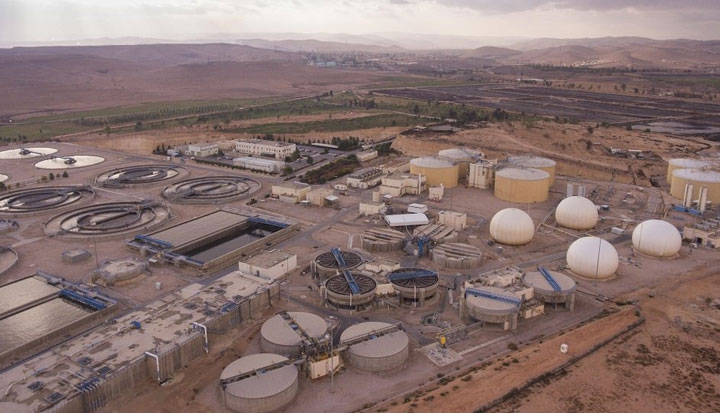
Jordan is one of the driest, most water poor countries in the world, and population growth has put a strain on the country’s already limited water resources and aging infrastructure. The As-Samra Wastewater Treatment Plant is the primary facility for treating wastewater from Jordan’s Amman and Zarqa Governorates, home to about 5 million people, but […]
Fairtrade Fortnight: Don’t Feed Exploitation
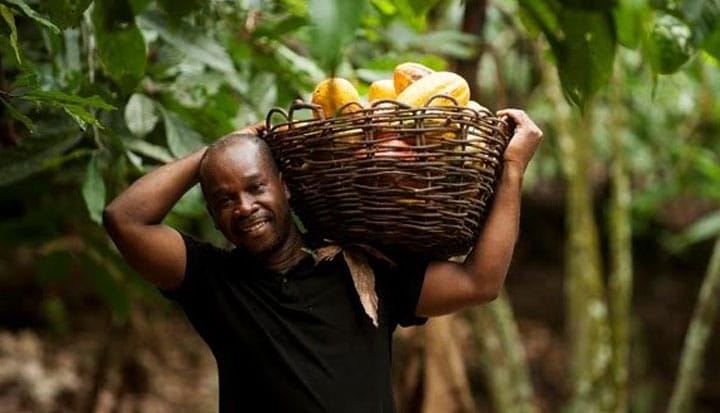
‘Let’s not accept exploitation in industry’, says Fairtrade CEO Despite an increase in global demand for cocoa and the worldwide push to tackle poverty when the Global Goals launched last year, today many farmers who grow the crop live with poverty and exploitation – in Cote D’Ivoire 80% of the population still survive on less […]
Exploring the Accelerator Landscape

Hundreds of accelerators—intensive, short term programs that speed up the development of early stage ventures to succeed, or fail—have emerged around the world. While the concept began in Silicon Valley, international development funders have seen the model as a way to drive growth in emerging markets as well. And beyond just tech companies, accelerators focus […]
Invisible Lives: Understanding Youth Livelihoods in Ghana and Uganda
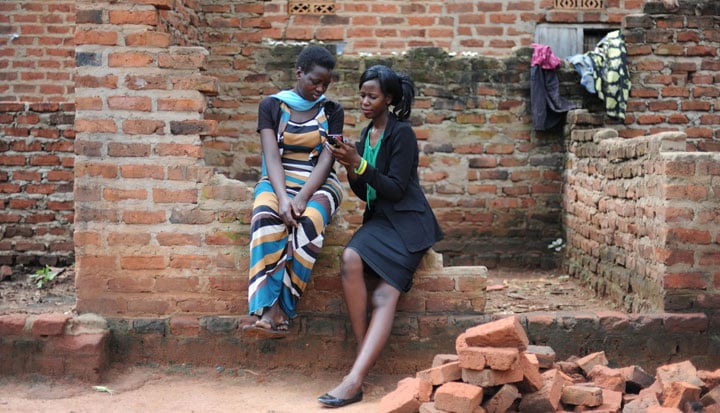
Beatrice had a busy day. It’s tomato season, which means she had to wake up extra early to go to the garden to harvest some ripe tomatoes. On her way, she made sure to feed the poultry and check on the goats. It’s also market day in her village, so after feeding her children and […]
Syngenta’s Grow More Model to Increase Productivity in Sub-Saharan Africa
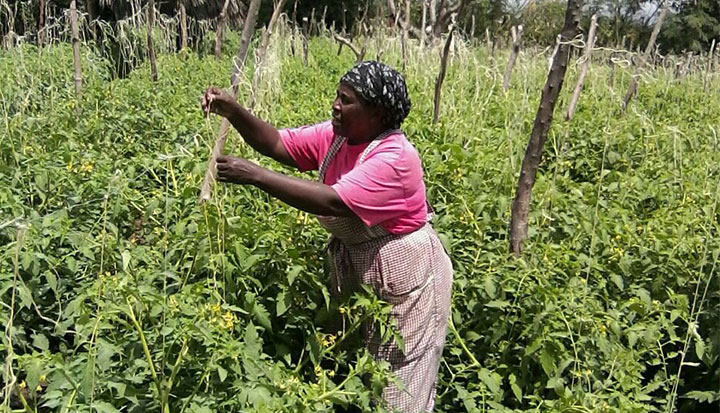
nd Samantha Krause, Strategic Initiatives Director, TechnoServe Smallholder farmers across Africa present the largest opportunity and challenge to Syngenta’s business. Limited knowledge of agronomy, cash constraints and very low confidence in produce markets trap farmers in low yield and low income cycles. Translated into numbers, it means that smallholders in Sub-Saharan Africa produce around 25% […]
SABMiller/ AB InBev’s Local Sourcing in Africa
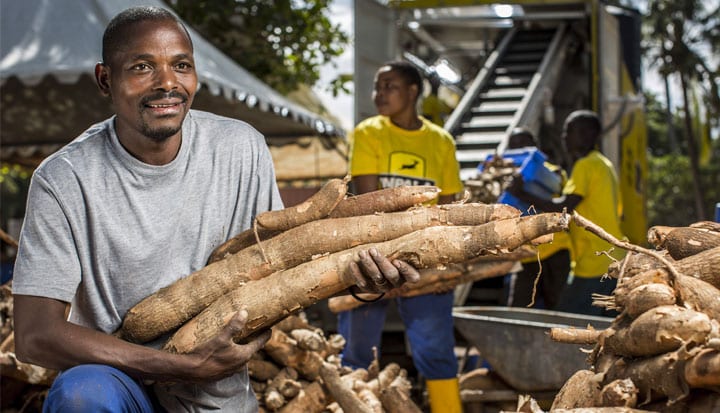
SABMiller plc, which combined with AB InBev in October 2016, has been a pioneer in promoting local sourcing in Africa. Many of the company’s subsidiaries in Africa have created new brands and brewing processes which incorporate locally grown crops such as sorghum and cassava. This is based on a win-win-win model where: Local businesses can […]
The Kellogg Company’s Smallholder Sourcing

Kellogg has set bold sustainability and emerging markets growth targets, including supporting the livelihoods of 500,000 farmers and doubling its emerging market sales by 2020. The company recognizes the great potential that developing smallholder-inclusive agricultural supply chains in emerging markets could have in supporting these business and social impact objectives. Sustainability groups across many multinational […]
The Coca-Cola Company and India’s Mango Farmers
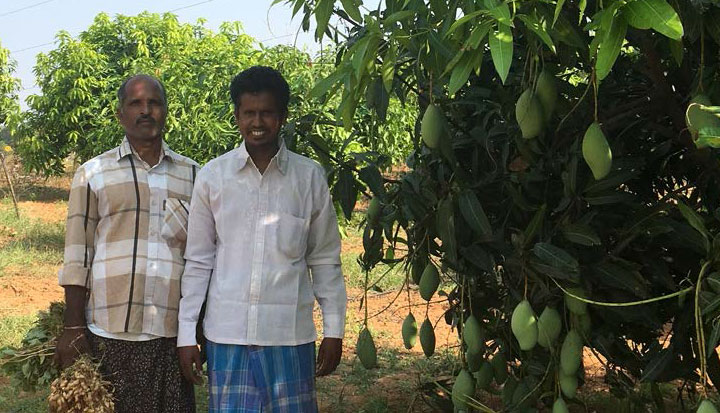
A typical smallholder mango farmer in India earns between just $4 and $16 per day. One of the reasons is that they have trouble accessing stable, profitable markets for their crops. Meanwhile, international corporations, like The Coca-Cola Company (TCCC), view smallholder sourcing as an important part of their long-term goals; beyond its potential to generate […]
Designing Win-Win Relationships between Business and Smallholders
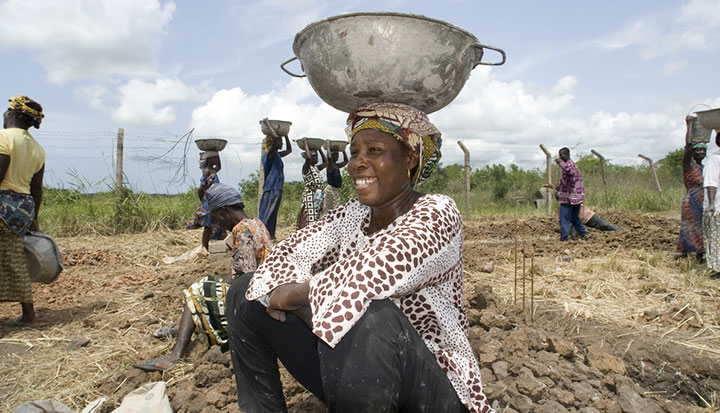
Around the globe, there are about 200 million smallholder farmers involved in commercial supply chains. And while many multinational corporations have made commitments to increase their investments in sustainable supply chains and distribution models that engage these smallholders, these initiatives have often struggled to gain real traction. That observation spurred a unique partnership: with support […]
Making DFID’s Economic Development Strategy Work for Women
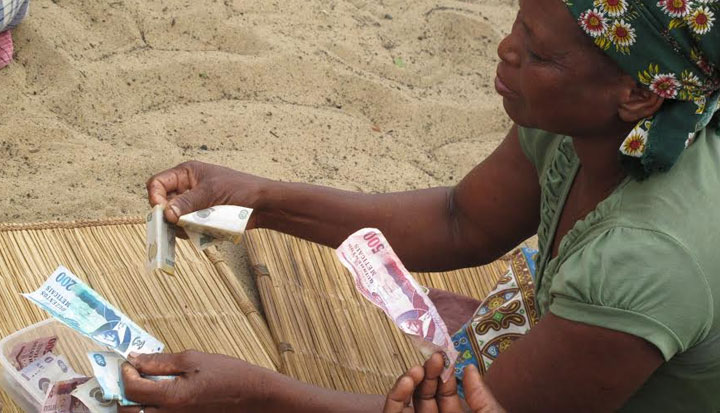
CARE firmly believes that inclusive economic development is at the core of eliminating extreme poverty and injustice. So we welcome DFID’s focus on this agenda and their long-awaited strategy, published this week. What we are most concerned about now, though, is how it will deliver for the world’s poorest women. We should be cautious about […]
These 5 Innovations Will Transform the Lives of Smallholder Farmers
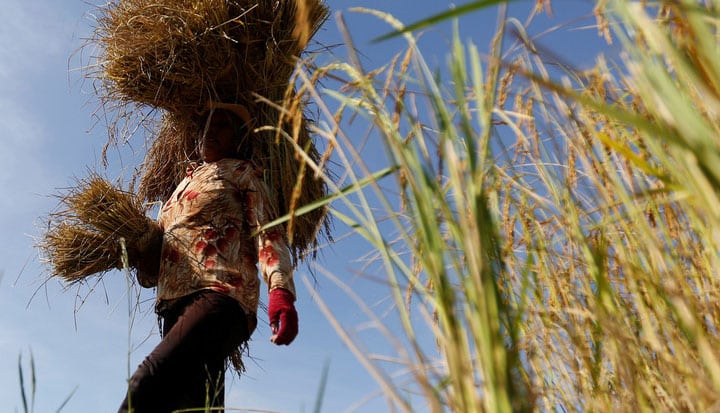
This article is part of the World Economic Forum Annual Meeting 2017. From artificial intelligence, to precision agriculture, to the internet of things, emerging technologies have the potential to revolutionize the way food is consumed, handled and produced. But which technologies could most powerfully transform the lives of smallholder farmers? These, after all, are the […]