
The Tide is Coming in for Indonesia’s Seaweed
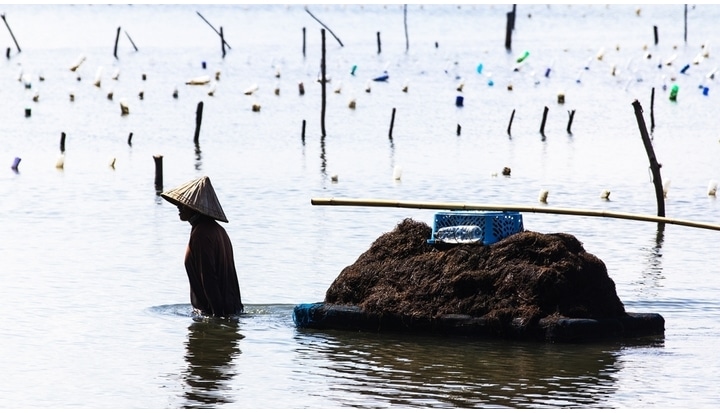
Along the coast of the province of South Sulawesi, villagers began farming seaweed to supplement their income from fishing several decades ago. As global demand for seaweed and seaweed products has taken off, prices have increased and many villagers have taken up seaweed farming full-time. Mangambe Daeng Siama, a seaweed farmer from the village of […]
CARE, Cargill and Communities: An Historic, Mutual Agenda for Change
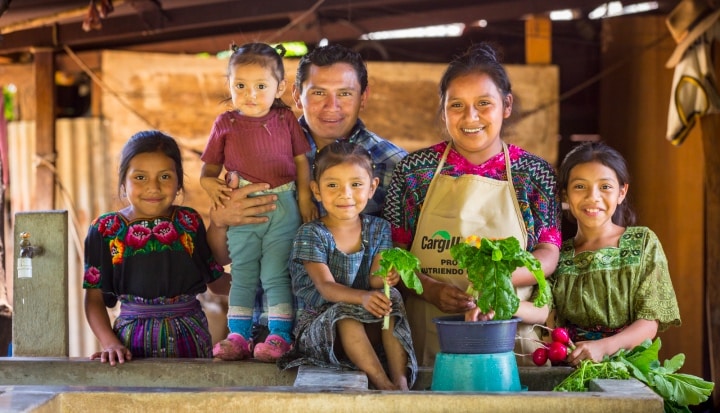
For charities, even large, well-established ones, working with multinational corporations can often seem to be a process fraught with pitfalls. The corporate world has for decades been seen as entirely separate—and sometimes even antagonistic—to that of civil society organizations and humanitarian assistance. To NGOs, even simple transactional relationships—the giving and receiving of money—can carry risks, […]
How Root Capital and the IKEA Foundation are Building the Resilience of Smallholder Farmers in East Africa
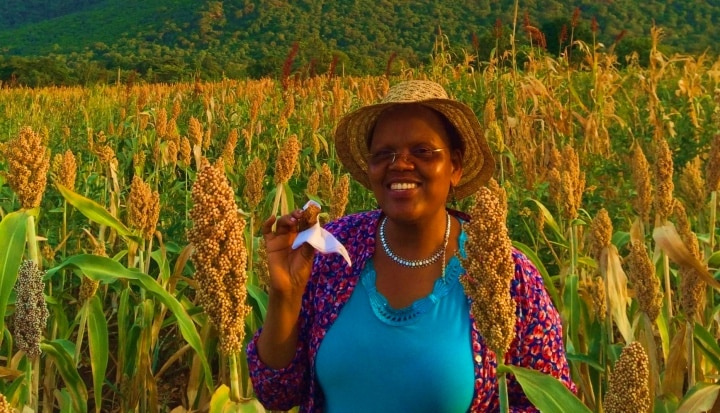
Root Capital and the IKEA Foundation are announcing a new partnership, worth €4.8 million, to help 260,000 smallholder farmers in Kenya, Rwanda, and Uganda increase their income and adapt to climate change. The grant builds on the success of a previous partnership, through which Root Capital supported dozens of Kenyan agricultural businesses, helping them break the […]
Re-Imagining the Gender Balance for Female Cotton Farmers
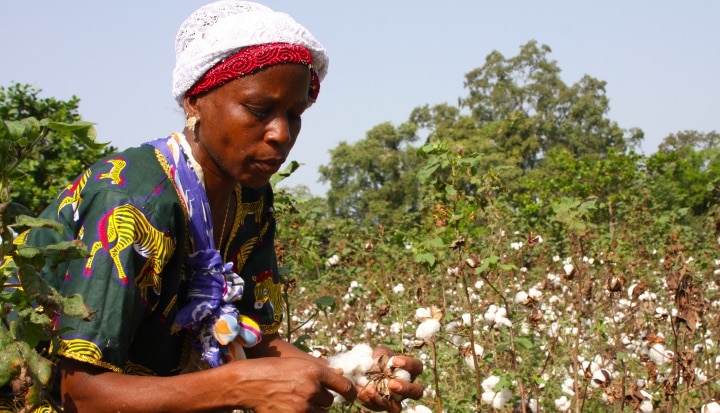
Recently, I put myself in the shoes of a woman cotton farmer in Ivory Coast. I realised very quickly that there aren’t very many of these shoes to fill; the reason being that very few women and men recognise women as cash crop farmers. Cotton farming is one of the main sources of income for […]
How Can We Produce Enough Protein to Feed 10 Billion People?

Accessible, affordable, healthy and sustainable protein is critical to human nutrition and economic development. Yet academic analysis shows it will be impossible for a global population of 10 billion – a figure expected around 2050 – to consume the amount and type of protein typical of current diets in North America and Europe if we want to […]
Businesses and Sustainability Standards Empowering Women in Supply Chains
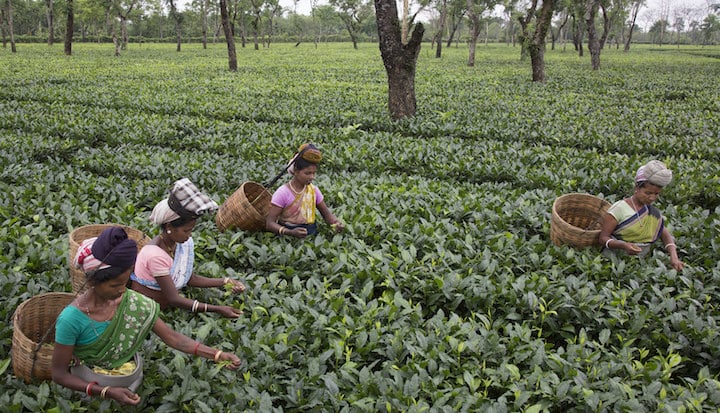
Achieving gender equality and empowering women and girls is the focus of UN Sustainable Development Goal (SDG) 5, but it is also integral to achieving all of the SDGs. Without doubt, companies and sustainability standards have an important role to play in achieving the goals and driving systemic improvement for women working in factories and […]
Animal Medicine on the Move: Delivering Agro-Vet Services to Pastoralists
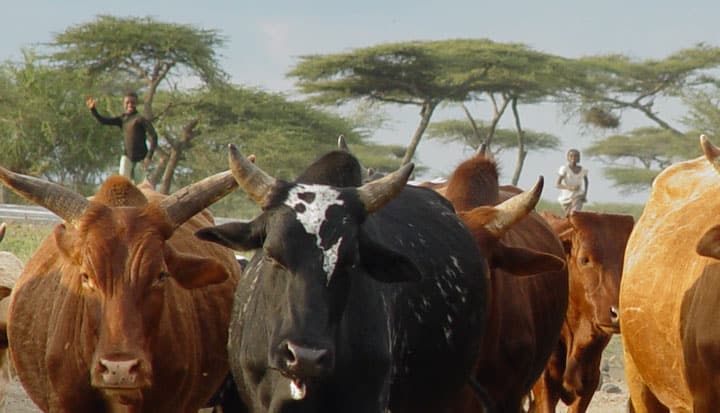
Dr. Jackson Kinyua serves as the Director of Veterinary Services in Garissa County, a rural, semi-arid region of northern Kenya, near the border with Somalia. The public servant’s job is to look after the health of approximately 4.4 million cattle, sheep, goats, camels, and donkeys, which make up the backbone of the county’s economy. It’s […]
From the Ground Up: How Soil-testing Can Help Predict Return-on-investment for African Farmers

One of the principal challenges for Africa’s agricultural sector, and the smallholder farmers who make up the vast majority of its workforce, is low yields. According to statistics from the Food and Agriculture Organization, for example, average maize yields in Kenya are about half those of India; one-third those of Mexico; and less than one-sixth […]
How are Sustainability Standards Innovating to Address the Needs of Certified Small Producers?
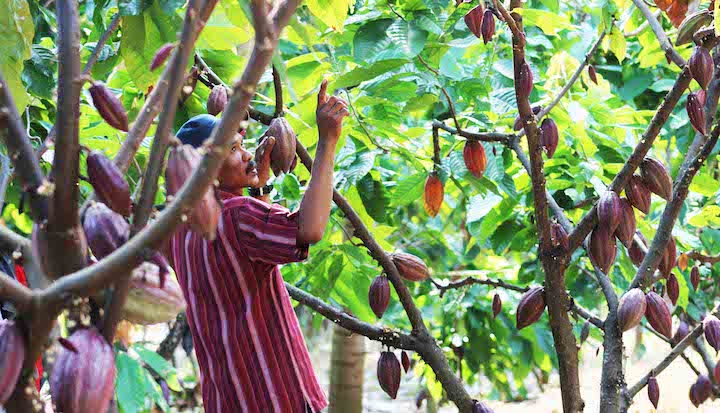
Sustainability standards need to ensure that small producers are continuing to benefit from certification. To do that, standards systems need to understand the concerns and priorities of certified small producers and test out innovative approaches to meet those needs. Our new report ‘Understanding Certified Small Producers’ Needs’ is based on interviews with 63 producers in […]
From Produce to Profits: How Mobile Technology Is Strengthening the Livelihoods of Spinach Growers
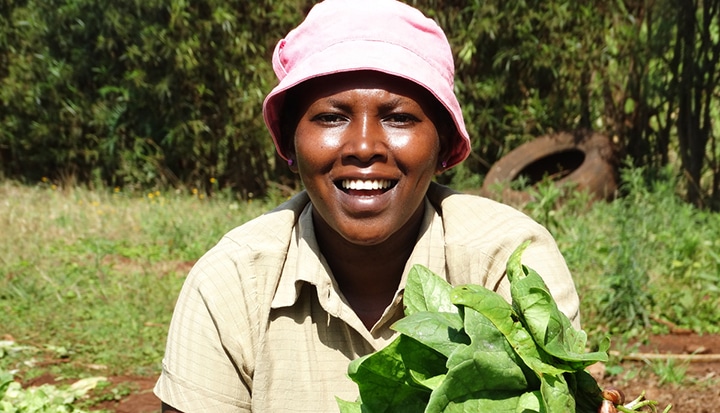
James Kamau is the chairman of the Tana Farmers Group, an organization of smallholders in central Kenya. He knows his members face a litany of challenges, common to many smallholders across East Africa. Their farms are small and yields are low, and the intermediaries who purchase their crops pay little. The farmers struggle to access […]
Eyes in the Sky: How Drones and Satellites Can Transform African Agriculture
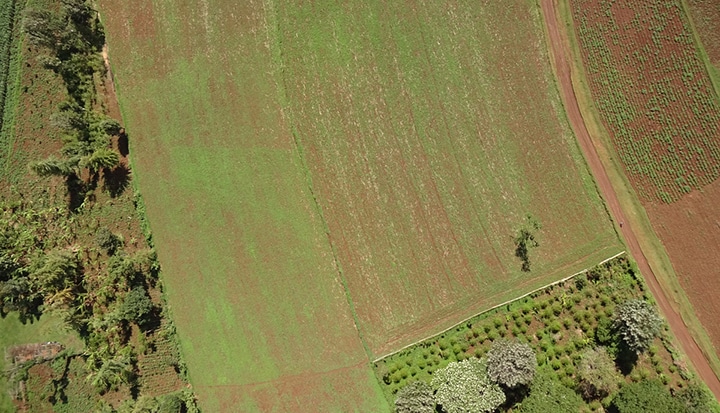
Across Africa, millions of smallholder farmers employ hard work and limited resources to coax their harvests from the ground. It’s a challenge for many of these farmers, because they often lack the information necessary to determine how to most effectively use their resources. But what if every farmer knew exactly what each of her plants needed—the […]
Child Labour in Cocoa: Why It’s So Hard to Combat and What We’re Doing About It
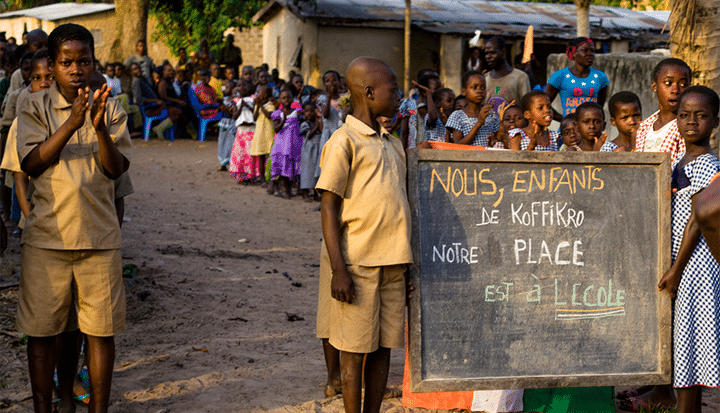
60% of child labour is in the agricultural sector. That’s a staggering fact made only more concerning when you learn that in West Africa, where 70% of the world’s cocoa is sourced, 2.1 million children work in cocoa fields. This is an issue which agribusinesses like Olam – along with our peers, customers, NGOs, and international […]
Bringing Business Back Home: Biomass Energy of Sri Lanka
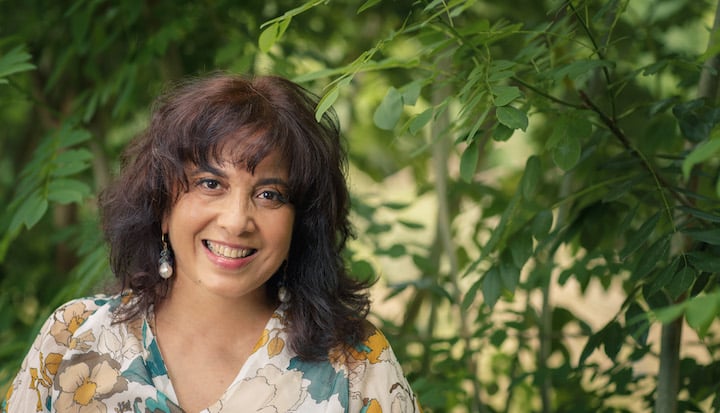
In 2006, my London-based publishing house, Dakini Books, published the critically acclaimed ‘Global Warning – The Last Chance for Change’, Paul Brown’s fact-based book on climate change and its consequences for the planet and humanity. This book gave me phenomenal insight into what to expect in the next 20 years, and more importantly what we need […]
Meet the Longlist: Unilever Global Development Award, Supported by Business Fights Poverty
For the fifth year in a row, Business Fights Poverty is partnering with Unilever and Business in the Community on an award that recognises businesses that demonstrate positive impact against one or more of the SDGs Business has a key role to play in helping drive progress on ending poverty and protecting the planet. More […]
Charting a Course for Robust Private Sector Engagement
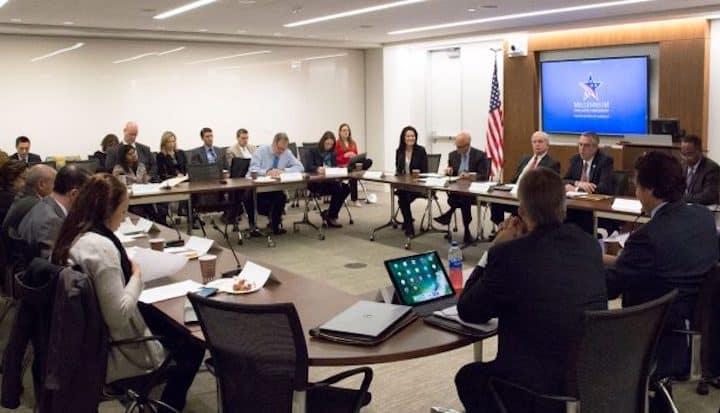
Since its inception, MCC has sought to engage the private sector as a key part of its mission of “Reducing Poverty Through Economic Growth.” Now in its 14th year, the agency has a strong foundation of experience and best practices gleaned from working with the business community to build upon. Yet how to best draw […]
Engaging the Private Sector for Development Results in Indonesia
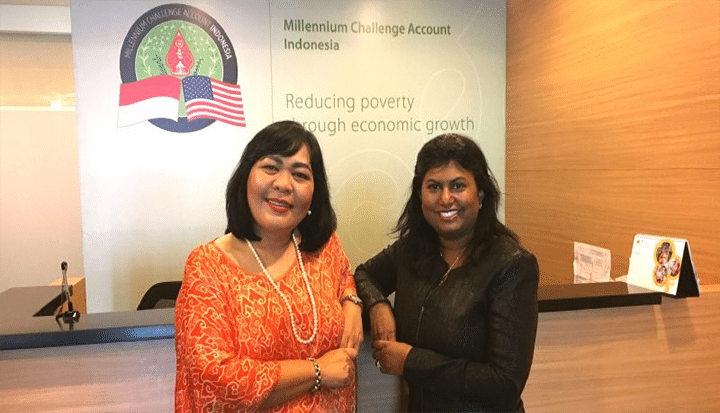
Last month, I had the great pleasure to meet Bonaria Siahaan who heads the Millennium Challenge Account-Indonesia, the locally led and staffed entity implementing the MCC’s Indonesia Compact in the country’s bustling capital Jakarta. From procurement modernization to maternal and child nutrition to energy efficiency, Bonaria and her team are working on innovative projects making a real difference in a […]
Are Standards an Effective Tool to Help Improve Production Practices Across Sectors?

As businesses increasingly strengthen their sustainability policies in line with the 2030 Sustainable Development Goals (SDGs), many are deepening their sustainability commitments. We know from an AidEnvironment review published last year that upstream and downstream businesses benefit in many different ways from working with sustainability standards, for example, 98% of studies reviewed show improvements in sales and […]
5 Ways Local Markets Help Refugees Rebuild Their Lives
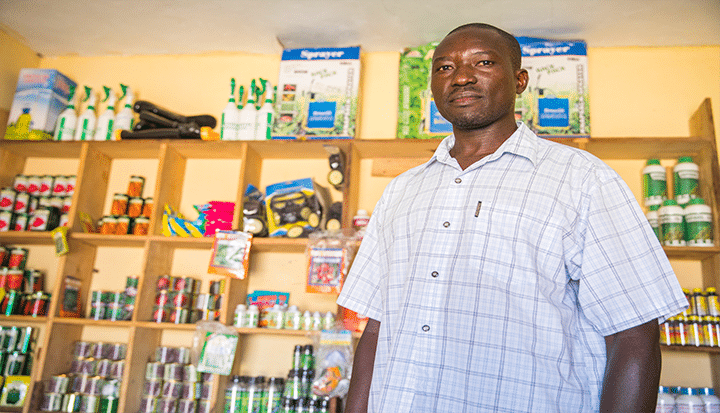
For four years, Uganda’s neighbour, South Sudan, has been at war with itself. This has resulted in two million people having had to flee their country, including one million to Uganda. 80 per cent of these are women and children. They are families who have lost loved ones, their homes, their land and their livelihoods, […]
Women Sea Salt Producers in Indonesia Cooperate to Seize New Economic Opportunities
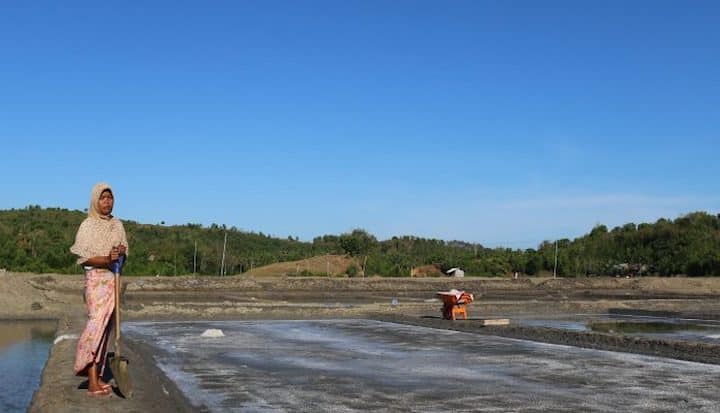
Traditional sea salt production has been practiced on the island of Lombok in Indonesia’s West Nusa Tenggara province for generations. It is labor-intensive work generally done by poor women like Mini Asmayanti. Mini earns less than $2 a day. This modest income, along with that of her husband, a fisherman, provides for them and their […]
How Can Business Help Strengthen Provision of High Quality, Low Cost Education for the Poor?
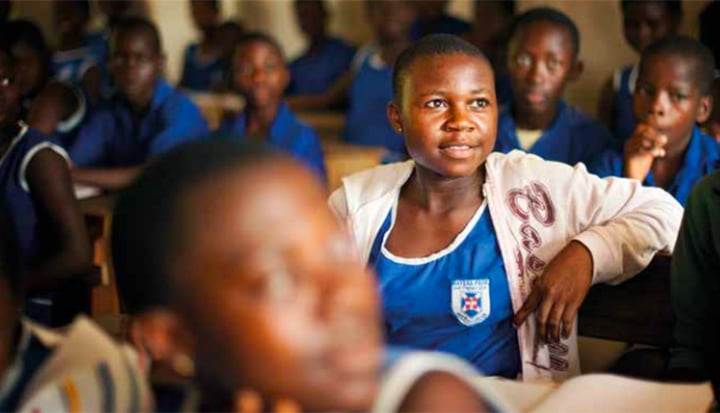
The expansion of choices available to low-income families seeking primary education for their children has been one of the striking changes seen along the uneven path towards quality Education for all. The abolition of tuition fees in government schools in many countries over the past twenty years has often been accompanied by overcrowded classrooms and […]