Together, To Get Every Child Learning
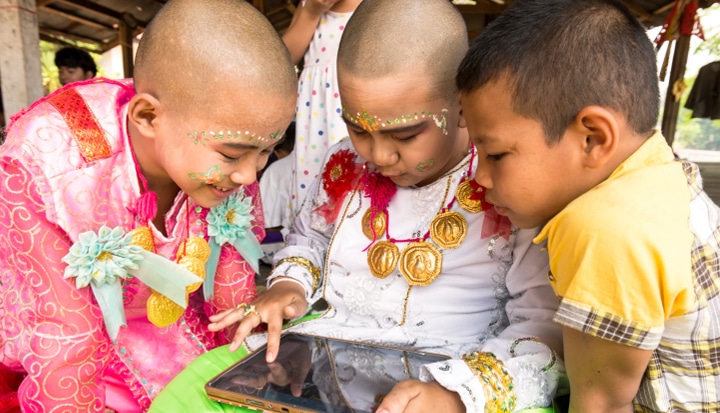
The single most important contribution that Pearson can make to society is to equip people with the skills they need to progress in life and work. But every day, millions of children miss out on the opportunity to attend school and to learn those skills. Half of all out-of-school children live in countries affected by […]
Corporate Support to Newborn Health
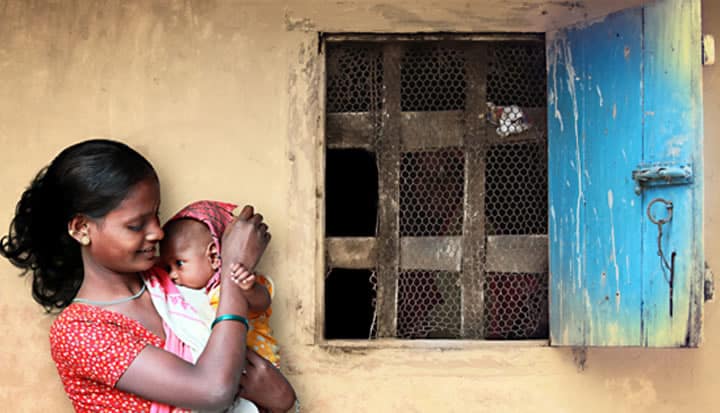
Photo: © ayzh By Leith Greenslade,Vice-Chair at the MDG Health Alliance The news that a handful of corporations comprised 40 percent of the new commitments made at the launch of the Every Newborn Action Plan in 2014 caught the attention of many in the global maternal and child health community. As a neglected area of […]
Changing Gender Roles and Nutrition in Bangladesh
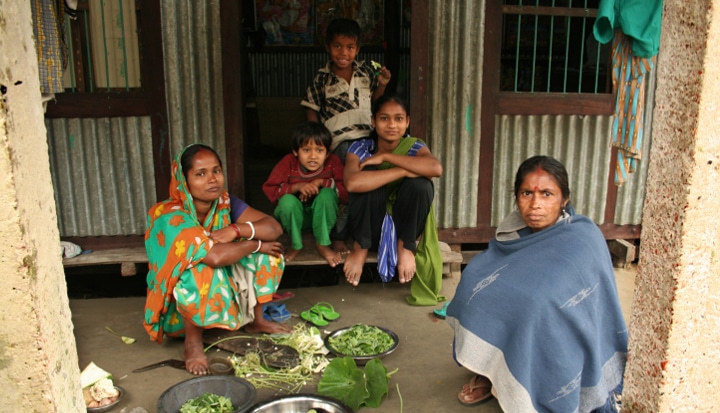
Every morning, Lipi cycles down the dusty roads of Mitapukur, a small village in northern Bangladesh, balancing a bag filled with products on her shoulder. Lipi is one of the 160 Nutritional Sales Agents that was trained by the PROOFS (Profitable Opportunities for Food Security) project, an initiative of the three NGOs ICCO, iDE, BoP […]
Is There Really Only One Health SDG?
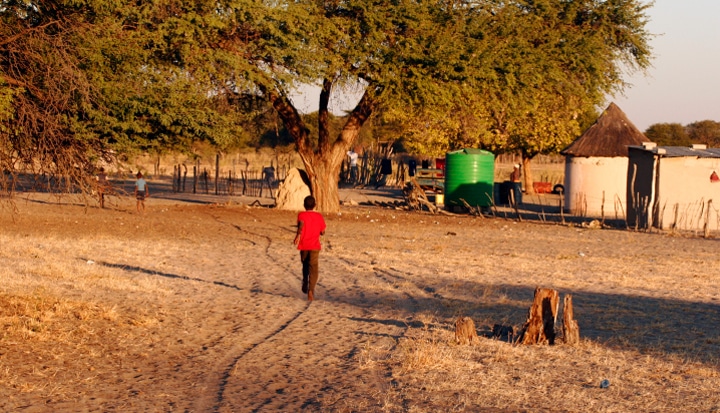
Many in the global health community were initially dismayed at the realization that there was only one goal devoted to health in the proposed Post-2015 Sustainable Development Goals (SDGs). “We had 3 out of 8 goals in the MDGs,” went the collective grumble, “health risks being marginalized in the SDGs.” The Business and Health Action […]
How Can Business Fight Ebola? Beyond “Gift-in-Kind”
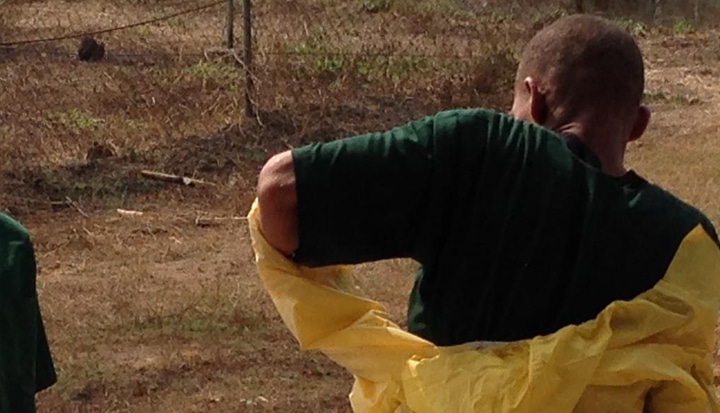
Tolbert Nyenswah, Liberia’s Assistant Minister of Health stated recently: “We must use this momentum not just to get back to where we were, but to build up health systems to last beyond this crisis and into the next.” (Devex, 3 Pitfalls Ebola Recovery must avoid, May 2015). While there is need to see opportunities for […]
UNICEF: Ebola and Technology
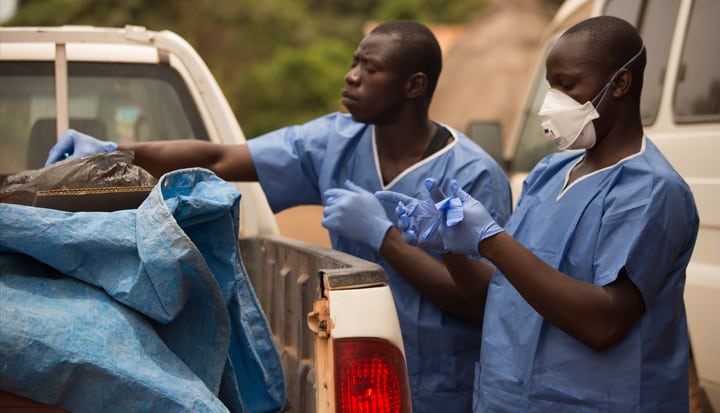
In our highly inter-connected world, nowhere seems very far away anymore. The scenes in West Africa where thousands of new cases of Ebola were being reported per week at its peak made very uncomfortable viewing and Unicef saw a huge surge in support from individuals and companies alike all keen to play their part in […]
Business Interests are Human Interests
The private sector had a lot to contribute to fight ebola and continues to play a role in the road to zero and future recovery. A lot of this was (and continues to be) outside the traditional framework of the private sector as donors. Some of these contributions are quantifiable, e.g. members of the Ebola […]
The Private Sector and Ebola, Working Towards Recovery
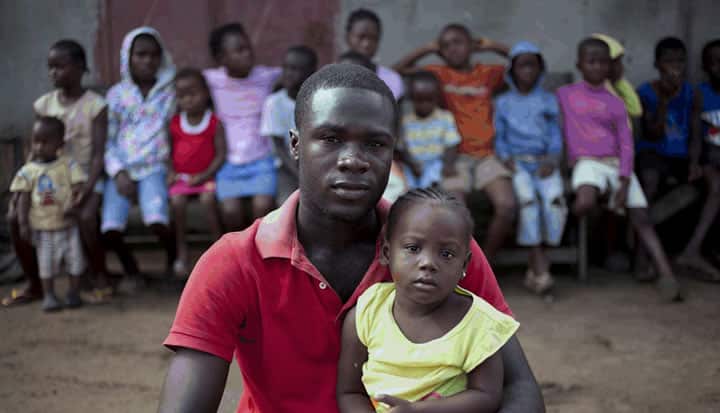
Stephen Seckor with one of his nieces, Monrovia, Liberia. Credit: Abbie TraylerSmith/Oxfam “Now I take care of 13 children. I lost four persons – my mother, my father, my two sisters. I was also very sick. Since I came back from the Ebola Treatment Unit I lost my job. I have nothing to do. I […]
The Role of the Private Sector in Post-Ebola Recovery
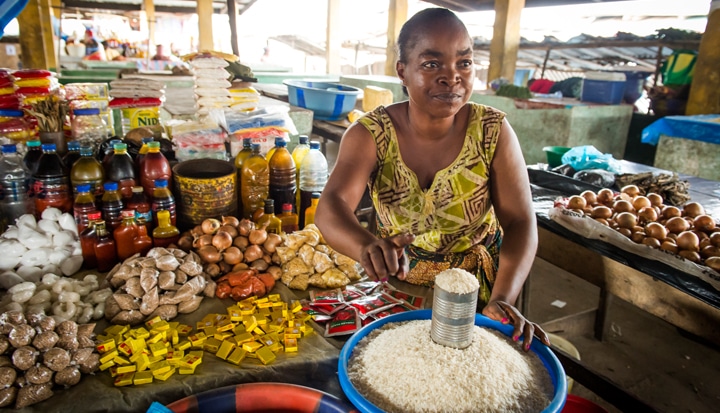
For more than one year Ebola has raged in West Africa. Thankfully, we are beginning to see the end of the epidemic with Liberia now having being declared ‘Ebola-free’ after 42 days with no new cases – and new infection rates at very low levels in Sierra Leone and Guinea. This is good news. But, […]
Getting to Zero and Beyond: Private Sector Contribution
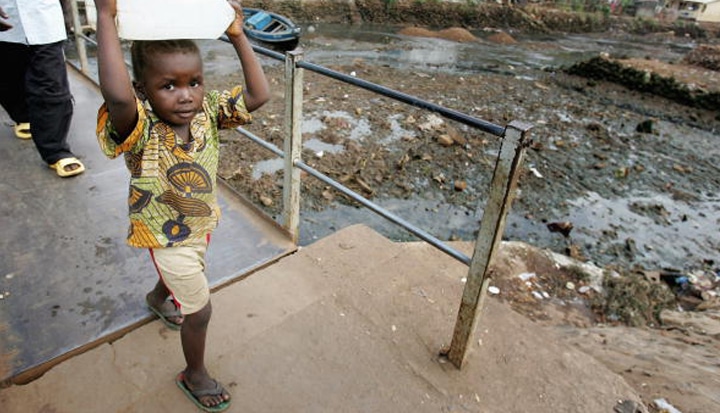
The Ebola outbreak in Liberia, Guinea and Sierra Leone has been an unprecedented development challenge and has prompted a huge international response, including from business who established the Ebola Private Sector Mobilisation Group (EPSMG). I recently joined the team in DFID leading the work in Sierra Leone, having spent the last 18 months developing DFID’s […]
Ebola – The View From Sierra Leone
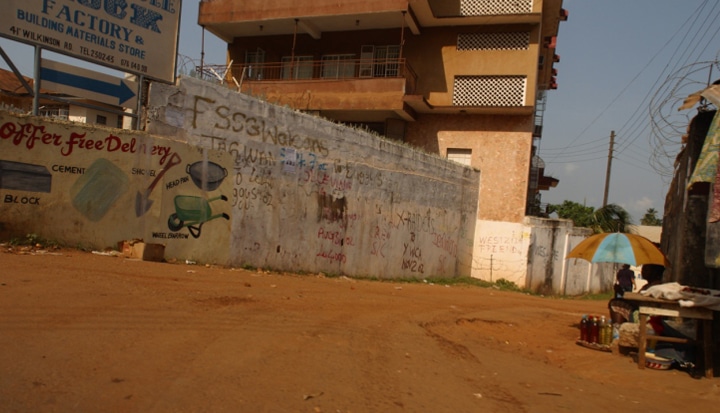
A few weeks ago, I travelled to Sierra Leone, the country at the epicentre of the Ebola crisis. More than 20,000 people here have suffered from the disease, and more than 10,000 have died – this, in a country that has spent more than a decade recovering from a devastating civil war. Standard Chartered has […]
Act Local, Think Global: The Food Revolution in Zambia
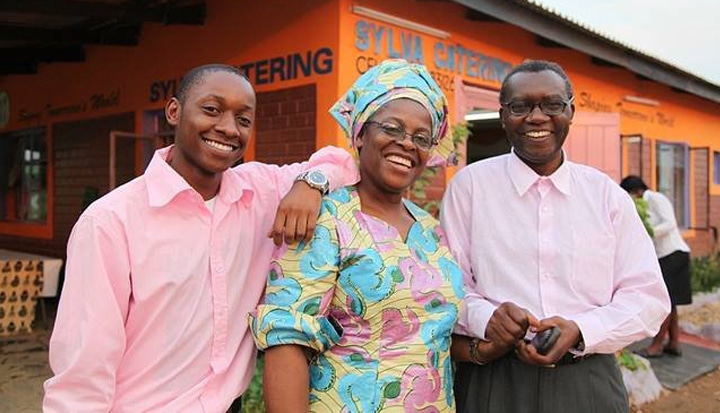
International conversation around food in Africa has traditionally been one of doom and decline. In 2012 the By Meera Patel, Operations Associate at Ashoka UK. You can follow Meera on Twitter. One third of all children suffering from acute malnutrition are located in Sub-saharan Africa. One in four people in the region are under-nourished, and […]
Defeating the Mythical Four-Eyed Monster in India
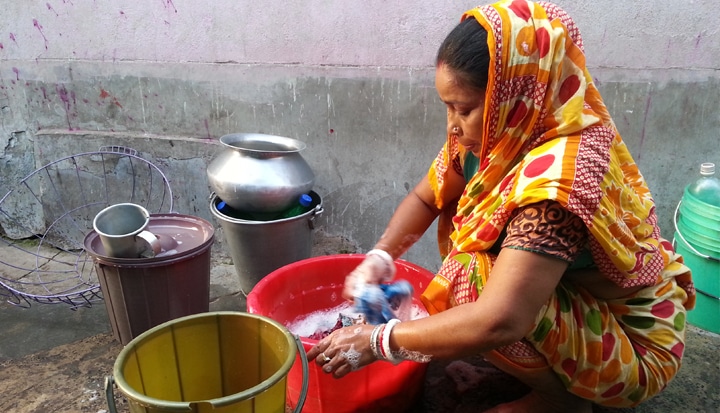
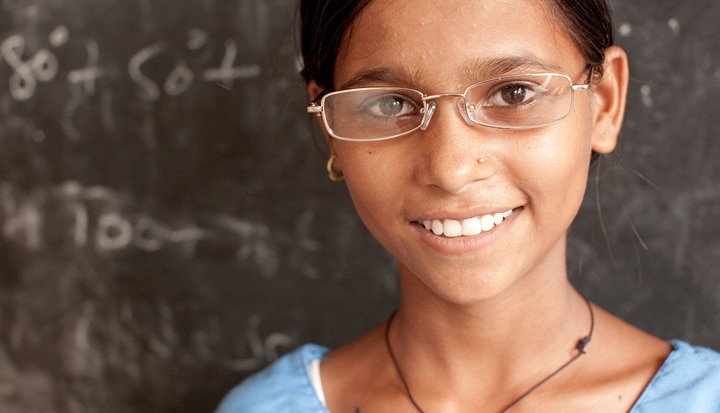
and private sector programmes at Sightsavers Wearing glasses and getting eye tests, in most developed countries, is now the norm. The stigma that used to be associated with wearing glasses has progressed to the point that they are now a fashion accessory, with some people owning several pairs to match their outfit or mood. Sadly, […]
Delivering Care to Last Mile Communities
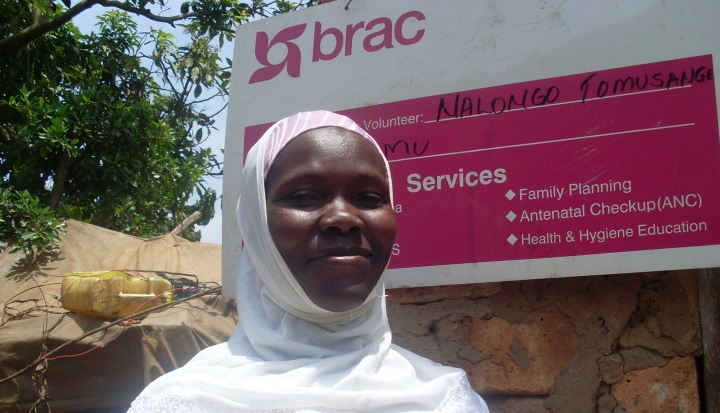
Traditional hospital-based services are not able to reach some of the world’s poorest and most remote villages. Over one billion people globally, including 400 million Africans, lack access to health services because they live too far from a health facility. Rural communities know that if a child becomes ill, the long walk for treatment could […]
Innovative Funding for Early Childhood Education
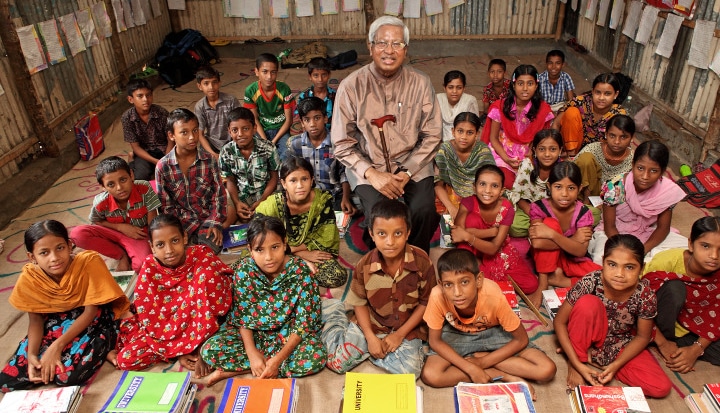
As fairly recent additions to the development acronym pool, Social Impact Bonds (SIBs) and Development Impact Bonds (DIBs) have been a source of increasing global interest and debate. These are funding mechanisms encouraging private sector capital flow to a new form of impact investing through tripartite agreements between three groups: investors who provide upfront capital, […]
Defeating Malaria and Reinforcing Health Systems
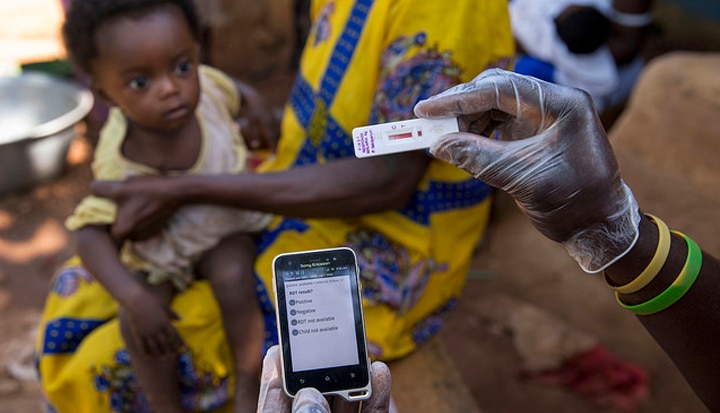
In the fight against malaria, we are finally seeing real progress – the result of many years of hard work. This year however is a critical juncture, bringing opportunities to consolidate and accelerate progress already made against the disease. Over the coming months, the World Health Organization and the Roll Back Malaria partnership will publish […]
Combating The Stigma of Glasses In India
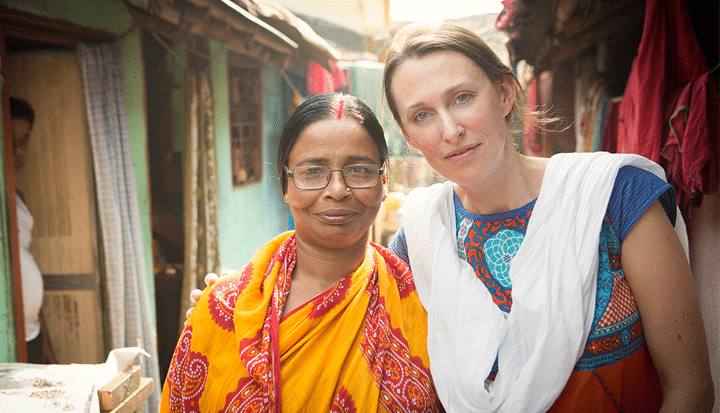
Anna has just returned from staying with families in the urban slums in Kolkata, India. Kolkata, formerly Calcutta, is the capital of the Indian state of West Bengal. Why is it that people in developing countries do not often have convenient access to basic health services or medicines, but that Coca-Cola can be bought even […]
Celebrating World Health Day With Business Ideas
The base of the pyramid as we knew it ten years ago has changed tremendously. Latin America and the Caribbean’s economic growth between 2000 and 2013 benefitted everyone in the region, from top to bottom. Millions of people emerged from poverty, and the segment of those living on $4-10 grew considerably. As their earnings increase, […]
An EU Backed Sanitation Stimulus in Poor Countries?
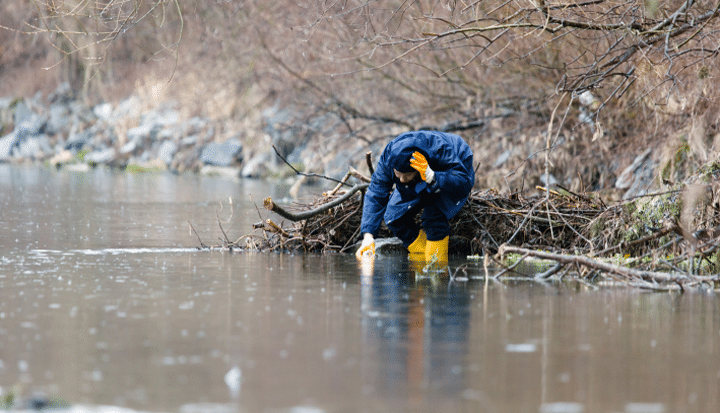
This Sunday (22nd March) is World Water Day. But there is little cause to celebrate. As the twin-track Post-2015 Development Agenda rolls on towards hopeful denouement at the end of this year, it is Millennium Development Goal no.7c (halving the proportion of people without access to safe drinking water and basic sanitation) that is the […]
Improving the Lives of 2.5m Farmers and their Families
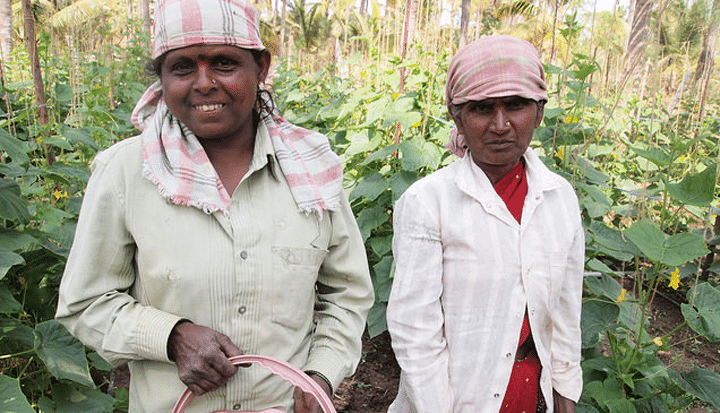
More than 90% of farms are run by an individual or a family and they produce about 80% of the world’s food, yet many family farmers face ill health and low productivity as a result of poor diets. The Food and Agriculture Organisation (FAO) calculates that around half of the world’s hungry people are from […]