
The Cost of Cash to Ghana’s Cocoa Sector

Although he was initially skeptical about the new system, Samuel has been won over. He likes the convenience: “Mobile money is more manageable. My children are spread around at different schools. When they call and need money, because I have it on my phone, I can immediately forward it to them.” He also likes the […]
Technology and Partnerships: Force Multipliers for an Inclusive Economic Recovery
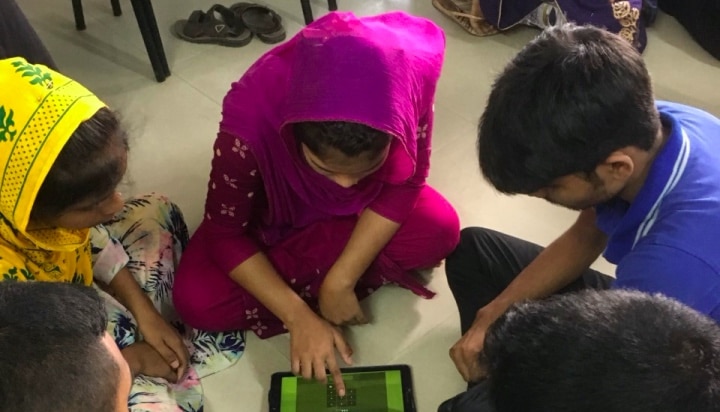
Digital technology has improved how workers get paid, expanded training opportunities and provided more real-time support for new entrepreneurs. For business owners, digital tools have increased important networks and opened access to credit so they can grow, among other benefits. As COVID-19 threatens to push upwards of 100 million more people into poverty as businesses […]
Inclusive digital payments solutions for the garment sector workers in Bangladesh

In March, when we announced the taka 5000 crore stimulus package (about $600 million) to pay workers’ salaries in export-oriented sectors, particularly ready-made garments which account for over 80% of the country’s exports, we encountered a major roadblock. Only 1.5 million of the 4 million workers were paid digitally. The rest were paid in cash. […]
Digital innovation to support African SMEs

COVID-19 may significantly hinder economic and social development across Africa. If the continent is to recover, then micro-entrepreneurs and SMEs will be the engine of growth. Local businesses will provide livelihoods for millions of people and goods and services to a growing consumer base. At the heart of this business-led recovery will be digital technology; […]
Why Supporting Businesses and Communities Through Mobile Technology is Vital to Combat COVID-19 in informal settlements.
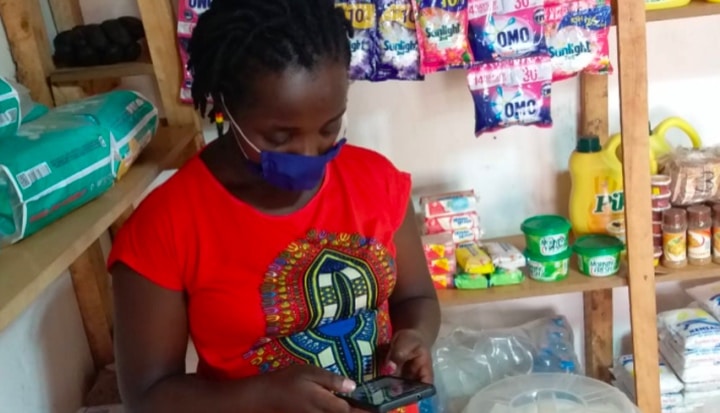
COVID-19 has increased the urgency for reliable, accessible and regular health information, and forced a shift to remote community engagement and greater focus on local-led responses. Our experience in Kenya shows that capacity building and mobilisation of local informal businesses through digital technology can empower high-risk communities with knowledge to combat COVID-19 and reduce financial […]
Technology and the Workplace: Putting People First

Work is the engine at the center of our economies. Shaping a future of work where people can thrive is essential for the achievement of the Sustainable Development Goals. Over 20 global member companies of the World Business Council for Sustainable Development (WBCSD) have collaborated to develop shared business principles aimed at putting people first when it […]
Calling Tech-Focused Ideas to Help Address COVID-19 Learning Emergency

The disruption will be felt long after the immediate crisis has passed and schools reopen and will be particularly serious in low-income countries across Africa, Asia and the Middle East. The evidence shows that disruptions to schooling due to things such as pandemics can cause: continued negative impacts on student enrolment and retention in school […]
COVID-19: Delivering Critical Information and Behaviour Change at Scale

Endcornavirus.africa and endcornavirus.co.ke are interactive one-stop-shops for COVID-19 prevention and management information in English for users across Africa using WHO guidelines, with the first language localised site in kiswahili for Kenya. Abi Gleek, Our Director of Digital Strategy, will be presenting the sites at the online ICT4D Conference in a session called ICT for COVID-19 Response: […]
How to Profitably Serve the Last Mile
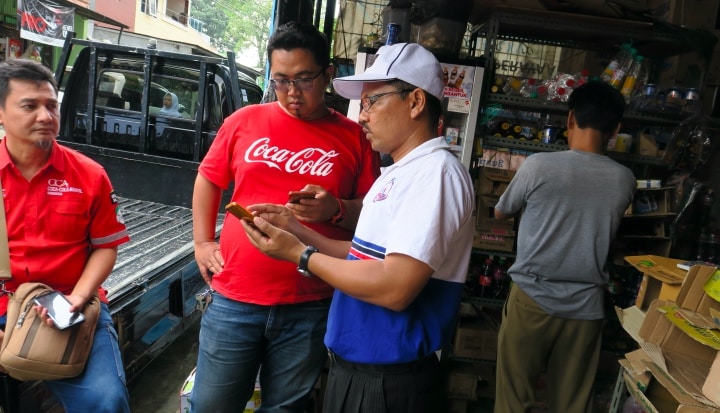
High cost of maintaining a single brand distribution network While some of the most profitable companies in the world are working on solutions for the last mile, the costs of maintaining these distribution networks remains a challenge, given the low profit margins. Even when product costs are low, maintaining a network of sales reps to […]
Fintech Opens New Opportunities for Private Sector to Support Cash Transfer Aid in Developing Countries

A new global network of blockchain-based community currencies, announced very recently, demonstrates how fintech is creating new ways for public and private sector partners to work together to help the most vulnerable. The two-year project will test, develop and distribute eVouchers, or Community Inclusion Currencies, held in mobile wallets on feature phones in some of […]
A Year at the Intersection Between Business and Social Impact

Fortunately for me, there was a role on offer supporting Katie Hyson, Director of Thought Leadership and the host of one of the ‘’. I didn’t think twice about accepting. I never imagined I would find myself working at the intersection between business and social impact, and the past twelve months have been beyond eye-opening. […]
Appropriate Technology for Serving the ‘Last Mile’ – The Need for Simple, Flexible and Scalable Solutions
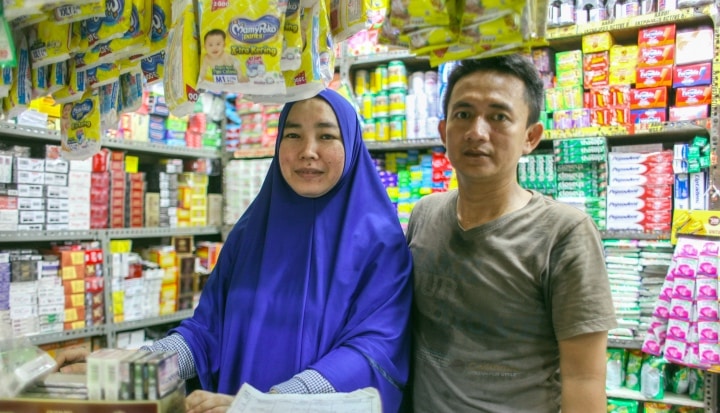
Technology Challenges With the widespread proliferation of mobile phones, most of the leading FMCG players have attempted various initiatives to use technology to reach and gain visibility of mass-market businesses. However, while mobile phones are a true game-changer, common misconceptions have plagued many of these initiatives: Assumption 1: Mobile Phone = Mobile Data The majority […]
Reaching the Elusive Last Mile – Challenges of Digitizing Indirect FMCG Distribution Channels in Emerging Markets
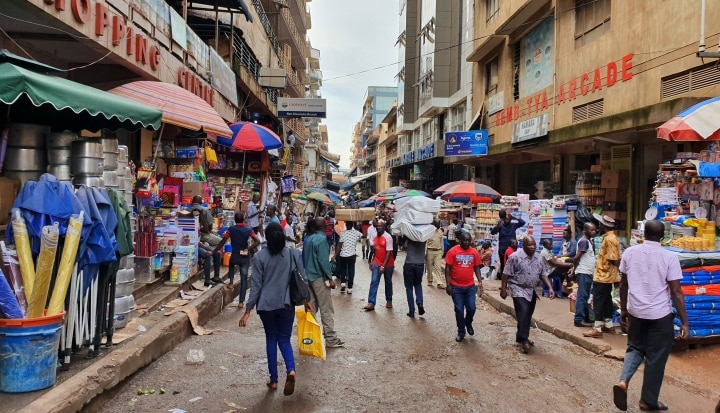
With over 400 million business not connected to the digital economy and an annual “offline” trade of $5 trillion (Based on World Bank Statistics), today’s global consumer facing companies realize that reaching the ‘elusive last mile’ is key to their bottom line and ongoing growth. However, despite many efforts, ranging from partnerships with NGOs and […]
Opportunities in Africa: Innovation and Digital Infrastructure
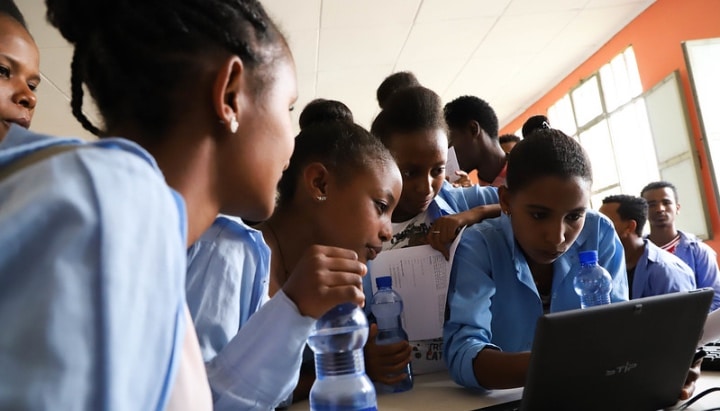
The world of technology is changing rapidly and the African continent is changing with it. For the first time in history, more than half of the world’s population is using the Internet – of all regions, the strongest growth has been reported in Africa. It is a continent full of hope and innovation, in particular […]
Tackling Recruitment-Fee Debt Bondage Through Technology

Recruitment-fee debt bondage is the most widespread expression of modern slavery. In many parts of the world, it is common for the costs of recruitment to be borne by the workers themselves. Other costs – for example, travel, visas and medical expenses – compound the problem. Workers go into debt to pay these up-front fees […]
How Should Businesses Be Using Tech to Tackle Complex Issues Like Social Isolation?

When we think of social isolation it’s very easy to picture older, lonely people. But in reality, isolation affects people of all ages and backgrounds. More than one in five people in the UK feel lonely at least some of the time, making social isolation a major public health issue. The charity sector is rising […]
Working Towards a Digitally Inclusive and Connected South Africa

In 2018 the Pathways for Prosperity Commission was formed to address a pertinent and increasingly important question: What are the pathways to prosperity for the world’s poor in the coming digital age? In a global report, the Commission defined five potential pathways for inclusive growth in the digital age as well as a framework to help […]
How Tech Investments Can Help Smallholders in India

Inequality in income and availability of work between rural and urban areas are large contributors to a country’s overall economic inequality. In India, agriculture still employs more than half of the workforce, but wages are low and with rising education levels many young people no longer aspire to take over the family smallholder farm. Instead, […]
Buy Leadership, Sell Poverty – How Finance Can Boost Value in Agricultural Supply Chains

Financial access and inclusion continue to be sold to farming communities in the world’s leading supply chains at the very price of poverty. How do we reduce this toxic trade-off, why is it taking so long and how does it impact the planet’s future? Tasneem Mayet, Business Fights Poverty Ambassador, shares insights from conversations had […]
How Can Technology be Utilised by Businesses to Tackle Modern Slavery in their Global Supply Chains?

Our New York Conference provided an opportunity to explore how strengthening companies’ two-way, real-time engagement with workers in their supply chains is improving worker well-being, and helping to address modern slavery. During the discussion, we uncovered emerging examples of technology assisting in this process, and asked what lessons we can learn from companies’ experiences to […]