Growing Food in a Resource Scarce World
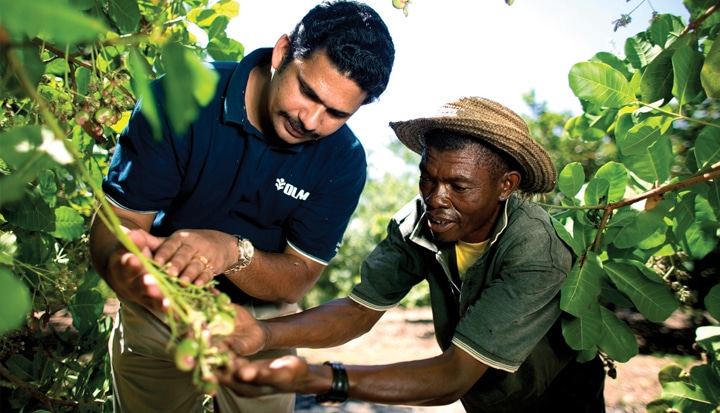
The world is changing. And those changes bring with them new structural challenges. Rapid population growth, increasingly scarce resources, food lost or wasted and climate change are putting enormous pressure on agricultural productivity which is vital for food security and livelihoods. No one will be immune from the effects of climate change. But it will […]
The Next Step for Sustainable Supply Chains
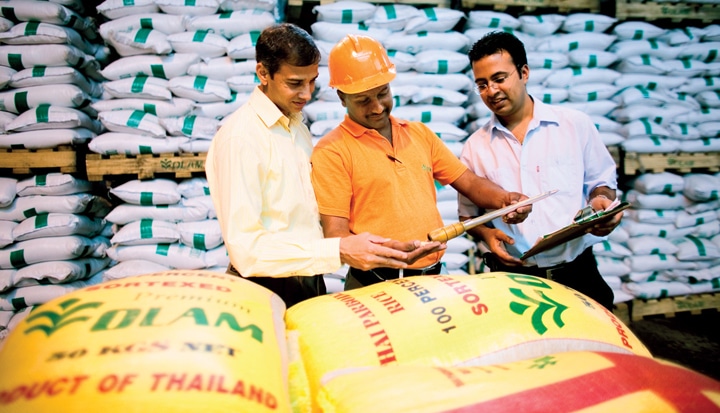
Supply chains are complicated and none more so than those of a retailer like M&S with our thousands of food, home, clothing and beauty products. Beyond our product suppliers are many processors, traders, ingredient manufacturers, wholesalers and farmers who we need to support our sustainability ambitions. Certification has been the traditional approach to managing these […]
Business & the SDGs: How Can We Deepen Scale & Impact?

The role of the private sector in realizing the UN Sustainable Development Goals (SDGs) is widely recognized. What remains unclear is how exactly business should contribute most effectively and responsibly to the broad development objectives that government leaders will adopt this September. The SDGs will affirm the importance of the private sector in achieving economic […]
Business & the SDGs: How Can We Deepen Scale & Impact?
The role of the private sector in realizing the UN Sustainable Development Goals (SDGs) is widely recognized. What remains unclear is how exactly business should contribute most effectively and responsibly to the broad development objectives that government leaders will adopt this September. The SDGs will affirm the importance of the private sector in achieving economic […]
Divine Chocolate: Empowering Women Cocoa Farmers
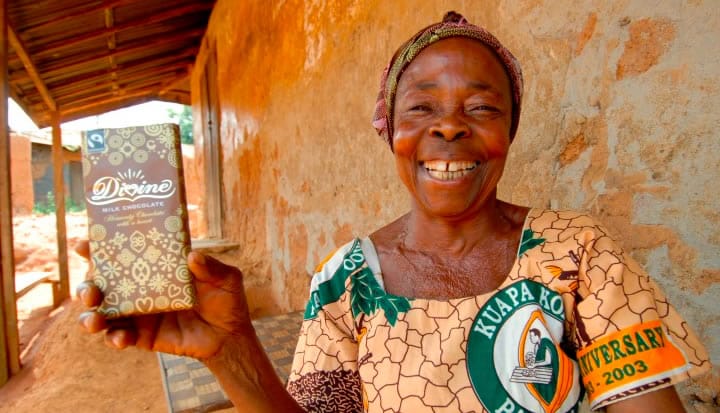
An interview with Charlotte Borger, Communications Director, Divine Chocolate 1. How does Divine Chocolate work with women in your supply chains? (If you have any specific examples of women being empowered by project(s) you have run, or as a result of your efforts, please mention here). Divine Chocolate is a UK based Fairtrade chocolate company […]
The Girls’ Education Challenge in Afghanistan
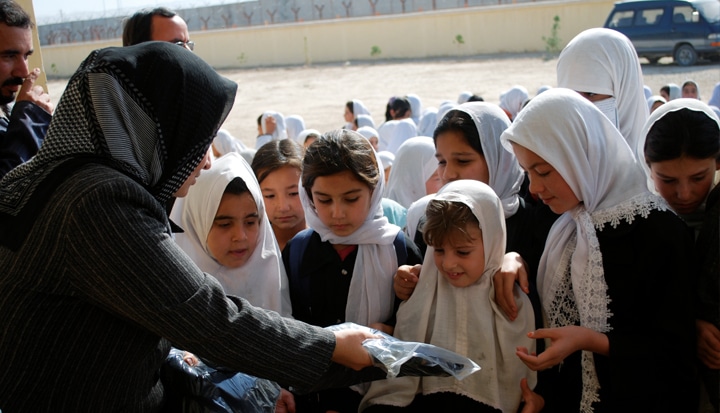
As the Fund Manager for the Girls’ Education Challenge (GEC), we are extremely limited in our ability to visit field project locations in Afghanistan. It is designated as too ‘high risk’. For this reason, we held our recent Annual Review workshop with project teams in the Sri Lankan capital of Colombo. These teams have similar […]
Collaborating to Enhance Women’s Business Skills
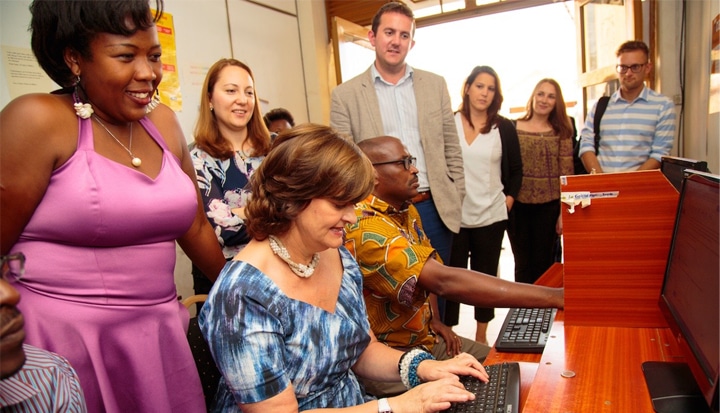
Cherie Blair, Sevi Simavi and team with Yvonne at her cyber cafe. Credit: William Hirtle/Cherie Blair Foundation for Women. After surviving the Rwandan genocide 21 years ago, Yvonne worked hard to rebuild her life. She now runs a busy cyber café on a bustling street in Kigali. She set up this business in 2011 and, […]
On Business, Human Rights and Globalisation

As we release our first Human Rights report, Professor John Ruggie argues that caring for people and planet, in addition to being the moral imperative of our time, must become a core business mission. The issue of business and human rights is not new. After all, the slave trade involved businesses; governments were complicit; and […]
Readying Young People for a New Jobs Market
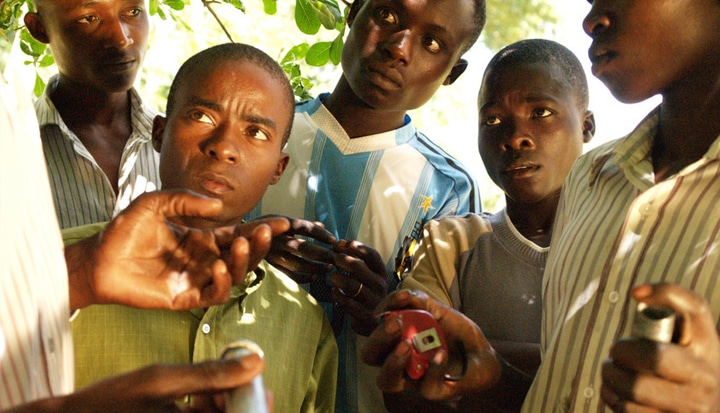
The second report in VSO’s Producing Progress series looks at a programme based in Tanzania: Enhancing Employability through Vocational Training (EEVT). The reports draw out lessons from a variety of programmes, including those that improve employment opportunities, strengthen markets for smallholder producers and align skills needs with supply. The EEVT project, started in 2012, is […]
Centres of Excellence Boost for Future Jobs
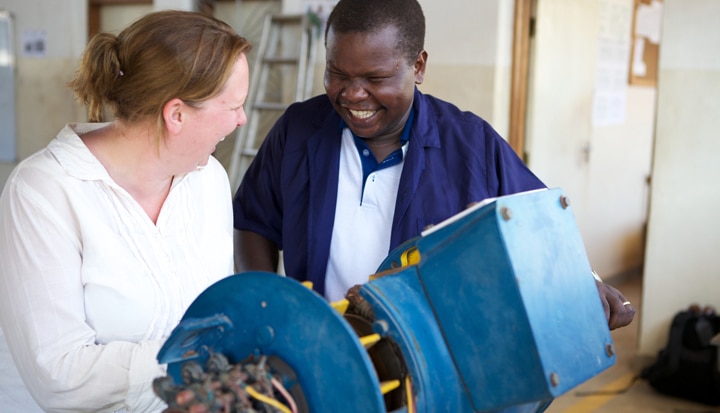
The first report in VSO’s Producing Progress series focuses on a programme in Kenya that tackles inequality through improving the provision of skills for entrepreneurship for marginalised groups, youth and women in particular. The reports draw out lessons from a variety of programmes, including those that improve employment opportunities, strengthen markets for smallholder producers and […]
Scaling Financial Inclusion for Micro-Enterprises
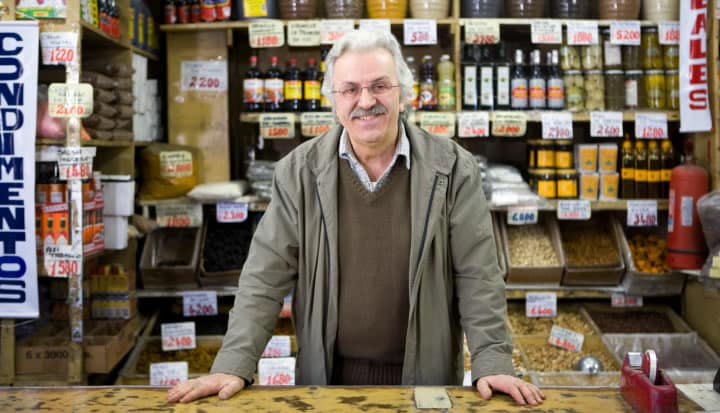
As world leaders gather in Addis Ababa to consider how to finance and deliver the new Sustainable Development Goals (SDGs), a recent dialogue in London attended by businesses, donors and civil society, has identified seven key actions to increase financial inclusion for micro-enterprises. Increasing finance to small businesses is an important priority for the Financing […]
Is Pakistan Really Open for Business?
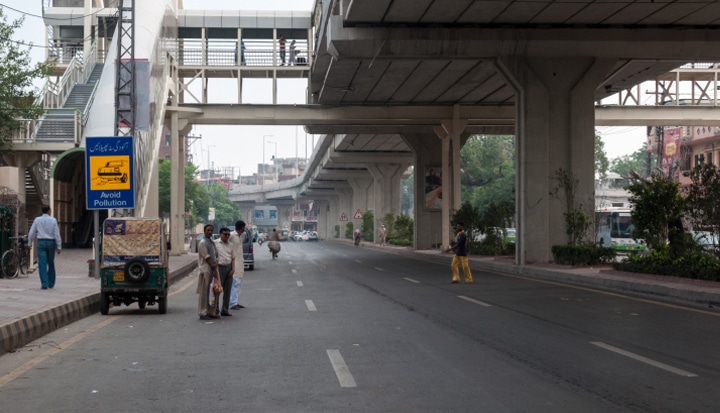
After my first trip to the country last week, I’d say a resounding yes. And I’d also say that in the long-term, it’s business that will lead Pakistan to prosperity. But that means investment – and, despite the country’s impressive progress in recent years, international investors in Pakistan are in short supply. The Economist recently […]
Doing Good for Children is Good for Business
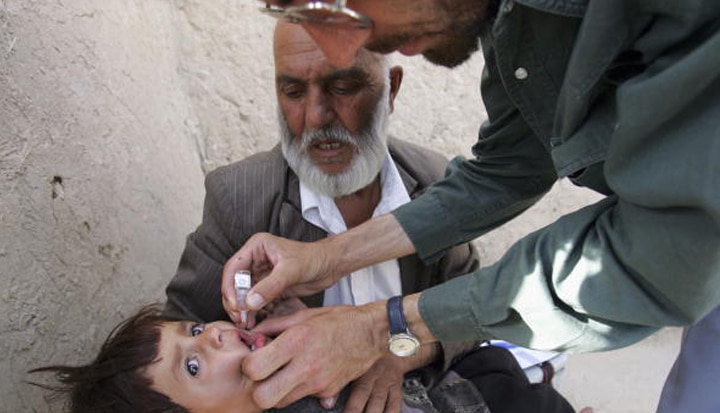
Lack of access to basic services such as water and sanitation, education and healthcare today prevent millions of children from surviving and realising their full potential. Combating the enormous threat these inequities pose to the wellbeing of children all over the world is a huge task and one that needs innovative ideas and solutions from […]
To Change the World We Must Change Ourselves
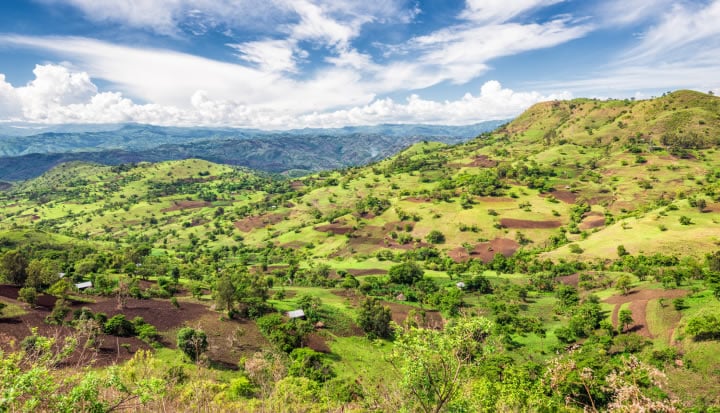
The Mediterranean sea has become a graveyard for Africa’s youth. Every day, we see images of what would appear to be a continent racked by conflict and poverty, and people risking – often losing – their lives in an attempt to flee . Yet Africa has 11 of the 20 fastest growing economies in the […]
Building a Grid-free Future with Limitless Potential
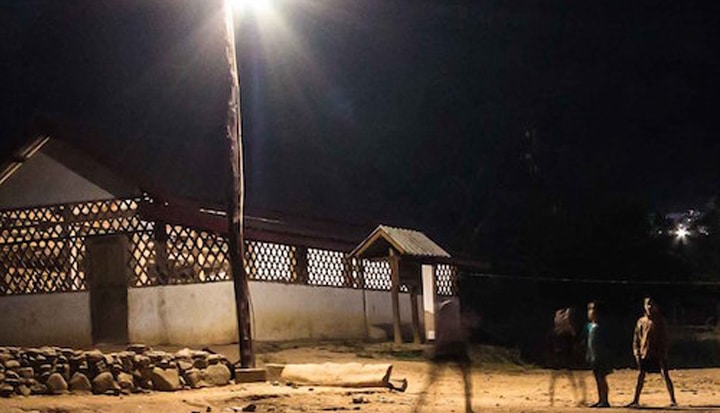
When we launched our “Going Off Grid” series last year on NextBillion, we were optimistic about the future of off-grid energy investment. At that time, the IFC-World Bank’s Lighting Africa Program predicted that Africa will become the world’s largest market for clean off-grid lamps, with up to 140 million people having access to better lighting […]
What are the Principles for Responsible Investment?
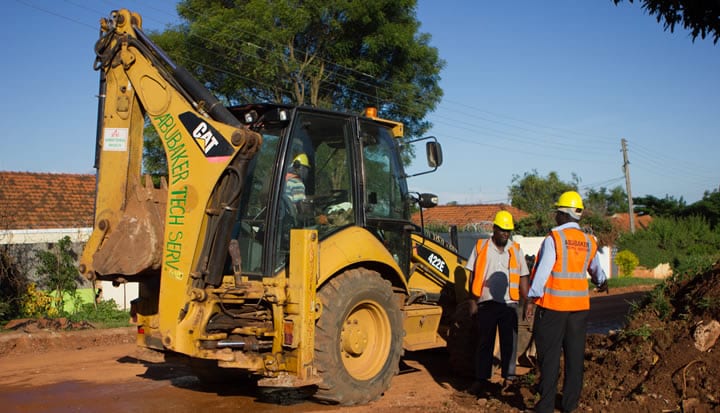
Responsible investment is an approach to investment that explicitly acknowledges the relevance to the investor of environmental, social and governance (ESG) factors, and the long-term health and stability of the market as a whole. The United Nations-supported Principles for Responsible Investment Init… is an international network of investors working together to understand the implications of […]
Collaborating, Evaluating and Changing Attitudes
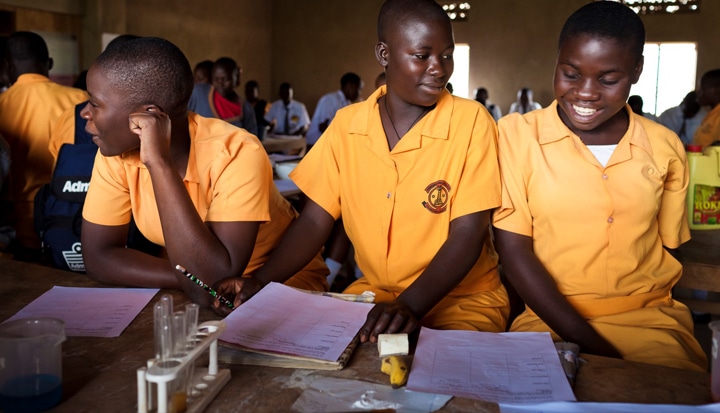
Photo Credit: PEAS Uganda With the support of the UK Department for International Development (DFID), the Girls’ Education Challenge (GEC) is supporting 37 projects working in 18 countries. On a recent trip to Uganda, I had the opportunity to see six of these projects (listed below) in action. There were a few insights that struck […]
Access to Sustainable Technology Through Microfinance

Pollinate Energy improved the lives of India’s urban poor by providing access to sustainable technology through microfinance, using a network of local distributors, termed ‘Pollinators’. Social impacts Children were able to study at night and adults able to do household work later, saving the daylight hours for productive income-generating work. Customers improved their health by […]
Building Young Futures
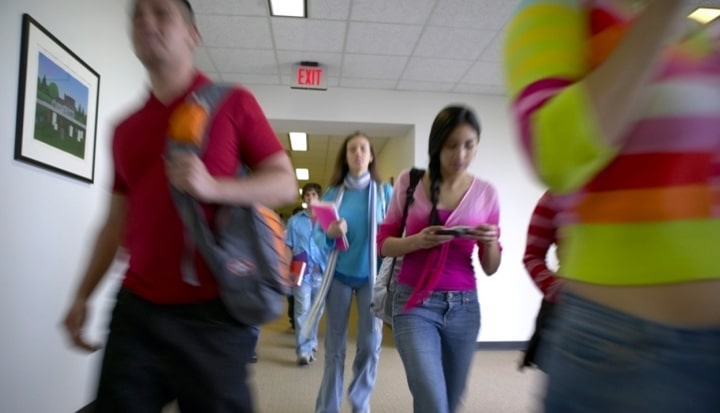
This partnership between Barclays and UNICEF tackles youth unemployment by giving young people the skills, knowledge and confidence to set up their own small business or find a job. Social impacts The programme trained 72,921 young people in enterprise, financial, employment and life skills; 28,000 young people have started saving. Has led to the creation […]
Affirmative Action Employment Training in India
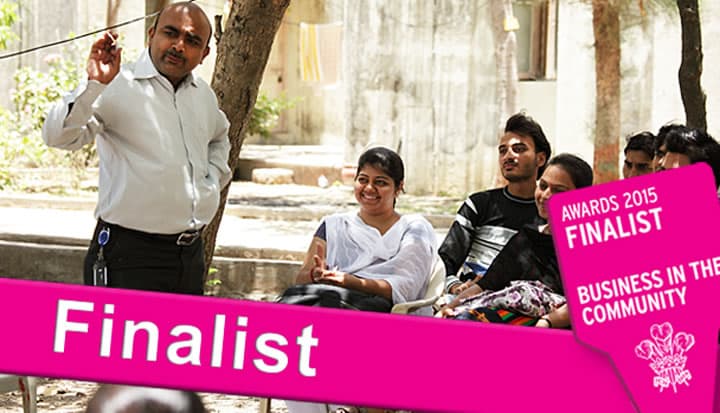
TCS Affirmative Action Employment Training has increased the employment prospects of women and young people in India’s most marginalised communities, the Scheduled Castes/Scheduled Tribes (SC/ST). Social impacts Over 42,000 people were trained over five years, 16,800 of whom came from underprivileged SC/ST communities. 50% of the total numbers trained were women (21,042 out of 42,000) […]