A Year at the Intersection Between Business and Social Impact
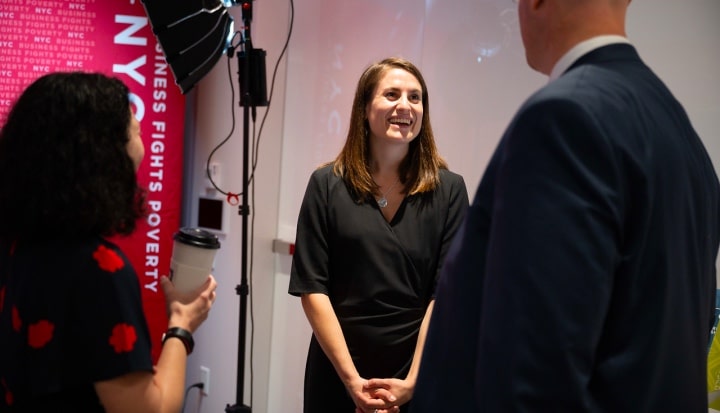
Fortunately for me, there was a role on offer supporting Katie Hyson, Director of Thought Leadership and the host of one of the ‘’. I didn’t think twice about accepting. I never imagined I would find myself working at the intersection between business and social impact, and the past twelve months have been beyond eye-opening. […]
Appropriate Technology for Serving the ‘Last Mile’ – The Need for Simple, Flexible and Scalable Solutions
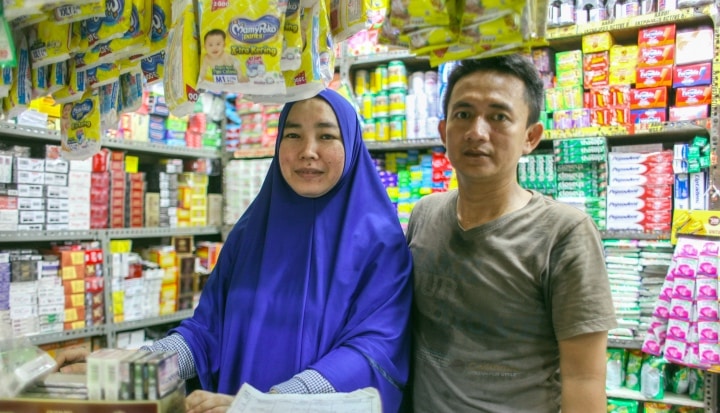
Technology Challenges With the widespread proliferation of mobile phones, most of the leading FMCG players have attempted various initiatives to use technology to reach and gain visibility of mass-market businesses. However, while mobile phones are a true game-changer, common misconceptions have plagued many of these initiatives: Assumption 1: Mobile Phone = Mobile Data The majority […]
Harnessing the Power of Businesses to Advocate for Change
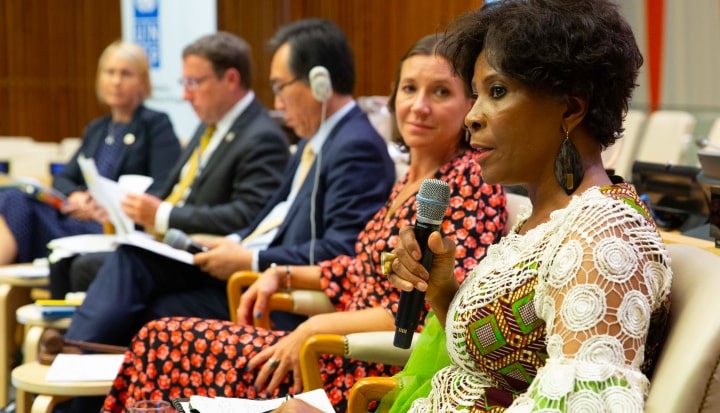
Improving social responsibility requires broad, holistic engagements that reach beyond company walls to influence stakeholders and decision-makers, fostering cross-sector partnerships to drive change. With their size and reach, multinational companies are in a position to influence their peers, investors and political leaders to step up the action for sustainable development. By cooperating with each other, […]
Working With Business to Stop Corruption

Bribery and corruption scandals have a major impact on every aspect of a company, from fines and reputational damage to internal issues such as the erosion of staff morale. Furthermore, bribery creates an unequal playing field, syphoning billions out of markets and takes a huge toll on the world’s poorest people. A world without bribery […]
Nestlé’s System to Tackle Child Labor Works – Now We’re Scaling It Up
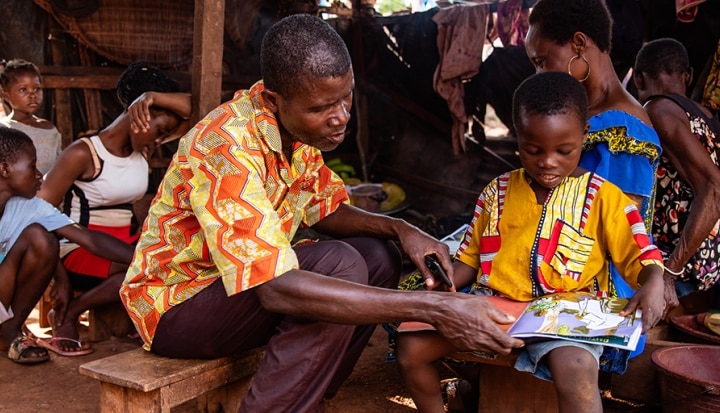
Our system was successful in tackling child labor in just over half of cases in the 2019 reporting period. Strong progress, but now we’re going further. What underlies the successes we’ve had, and how can we improve? Well, the system’s strength stems from the fact that we’ve built it from the ground upwards. Our 1,640 […]
Reaching the Elusive Last Mile – Challenges of Digitizing Indirect FMCG Distribution Channels in Emerging Markets
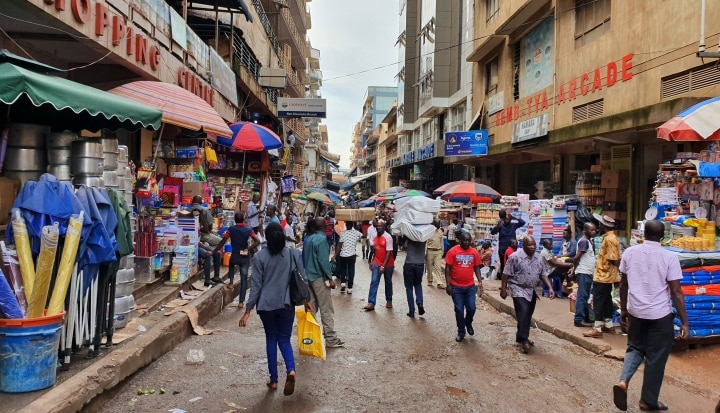
With over 400 million business not connected to the digital economy and an annual “offline” trade of $5 trillion (Based on World Bank Statistics), today’s global consumer facing companies realize that reaching the ‘elusive last mile’ is key to their bottom line and ongoing growth. However, despite many efforts, ranging from partnerships with NGOs and […]
Opportunities in Africa: Innovation and Digital Infrastructure
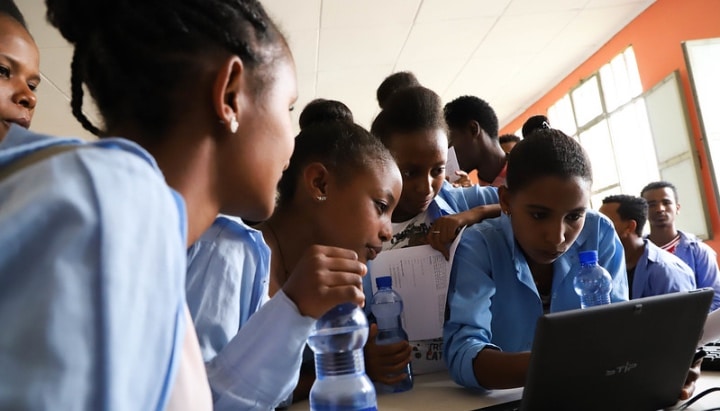
The world of technology is changing rapidly and the African continent is changing with it. For the first time in history, more than half of the world’s population is using the Internet – of all regions, the strongest growth has been reported in Africa. It is a continent full of hope and innovation, in particular […]
Tackling Recruitment-Fee Debt Bondage Through Technology

Recruitment-fee debt bondage is the most widespread expression of modern slavery. In many parts of the world, it is common for the costs of recruitment to be borne by the workers themselves. Other costs – for example, travel, visas and medical expenses – compound the problem. Workers go into debt to pay these up-front fees […]
Daring to Dream? The Realities and Risks for Adolescent Girls Living in Fragile and Conflict Affected Areas

The toxic mix of conflict and violence, poverty, limited access to education and gender inequality leaves girls and young women at high risk of exploitation. Traffickers cash-in on girls’ dreams by promising well-paid jobs and an escape from poverty and crisis, but in reality it’s a path to exploitation. As Plan International UK we have […]
It’s Time for Business Leaders to Raise their Voices for Human Rights
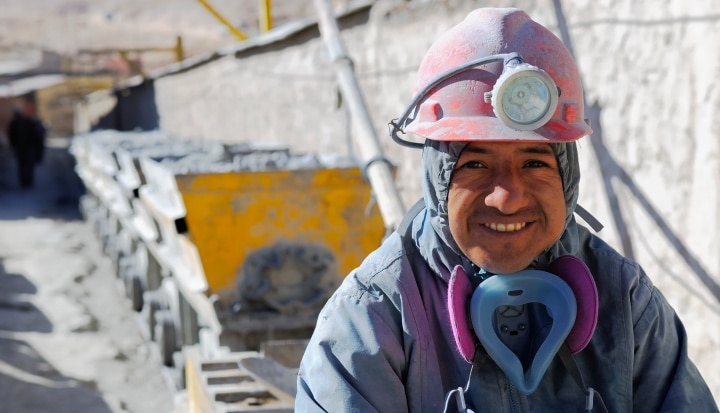
Something strange has been happening in the world of business and human rights. Leaders of multinational corporations around the globe are speaking out about the negative human rights challenges faced in their operations and supply chains. Where most companies seek to avoid any public association with human rights issues, these business leaders are breaking the […]
Seizing the Moment: Company Strategies to Address Sexual Harassment
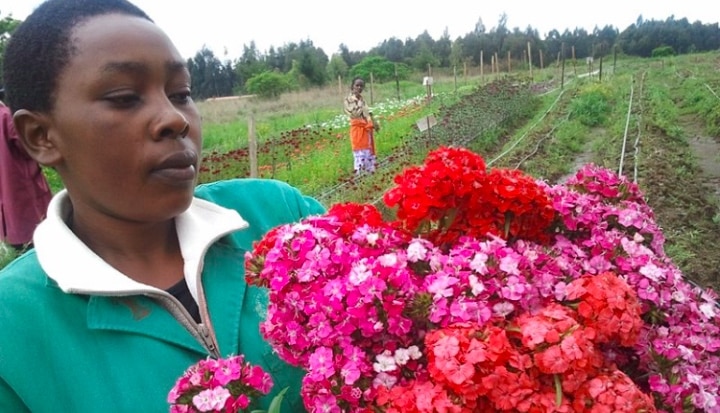
The #MeToo movement has highlighted how pervasive sexual harassment is across sectors and countries. These issues affect, on a daily basis, millions of women workers producing the food, garments and electrical goods we buy in our shops. Gender and Work in Global Value Chains: Capturing the Gains? is recently published, drawing on years of research. […]
How Should Businesses Be Using Tech to Tackle Complex Issues Like Social Isolation?

When we think of social isolation it’s very easy to picture older, lonely people. But in reality, isolation affects people of all ages and backgrounds. More than one in five people in the UK feel lonely at least some of the time, making social isolation a major public health issue. The charity sector is rising […]
Self Devouring Growth

We all know that the dividends of growth and progress have not been adequately shared with people living at the bottom of the pyramid. Growth has disproportionately and negatively affected people in poor locales, or it will do so in the decades to come. Lower income communities and the Global South will be least resilient […]
Working Towards a Digitally Inclusive and Connected South Africa

In 2018 the Pathways for Prosperity Commission was formed to address a pertinent and increasingly important question: What are the pathways to prosperity for the world’s poor in the coming digital age? In a global report, the Commission defined five potential pathways for inclusive growth in the digital age as well as a framework to help […]
Five Questions on Partnership with the Pollinate Group
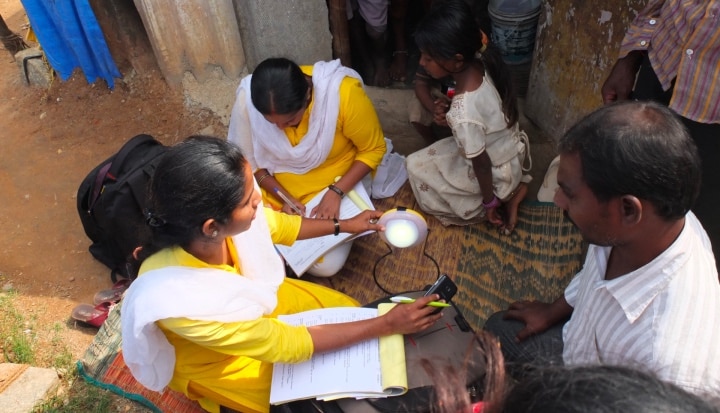
1.What is Pollinate Group’s business model? Pollinate Group is a social enterprise with a mission to empower women as leaders of change to distribute products that improve health, save time and save money for the world’s most neglected communities. It was established in Bangalore in 2013, and later expanded to Hyderabad, Kolkata, Kanpur and Lucknow. […]
How Tech Investments Can Help Smallholders in India
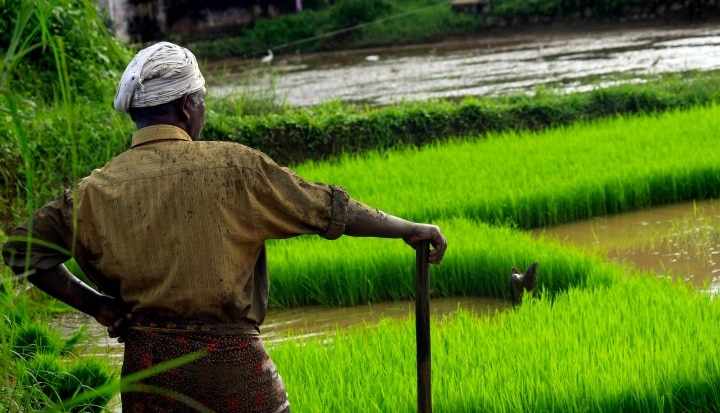
Inequality in income and availability of work between rural and urban areas are large contributors to a country’s overall economic inequality. In India, agriculture still employs more than half of the workforce, but wages are low and with rising education levels many young people no longer aspire to take over the family smallholder farm. Instead, […]
Buy Leadership, Sell Poverty – How Finance Can Boost Value in Agricultural Supply Chains
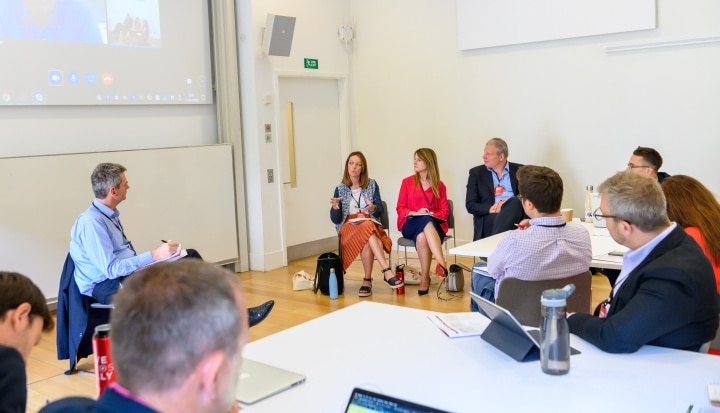
Financial access and inclusion continue to be sold to farming communities in the world’s leading supply chains at the very price of poverty. How do we reduce this toxic trade-off, why is it taking so long and how does it impact the planet’s future? Tasneem Mayet, Business Fights Poverty Ambassador, shares insights from conversations had […]
How Can Business Accelerate Career Opportunity for Entry-Level Workers to Ensure the Future of Work is Strong and Inclusive?
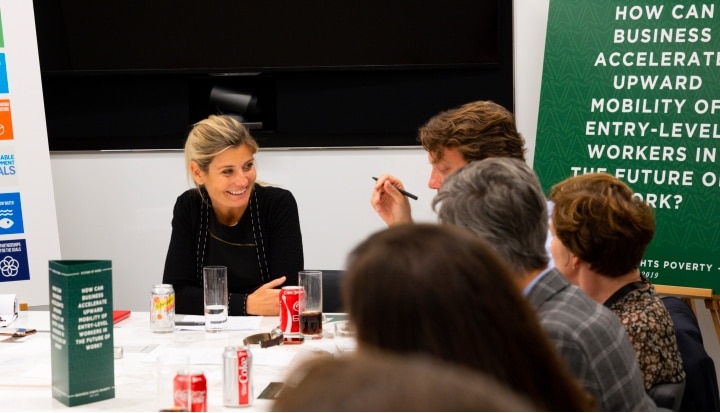
During Business Fights Poverty New York, a select group of professionals from the business, academia and the international development community explored how companies are responding to disruptive trends affecting the Future of Work, such as automation, the rise of artificial intelligence, and new forms of independent employment and how companies are preparing their workforce for […]
How Can Companies and Investors Collaborate to Embed Purpose Authentically into Business?
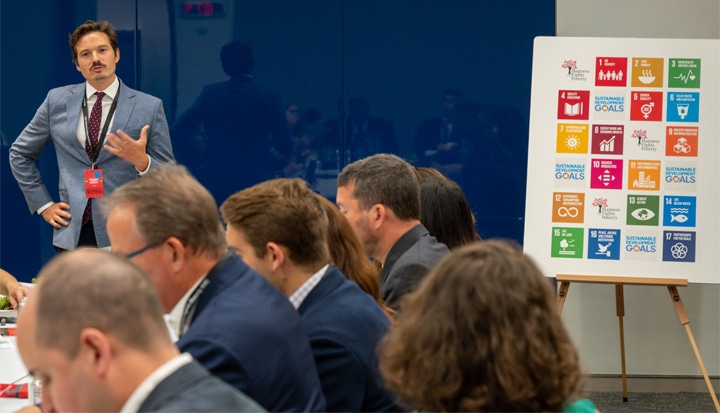
“How can companies and investors collaborate to embed purpose authentically into business?” As part of our Challenge on Purpose supported by GSK, VISA and Unilever, Business Fights Poverty convened a meeting of around 30 representatives from companies, financial institutions, NGOs and development institutions to discuss this pertinent topic. The benefits of business purpose – for […]
How Can Technology be Utilised by Businesses to Tackle Modern Slavery in their Global Supply Chains?

Our New York Conference provided an opportunity to explore how strengthening companies’ two-way, real-time engagement with workers in their supply chains is improving worker well-being, and helping to address modern slavery. During the discussion, we uncovered emerging examples of technology assisting in this process, and asked what lessons we can learn from companies’ experiences to […]