Safer Workplaces – How Companies Can Support Survivors of Domestic Violence and Abuse
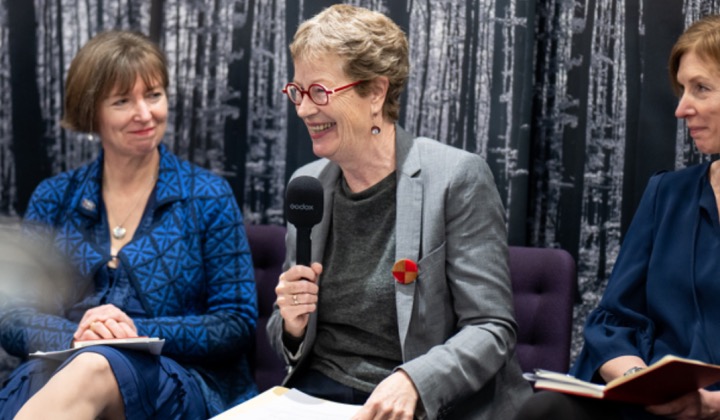
A few years ago, companies wouldn’t want to talk about domestic violence and abuse. What’s changed, andwhy are companies increasingly looking at this issue? It’s broadly three things. First, companies have more awareness of the workplace impacts of domestic violence and abuse, which increased dramatically during COVID-19. We know that as many as 90% of […]
Stop Talking and Start Listening: Women Respond in Crisis
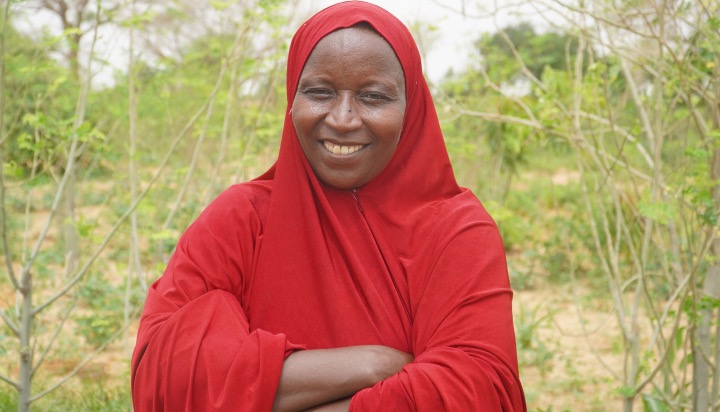
There are few certainties in life, but one I have come to recognize, is that women in crisis will always take incredible action – whether there is outside intervention or not. As we release the latest findings of our Women Respond survey – a major listening exercise with thousands of women in our Village Savings […]
Can Training Promote Diversity and Inclusion in the Workplace?
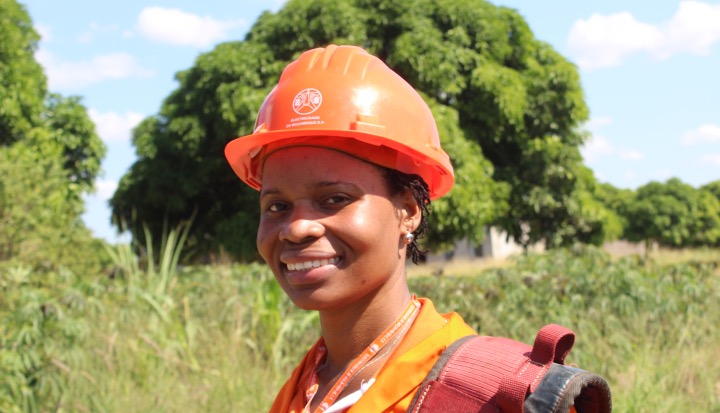
It’s rarely big news when companies make commitments to greater diversity and a higher representation of women in leadership teams. They do so for various reasons. Some believe diversity and inclusion (D&I) is a corporate performance driver and boosts financial performance, allows companies to choose from a wider swath of talent to solve problems and […]
Bridging Kenya’s Gender Digital Divide
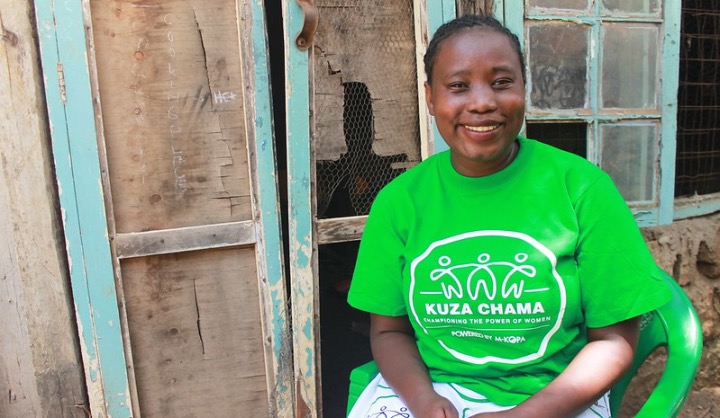
How M-KOPA’s “Kuza Chama” Initiative Helps Bridge Kenya’s Gender Digital Divide Monicah Mutio Mangi, an entrepreneur with a small convenience shop and a mother of one, is finally the proud owner of an M-KOPA smartphone. “I had a phone before, but it had some problems,” Monicah shared. “I was arranging my [finances] to buy another […]
Why Empowering Women is Smart Economics
A 34-year-old mother of five, Mestawet lives in the town of Wendo Genet, in Ethiopia’s forested highlands. She had long earned a small income for her family by handwashing other people’s clothes. But her life changed for the better when she became a sales agent for Kidame Mart – a social enterprise that empowers female […]
Evidence-Based Decision Making: Programs for Women-Owned Small Businesses
Despite its value, evidence-based decision-making may often be overlooked due to its complexity. It requires a lot of thoughtful consideration. For instance, to use evidence effectively, we need to understand the impact of research designs on the quality of the results, recognize potential biases that may lead to over-reliance on a single perspective, and learn […]
Supply Chain Decarbonisation with a Gender Lens
The urgency of the climate crisis means that a growing number of companies are investing resources to better understand and reduce emissions across their supply chains, including indirect or Scope 3 emissions. Frameworks – such as the GHG Protocol Corporate Value Chain (Scope 3) Standard – have been developed to help support this process; however, […]
Nothing about Us, Without Us: Engaging the Voices of Young People
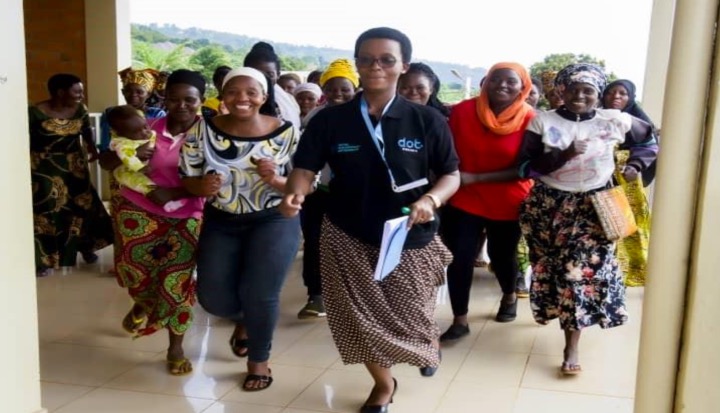
Youth disengagement remains a significant challenge globally, giving rise to a range of consequences that permeate various aspects of society, which affects the results of the different decision-making processes and policies that are in place. Mostly, it creates a gap between beneficiaries. There is a notable reduction in civic participation, encompassing diminished involvement in essential […]
Unlocking Women’s Economic Power isn’t Rocket Science
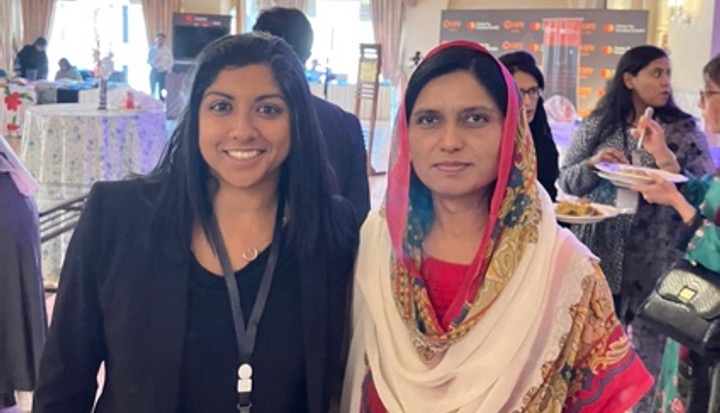
Unlocking Women’s Economic Power What if I told you that the financial sector has been favoring the wrong gender – that often women entrepreneurs are a better credit-risk than men and their businesses have higher returns? Women put their profits back into their families and communities. They create more jobs and bring greater prosperity. In fact, investing […]
Why a Food-Secure Future Means Focusing on Smallholder Farmers
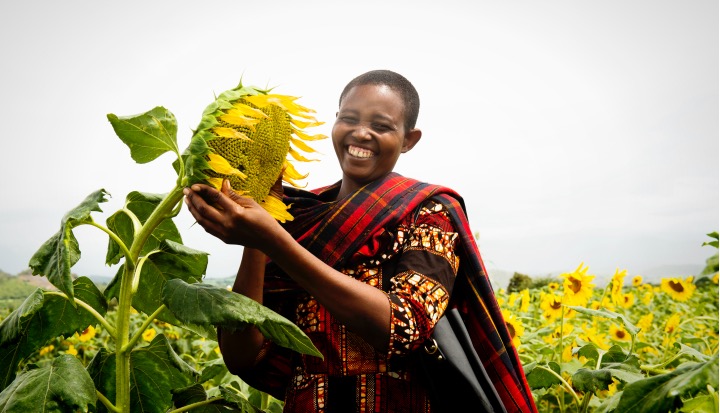
Today, World Children’s Day, is a fitting day for the UK government to host the Global Food Security Summit, an event focused on achieving Zero Hunger and ending malnutrition. Ending hunger by 2030 is the second of the Sustainable Development Goals (SDGs), targets that were internationally agreed in 2015 as a universal call to end poverty, […]
Empowering Ghanaian Women in Sustainable Shea Trading
Shea butter, a natural fat from Shea nuts, comes from Shea trees, indigenous to sub-Saharan Africa. Shea trees take 15 years to produce their first nuts. Shea butter is the only natural fat that contains all the nutrients the skin needs and its production is a centuries-old craft practiced by local women for cooking and skincare. […]
The Business of Care: Standard Chartered Interview
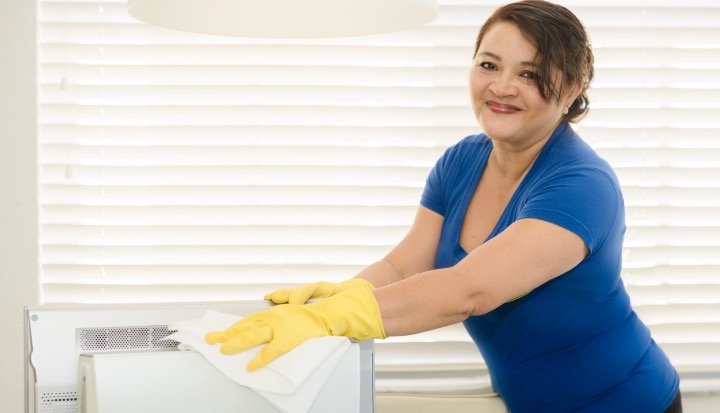
The interviews with five Business Fights Poverty Lead Partners, Primark, Unilever, Anglo American, Standard Chartered and Mastercard Center for Inclusive Growth, focussed on two areas. Firstly, how their companies are currently supporting social entrepreneurs and secondly if and how their companies are addressing the care economy through workplace policies. These lines of questioning led to […]
The Business of Care: Mastercard Center for Inclusive Growth
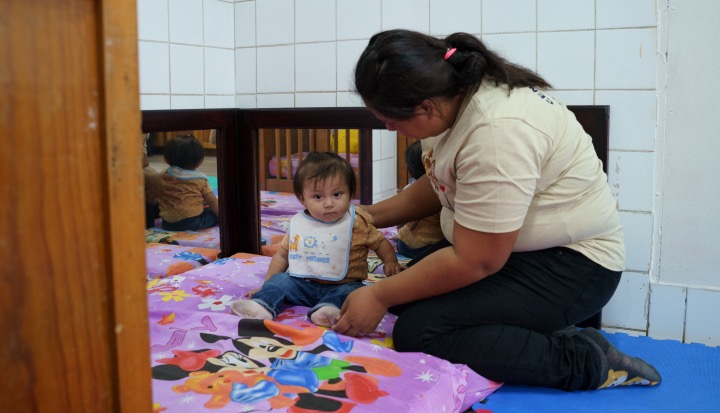
The interviews with five Business Fights Poverty Lead Partners, Primark, Unilever, Anglo American, Standard Chartered and Mastercard Center for Inclusive Growth, focussed on two areas. Firstly, how their companies are currently supporting social entrepreneurs and secondly if and how their companies are addressing the care economy through workplace policies. These lines of questioning led to […]
The Business of Care: Anglo American Interview
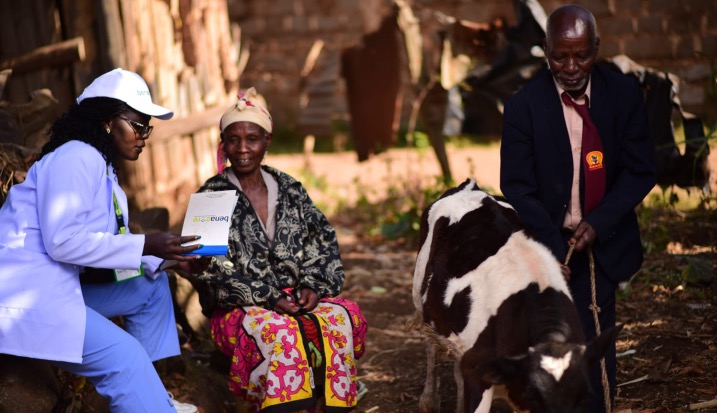
The interviews with five Business Fights Poverty Lead Partners, Primark, Unilever, Anglo American, Standard Chartered and Mastercard Center for Inclusive Growth, focussed on two areas. Firstly, how their companies are currently supporting social entrepreneurs and secondly if and how their companies are addressing the care economy through workplace policies. These lines of questioning led to […]
The Business of Care: Unilever Interview
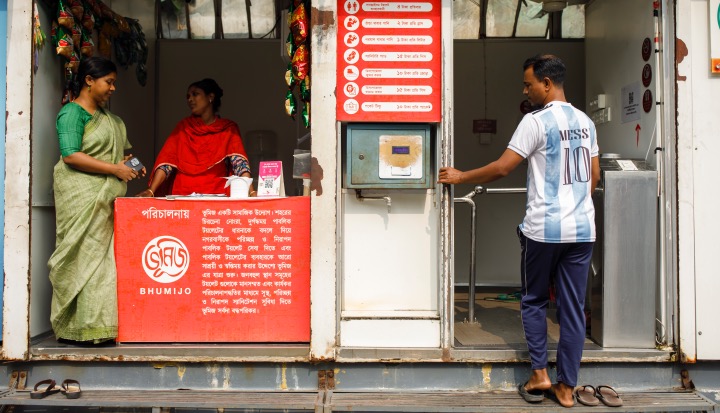
The interviews with five Business Fights Poverty Lead Partners, Primark, Unilever, Anglo American, Standard Chartered and Mastercard Center for Inclusive Growth, focussed on two areas. Firstly, how their companies are currently supporting social entrepreneurs and secondly if and how their companies are addressing the care economy through workplace policies. These lines of questioning led to […]
The Business of Care: Primark Interview
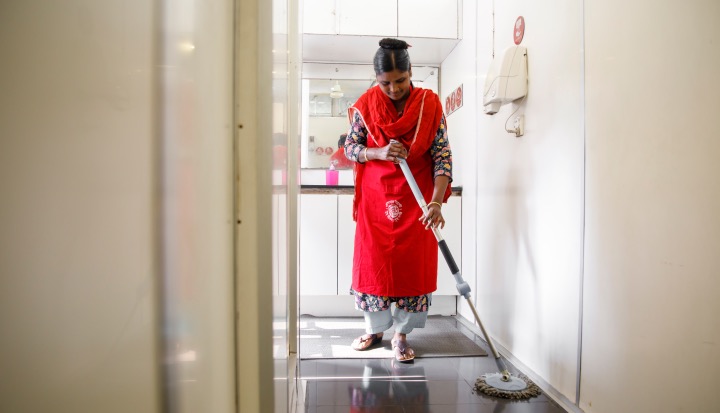
The interviews with five Business Fights Poverty Lead Partners, Primark, Unilever, Anglo American, Standard Chartered and Mastercard Center for Inclusive Growth, focussed on two areas. Firstly, how their companies are currently supporting social entrepreneurs and secondly if and how their companies are addressing the care economy through workplace policies. These lines of questioning led to […]
Improving Health Financing and Health Outcomes
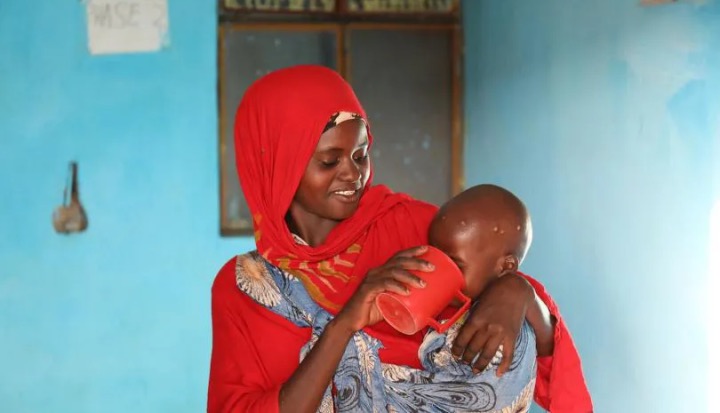
According to the report published by the World Bank and World Health Organization (WHO), almost half of the world’s vulnerable population including women, children, and adolescents did not have access to essential and quality health services at the point of 2021. THE STATE OF THE WORLD’S CHILDREN 2023 estimates that 287,000 women died from pregnancy-related causes in 2020 and […]
Business’s Role in Advancing Women, Children, and Adolescents’ Wellbeing
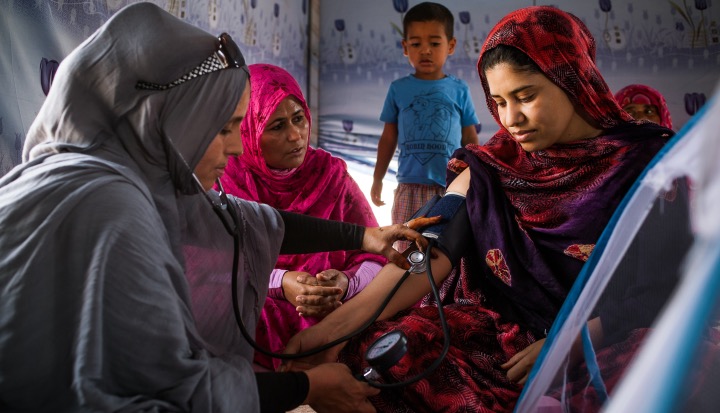
Delivering a Healthier Future: Business’s Strategic Role in Advancing Women, Children, and Adolescents’ Wellbeing A clear link exists between economic prosperity and the health of women, children, and adolescents. For business, engaging in global health is not only a moral obligation but also aligns with strategic economic decisions that promote gender equality, enhance economic growth, and […]
Changing Attitudes and Empowering Young Girls in Senegal
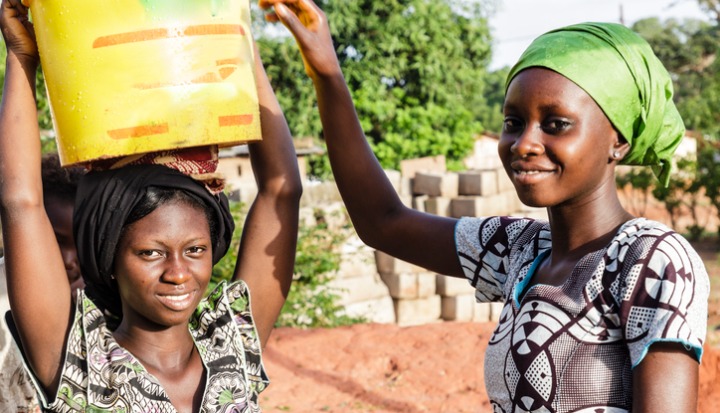
“I can see now that I have prospects. I want to become someone and help lift my family out of poverty. Only then I will think about marriage.” Mariama, Senegal. This is the personal impact that the Invest in Maternal and Child Health – ISMEA pilot project had on Mariama, a 13-year-old girl living in Goudiry, Senegal. […]
Mainstreaming Gender to Power Sustainable Business Growth
Gender equality is one of the essential pieces of the global prosperity puzzle. Women represent almost half of the global population and thus, also possess half of its potential. Yet inequalities faced by women are so deeply rooted and persistent, that we are lagging behind in our progress towards the gender equality targets set out […]