Women’s Empowerment Beyond the Paid Economy
The advancement of women’s rights and economic empowerment in market systems contributes to the economic well-being of families, communities, and nations. We are all working towards this goal and agree with the opening statement for the WEE Global Learning Forum 2017. How can we do this better? Market systems programs are increasingly targeting women’s economic […]
Growing SMEs and Young People, Together
We know the statistics – worldwide more than 1 billion young people will enter the job market between now and 2030, 600 million jobs are needed globally over 15 years to keep current employment rate, 71 million young people are unemployed globally, the youth population in Africa will double to over 830 million by 2050, […]
Training and Support for Women Refugees
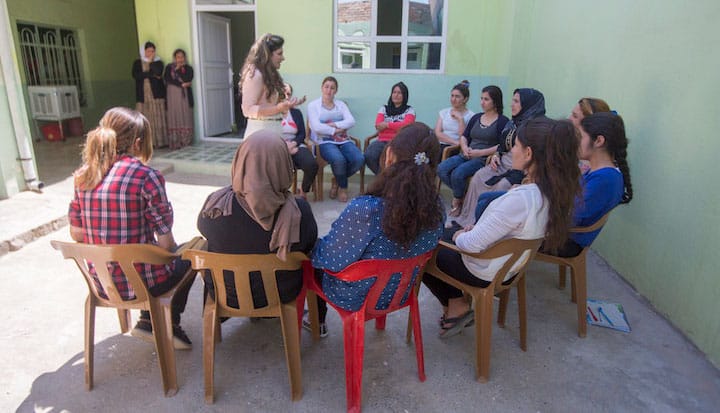
Interview with Mandana Hendessi, Iraq Country Director at Women for Women International Mandana Hendessi will be speaking at a dinner hosted by Women Advancing Microfinance UK on Tuesday 2nd May 2017 in London. She will be talking about the work that Women for Women International (WfWi) and its partners are doing in and around refugee […]
Bridging the Gender Gap in the African Startup Ecosystem
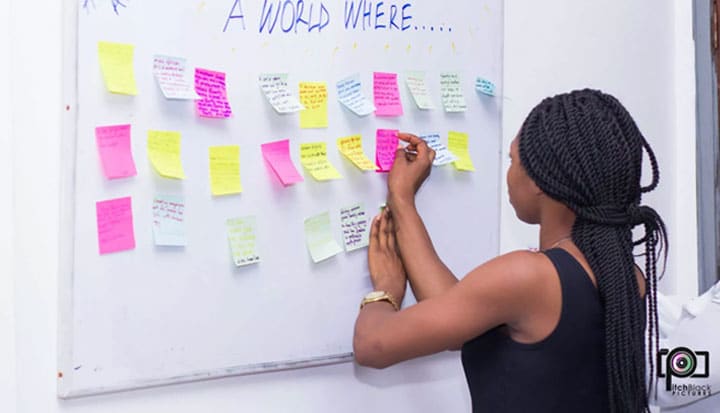
The startup ecosystem in Africa is growing from strength to strength. Innovative entrepreneurs across the continent are leveraging technology to turn the challenges they see around them into opportunities. While a few years ago Africa was probably not on their radar, international tech investors are now beginning to pay attention and according to Disrupt Africa, […]
Creating Transparency Around Corporate Sustainability Tools
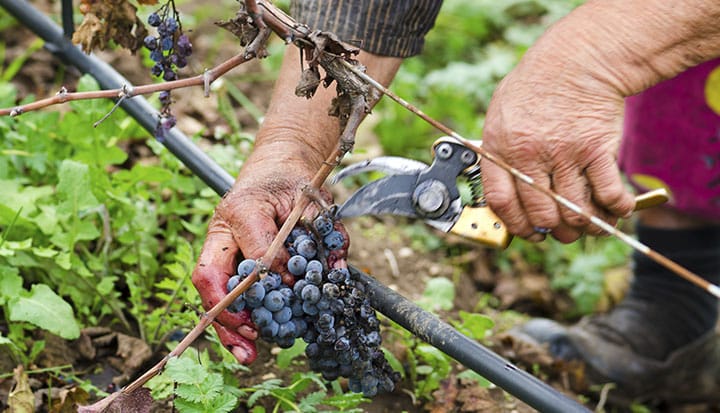
There are hundreds of tools out there that can help companies learn, manage or report about their impacts on sustainable development in general and the Sustainable Development Goals in particular. An international consortium of researchers, NGOs and rating agencies has now collected and categorized 226 tools – all claiming to help measure and manage corporate […]
Why Women Workers and Managers Prefer Electronic Wage Payments in Bangladesh
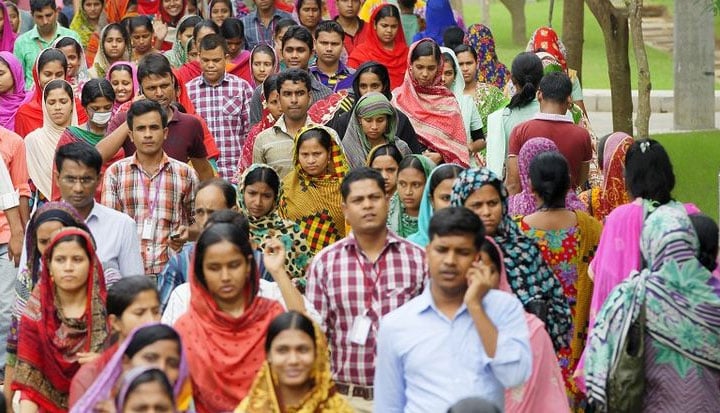
Payday can be an ordeal for women garment workers in Bangladesh. Often, they must wait in long lines, carry wads of cash through crowded streets, or encounter a mother-in-law demanding money. Garment factories account for a huge slice of Bangladesh’s economy and employ more than three million women. Most are paid in cash. That’s bad […]
How Business Can Help Address Youth Employability

Barclays is a transatlantic bank with a history of supporting young people to gain skills for employability. Between 2012 and 2015, we delivered skills training to over 5.7 million disadvantaged young people and in 2016 we helped a further 1.7m people gain employability skills. During this time, we have increasingly focused on measuring and understanding […]
Solving Bangladesh’s Skills Shortage Through Apprenticeships
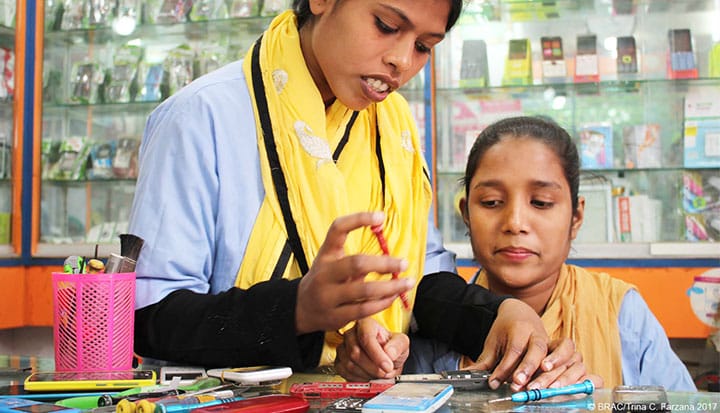
BRAC Case study on Youth Employability Bangladesh has undergone an enormous transformation over the past forty years and has long been seen as an example of how aid can support progressive, pro-poor and country driven development. But a major issue has been holding the country back; young people and businesses in Bangladesh are facing a […]
Enhancing Women’s Economic Empowerment in DRC
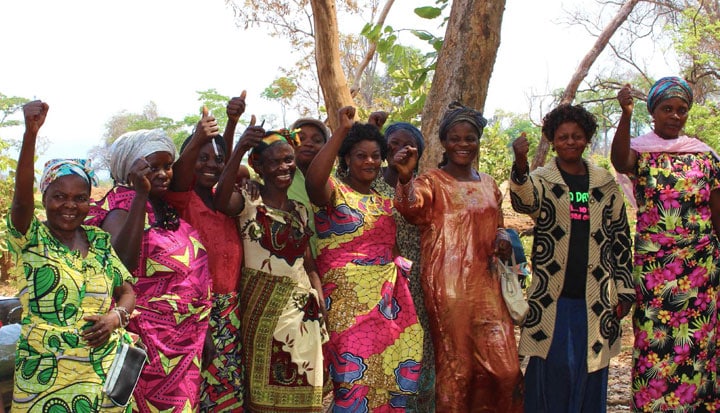
Historically there’s been limited evidence on what works to genuinely economically empower women in DRC’s agricultural sectors. But, thanks to ÉLAN RDC’s WEE Learning Series, that’s now starting to change. Women and working-aged adolescent girls in DRC are some of the most marginalised in the world. Disproportionately high rates of poverty, inadequate access to basic […]
HERproject at 10 – Celebrating HERsuccess, Inspiring HERfuture
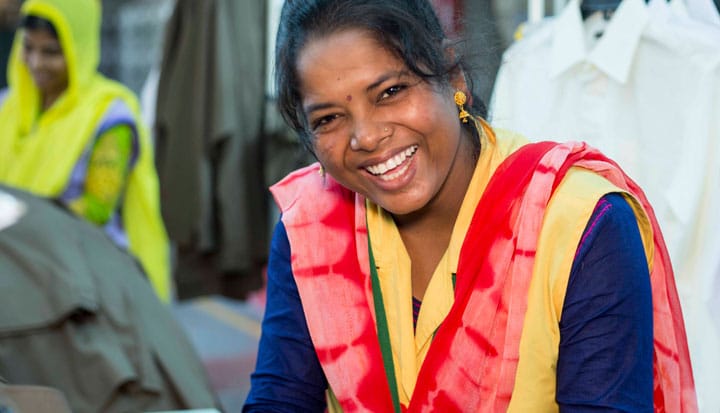
Today, March 8, is International Women’s Day 2017—a good time to take stock of our collective progress toward gender equality. And such a moment of reflection is particularly relevant for HERproject this year, as we are hitting a big milestone: It’s our 10th birthday! On our anniversary, we’re taking a moment to think about what […]
Girls’ Economic Empowerment – Why Context Matters for Financial Education
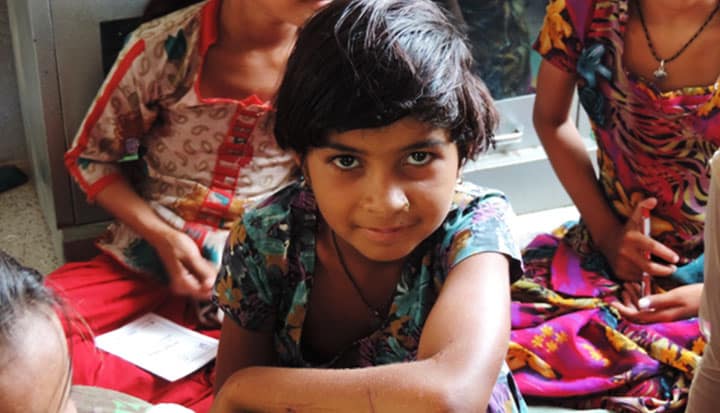
Last year I wrote about why it makes sense for corporates to invest in girls’ education and introduced Credit Suisse’s Financial Education for Girls program that aims to improve the financial knowledge and life skills of approximately 100,000 girls. At the time, the program had been implemented for only 18 months. This year we are […]
#BeBoldForChange: To Empower Women, You Need to Work with Men, Too
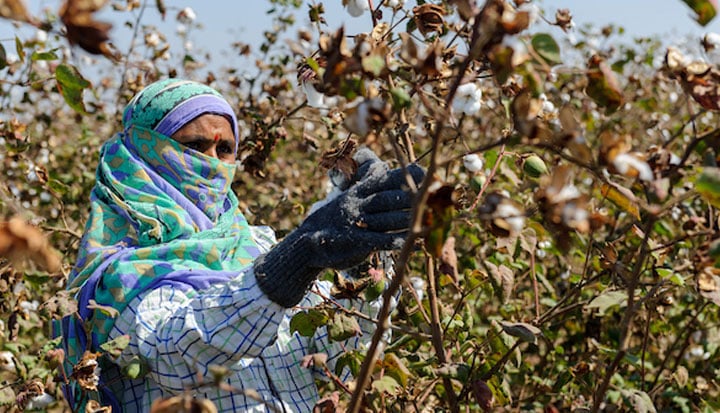
On International Women’s Day, Alison Ward explains how Cotton Connect’s work with Primark to support women cotton farmers in India is sowing transformative change by engaging both sexes. #BeBoldForChange is the theme for International Women’s Day 2017. While progress has been made around the world, the latest estimates from the World Economic Forum reveal that […]
Co-Creating Partnerships to Achieve the Global Goals
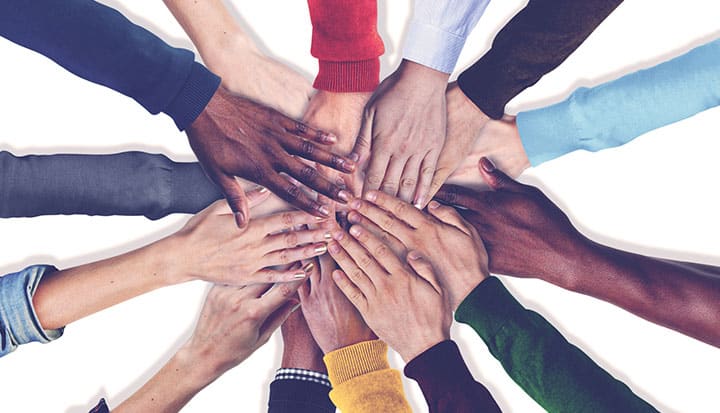
With the Sustainable Development Goals (SDGs) having significantly raised the bar regarding ambition and universality, there is agreement that we have to go well beyond business as usual. Achieving breakthrough progress in these rapidly-changing times requires a new mind-set and different behavior from all of us. “The greatest danger in times of turbulence is not […]
Educating Girls – From Marginalized to Empowered
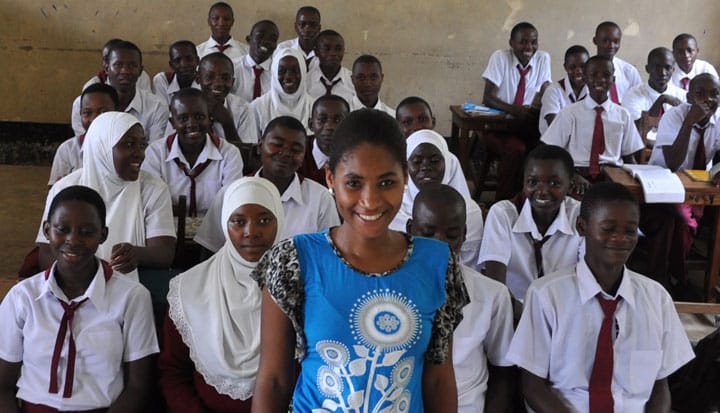
Pearson Case Study on Youth Employability Pearson and international NGO Camfed have announced an expansion of their existing partnership aimed at educating and empowering girls from low-income communities in Zimbabwe and Tanzania. Their work is being extended in Tanzania to support 6,400 more children in 80 schools. It is being led by young educated women, […]
Invisible Lives: Understanding Youth Livelihoods in Ghana and Uganda
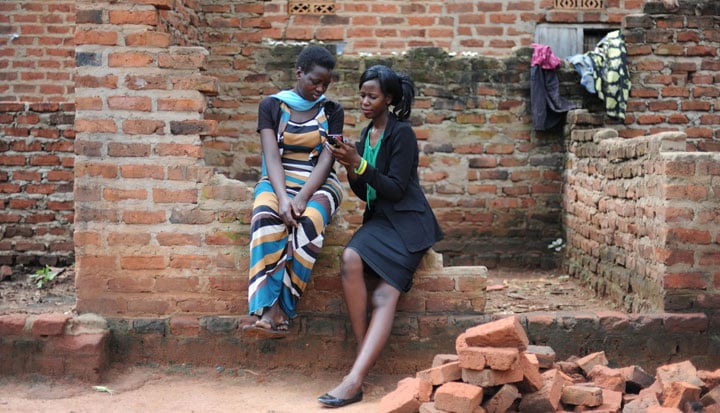
Beatrice had a busy day. It’s tomato season, which means she had to wake up extra early to go to the garden to harvest some ripe tomatoes. On her way, she made sure to feed the poultry and check on the goats. It’s also market day in her village, so after feeding her children and […]
Bridging the Gap between Young People’s Career Aspirations & Ability to Succeed

Young people today make up the largest youth population in history. Their successes and struggles are as diverse as their personalities and aspirations. However, in all corners of the globe, this generation faces a common challenge: persistent, high rates of youth unemployment. Left unaddressed, the consequences reverberate across our cities and affect us all. When […]
Sri Lanka’s Garment Workers ‘Stand Up’ for Rights
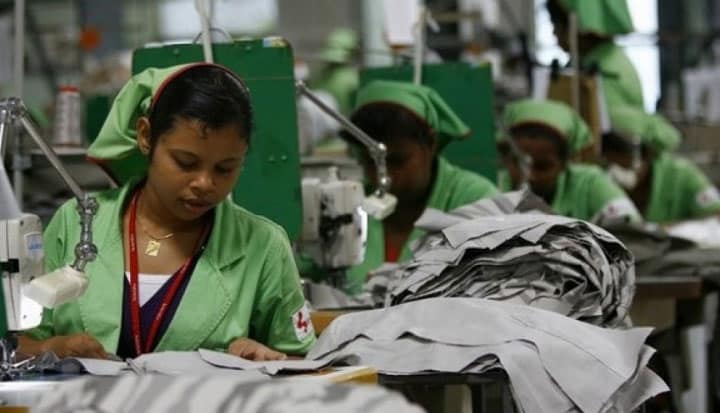
Shirone Kaushalya works in a factory producing leather jackets. But she rarely sees the finished product. The 30-year-old woman uses a hammer to pound on the ridges and bumps of raw leather until it is smooth enough for stitching. Then she hands the flattened material to the next station in production and grabs another piece […]
New Evidence Supporting the Business Case for Investing in Female Garment Workers
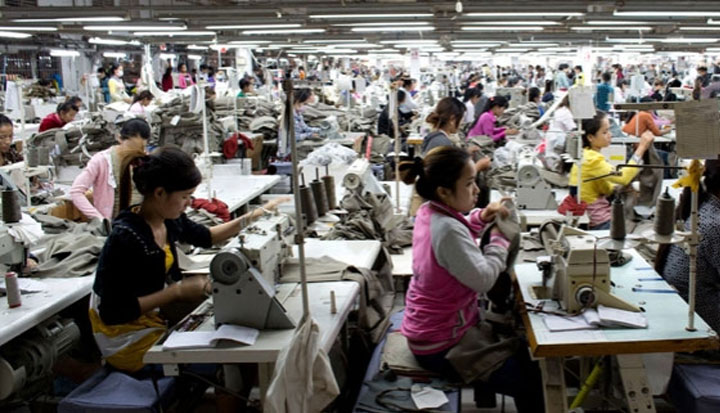
CARE’s programmes on dignified work have for a number of years included training sessions for women in factories. Recent research provides further evidence, backing up our own findings, that investing in training for women workers makes good business sense for factory owners. A key initiative that we have been involved in implementing has been the […]
Sustainable Business Leadership in 2017: Game On

At the start of last year, we were still riding the highs of 2015, which saw important progress on sustainable business. The year just past, 2016, for multiple reasons, was less positive. How will 2017 break the tie? Let’s start by looking back to where we were a year ago. Here’s the good news: The […]
Making DFID’s Economic Development Strategy Work for Women
CARE firmly believes that inclusive economic development is at the core of eliminating extreme poverty and injustice. So we welcome DFID’s focus on this agenda and their long-awaited strategy, published this week. What we are most concerned about now, though, is how it will deliver for the world’s poorest women. We should be cautious about […]