The ‘Root’ to Women’s Empowerment
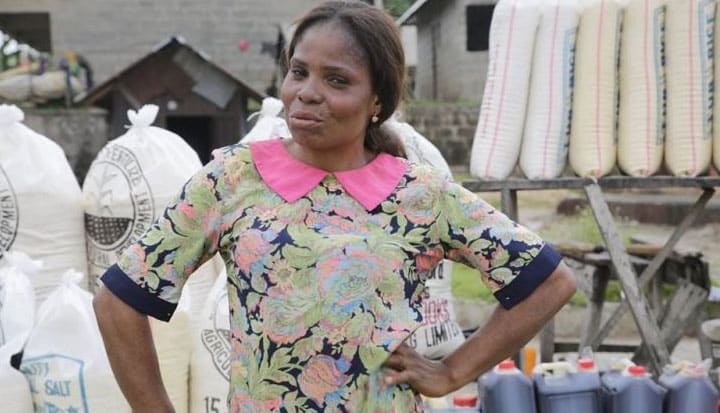
Growing up in rural south-east Nigeria, as the first born child in my family, I assisted my mum in her small business as she struggled to make a living. When the opportunity to go and live with my aunt in eastern Nigerian arose, I was excited; I thought I would be relieved from the hard […]
One Year of Inclusive Business Models in Bangladesh
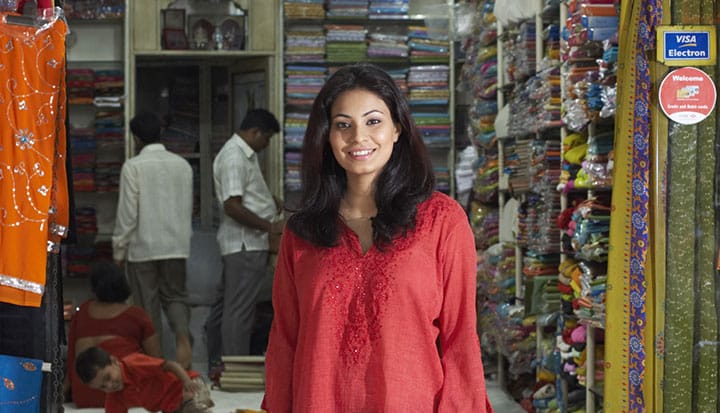
Six Inclusive Business (IB) models dedicated towards SRHR were launched on the 25th August, 2016. In the last one year, the project has relentlessly worked to establish a sustainable solution to the Sexual and Reproductive Health and Rights (SRHR) of 3.5 million female Ready Made Garments (RMG) workers. In the continuous effort to improve lives […]
African Diaspora: Mobilizing Resources and Skills in Uganda
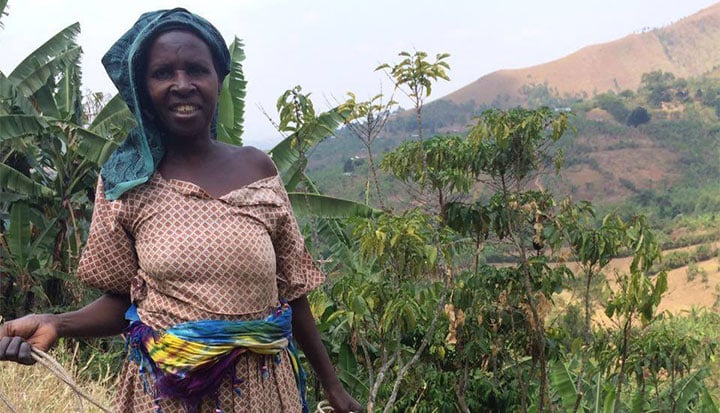
African diaspora love their heritage countries and most send support in various forms to their families that remained behind. Most send money and it has been noted that remittances to Africa have surpassed Western aid. Beyond sending money, Africans in the diaspora have setup various networks to address issues impacting entire communities back home by […]
One Million Women Missing From the US Tech Sector
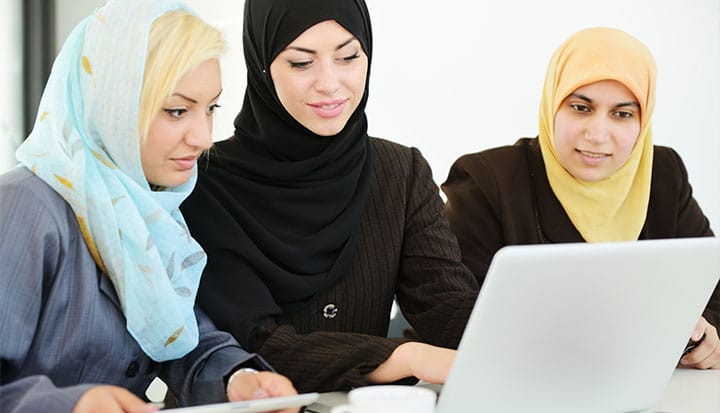
Despite an estimated investment by the US technology industry of $0.8bn – $1.2bn in diversity efforts over the past five years, women’s representation at tech firms has actually decreased. In the last 15 years representation of women has fallen a percentage point, to represent just 28 percent of the tech workforce today. Given women are […]
Enhancing the Livelihoods of Women in Unilever’s Agricultural Supply Chain
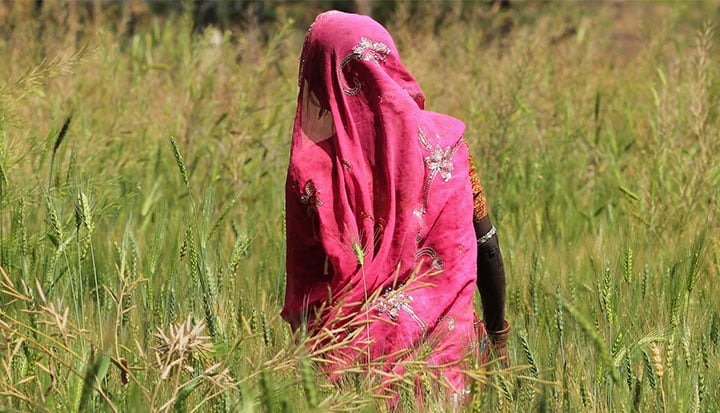
Unilever Case Study on Women’s Economic Empowerment Overview Empowering women is critical to eradicating poverty and accelerating global development. In Unilever’s case, this is hugely important for us. Over 70% of the people making the decision to buy our brands are women. Our future growth depends on meeting their needs and aspirations and on supporting […]
Mars Women Empowerment Plan
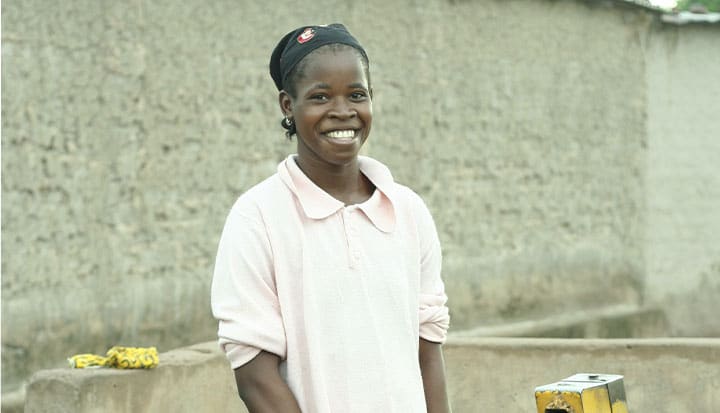
Background Women provide approximately 45% of the labor in cocoa supply chains, yet they face discrimination in access to resources compared to their male counterparts. They often work unpaid on family farms and are not always viewed as “farmers”. Low education, poor access to health services and limited training greatly disadvantage women (and their families) […]
Access to Finance and Women’s Economic Empowerment
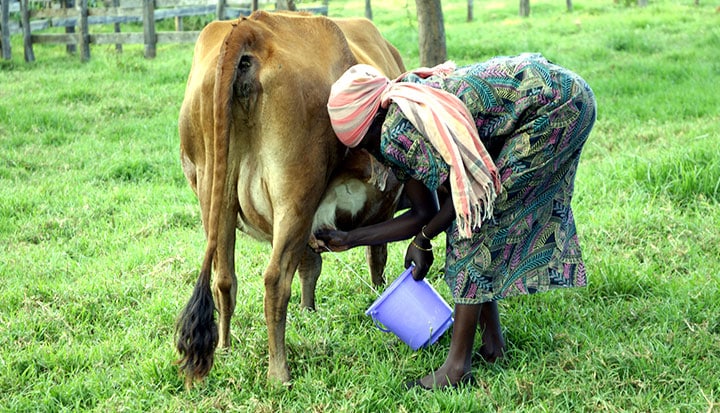
Cherie Blair Foundation Case Study on Women’s Economic Empowerment In 2014 the Cherie Blair Foundation for Women partnered with Accenture and CARE International to promote the long-term financial independence of Rwandan women, by providing a combination of mentoring, training and improved access to financial services. Financial inclusion is a deeply gendered issue in Rwanda, where […]
Diageo Case Study: Building Diversity Internally

Diageo Case Study on Women’s Economic Empowerment Celebrating diversity and actively creating an inclusive, collaborative culture is core to Diageo’s purpose of celebrating life everyday everywhere. For our business to thrive, Diageo depends on having the right people with the skills and capabilities in each of the 180 countries in which they operate. Diageo is […]
Empower a Woman and a Whole Community Will Thrive
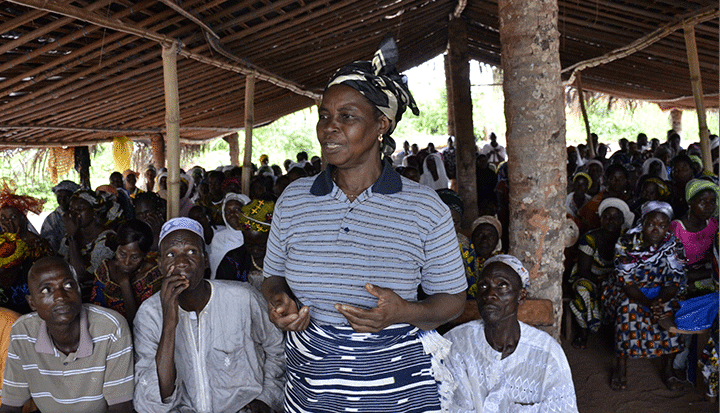
Empowering women benefits everyone and is essential for cocoa growing communities to thrive. Research shows that increasing women’s involvement leads to improved financial management by farmers, better education of youth and more sustainable, thriving communities. Cocoa Life, Mondelez International’ cocoa sustainability program, is deliberate about promoting women’s empowerment. Cocoa Life has worked to mainstream gender […]
Economic Empowerment for Women in the Bangladeshi Garment Sector
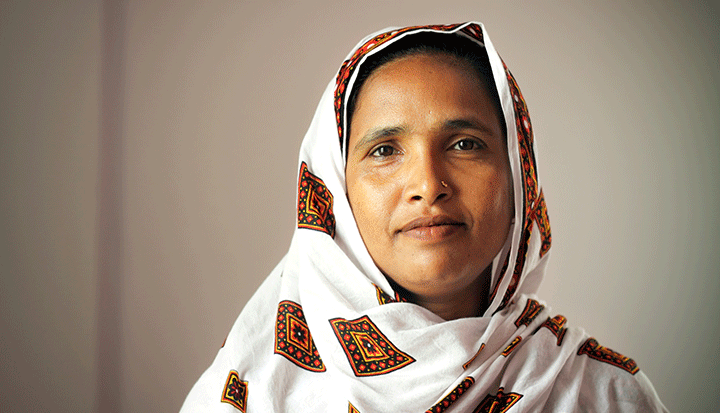
This article forms part of a series we are featuring on the Women’s Economic Empowerment Challenge over the course of the summer while the UN High Level Panel continues work on its first report, due to be published in September 2016. Each article in the series will showcase an example of how companies are supporting […]
Access to Finance, Gender Bias and Climate Change Resilience for Smallholders
Olam expands on lessons learned from 5 years of the Olam Livelihood Charter Despite extensive progress being made under its Livelihood Charter, global agri-business Olam predicts that smallholder productivity across Africa, Asia and South America will still be massively hindered by lack of access to finance, equality for women and climate change impacts, unless far […]
Socio-cultural Interventions to Increase Women’s Access to Finance
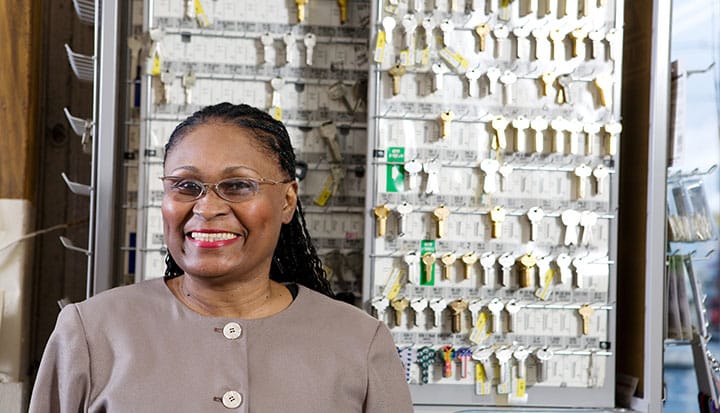
By now, we know that women – especially in the developing world – have less access to finance than men. Business has an important role in levelling the playing field through interventions aimed at easing constraints on the demand-side (awareness of financial products or business and literacy training), the supply side (designing financial products and […]
Empowering Women in the Supply Chain
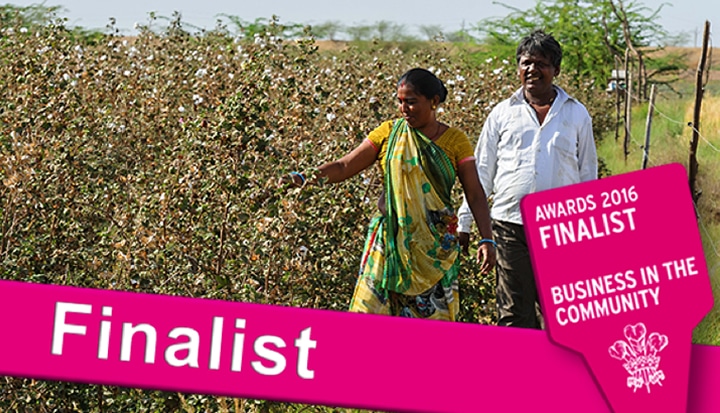
Primark is a Finalist in the Unilever Global Development Award supported by Business Fights Poverty. We asked them some questions about their programme and the lessons learnt. Q) What challenge does Primark’s programme serve to change? Like almost every other fashion retailer, Primark products are made in countries like India where wages are lower and […]
Tackling Slavery in Supply Chains – What Can We Do?
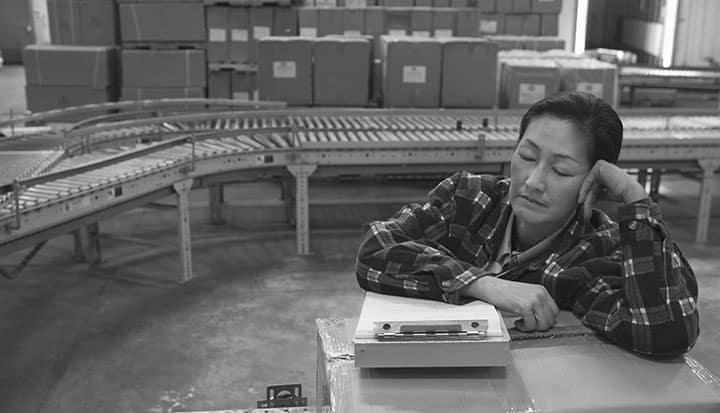
The ILO estimates that there are approximately 21 million people enslaved around the world at present – these will include many people who are in bonded labour, those trafficked and kept against their will in enslaved situations – but slavery also exists in global supply chains. Modern Slavery can also take the form of exploitation […]
Three Key Steps to Empowering Women in Global Value Chains

Global value chains can be a powerful lever for empowering women, but companies must identify where women work, must develop a clear gender strategy and must articulate the business case for supporting women. As the UN High Level Panel on Women’s Economic Empowerment continues to develop its thinking over the next few months, they should […]
Effective Workplace Policies and Practices

Hope is not a strategy for righting gender imbalances that have long been the norm in most businesses and beyond. Instead, a strategy addressing material issues, supported by policies and practices applied internally and externally, can deliver business benefits as well as benefits for individuals. Research shows that a more diverse workforce delivers financial returns […]
Empowering Women Through Work
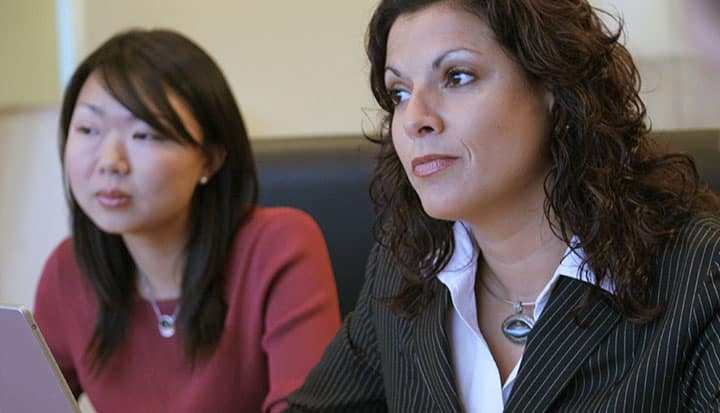
One of the first activities we launched in our Challenge on Women’s Economic Empowerment was the business survey created by DFID and introduced in a blog by the UK Secretary of State for International Development, Justine Greening, on 25 April. The survey asked respondents to share both the challenges and successes their businesses have seen […]
5 Reasons Social Enterprises are Applying a Gender Lens
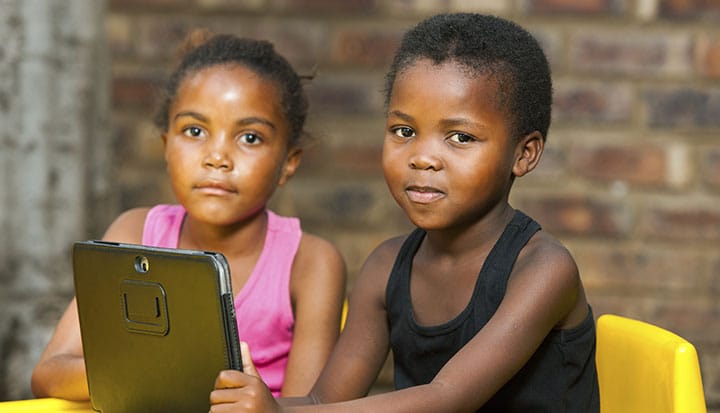
Director of Strategic Partnerships, Acumen There is article after article about why businesses and investors should seek new ways to be more inclusive of women in their business models. But what we’ve learned at Acumen, where we invest in business that solve problems of poverty, is that leaders of social-purpose businesses are already doing this, […]
Investing in Social Enterprise to Fight Poverty
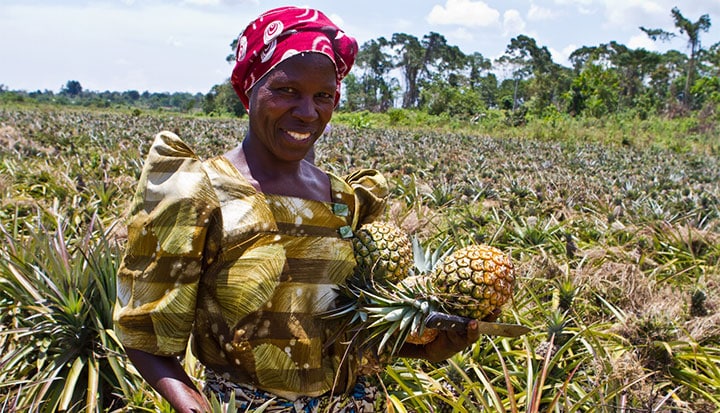
Rupert Scofield will be speaking at a dinner hosted by Women Advancing Microfinance UK on Tuesday 10th May in London. He will talk to us about the work FINCA does and the impact it’s having, in particular in the social enterprise and innovation space. Tickets to the event are available here. Ahead of the event, […]
Banking on Change Helps the World’s Poorest Save $34m
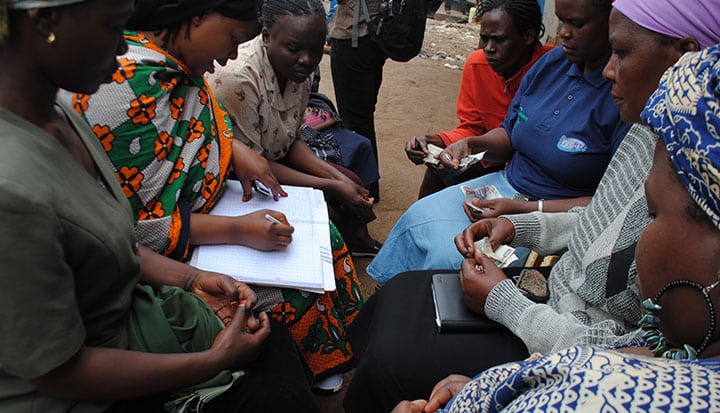
More than 5,000 informal savings groups have been linked to formal banking sector Six years ago CARE undertook a pioneering partnership called Banking on Change with Barclays and Plan UK that has since helped more than 758,000 people, who typically live on less than $2 a day. In the past 3 years, we’ve supported 400,000 […]