The Silent Voices of the Global South: How USAID’s Funding Freeze Exposes the Need for Change
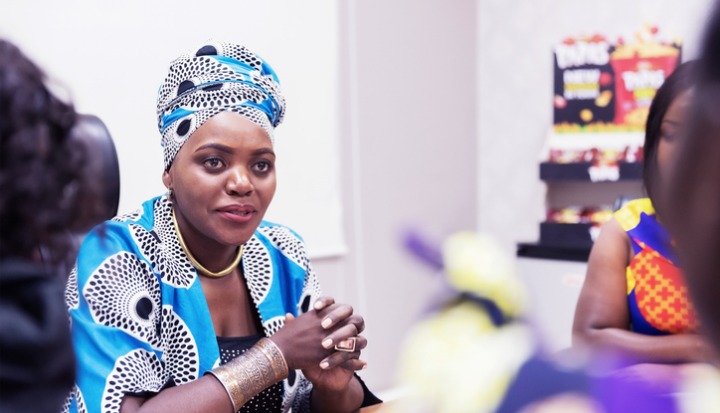
I write this as an African, as a Ugandan, and as someone who has seen both the promise and the failures of international aid. I have benefited from aid in the past. I know what it means to receive free healthcare because of a foreign-funded programme. I have witnessed communities transformed when funding reaches the […]
5 Insights to Guide the Business Fights Poverty Community into 2025

Together for 2025 Community Forum After a politically turbulent 2024 when many internal strategic decisions were put on hold, 2025 promises to be the year of ‘getting on with the job’. Mandatory sustainability reporting begins in earnest in 2025, and there are only five years until the world is meant to meet the 2030 Sustainable […]
Harnessing the Power of Local Networks for Climate Preparedness
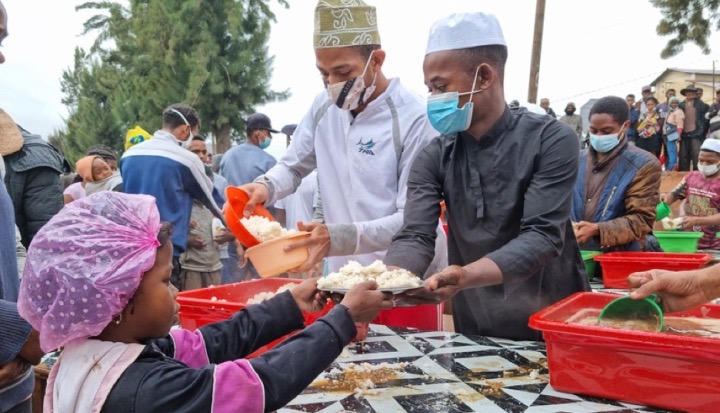
As climate-related emergencies intensify, local networks of non-governmental organizations (NGOs) and businesses are emerging as key players in disaster risk management. By catalysing early action and anticipatory measures, these networks play an essential and complementary role to governments in fostering more resilient communities. Examples from El Salvador, Madagascar, Peru, and the Philippines showcase that stronger […]
Strengthening Gender Equity in the Voluntary Carbon Market
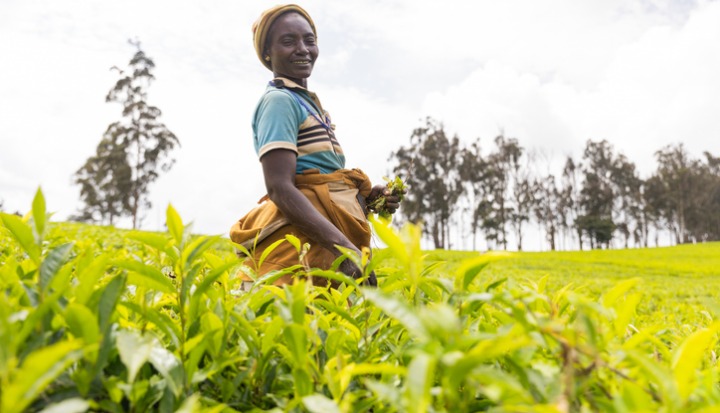
Integrating gender equity into the Voluntary Carbon Market (VCM) is essential for achieving environmental and social sustainability. At the heart of this discussion is the question: How can carbon credit quality be improved, whilst also driving benefit for the planet and the people most affected by climate change? Integrating gender equity into carbon credit initiatives […]
How Businesses Can Meet EU Deforestation Regulation: Innovative Solutions for Supply Chain Transparency

Trade in commodities linked with deforestation poses significant environmental and social challenges. According to The Accountability Framework initiative (AFi) and CDP 2024 report Time for Transparency, land clearance for agriculture accounts for over 10 percent of human-caused greenhouse gas emissions and is linked to at least a third of global biodiversity loss. When forests are cleared, […]
Philanthropy as a Catalyst for Change: Lessons From the G20

In late July, finance leaders of the world’s major economies gathered in Rio De Janeiro, Brazil, for the G20 Finance Ministers and Central Bank Governors Meeting. There, they pledged for the first time to cooperate to ensure that the super-rich are effectively taxed: a move that attracted headlines in the global media. This unprecedented declaration on taxing wealth […]
Unlocking the Potential of Young Entrepreneurs in Sub-Saharan Africa
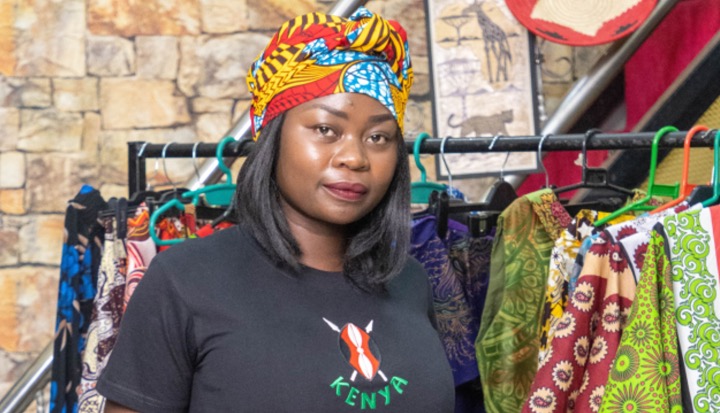
A Call for Innovative Financing Solutions Youth entrepreneurship in Sub-Saharan Africa represents an extraordinary opportunity to drive economic independence, societal transformation, and sustainable development. Yet, millions of young entrepreneurs remain constrained by a rigid financial landscape. These young minds, particularly women and other underserved groups, operate predominantly in the informal sector, with no access to […]
How Can Businesses Build Partnerships that are Fit for the Future?

Click here to take the 5-minute survey Businesses Partnerships for the Future With the world in the midst of overlapping social and environmental challenges and pushback in some countries against the engagement of businesses in addressing them, there has never been a more important time to build a new consensus on the role of business […]
How SMEs Can Gain a Competitive Edge by Embracing UN SDGs

SMEs and UN Sustainable Development Goals (SDGs): Smaller companies can uncover competitive advantages by embracing the UN Sustainable Development Goals. In 2015, the UK Government joined every other country worldwide and committed to transforming our world with the 2030 Agenda for Sustainable Development, and its 17 Sustainable Development Goals (SDGs). The Goals define global priorities […]
Unlocking Economic Growth: How the Private Sector Can Empower Forcibly Displaced Communities

Poverty is rampant among these populations. There is a need for jobs. A key way to create jobs is to expand private sectors in communities that host the forcibly displaced. And a key way to do that is to unleash entrepreneurship – and to connect entrepreneurs with global and regional companies as customers and partners. […]
How Sustainable Agriculture Contributes to Achieving Zero Hunger
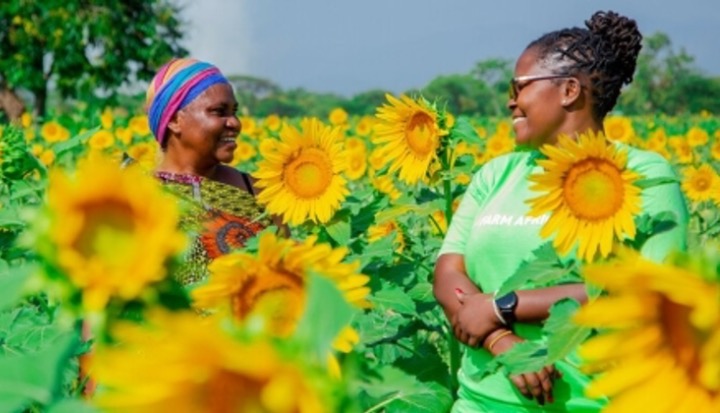
The second of the UN’s Sustainable Development Goals – SDG2: Zero Hunger – aims to create a world free of hunger by 2030. However, according to the UN, a combination of factors including the pandemic, conflict, climate change, and deepening inequalities, mean that hunger and food insecurity have been rising since 2015, and the world is […]
Integrating Gender Equality into Sustainability Standards: A Strategic Approach
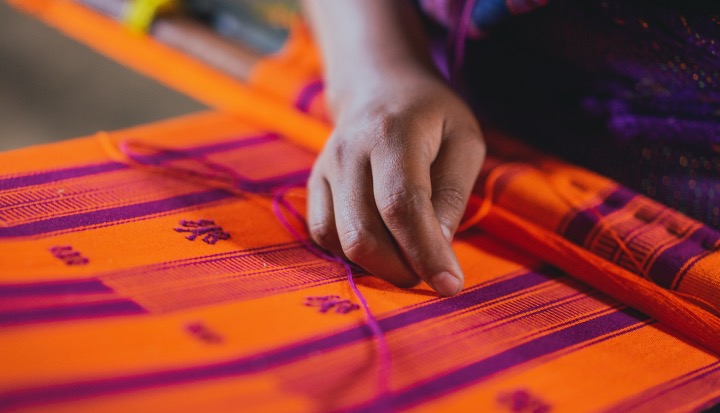
Tackling gender inequalities in supply chains through sustainability systems The world won’t meet its sustainability goals without addressing gender issues – and sustainability standards and similar systems have an important role to play by setting gender responsive standards. The world won’t meet its sustainability goals without addressing gender issues – and sustainability standards and similar […]
Social Entrepreneurs Advancing the SDGs Through Systems Change Strategies

How Social Entrepreneurs Advance Sustainable Development Goals in Africa Through Systems Change Strategies Despite significant progress in the alleviation of poverty and in promoting health and education, recent reports indicate that the international community seems far from achieving the SDGs by 2030. In the 2022 SDG report, the United Nations Secretary General has called for […]
Business’s Role in Advancing Women, Children, and Adolescents’ Wellbeing
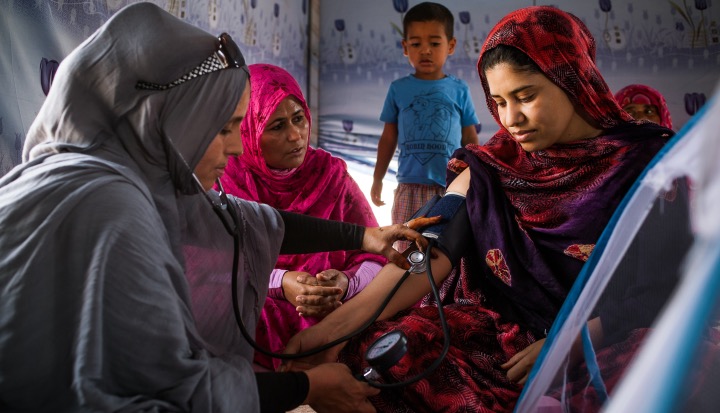
Delivering a Healthier Future: Business’s Strategic Role in Advancing Women, Children, and Adolescents’ Wellbeing A clear link exists between economic prosperity and the health of women, children, and adolescents. For business, engaging in global health is not only a moral obligation but also aligns with strategic economic decisions that promote gender equality, enhance economic growth, and […]
Changing Attitudes and Empowering Young Girls in Senegal
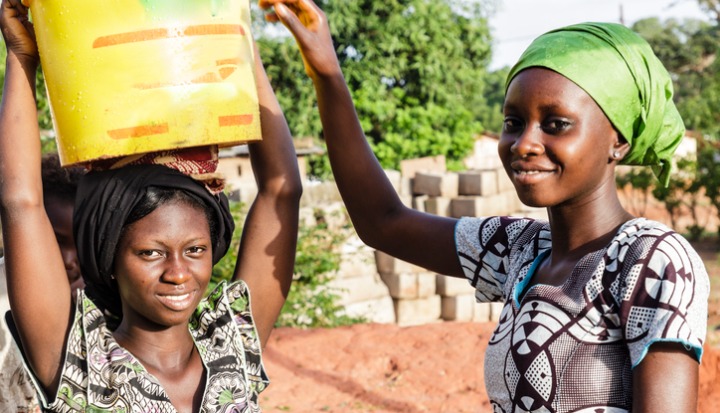
“I can see now that I have prospects. I want to become someone and help lift my family out of poverty. Only then I will think about marriage.” Mariama, Senegal. This is the personal impact that the Invest in Maternal and Child Health – ISMEA pilot project had on Mariama, a 13-year-old girl living in Goudiry, Senegal. […]
An Agenda to Address Inequality in Sustainable Finance Decision-Making

The Private Sector and Inequality The private sector can contribute to inequalities in terms of influencing the distribution of risk and return between stakeholders. Workers assume significant risk and likewise contribute to value creation. However, their “social” or “human capital” is often undervalued and therefore rewarded much less than financial capital. Investors can also contribute […]
Gender Equality Depends on Business Becoming Co-Responsible for Care Work
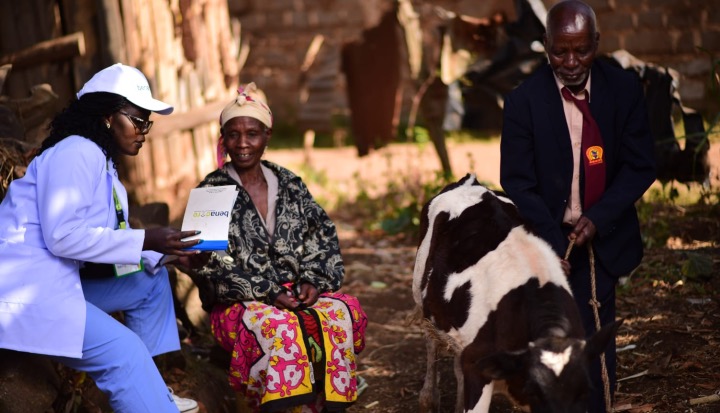
A new Business Fights Poverty report illustrates that opportunities exist across the value chain for business to play a key role in supporting social innovation in this area and become co-responsible care actors. What is care? The global economic system is underpinned by many thousands of hours of “invisible” care work that is often unpaid, underpaid […]
Acting Together for More Nutritious Food

How do we scale up the fortification of staples with vital nutrients and avoid micronutrient deficiencies during these challenging times where many people don’t have access to a balanced diet? Over the past decades, a solid regulatory framework has been created in many countries for the fortification of staples like salt, flour, sugar, oil or […]
10 Businesses Making the SDGs their Business

Some of the best ideas and boldest actions are coming from entrepreneurs and start-ups embedded in low-income communities. These disruptors are driving innovations that are tackling environmental challenges, improving people’s health and building inclusive economies. Investing and learning from them is one of the best ways to accelerate sustainable development. This is the purpose of […]
Five Reasons Why Businesses Should Prioritise Supporting Women in Global Garment Supply Chains
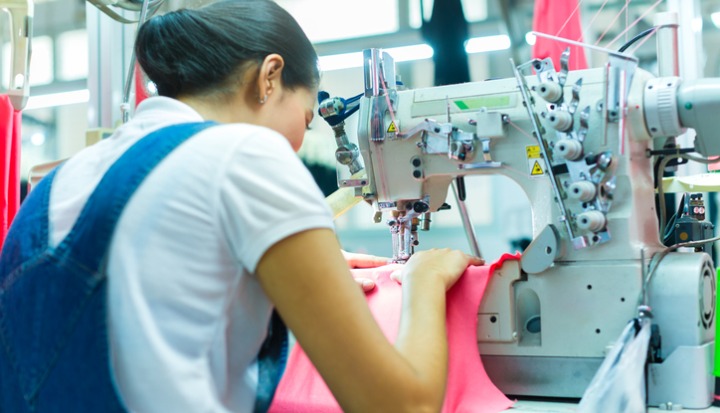
As governments, businesses, civil society and NGOs take stock of global progress towards to UN Sustainable Development Goals (SDGs), it is important to recognize that investing in women in global garment supply chains can act as a lever to achieving the SDGs. RISE: Reimagining Industry to Support Equality is an initiative to support collaborative industry […]